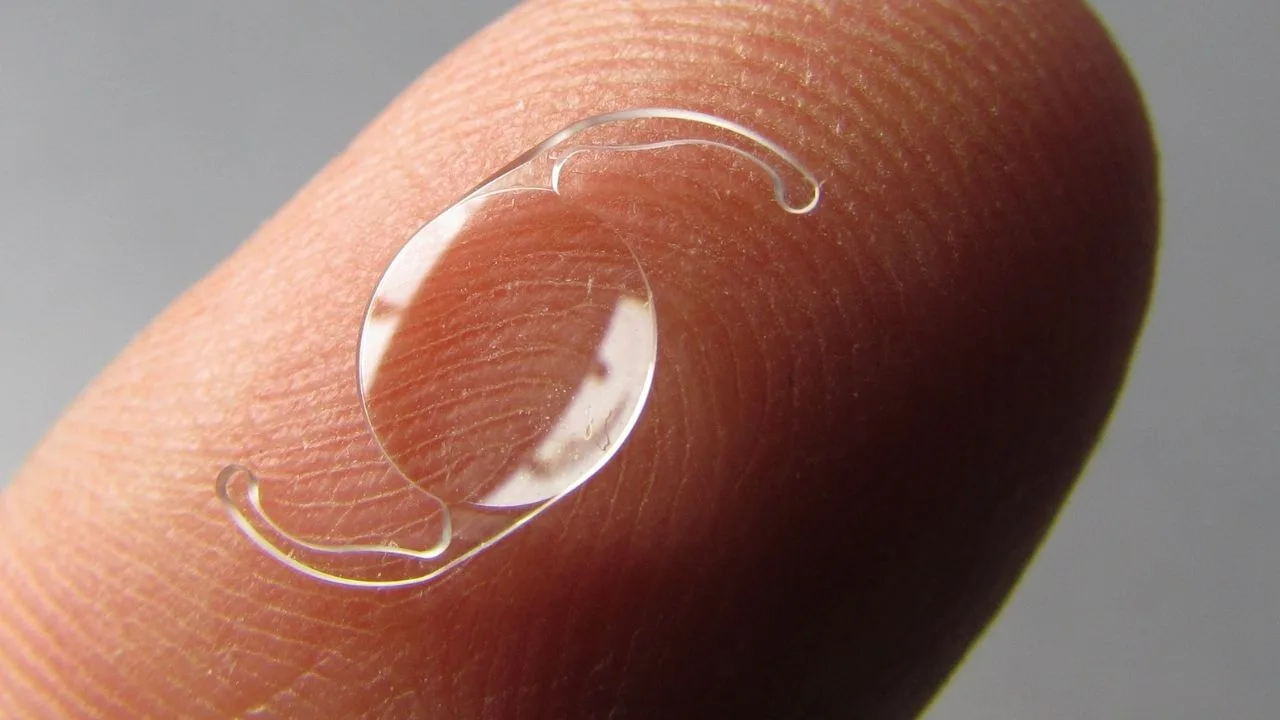
Many treatment methods are used today to correct refractive errors such as myopia, hyperopia and astigmatism. These include excimer laser (iLASIK, LASEK, PRK), astigmatic keratotomy, refractive lens exchange, and many other methods. The most preferred method among these methods is excimer laser (iLASIK, LASEK, PRK), also known as laser treatment. However, laser treatment requires a certain age level, an ideal corneal thickness, corneal map and a prescription within a certain range. Excimer laser treatment may not always be the ideal treatment for your eye, so other alternative treatment methods have been developed for these eyes. Among these, one of the safest, permanent and stable treatment methods is refractive lens replacement.
How to Evaluate Before Refractive Lens Exchange Operation?
Your doctor will first evaluate your vision level and determine your glasses prescription. After this evaluation, a biometry measurement will be taken to determine the power of the lens to be placed in the eye. While taking this measurement, our staff will tell you to look straight ahead after numbing your eye with drops, and the power of your lens will be determined within minutes and after a short procedure.
Is There Any Harm If I Have Laser Operation After Refractive Lens Exchange?
There is no harm in having a laser operation after refractive lens exchange operation.
Is Cataract Operation Necessary After Refractive Lens Exchange?
Since your own natural lens in your eye is removed, you will never need a cataract operation.
What should I pay attention to before the operation?
If you take a blood thinner such as aspirin or coumadin, talk to your doctor before the operation; do not stop the medication on your own. The operation is performed under anaesthetic eye drops, so there is no harm in having a light breakfast or meal beforehand.
The operation is performed under topical anaesthesia, and light sedation can be given if needed. In other words, your doctor will instill anaesthetic eye drops so that you do not move your eye and do not feel pain. Generally, no pain is felt during the operation, only a slight touching sensation may be felt. Patients under local anaesthesia will be awake and can communicate with the doctor.
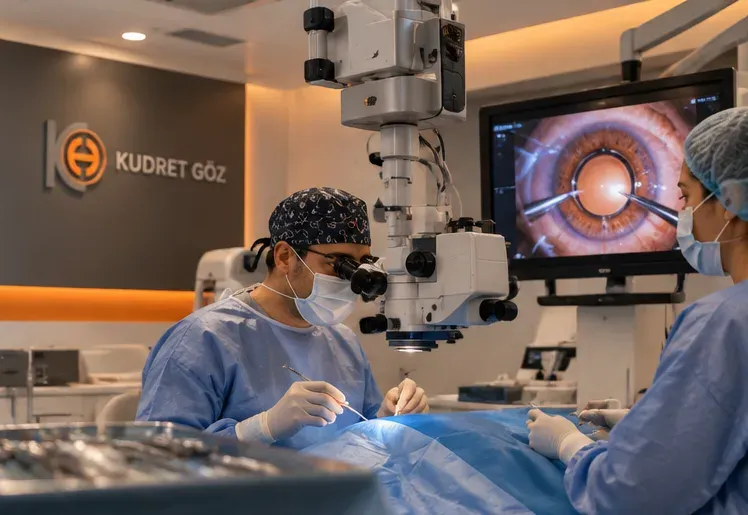
After your eye is sterilised, a small device will be inserted to keep the eyelids open. During the operation, a small incision is made in the cornea of your eye. With the phaco device, your existing lens is removed and replaced with a transparent lens that will save you from your glasses. No stitches are placed in your eye except in special cases. The operation takes approximately 15-20 minutes per eye.
How will I feel after the operation?
After the operation, you will be taken to your room for rest. There is no harm in going home after a few hours of rest. Your eye will remain closed on the day of the operation. There may be pain and stinging sensation during the time your eye is closed, it is normal. There is no harm in taking painkillers.
You will come for a follow-up 1 day after the operation and the drops you need to use will be described to you. After the operation, redness in your eye, especially in the first days; watering, sensitivity to light may develop.
Blurred vision may continue for a few weeks, wavy vision, blurred vision may continue during the day. When you use your drops, these symptoms will disappear in the following days. Never rub your eyes by pressing, be careful not to get water or soap in your eye in the first days.
What are the Risks of Refractive Lens Replacement Surgery?
As with any eye operation, refractive lens replacement carries some risks, although serious complications are rare:
- Infection
- A rise in eye pressure
- Clouding of the capsule behind the lens (posterior capsule opacification), which can be cleared with a YAG laser
- Rarely, retinal detachment (the risk is higher in high myopia)
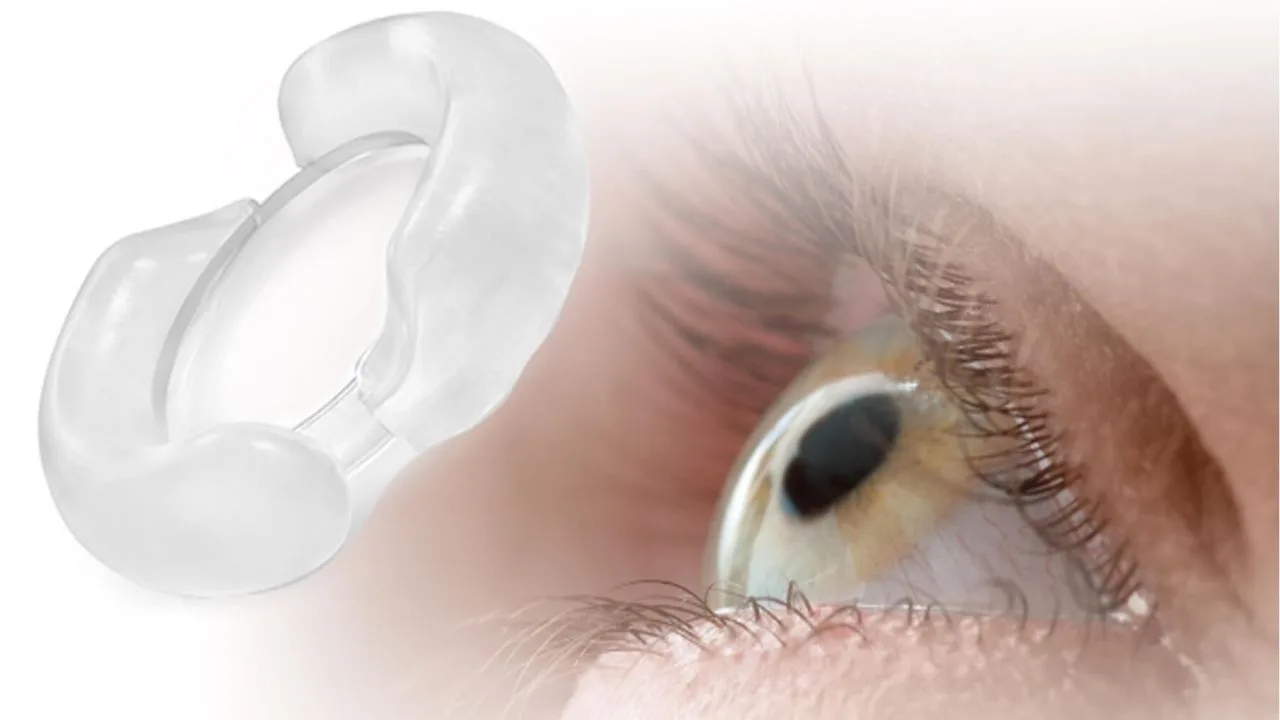
After the operation, you will get rid of being dependent on your glasses as before. Your astigmatism, myopia or hyperopia will be treated with a lens placed in the eye. The degree of the lens to be placed in the eye is determined by biometry measurement performed before the operation.
Each eye degree and structure is different from each other. If astigmatism or myopia-hypermetropia remains, there is no harm in having a second session of excimer laser treatment.
However, your doctor will inform you about this issue by evaluating the corneal thickness and map with measurements such as detailed corneal topography and pachymetry. Because your natural lens is removed, cataract cannot develop later; however, months or years later a membrane can form behind the lens, and this can be cleared with a YAG laser in 1-2 minutes. The lens placed in your eye during the operation will clarify your distance vision.
What is the price of refractive (clear) lens replacement?
Refractive (clear) lens replacement prices vary depending on the underlying cause and the lens to be used. The treatment plan that our specialist ophthalmologist will create depending on the lens replacement after a detailed examination may vary from person to person.
Read our article with the list of intraocular lens surgery 2026 prices.