What is a Cataract?
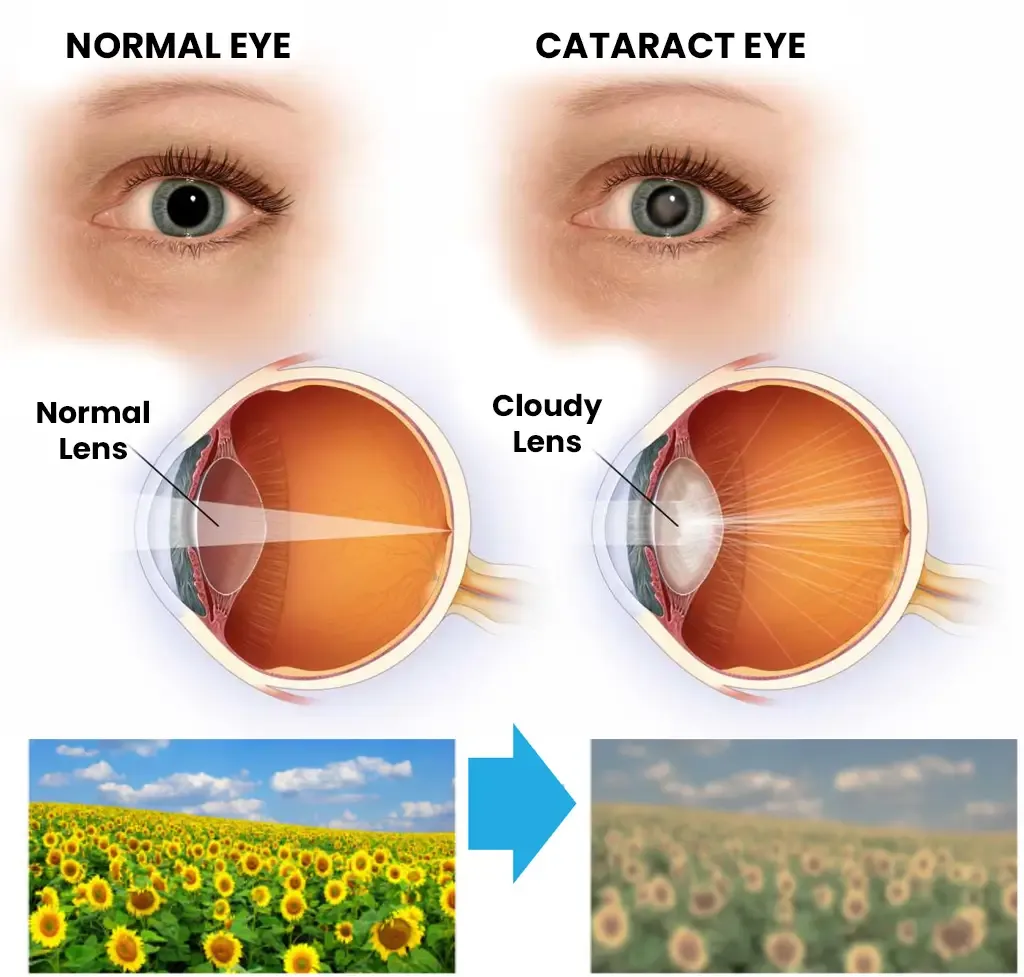
The inability of the lens, which has a transparent structure in the eye, to transmit light into the eye sufficiently for various reasons is called cataract. It is possible to mention many important causes of cataract problem. However, the most basic reason is the advancing age and the change in the protein structure of the lens in the eye. This will make it difficult to see by blurring. Cataract becomes more common after the age of 55-60.
Causes of Cataract Disease
Cataract, which is frequently seen in advanced ages, can also manifest itself at an early age. However, it should also be emphasised that some types of cataracts are congenital. Among the most common causes, it is possible to list the following:
- Exposure to intense sunlight
- Trauma
- Exposure to toxic chemicals
- Changes in body metabolism
- Some types of medicines (cortisone drugs, steroids...)
Cataract development is among the common eye diseases. However, although
cataract treatment is possible today, it is a type of discomfort that should be dealt with by specialist doctors.
Surgical intervention for cataract treatment is performed by a specialist doctor in the operating theatre environment. After sterile conditions are provided, cataract is intervened with the help of an operating microscope. The duration of the operation varies according to both the hardness of the cataract and the characteristics of the lens to be used. On average, the operation takes about 15-20 minutes per eye.
The operation is performed under topical anaesthesia, with anaesthetic eye drops; light sedation can be given if needed. Anaesthesia numbs the eye. This helps the patient not to feel any pain. However, it may be possible to feel small touches. At the same time, both pulse and blood pressure controls of the patient are monitored regularly during the operation.
The only way to cure cataract disease is surgery. Delaying the surgery causes the cataract to harden and increase the risk of complications.
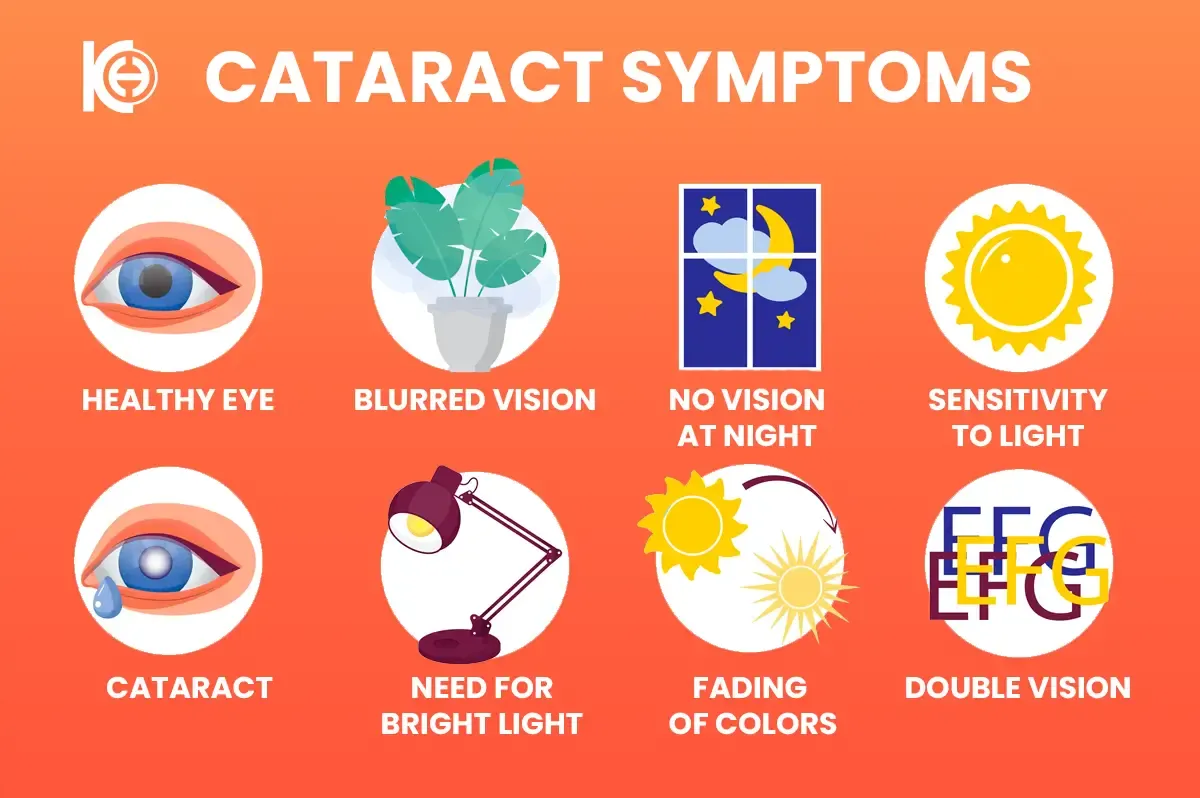
How does a person with cataract see?
A person with cataracts perceives the environment as foggy and blurred, as if there is a misty curtain in front of their eyes. Bright light sources cause intense glare, irritating the eyes and preventing clear vision. Colours appear paler or duller than in a healthy eye, a common complaint among
cataract symptoms. Eye fatigue increases during reading and work requiring fine detail, making clarity and focusing difficult. Especially at night or in dimly lit environments, activities such as driving a car become risky because the vision in eyes with cataracts is even weaker.
Methods and Lenses Used in Cataract Surgery
Cataract surgery is among the most reassuring operations. However, the fact that it is an easily applicable operation is an important factor in eliminating cataract discomfort in a short time. It is one of the diseases whose risk is minimised especially with operations that are not too late and applied in the early period.
Cataract Treatment with Phaco Method: Phaco surgery is one of the most commonly used treatment methods in cataract treatment. The most important aspect is that it is performed with mini incisions. It is a treatment applied under anaesthetic eye drops. Stitches are not used during this application. Cataract surgery is an application that requires microsurgery. In order for phaco surgery to be successful, the physician must be highly experienced in the field. It is important that the preoperative examinations are performed well and the sterilisation of the operating room to be performed is very good. In addition to these, the quality of the material to be used directly affects the success of the surgery.
Trifocal Lens: Premium intraocular trifocal lenses are intraocular lenses that help you see clearly at near, medium and far distances without glasses. While single-focal lenses make the use of close glasses necessary, trifocal lenses offer the user the chance to see in three foci. This eliminates the need for glasses. Being trifocal, it allows patients to perform far, middle and near distance activities without glasses.
Trifocal Toric Lens: Premium intraocular trifocal toric lenses are widely used in cataract treatment today. Cataract is one of the most common eye diseases. Cataract is defined as the clouding of the transparent lens in the eye and the inability to transmit light sufficiently to the eye. Cataract is one of the diseases that can occur for many different reasons today. The most important reason is the age factor. With the advancement of age, some changes occur in the protein structure of the lens. This leads to a more blurred vision problem.
Multifocal Lens: Multifocal Lenses are intraocular lenses used to treat multiple defects in the eyes. Some patients may have problems in both distance and near vision. They have to use two different types of glasses for these disorders. Some may not be able to see clearly near while seeing far. Today, multifocal lenses have been produced in order to eliminate different disorders together. Multifocal lenses are one of them.
Monofocal Lens: Monofocal Lenses are one of the types of lenses placed in the eye during cataract surgery. Cataract is a condition in which the lens, which is transparent in the eye, becomes cloudy and loses its light permeability due to a number of reasons. This problem may occur due to many reasons. Excessive exposure to the sun, eye traumas, advancing age, exposure to toxic chemicals are among the most important causes. In addition to these, intensive cortisone medications and changes in body metabolism can also cause cataract formation. The most important treatment of this problem is surgery.
Monofocal Toric Lens: Monofocal Toric Lenses are lenses with a single focal point that help to eliminate astigmatism. These lenses are used by replacing the natural lens of people with cataracts during cataract surgery. Astigmatism is a disorder that causes blurred vision due to irregular cornea or lens curvature in the eye. With these lenses, the irregular curvature is corrected and a clear vision is provided. Monofocal toric lenses provide the wearer with the focus to see only distant objects. Therefore, the patient may need to use an additional visual aid (near glasses) to see nearby objects.
Cataract Treatment with Phaco Surgery
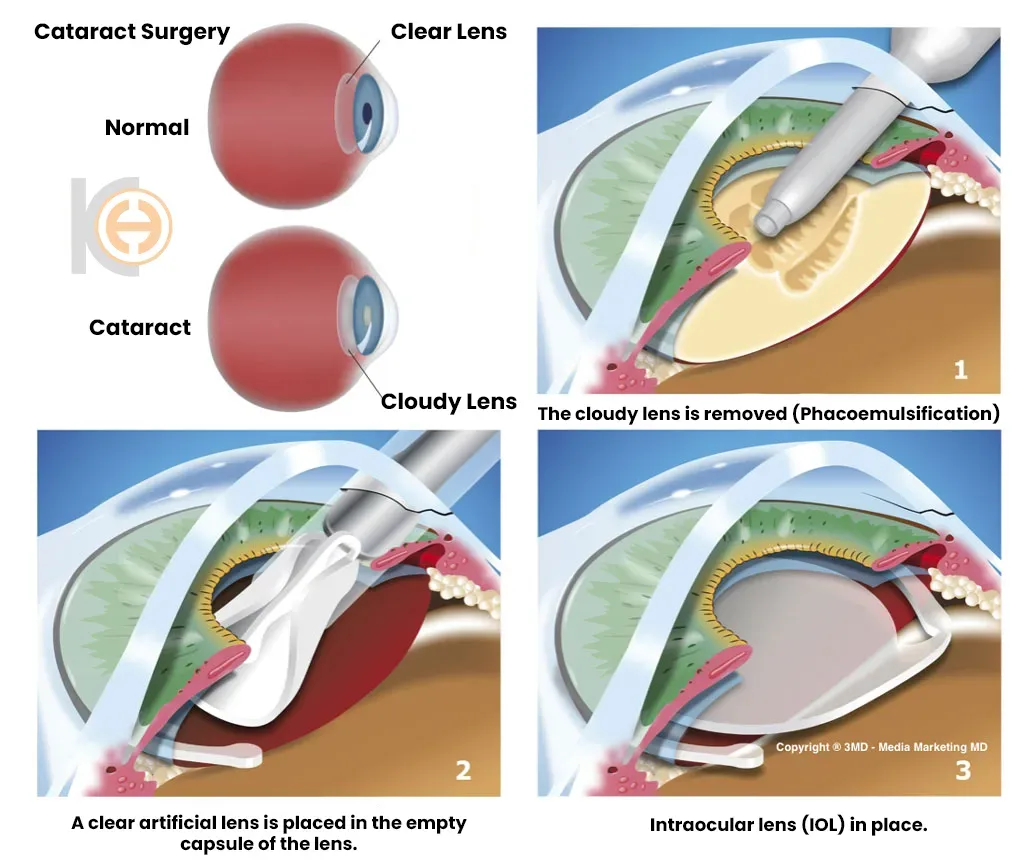
Phaco surgery is one of the most commonly used methods in the treatment of cataract. Some cataract types may have different features than the standard eye. In such cases, phaco surgery is utilised. Treatment of the disease can be realised by using additional instruments and methods.
For example, iris hooks should be used in patients whose pupil is not very enlarged. Additional tools may be required to enlarge the pupil. Therefore, it is not possible to talk about a standard application for every cataract patient. Failure to enlarge the pupil in people with diabetes is among the common conditions. In addition to these, uveitis patients who develop adhesions in the eye can be shown in the risk group.
The most important feature of phaco surgery is the use of small incisions. Phaco cataract surgery is performed under anaesthetic eye drops and no sutures are used. Since cataract surgery is an application requiring microsurgery, the experience of the physician is of great importance at this stage.
With this surgery, the lens in the eye is completely cleaned and the new lens is placed in the posterior capsule sac left in its place. Antibiotics are applied into the eye. After this process, the surgical procedure is terminated. In case of need for cataract surgery, it is extremely important to seek treatment from specialist doctors.
Differences between Cataract and Healthy Eye Lens
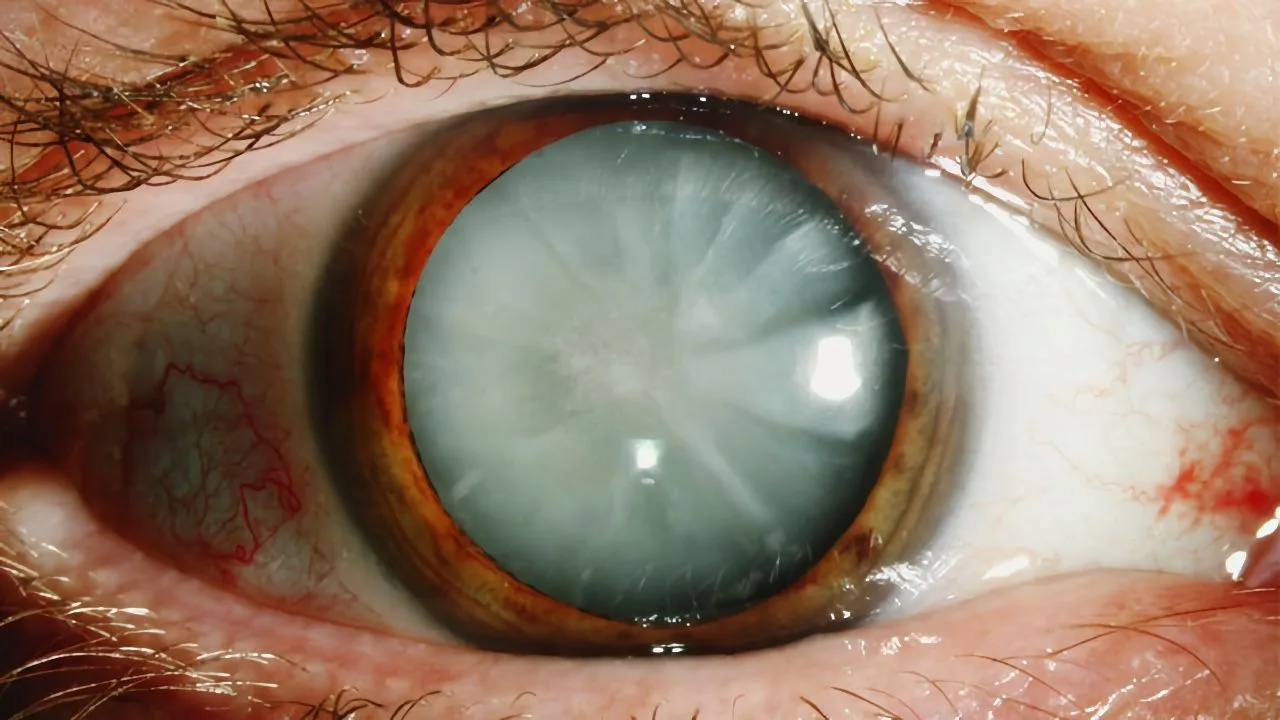
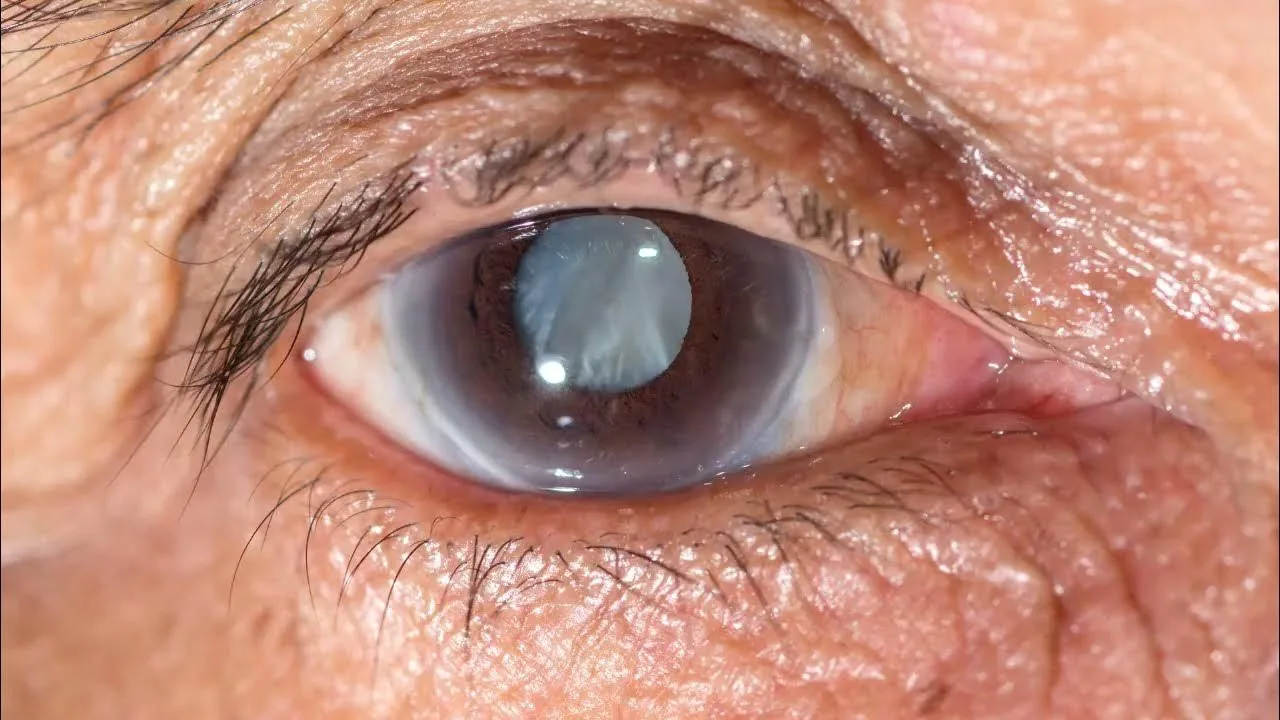
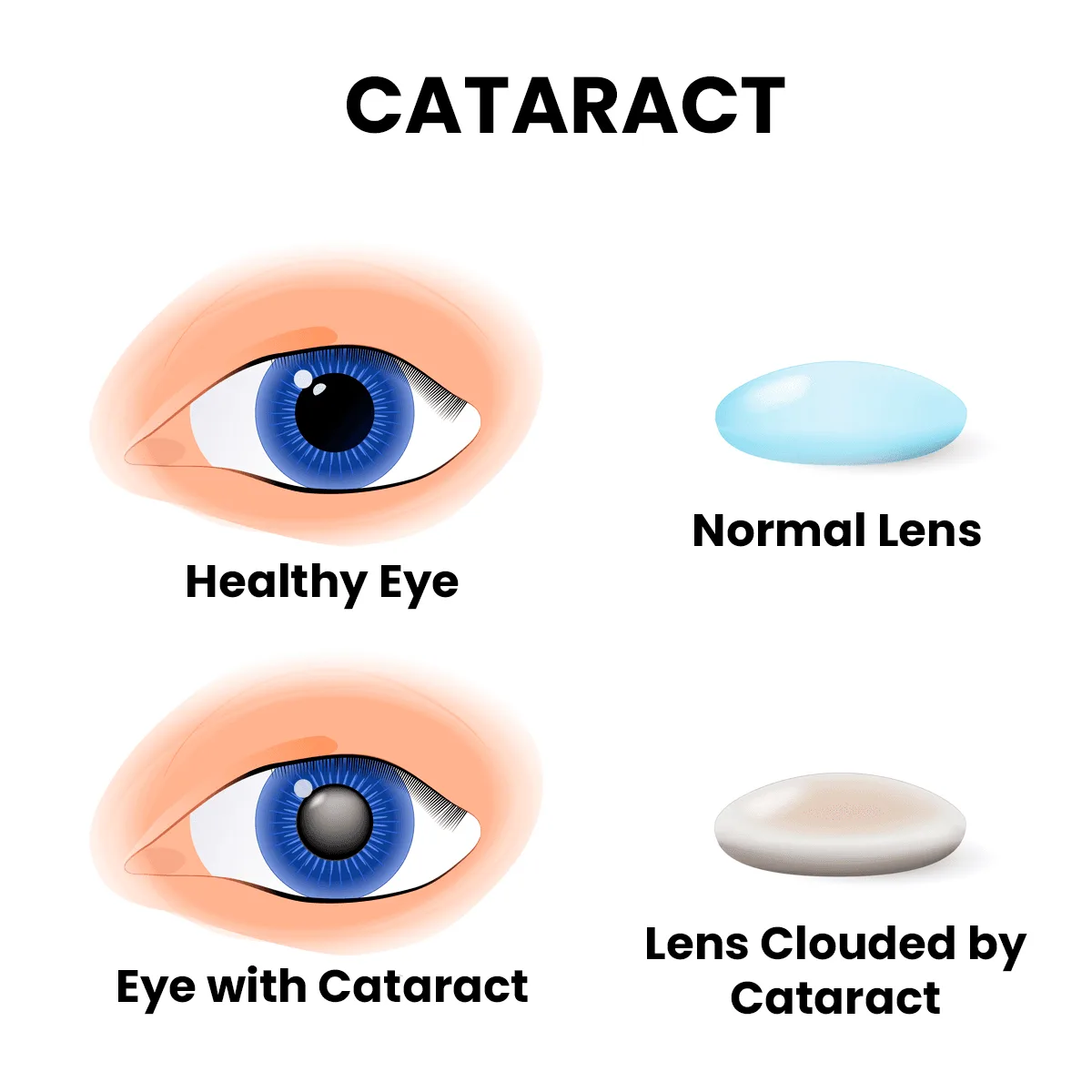
While the normal eye lens has a clear structure, the cataractous lens becomes opaque over time and prevents light from reaching the retina clearly. This creates a smokescreen effect in vision, making it difficult to perceive colour and to make out details. Many people diagnosed with cataracts experience glare, especially when exposed to bright light, and have difficulty in night vision. With early diagnosis and correct treatment methods, it is possible to eliminate this blurring that negatively affects the quality of life and restore clear vision.
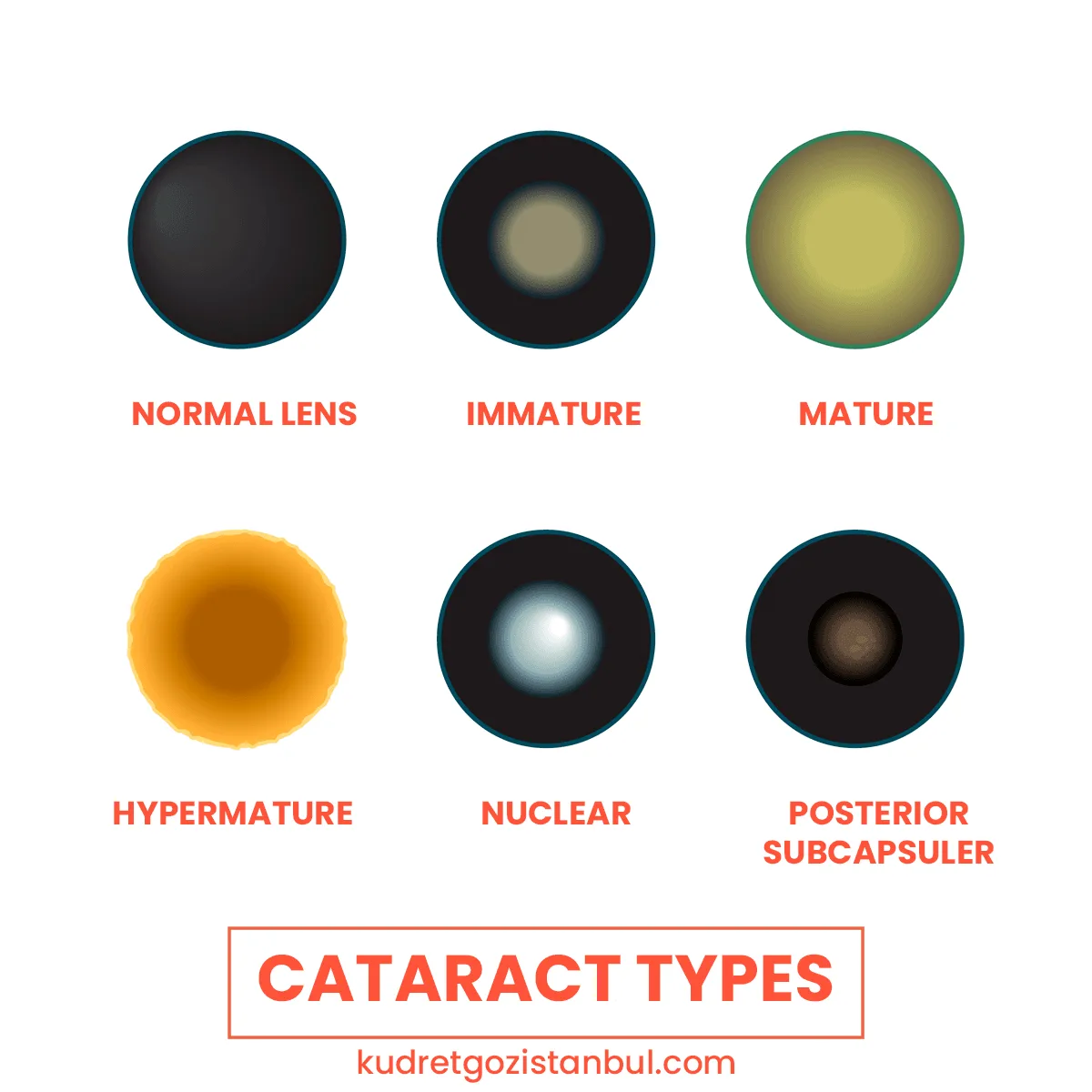
What are Cataract Types?
Cataract is an eye condition that occurs when the quality of vision deteriorates as a result of the loss of transparency of the lens of the eye. The most common types of cataract include nuclear sclerotic, cortical and posterior subcapsular cataract. Nuclear sclerotic cataract develops mostly due to age and causes hardening in the centre of the lens. Cortical cataract is characterised by areas of opacification extending from the outer edges of the lens towards the inner part. Posterior subcapsular cataract forms small but rapidly progressive foci of clouding at the back of the lens and can often occur at a young age. No eye drop can stop or reverse cataract; the only treatment is surgery, and with timely diagnosis and surgery the quality of vision can be restored.
Can Cataract Occur Again After Cataract Surgery?
Cataract does not come back: during the operation the clouded natural lens is removed and a new lens is placed inside the capsule (a thin membrane). However, months or years later a membrane can form behind the lens (posterior capsule opacification). This membrane can be cleared with a YAG laser in 1-2 minutes, and vision becomes clear again.
Post Cataract Surgery Process Level of Vision
After cataract treatment, if the patient does not have a different eye disease, the degree of vision of the eye will increase. The distance of clear vision also varies according to the type of lens recommended by the doctor and selected by the patient. Monofocal lenses are preferred for clear vision at long distances. However, if clear vision is desired at medium and close distances as well as long distances, trifocal multifocal lenses are preferred.
Are Drops Used After Cataract Surgery?
After the surgery, the patient has to use the drops given by the doctor. After surgery the eye is covered with a bandage, which is removed the next morning, when the surgeon examines the eye again. However, drops are used after the doctor deems appropriate. It is sufficient to use the drops during the time the patient is awake. If more than one drop is prescribed by the doctor, each of them should be used at 5 minute intervals. The eye should not be touched by hand while instilling the drops. Contact with water should be avoided. In addition, if excess drops run onto your cheek, you can remove them with a gentle movement. However, you should avoid rubbing the eye.
Things to Consider After Cataract Surgery
The conditions that the patient should pay attention to and avoid after cataract treatment are as follows:
- When showering after the operation, avoid getting water in the eye.
- It is important that the person should not take his/her hand to the eye and rub the eye.
- As recommended by the doctor, do not touch water to your eyes for 3 days.
- Unless otherwise stated by the doctor on the day after the operation, it is necessary to make sure that the eyes are closed while washing the face and taking a shower for 2 weeks.
- For 2 weeks, it is important to avoid eye make-up.
- It is necessary to avoid getting a blow to the eye while doing sports.
In addition, swimming sports and places where evaporation is intense, such as baths, should be avoided for a month.
Risks and Possible Side Effects
Intraocular lens and cataract surgery are among the most commonly performed operations in the world, with a very high success rate. As with any surgical procedure there are some risks, but they are unlikely, and most can be treated if they do occur. Regular check-ups help to spot any problem early.
- Infection: very rare; antibiotic drops used before and after surgery keep this risk to a minimum.
- A temporary rise in eye pressure: usually in the first few days, and easily controlled with drops.
- Posterior capsule opacification: months or years later vision may become slightly cloudy; this is cleared with a quick, painless YAG laser treatment lasting 1-2 minutes.
- Temporary dryness, grittiness or redness: may occur in the first weeks and settles with drops.
- Retinal detachment: very rare; if you notice sudden flashes, new floaters or a shadow across your vision, contacting us straight away allows early treatment.
Cataract Treatment Prices 2026
Cataract treatment costs can vary from person to person and one of the most important factors in determining these costs is the surgical technique and lens to be used. Generally, cataract surgery costs vary depending on the features of the patient's preferred multifocal lens. Your ophthalmologist will help you choose the multifocal lens that best suits your profession and lifestyle. Therefore, cataract surgery costs may vary according to the characteristics of the selected lens.
The above information is for informational purposes. If you have any medical concerns or questions, please make an appointment with our ophthalmologists.Read our article with the list of intraocular lens surgery 2026 prices.