What is an Intraocular Lens?
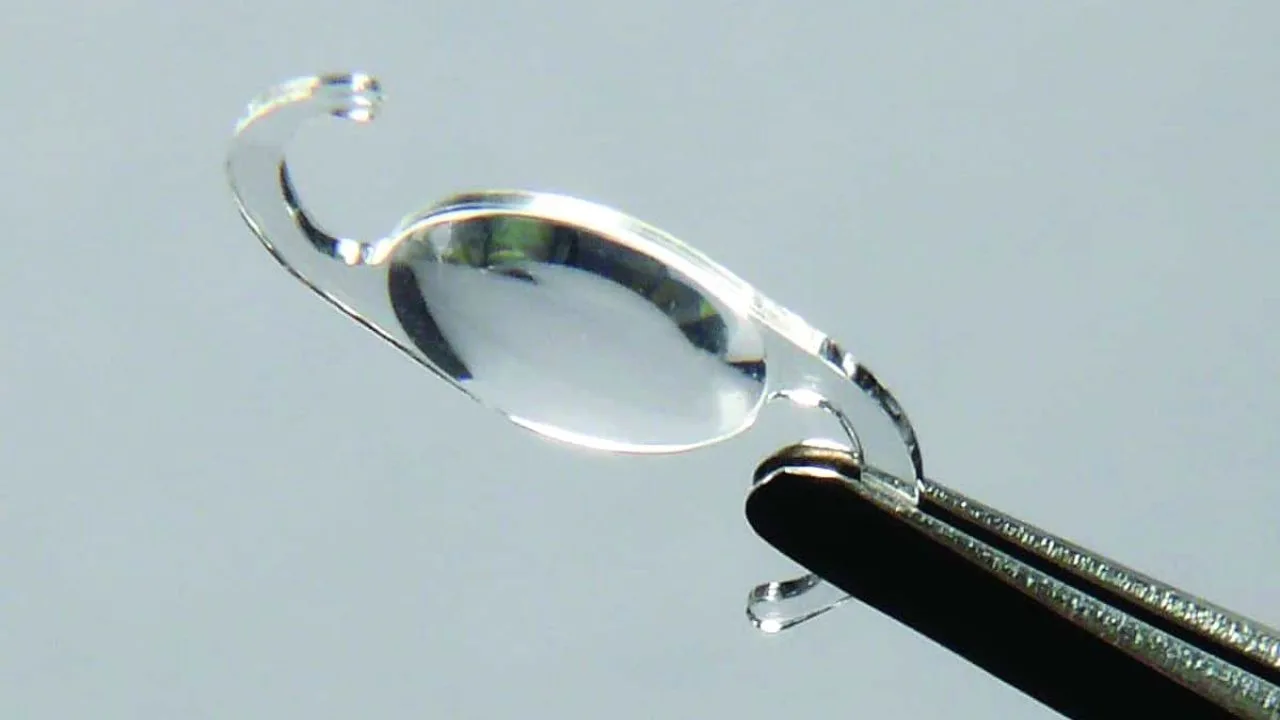
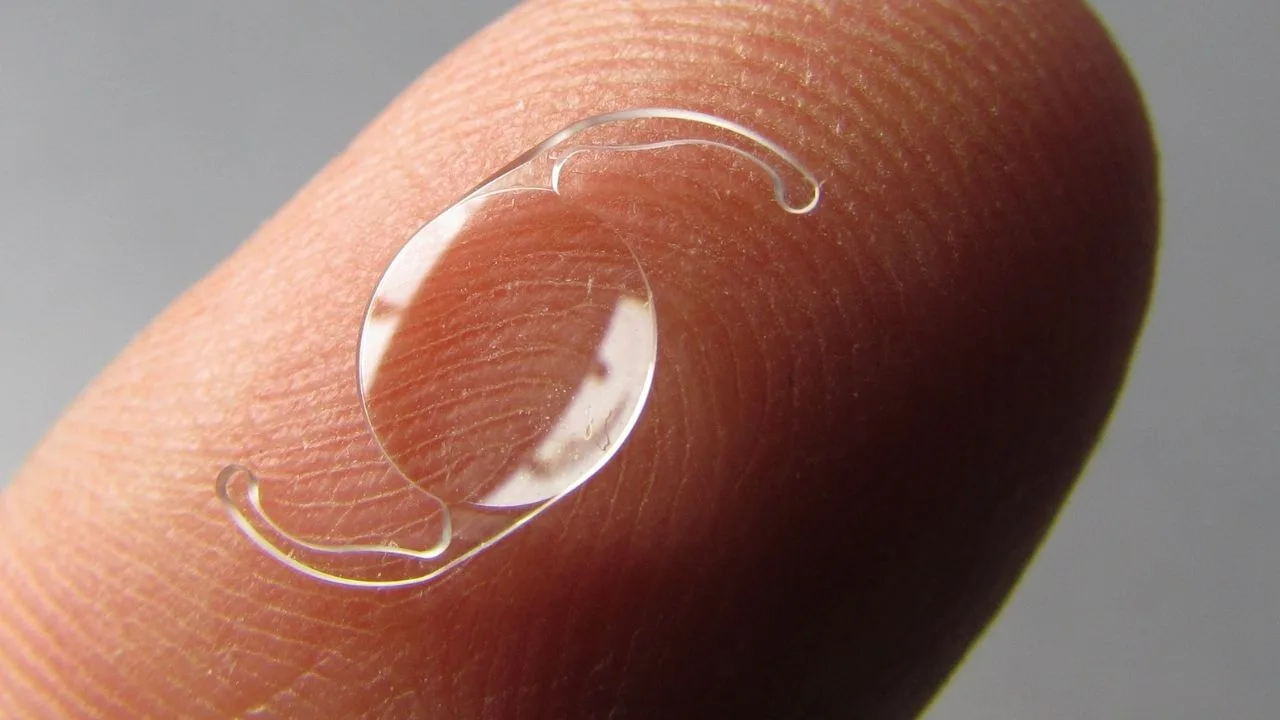
Intraocular lenses are special lenses that offer simultaneous solutions for different visual impairments such as myopia, hyperopia and astigmatism, as well as cataract treatment. Multifocal intraocular lenses include trifocal lenses, which provide clear vision at three distances: near, intermediate and far.
What are the Differences Between Intraocular Lenses?
The visual needs, lifestyle and eye health of the person should be evaluated together when choosing intraocular lenses. Trifocal Lens minimises the need for glasses by providing clear vision at near, medium and far distances. Extended Depth of Focus Lens, on the other hand, offers a comfortable vision especially at far and medium distances, but there may be a need for glasses at close range. While toric lenses improve distance vision in patients with astigmatism, additional support may be needed at medium and near distances. Monofocal lenses, on the other hand, provide clarity at distance in people without astigmatism, while glasses may be required for near and middle distance vision. It is important to remember that each lens type has different advantages and limitations. For this reason, it is recommended to have an eye examination and expert advice to determine which lens type is more suitable. 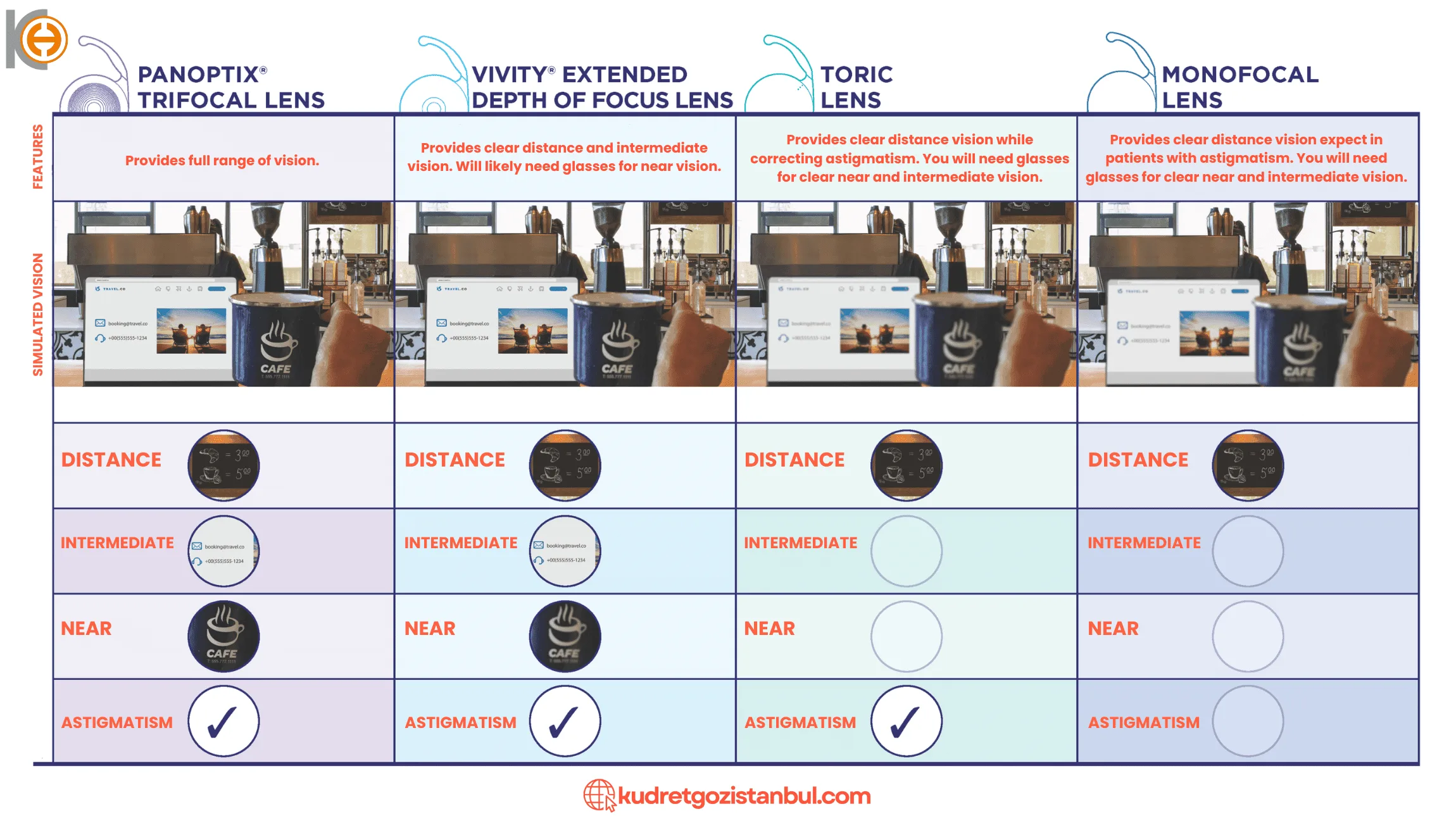
Intraocular Lens Types
Intraocular Trifocal Lens
Intraocular trifocal lenses are high-tech lenses that can provide clear vision without glasses at near, medium and far distances. Unlike traditional single-focal lenses, trifocal structures minimise the need for glasses at different distance transitions in daily life. Thus, a comfortable vision is achieved in activities that require different focus, such as reading, using a computer or driving.
Intraocular Trifocal Toric Lens
Trifocal toric lenses, which provide an effective solution in the treatment of cataract and astigmatism, are one of the advanced lens types that are frequently preferred in cataract surgeries and aim to correct astigmatism at the same time. Cataract occurs as a result of blurring of the natural lens of the eye due to aging and insufficient transmission of light to the retina. Over time, the quality of vision decreases as the structure of the proteins in the lens deteriorates. Trifocal toric lens both removes cataract and contributes to clear vision at different distance foci. Patients with astigmatism can get clearer results in both distance and near distance vision thanks to this lens.
Multifocal Lens
Multifocal lenses, which offer a solution to multiple visual defects with a single lens, are intraocular lenses that can correct multiple focal defects at the same time. Some patients may have to wear double glasses (near and far) because they cannot see both far and near clearly. Multifocal lenses solve this problem to a great extent with their structure with different focal points. Thus, patients can provide comfortable vision without the need to change glasses in daily life.
Monofocal Lens
Monofocal lenses, which are the main treatment option, are intraocular lenses with a single focal point that are frequently used in cataract surgeries. Cataract occurs when the lens of the eye loses its transparency and transmits light inadequately. Factors such as advancing age, exposure to intense sunlight, eye trauma, toxic substances or long-term use of cortisone medication can accelerate cataract formation. While monofocal lenses eliminate cataracts, they usually correct the far or near focus option. Patients may need glasses for other distances after surgery.
Monofocal Toric Lens
Offering a single-focal solution for astigmatism, monofocal toric lenses are single-focal lenses designed to correct astigmatism. These lenses, which are implanted to replace the natural lens during cataract surgery, offer clearer vision by compensating for irregular corneal or lens curvature in the eye. However, since monofocal toric lenses provide only distance-focussed vision, an additional pair of glasses may often be necessary for close-range activities.
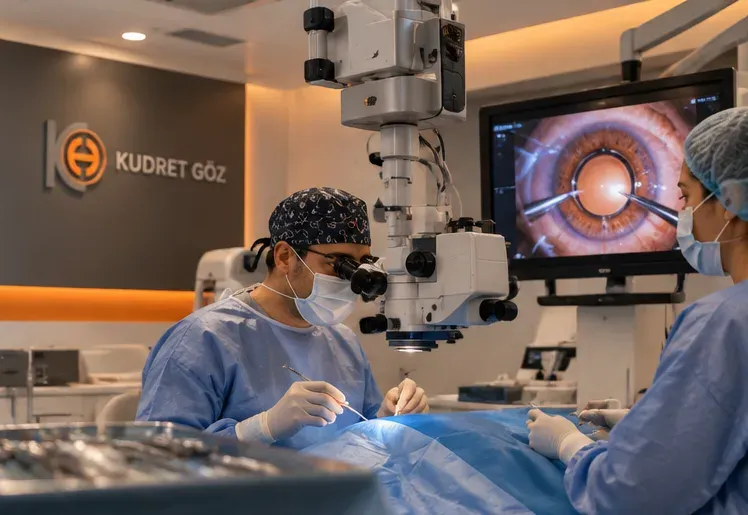
Intraocular lens (IOL) surgery is a procedure performed to correct myopia, hyperopia, astigmatism or cataracts, usually lasting 15-20 minutes per eye and performed by numbing the eye with topical drops. Firstly, an incision of 2.2 millimetres is made in the cornea, then the eye's own lens is removed and the intraocular lens is placed in the capsular bag through this incision. 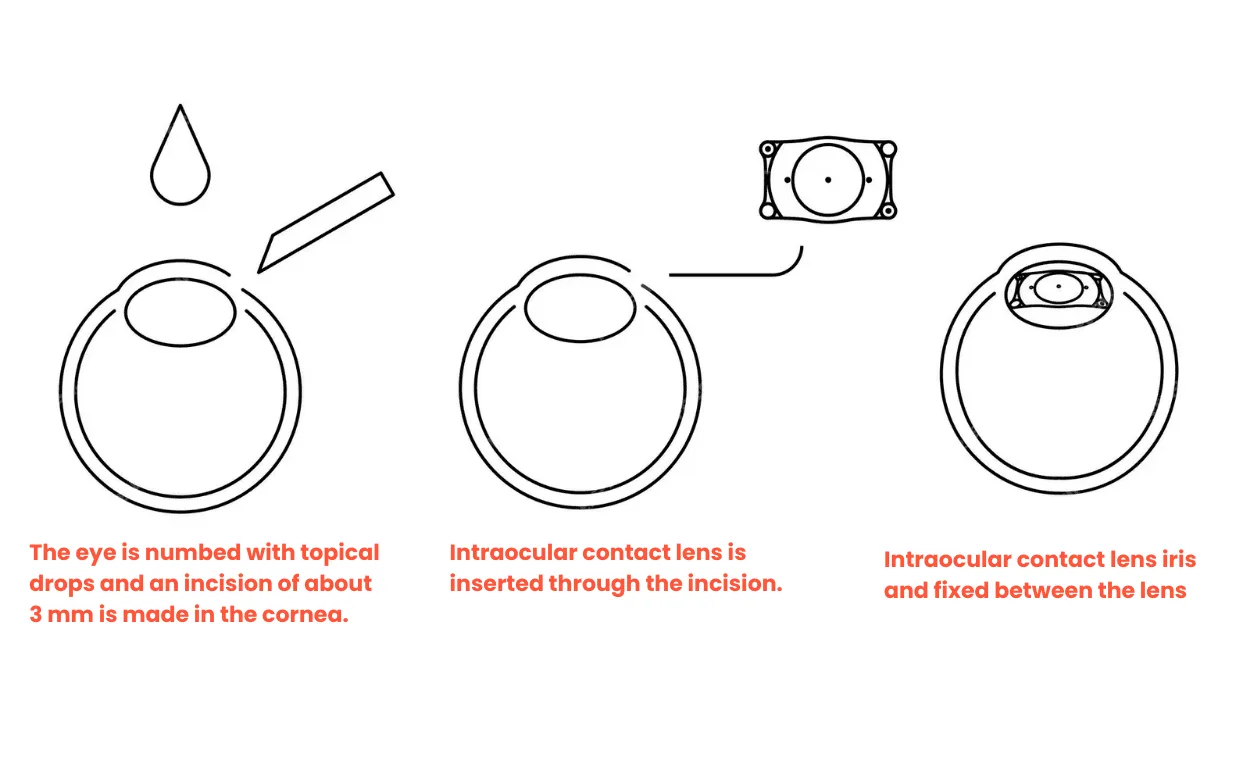
Intended Use and Advantages of Intraocular Lenses
Intraocular lenses minimise the need for glasses or contact lenses, while at the same time correcting visual impairments and providing a better quality and comfortable vision. It is an effective solution for far and near focus problems as well as vision loss due to cataracts. While being able to see clearly directly affects both the social and business life of the person; sometimes it also contributes positively to the mental aspect. Especially for people who are not suitable for laser surgery or who are uncomfortable using glasses-lenses, intraocular lenses stand out as an ideal treatment alternative.
- Eliminating Symptoms of Myopia and Hyperopia It supports the elimination of complaints such as blurred vision, eye fatigue and headache caused by hyperopia.
- Supporting Cataract Treatment It improves the quality of life by providing clear vision in cataract patients.
- Reducing Age-Related Visual Impairments (Presbyopia) It helps to eliminate visual defects that occur with advancing age.
- Improving Overall Vision Quality Provides a more comfortable and effective vision by eliminating clarity problems at different distances.
Intraocular lenses are technological lenses that can be customised according to needs and expectations. Thus, it facilitates daily life and increases the standard of living by offering the most suitable solution for personal visual defects.
Risks and Possible Side Effects
Intraocular lens and cataract surgery are among the most commonly performed operations in the world, with a very high success rate. As with any surgical procedure there are some risks, but they are unlikely, and most can be treated if they do occur. Regular check-ups help to spot any problem early.
- Infection: very rare; antibiotic drops used before and after surgery keep this risk to a minimum.
- A temporary rise in eye pressure: usually in the first few days, and easily controlled with drops.
- Posterior capsule opacification: months or years later vision may become slightly cloudy; this is cleared with a quick, painless YAG laser treatment lasting 1-2 minutes.
- Halos and glare at night: may be noticeable in the first weeks, and usually fade considerably as the brain adapts to the new lens.
- Retinal detachment: very rare; if you notice sudden flashes, new floaters or a shadow across your vision, contacting us straight away allows early treatment.
Intraocular Lens (IOL) Prices 2026 in Turkey
Intraocular lens treatment prices vary depending on the underlying cause and the lens to be used. The treatment plan that our specialist ophthalmologist will create depending on the lens after a detailed examination may vary from person to person.
Read our article with the list of intraocular lens (IOL) surgery 2026 prices.




 Türkçe
 English
 Deutsch
 Nederlands
 Italiano
 Español
 Français
 Български
 Română