





İçeriğe geç
Kudret Eye Istanbul

Which Lenses Do People with Hyperopia Use?

Which Lenses Do People with Hyperopia Use?
Eye Diseases

Which Lenses Do People with Hyperopia Use?

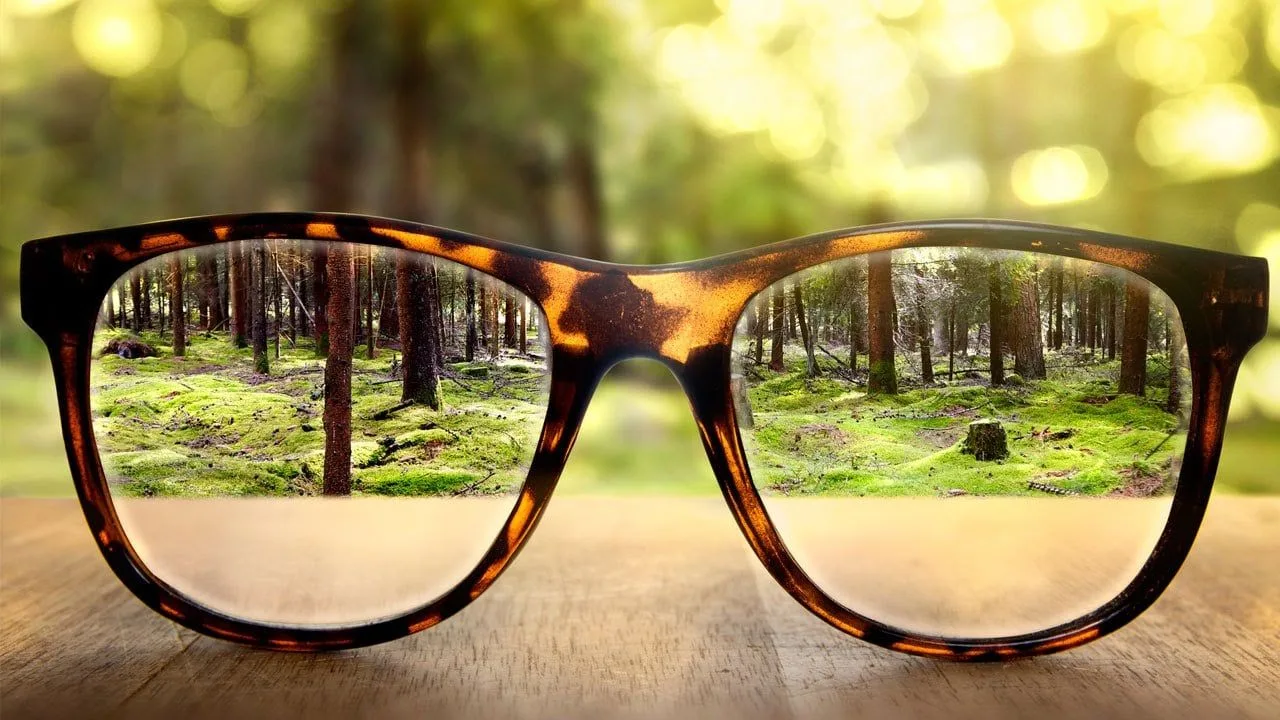
The question of which lenses people with hyperopia use is generally asked by those with the condition. A person with hyperopia has difficulty seeing at near. It is very often confused with presbyopia, which generally appears after the age of forty, while hyperopia generally appears in childhood or adulthood. In hyperopia the great majority of patients are treated with glasses. The lens used in those glasses is a convex lens, which corrects the focal point. Convex lenses allow light to focus on the retina and increase the refractive power of the eye. Alongside spectacle lenses, it is also possible to remove this refractive error with contact lenses that have the same optical properties. Whether spectacle lenses or contact lenses are used varies with the degree of the condition and with the specialist's opinion. Lenses for hyperopia
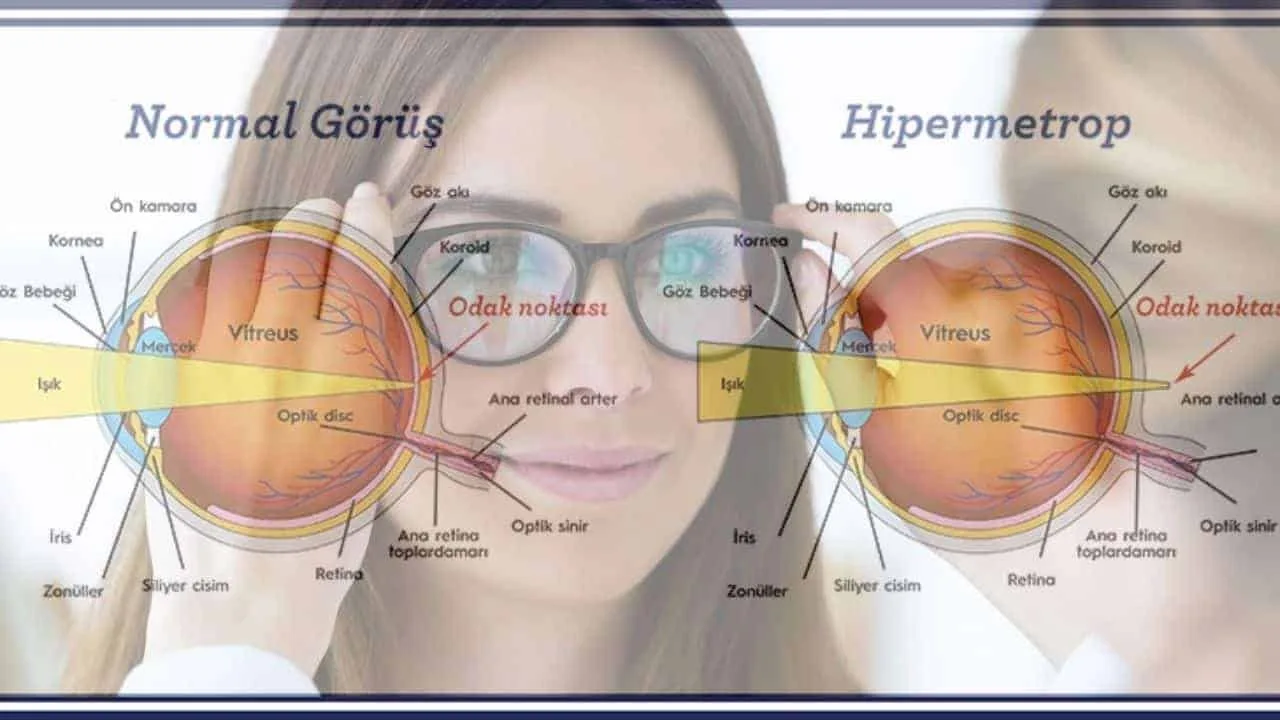
What is Hyperopia?

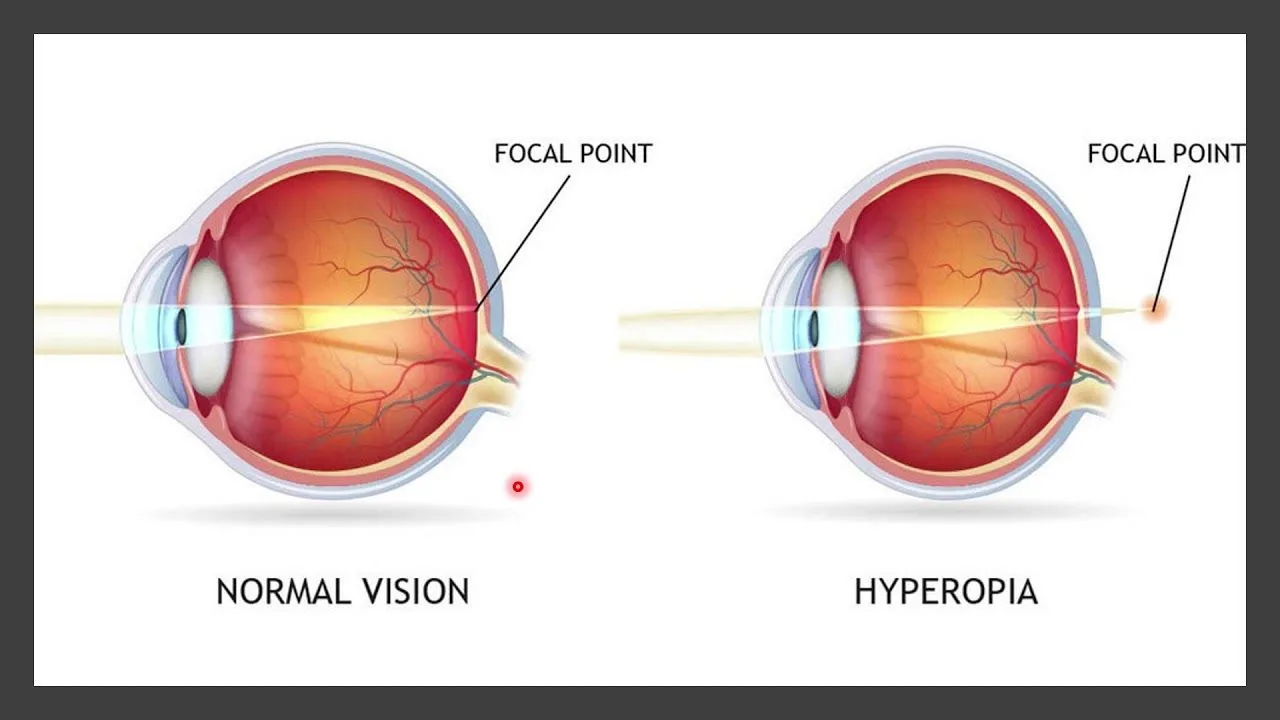
Hyperopia is a situation in which the light refracted by the cornea and the lens comes to a focus behind the retina, so that near vision in particular is not sharp. A form of eye condition, hyperopia largely begins in childhood and continues into adulthood. In people with hyperopia the eyeball is generally smaller in appearance than it should be, not having grown to normal size. People with hyperopia, that is difficulty seeing at near, generally have difficulty reading letters or lines. They generally develop various complaints during long periods of reading, using a phone or using a computer.

What Are the Symptoms of Hyperopia?

The symptoms of hyperopia are often confused with those of myopia. However, people with mild hyperopia can generally see distant objects clearly; as the degree increases, distance vision also becomes blurred. Unlike people with myopia, people with hyperopia have difficulty seeing nearby objects, or cannot see them clearly. The signs that indicate hyperopia are:
  • Seeing nearby objects as blurred
  • Squinting involuntarily in order to see objects clearly
  • Burning or redness forming in the eyes
  • Frequent eye strain
  • Pain forming in the head and eyes after long periods on a phone, a computer or reading
  • Difficulty focusing
  • Meeting blurring in night vision
Complaints growing heavier and continuing to increase generally means the degree of hyperopia is rising. In some people, however, the symptoms above do not form, and the condition generally emerges at an eye examination attended by chance. In people with a high degree of hyperopia, more than one troubling symptom is unavoidable.

What Causes Hyperopia?

Many people diagnosed after an examination look into what causes hyperopia. Hyperopia is a situation in which the light refracted by the cornea and the lens comes to a focus behind the retina. Alongside genetic factors, it is possible to meet a blurred image where the light refracted by the lens focuses behind the retina. Hyperopia can also form where the cornea is flat, because the cornea has to be curved in order to send light to the retina. Causes of hyperopia

How is Hyperopia Diagnosed?

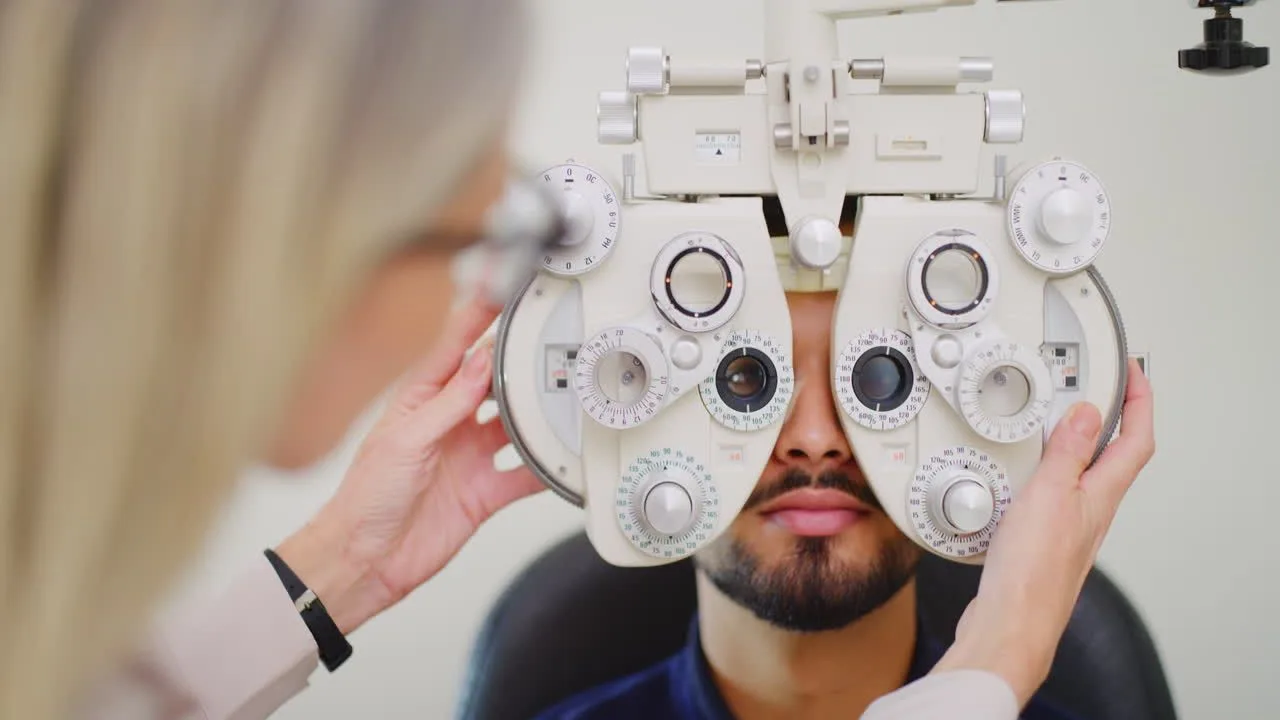
Hyperopia is diagnosed generally through examinations, symptoms and clinical findings. At the first stage of diagnosis the ophthalmologist measures vision. The patient's hyperopia values are measured with devices called refractors, and a prescription is written according to the values that emerge. The clinical signs are:
  • Reduced sharpness while seeing the object the doctor indicates
  • An eyeball smaller than in other people
  • Flatness seen in the cornea during examination

How is Hyperopia Treated?

Hyperopia can be treated with various methods. During the course of treatment the following can be used: People with hyperopia generally have smaller eyes than the basic eye structure, which makes it harder for the image to focus on the retina. With convex (plus) spectacle lenses, which are thicker in the centre, focusing takes place as it should. Laser correction is successful in low and moderate hyperopia. Wearing lenses is among the methods chosen most commonly by people who would rather not wear glasses. At high degrees of hyperopia, however, the prescription may partly return after a time.

What People with Hyperopia Should Observe in Daily Life

People with hyperopia can ease the symptoms it causes by paying attention to certain activities in daily life. The most important point is not to carry out activities requiring near vision for long periods. Resting the eyes protects them and helps to improve the patient's quality of life. Another point for people with hyperopia is that during activities requiring near vision, the eyes should be rested by looking into the distance every twenty minutes. Long periods watching television, reading or using a phone should be avoided. Where screen use is unavoidable, breaks should always be taken. During activities such as reading or writing, patients should always ensure enough light in the area for clear vision. They should also continue their activity wearing the glasses or lenses their doctor recommends. The eyes are rested this way and quality of life improves. Alongside these points, regular check-ups with a doctor matter a great deal in raising the standard of daily life. Through regular check-ups the course of the condition is followed closely, so that changing glasses, additional treatment or a different approach to wearing lenses all remain under the doctor's supervision. What Causes Cataract at a Young Age?

Related posts

Which Tests Are Done in an Eye Examination?

Which Tests Are Done in an Eye Examination?

Most people think an eye examination is simply a procedure for finding out their prescription. It is far more comprehensive than that, and many conditions affecting the eyes can lead to permanent sight loss if they are not noticed early.

Which is the Best Eye Hospital in Turkey?

Which is the Best Eye Hospital in Turkey?

Where health is the subject, people want to receive the most trustworthy and highest quality care. The question of which the best eye hospital in Turkey is therefore falls among the subjects researched most often.

How Do People with Astigmatism See?

How Do People with Astigmatism See?

Astigmatism is a refractive error that makes the objects and people around a person appear blurred. The cause is that the cornea at the front of the eye is not perfectly round, so light entering the eye is refracted unevenly.

How Do People with Myopia See?

How Do People with Myopia See?

People with myopia see nearby objects clearly, while distant objects appear blurred or fail to come into focus. Myopia and hyperopia are the eye conditions most often confused with one another.

FREE CONSULTATION

Your appointment request has been received successfully.

We will be in touch with you as soon as possible.

If your details are not correct, please send a new request.

Your cookie choice

Essential cookies are always on. With your permission we also use Google and Meta cookies for measurement and ads.Cookies needed for the site to work are always on. With your permission we also use Google and Meta cookies to measure visits and show you relevant ads. You can change your choice at any time with the "Cookie settings" link at the bottom of the page.Detailed Information

Suitability test

Which treatment suits me?

A few short questions to show you which treatments would be discussed at your examination. At the end we will call you for a free consultation.

Book a Free Consultation

FREE CONSULTATION

Site search

Can't find what you're looking for?

We are just a phone call away.