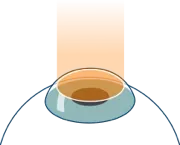



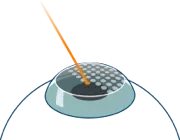
iLasik
550 £Per Eye
Femto Lasik (iDesign)
- Accommodation3 Nights
- Included
- 3 Meals a Day
- Included
- Airport TransfersRound-Trip
- Included
- Doctor Examination
- Included
- All Eye Tests
- Included
- Lasik Laser Surgery
- Included
- Surgery Control
- Included
- Pay On-Site

Laser reshapes the front surface of your eye so that it focuses on its own, and glasses stop being part of your morning. Which laser suits you, iLASIK, PRK or ReLEx SMILE PRO, is decided by the thickness and shape of your cornea, not by what you would prefer. The measurements that settle it are done here on the morning before surgery, and they are included in the price.
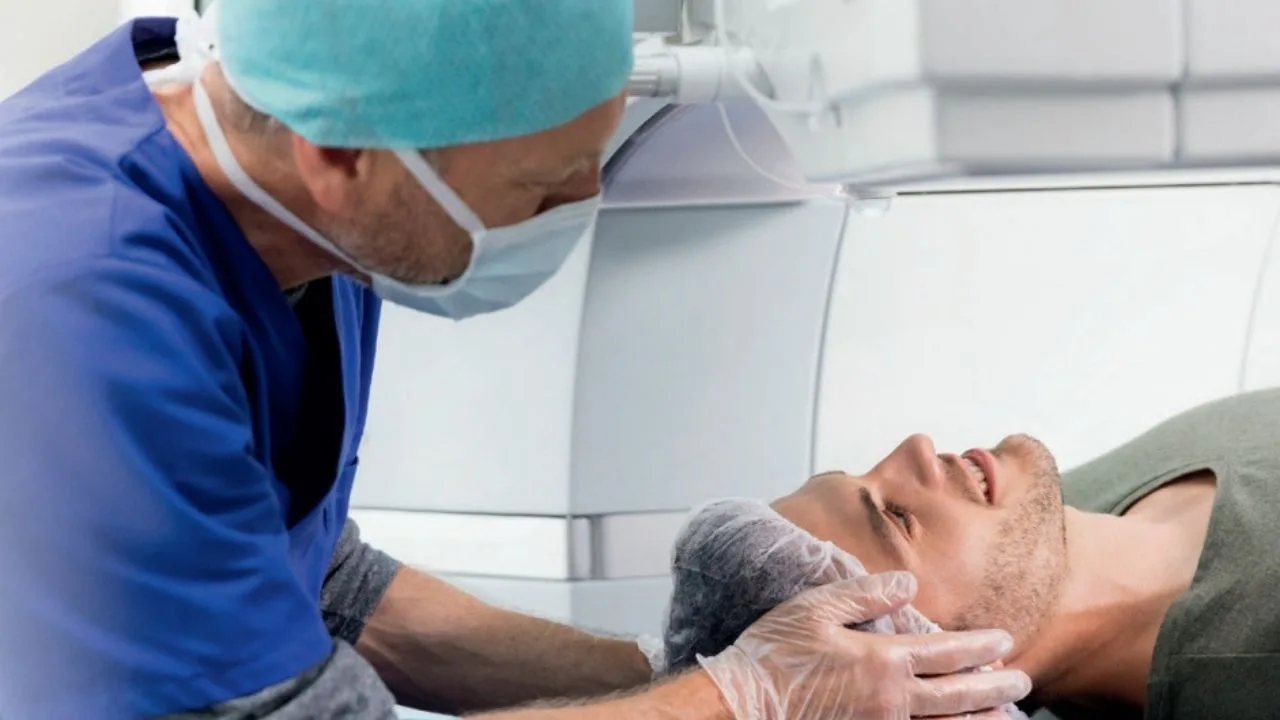
iDesign · iLASIK
LASER OPERATION
Custom-mapped to your unique eye
£550per eye
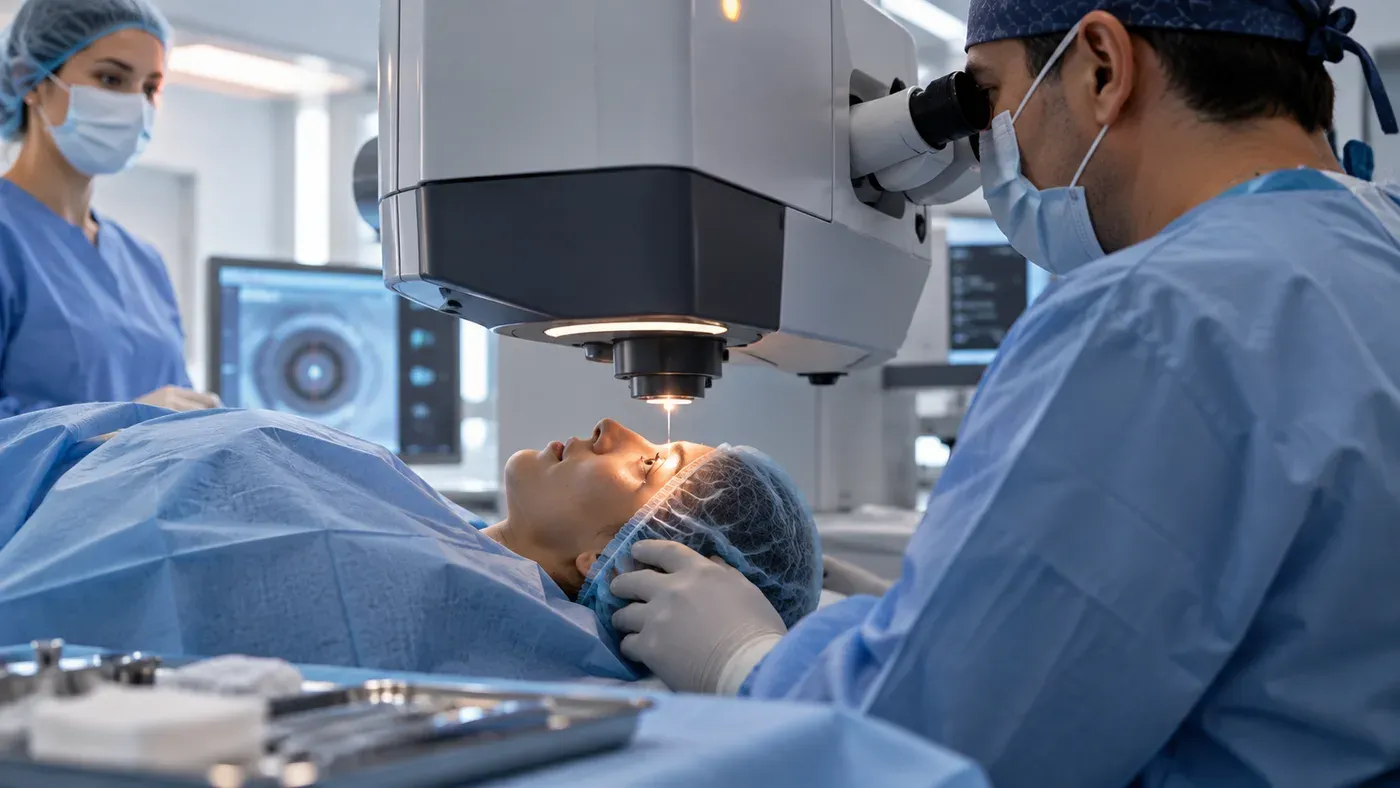
ZEISS ReLEx SMILE Pro 800
ReLEx SMILE PRO 800: A FAST, FLAP-FREE LASER
Blade-free, minimally invasive, rapid recovery
£1,990both eyes

ZEISS ReLEx SMILE Pro 800
A NEW YOU WITH UNDER 10 SECONDS OF LASER PER EYE
Return to work the next day
£1,990both eyes
You are collected from IST or SAW and you sleep at the hospital. The transfer and the room are in the price, and nothing is paid before you arrive. The following morning is measurement: corneal thickness, topography, pupil size and tear film. No method is chosen before those are read. If surgery does not go ahead, you pay only for what was actually used: the examination, the eye tests carried out, the airport transfer and the nights you actually stayed.
If your cornea is suitable, surgery is the same day and takes 5-10 minutes for both eyes under anaesthetic drops. You are checked the next morning and you can fly home after that check. Most patients stay three nights instead, which is what the accommodation in the price covers.
If the measurements rule laser out, you are told so at the examination, before anything has been paid. That happens, and the honest alternative is usually a lens procedure rather than a different laser.
There are three methods here, and what separates them is how the surgeon reaches the layer that gets reshaped.
iLASIK (Femto-LASIK). A thin flap is lifted with a femtosecond laser, the tissue underneath is reshaped, and the flap is laid back. Vision is usable by the next morning. This is what most people mean when they say laser eye surgery, and it is the one most patients here receive.
PRK and No Touch. No flap is made at all. The surface layer is removed and regrows over several days. Recovery is slower and less comfortable, but the cornea keeps its full thickness. That is what matters when the cornea is thin to begin with, or when the eye takes impact: boxing, martial arts, contact sport.
ReLEx SMILE PRO. The reshaping happens inside the cornea and the tissue leaves through an opening of two to four millimetres. No flap is cut, and dry eye afterwards is less common. It corrects myopia and astigmatism.
Your topography decides which of these is open to you. It is not a menu.
Laser reshapes the cornea and leaves the lens inside your eye alone. It corrects distance and leaves reading to the lens you already have, which is the right trade while that lens is still flexible: roughly up to the age of forty to forty-five.
After that the lens stiffens on its own. Reading glasses arrive whatever the cornea does, and a cataract is somewhere ahead of you. We therefore offer laser up to the age of forty-five, and suggest a lens procedure from forty onwards, because it settles distance, reading and the future cataract in one operation. Between forty and forty-five both options are on the table.
This is guidance, not a rule. Your measurements decide, and there are patients on both sides of forty for whom the other choice is right.
There is a second reason to be careful past forty. If you are short-sighted, you can still read today by taking your glasses off: that is a reserve your eye gives you for free. Laser corrects the distance and spends that reserve. Near vision then fades faster than it would have, and reading glasses arrive sooner, sometimes within months rather than years. For some patients over forty this is the deciding argument, and we would rather say it before surgery than after.
Suitability test
A few short questions to show you which treatments would be discussed at your examination. At the end we will call you for a free consultation.
550 £Per Eye
550 £Per Eye
995 £Per Eye
ReLEx SMILE PRO
iLASIK (Femto-LASIK)
LASEK / PRK (No Touch)
The chart is a general guide; which method is possible is decided at your examination.
Laser eye surgery
Prices are per the treatment package shown. Our package prices do not change with your prescription; the same price applies whether or not you have astigmatism.
Turkey combines experienced surgeons and modern technology with prices that are considerably lower than in the UK and much of Europe. High patient volumes mean surgical teams gain extensive experience, and the lenses and laser systems used are the same internationally approved products used in European clinics.
Our hospital is in Acıbadem, Kadıköy, on the Asian side of Istanbul. We collect patients from both Istanbul Airport (IST) and Sabiha Gökçen Airport (SAW).
Your surgery is performed by one of our senior ophthalmic surgeons. Op. Dr. Nail Sönmez, our Chief Surgeon, has 32 years of experience and more than 53,000 cases. Op. Dr. Mehmet Ali Özdil, our lead lens surgeon, has 28 years of experience and more than 38,000 operations.
We offer laser vision correction (iLASIK, ReLEx SMILE PRO and PRK), ICL implantable lenses, lens replacement with trifocal, EDOF, toric and monofocal lenses, Cross-Linking for keratoconus, and eyelid surgery.
A trifocal lens is an artificial lens with three focal points: distance, intermediate (the range of a computer screen or car dashboard) and near for reading. It replaces the eye's natural lens and stays in place permanently. Most patients become largely independent of glasses, and because the natural lens is removed, a cataract cannot develop later.
Trifocal lenses give the widest range of vision, including close reading. EDOF lenses give excellent distance and intermediate vision with fewer halos at night, so they are often preferred by people who drive a lot in the dark. Monofocal lenses focus at one distance only, so reading glasses are usually still needed. Toric is not a separate lens type but a version of these lenses that also corrects astigmatism.
Yes. When the natural lens is still clear, the same operation is called Refractive Lens Exchange (RLE). The surgical technique is identical; only the reason for it differs. It is not the right solution for everyone who wants to stop wearing glasses, so your age and eye structure are carefully assessed first.
There is no strict upper age limit; eye health matters more than age. Lens replacement is usually most suitable from the mid-40s onwards, when near vision starts to decline. For younger patients, whose natural lens still focuses well, laser treatment or ICL is usually the better option.
Eyes with conditions that already limit image quality, such as certain retinal diseases or an irregular cornea, are usually not suited to a trifocal lens. A multifocal lens divides incoming light between several focal points, so an eye that is already losing image quality has less to divide. In these cases, the doctor will recommend a safer alternative.
An implanted lens is designed to last a lifetime and is only exchanged if there is a medical reason. This is why the choice made before surgery matters, why our assessment is so detailed, and why we will tell you honestly if a particular lens is not right for your eye.
Yes. Previous laser surgery does not prevent lens replacement. Your earlier treatment is taken into account in the lens calculations, and EDOF lenses are often a good option for eyes that have had laser before.
Yes, free of charge. Send us your current prescription and any previous eye reports by WhatsApp or email. We will explain the likely options and share a clear package quote before you book anything. Final suitability is always confirmed by the examination in Istanbul.
We perform a full diagnostic assessment, including IOLMaster biometry, Pentacam corneal mapping, iTrace aberrometry, corneal thickness, eye pressure, retina examination, pupil size analysis, dry eye assessment, full refraction and eye dominance testing. With iTrace, the doctor can also simulate how you are expected to see after surgery.
Your eye is numbed with anaesthetic drops, so no general anaesthetic is needed and you stay awake throughout. Most patients feel slight pressure but no pain. Lens surgery takes around 15 to 20 minutes per eye, and laser treatment 5 to 10 minutes in total for both eyes. Afterwards you rest in your hospital room, and your first check-up is the following morning.
For laser treatment, both eyes are usually treated in the same session. For lens surgery, the second eye is usually operated on the next day, after the first eye has been checked; if the doctor considers it appropriate, both eyes can be done on the same day.
Most patients no longer need glasses for daily life. In some situations, such as reading very small print in dim light, glasses may occasionally still be helpful. The doctor will discuss realistic expectations with you before surgery.
Some halos around lights at night are normal with multifocal lenses in the first weeks. The brain gradually adapts, and for most patients they become much less noticeable over the following months. If night driving is especially important to you, the doctor may recommend an EDOF lens.
Laser treatment usually requires about 3 nights, lens replacement about 4 nights and ICL about 7 nights. We send you a day-by-day plan before you travel.
You stay in one of our 24 private patient rooms inside the hospital, each with an ensuite bathroom. Three meals a day are served to your room, and a companion can stay with you on a sofa bed.
The package includes the surgery, the lens (for lens procedures), all examinations and tests, the doctor consultation, accommodation in the hospital, three meals a day, round-trip VIP airport transfers, all eye drops and medication, and post-operative check-ups. Flights are not included. There are no hidden costs.
Yes. An English-speaking patient coordinator accompanies you throughout your stay. Support is also available in German, Dutch, Spanish, French, Arabic and Russian.
Staff, premises, tax and insurance costs are considerably lower in Turkey. Higher patient volumes also mean the same equipment is used more efficiently and surgical teams gain more experience. The lenses and technology are the same premium brands used in Europe.
No prepayment is required. Payment is made on-site after your examination. Credit cards are accepted, but international banks may add a 5% to 10% commission, which is charged by your bank, not by the hospital.
If the doctor decides surgery is not safe or beneficial for you, no surgery is performed and the package price does not apply. You only pay for the examination, the tests carried out, the airport transfer and the nights you actually stayed.
Yes. The final decision is always yours. Being suitable does not mean you have to go ahead, and you are free to take time to think.
Yes. Soft contact lenses should be stopped at least 5 to 7 days before your examination, as they temporarily change the shape of the cornea and can affect the measurements.
Most patients fly home 24 to 48 hours after surgery, once the post-operative check is complete. Cabin pressure and airport scanners do not affect your eyes or implanted lenses.
Most people return to desk work within 1 to 3 days. Eye make-up should be avoided for about a week, and swimming pools and the sea for about 20 days. You receive written aftercare instructions before you leave.
Our team stays in touch with you by WhatsApp after you go home. Your local optometrist can carry out routine follow-up checks, and we are happy to provide your medical report and test results.
Kudret Eye Hospital holds ISO certification. We use the Johnson & Johnson STAR S4 IR excimer laser with iDesign for personalised laser treatment, the ZEISS VisuMax 800 for ReLEx SMILE PRO, and Alcon LenSx and Ziemer femtosecond laser systems for lens surgery.
Yes, and many patients do. Your companion can stay with you in your private hospital room, where a sofa bed is provided. Please let us know when booking so we can prepare the room for two.
Yes. Many patients come on their own. Our coordinator meets you, accompanies you to your examination and surgery, and stays in touch throughout your stay, so you are never left on your own.
Yes. We can arrange a partner hotel for you, or you can book your own accommodation. If you arrange your own accommodation, the package price is reduced accordingly.
If you arrive early on your arrival day, you are free to explore the city. After surgery we recommend light sightseeing only and avoiding dusty or crowded places. Many patients also choose to extend their stay for a few extra days.
Your passport, your current glasses, any previous eye reports or prescriptions, and a list of any medications you take. A pair of sunglasses is also useful for after surgery.
Yes. Both eyes can be treated on separate trips if you prefer. The doctor will advise on the best timing between the two operations.
Outstanding care from start to finish. The team ensured I was fully briefed before and upon my arrival, and I felt reassured throughout the entire procedure. Jem, Dr Mehmet Ali Ozdil and Zuhal delivered exceptional service and made me feel completely at ease during my Femto‑LASIK surgery. Note, following their simple aftercare instructions is also key to recovery.

Hello, so I went to Optical Express in UK but they quoted me an insanely high price for LASIK Surgery. After conducting research on multiple different hospitals and eye surgery places in Turkey. I settled on Kudret Goz. Throughout the entire period they were helpful in answering all my questions and very supportive. They have very experienced doctors who perform LASIK surgery multiple times a day for 20 years plus using the latest Johnson and Johnson technology. As soon as I landed at the airport they picked me up, dropped me at the hospital where I had my own comfortable room. They provided breakfast, lunch and dinner. In the morning they conducted tests to check my vision and if I’m feasible for the surgery, the same evening the surgery happened. I was nervous but It lasted 5 - 10 minutes and rested in my room that evening taking eye drops and disinfect eye drops every hour. The next day I woke up and my vision had become incredibly better, with every passing hour it got better and better. Within 24 hours my vision was incredibly clear and I was amazed. Thank you for operating the surgery and truly providing a life changing experience. For the price and quality of service Kudret Goz is unrivalled.
I visited OE in the UK, which quoted £5,500 for a LASIK surgery on both my eyes. As a result, I subsequently contacted Kudret Goz Istanbul via WhatsApp, and I must say I was very impressed by the level and quality of service. The initial contact person, Cem, was very helpful and explained the process, cost (much more reasonable than the UK clinic), and aftercare procedures very clearly. The doctor that I was assigned was Dr Nail Sönmez, who was very experienced and conducted a very effective iLASIK surgery, which only lasted about 10-15 minutes, and led to a significant improvement in my vision. He was also very transparent about the associated risks involved after the operation and advised how those could be mitigated after the surgery. Although the doctor and Cem spoke English, I was also assigned a translator, Zuhal, who was very friendly and helped me communicate with other hospital staff when needed. Therefore, I highly recommend Kudret Goz Istanbul for any UK resident seeking high-quality LASIK eye surgery at an affordable price.
My sister and I recently traveled from London to Istanbul for laser eye operations, and I cannot rave enough about the exceptional care we received at Kudret Göz. Despite arriving at 4:30 AM, our pre-booked transport was seamlessly ready, whisking us directly to the hospital. From the moment we stepped through the doors, the warm welcome and hospitality made us feel instantly at ease. We were promptly shown to our rooms, and the staff's genuine kindness and attentiveness completely calmed any pre-operation jitters. They truly went above and beyond to ensure we felt relaxed and comfortable throughout the entire process. Beyond the outstanding medical care, the hospital's location is a huge bonus. Theres a massive mall called the Nautilus less than a 5 minute walk away from the hospital. It has amazing food spots along with some familiar ones. Overall, I'm beyond delighted with my experience at Kudret Göz. I was truly astounded by the immense effort they put in to ensure such a seamless and positive visit, all at an incredibly fair price!!
I’m very happy I chose to have my LASIK procedure done at Kudret Göz in Istanbul. From the beginning, the communication was excellent. They speak very good English and were quick to respond to all my questions via text, which made the entire process much easier. On the day of the operation, everything moved efficiently and smoothly. I felt completely comfortable during each test and step of the procedure. The doctor also spoke excellent English and took the time to reassure me with all my questions. The rest of the staff were incredibly helpful and professional, and the clinic itself was very clean and well-organized. I would highly recommend Kudret Göz to anyone considering LASIK.
Detailed information about eye treatments and operations prepared by our doctors.
A professional team of experienced and competent specialists.
Chief Physician / Specialist in Eye Diseases
32+ years of experience · 53,000+ operations
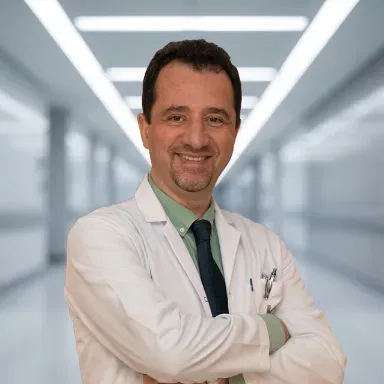
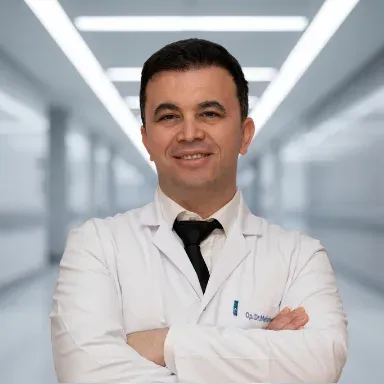
Specialist in Eye Diseases
25+ years of experience · 33,000+ operations
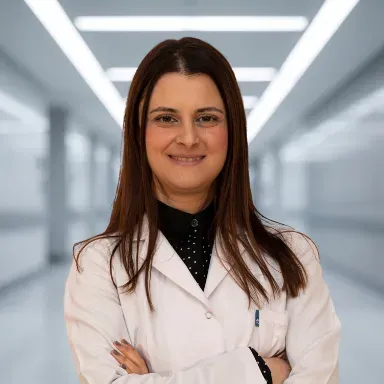
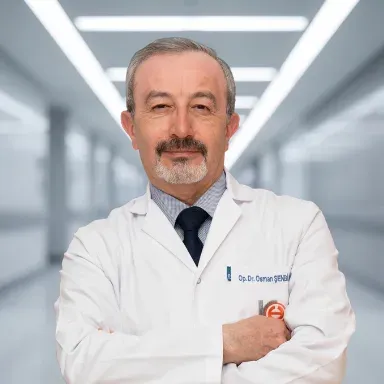
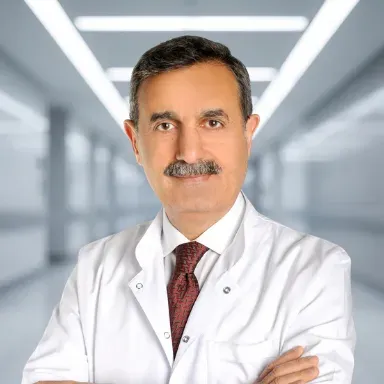
Associate Professor of Ophthalmology
37+ years of experience · 36,000+ operations
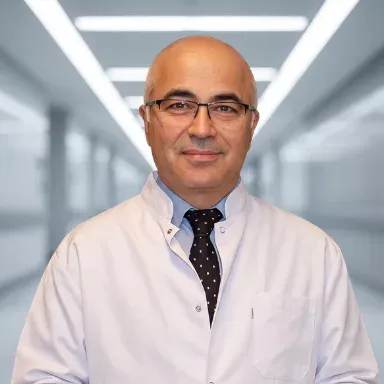
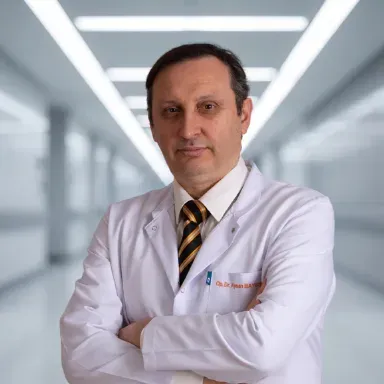
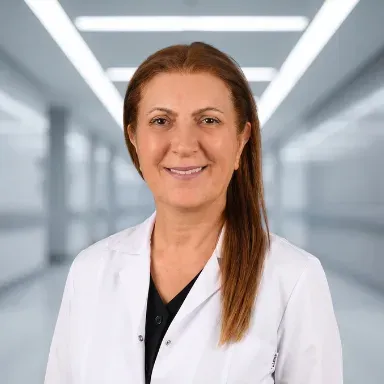
Johnson & Johnson Vision
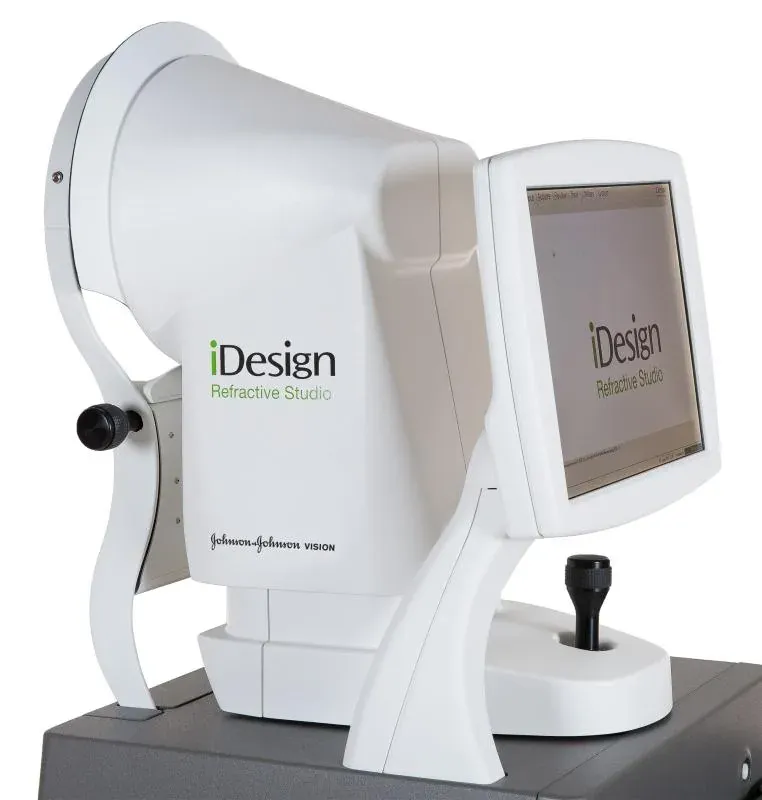
The measurement device that captures the eye’s optical “fingerprint”. In a single scan it records refractive error at over 1,200 points, corneal topography and pupil metrics. The map is passed to the excimer laser, so treatment follows your eye’s own map rather than a standard prescription.
Why we chose this device
A spectacle prescription is a coarse summary of the eye's refractive error; this device takes thousands of separate readings across the same eye and maps them. Laser treatment is then planned around that eye's own pattern rather than an average figure, which is where night vision is won or lost.
Tracey Technologies
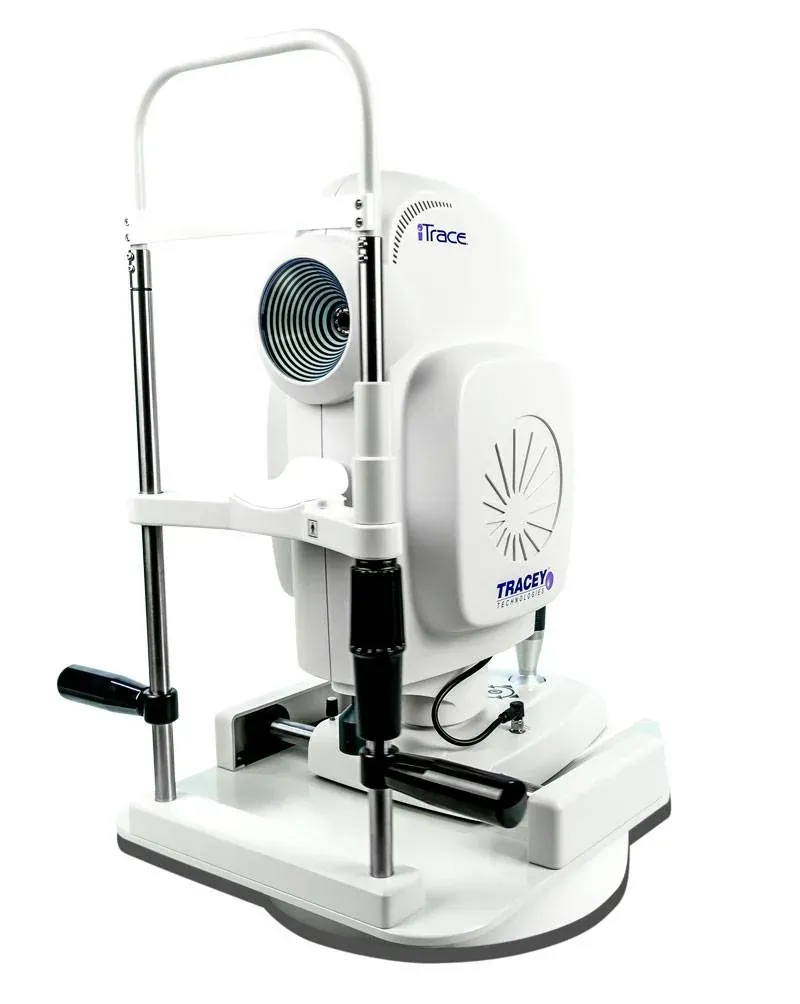
A vision-quality analyser that splits the eye’s total refractive error into the parts coming from the cornea and from the natural lens. One of the measurements the surgeon relies on when deciding between laser and lens replacement, and when choosing a trifocal lens.
Why we chose this device
One of the methods that can tell whether a visual complaint comes from the cornea or from the lens inside the eye. That distinction changes the treatment: a corneal cause calls for laser, a lens cause for lens exchange. By ray-tracing the two separately, it keeps patients from being steered to the wrong procedure.
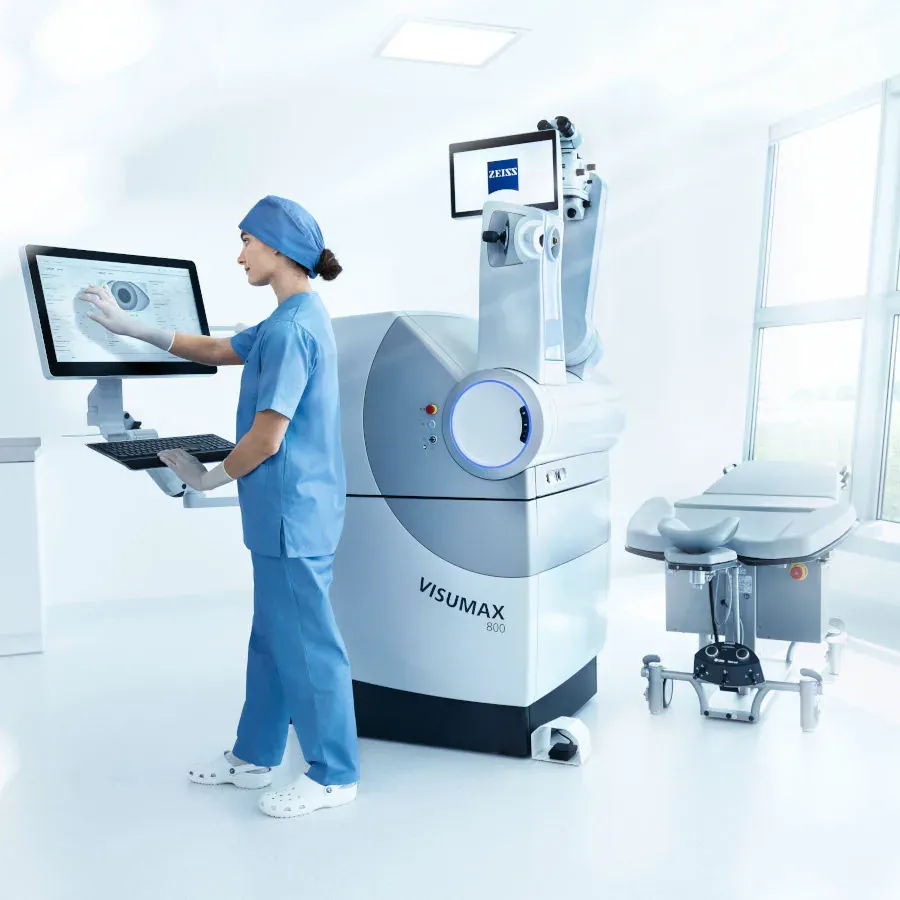
The femtosecond laser behind ReLEx SMILE PRO. It creates a thin lenticule inside the cornea and removes it through a 2-4 mm incision; no flap is cut. Lenticule cutting takes under 10 seconds per eye and the device tracks eye movement to centre itself.
Why we chose this device
On this laser the lenticule cut in SMILE takes seconds; the shorter the eye has to be held still, the smaller the margin for error from patient movement. Its eye tracking keeps the cut on the planned axis even if the eye shifts.
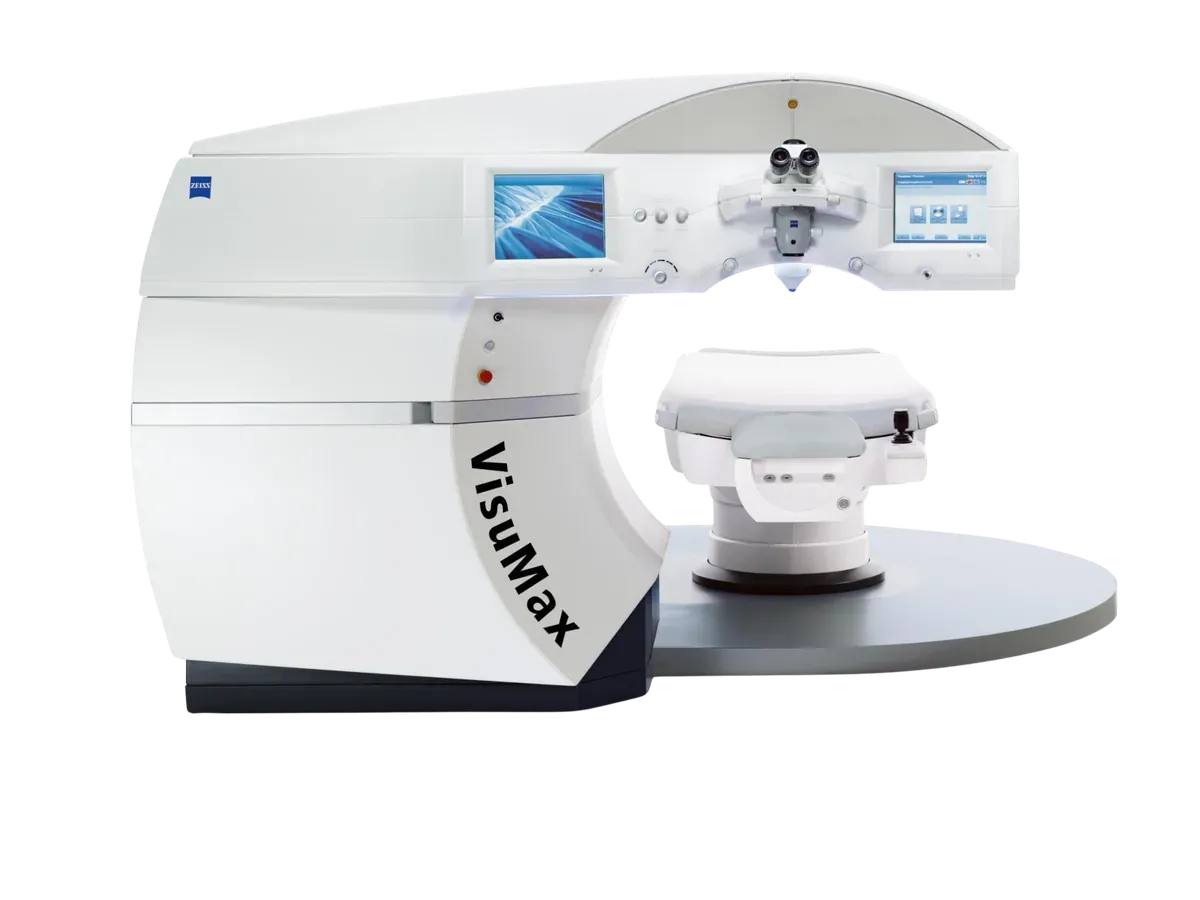
The femtosecond laser the ReLEx SMILE technique was developed on. It shapes a thin lens (lenticule) inside the cornea and removes it through a small incision, without raising a flap on the surface. A suction ring holds the eye with gentle contact, and the curved interface, matched to the eye's own curvature, spreads the pressure.
Why we chose this device
Most of the SMILE literature rests on results gathered on this platform, so the long-term data for the technique comes from this very device. Having it alongside the VISUMAX 800 means two femtosecond lasers: we can run two rooms on the same day, and a service visit does not push the surgery schedule.
Johnson & Johnson Vision
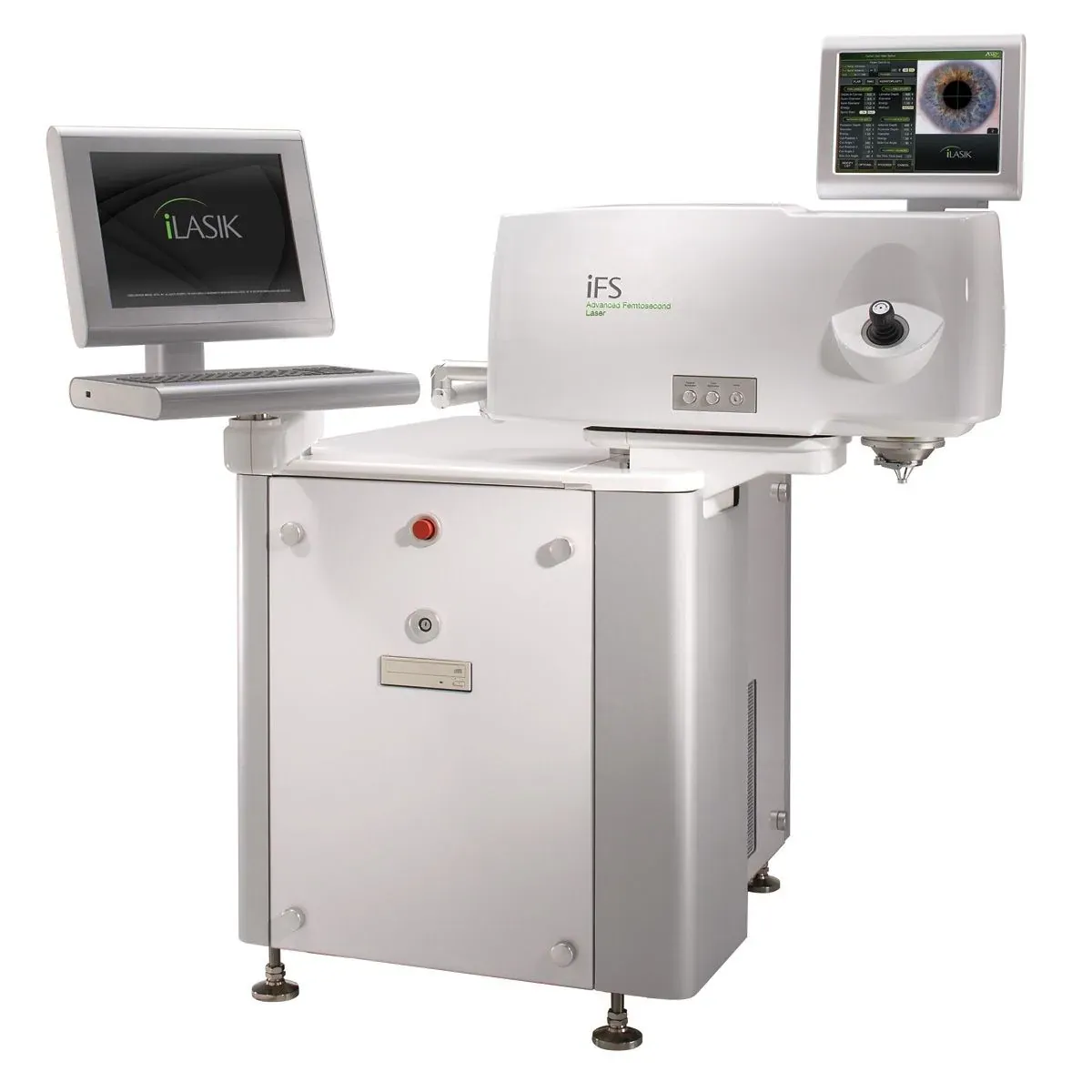
The first step of iLASIK: the corneal flap is created 100 % blade-free with a femtosecond laser instead of a blade. At 150 kHz the flap forms in seconds, at the exact thickness and shape the surgeon sets, far more predictable than the older microkeratome. The device is the first link in the iLASIK platform developed by Abbott Medical Optics, today part of Johnson & Johnson Vision.
Why we chose this device
Creating the flap with a laser rather than a blade keeps its thickness uniform to the micron across the whole cornea. The 150 kHz speed shortens the step, and the bevelled edge lets the flap seat back more securely.
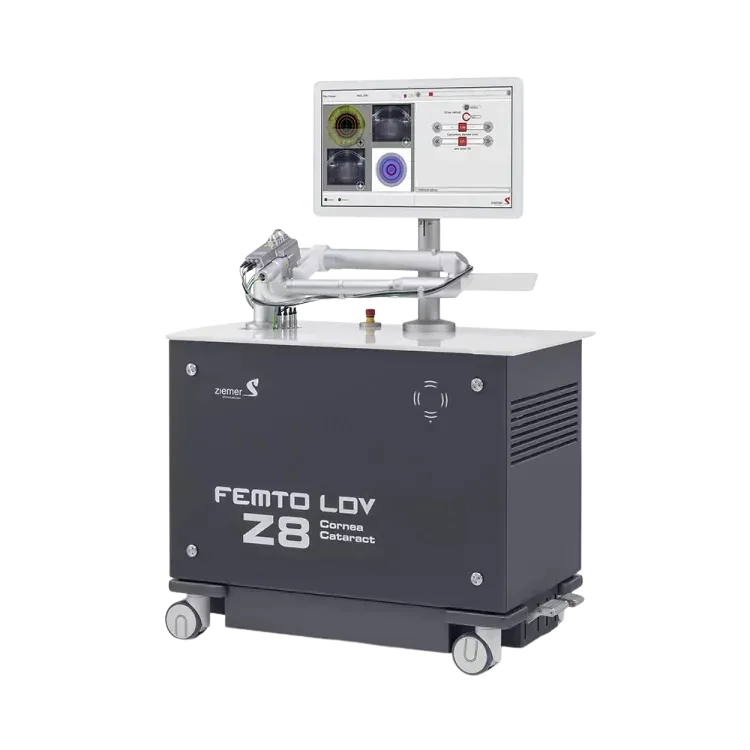
Ziemer
A mobile femtosecond laser usable in both corneal and cataract surgery. Its pulse energy is very low and its repetition rate very high, so cuts are formed from small overlapping spots. It can raise a flap, and in cataract surgery it opens the front capsule of the lens and fragments the lens itself. Being on wheels, the laser comes to the table rather than the patient being moved.
Why we chose this device
Opening the front capsule by hand is one of the steps in cataract surgery that most depends on the surgeon's experience; a laser-made capsulotomy comes out the same diameter and centred in every patient, which helps the intraocular lens sit where it should. That the device can be brought to the patient matters too: nobody is moved from one table to another mid-procedure.
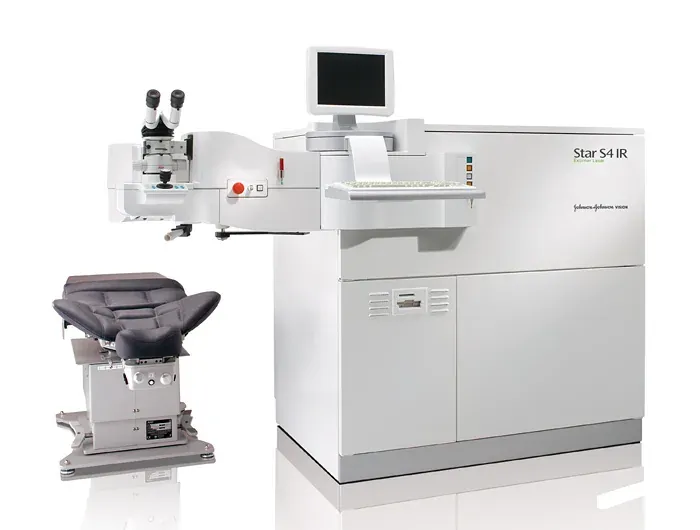
Johnson & Johnson Vision
The excimer laser of iLASIK’s second step. It reshapes corneal tissue with micron precision; infrared eye tracking keeps every pulse on target even if the eye moves. Paired with iDesign measurements it delivers a fully personalised (wavefront-guided) treatment. This laser is part of the iLASIK platform developed by Abbott Medical Optics, today part of Johnson & Johnson Vision.
Why we chose this device
Infrared eye tracking measures the small involuntary movements of the eye hundreds of times a second and keeps the laser on the same spot. Its variable spot size removes only as much tissue as needed, and the less cornea spent now, the more margin remains for a later touch-up.
Devices in eye care change quickly, and a newer system often means a shorter, more comfortable or more precise examination. We have renewed our equipment regularly since the day we opened, bringing new-generation systems into the clinic. This page is not fixed either: when a new device arrives, it is added here.
Appointment
Measurements and the consultation with your surgeon are completed in a single visit; you leave knowing which treatment suits your eyes and what it will cost.
Your cookie choice
Essential cookies are always on. With your permission we also use Google and Meta cookies for measurement and ads.Cookies needed for the site to work are always on. With your permission we also use Google and Meta cookies to measure visits and show you relevant ads. You can change your choice at any time with the "Cookie settings" link at the bottom of the page.Detailed Information