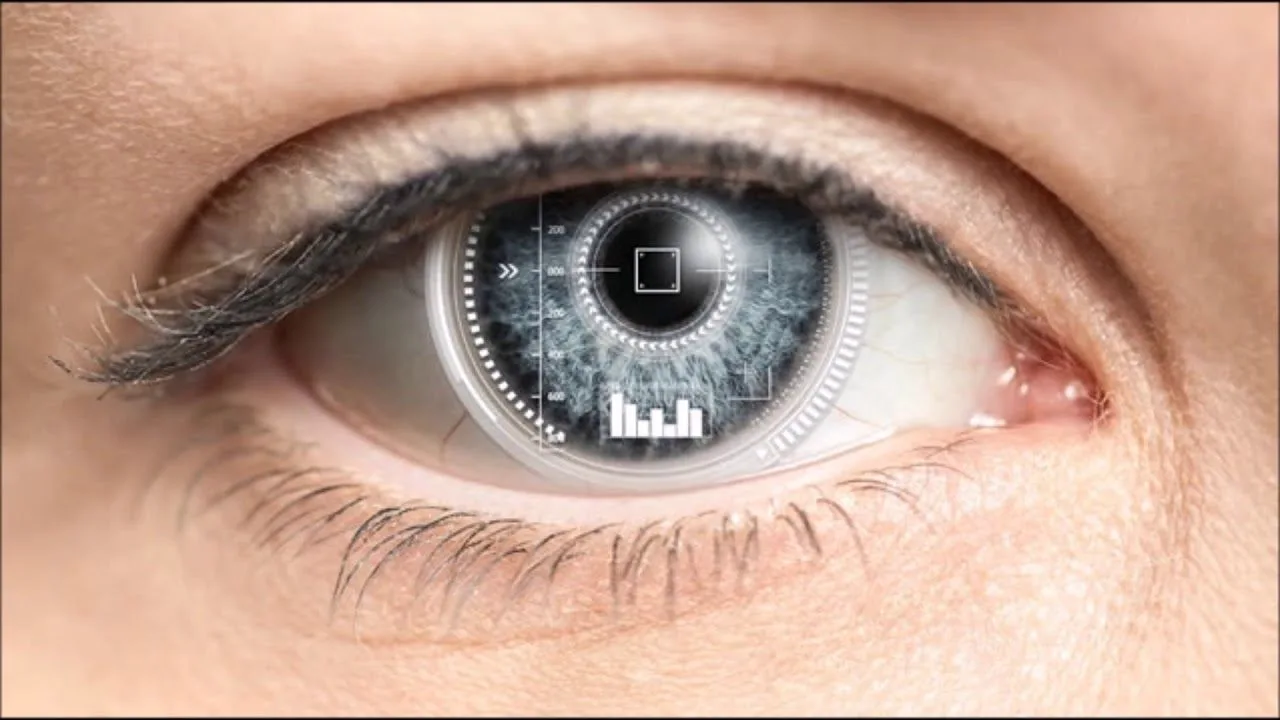
Multifocal lenses are intraocular lenses used in the treatment of multiple defects in the eyes. Some patients may have problems in both distance and near vision. They have to use two different types of glasses for these disorders. Some may not be able to see clearly near while seeing far. Today, multifocal lenses have been produced in order to eliminate different disorders together. Multifocal lenses are one of them.

Multifocal lenses contain various rings. Some of these rings help to see far and some help to see near clearly. In this way, the patient can see better without the need to use different types of glasses. These lenses are also used during cataract surgery. Cataract is one of the most common eye diseases. Surgical applications should be performed in the treatment of this disease.
What is Multifocal Lens?
Multifocal lenses are types of lenses that contain more than one degree in a single lens. It contains different powers for near, intermediate and distance vision. This allows patients to see more comfortably at all distances. Among the most important advantages of lenses, it may be possible to count the following:
- It gives sharp vision at near, intermediate and far distances.
- It eliminates the need to use extra glasses.
- The transition between degrees becomes less sharp.
- They are very suitable lenses for patients who want to get rid of glasses.
Multifocal Lens Surgery
Multifocal lenses are generally placed in the eye during cataract surgery. Cataract is a very common eye condition that is treated with surgical operations. For the treatment of this disease, which becomes more common after the age of 55-60, precise measurements should be made to the patient. The power of the lens to be implanted is then calculated from these biometry measurements before the operation. Multifocal cataract surgery is performed in sterile operating theatres. This operation, which is performed with the help of an operating microscope, is performed with microsurgical incisions. The operation is performed under anaesthetic eye drops. The patient under anaesthesia does not feel any pain or ache during the procedures performed in the eye.
The operation takes about 15-20 minutes per eye. However, this may vary depending on both the sensitivity of the lens to be used and the degree of the disease. After the cataract operation, the eye lens is placed. The patient has better vision with multifocal lenses. Standard intraocular lenses are single focal. With these lenses, the patient can only see far away. Multifocal lenses, however, give clear vision at near, intermediate and far distances. The doctor decides which of these lenses with different types is suitable for the patient.
How to Use Multifocal Lenses?
Multifocal lenses help you see clearly at both far and near distances. It may take up to 2 weeks to get used to the angle and clarity of vision. Although there may be eye fatigue at the first stage, these are considered normal conditions and disappear completely as you adapt, which can take up to 2 weeks. Some patients can get used to these lenses very easily, while others may need up to 2 weeks. In case of a possible problem, you should not hesitate to consult your doctor. However, both important eye surgery such as cataract surgery and lens fitting procedures should be performed by an experienced doctor.
Who is Multifocal Lens Surgery Suitable for?
Multifocal lenses are among the first choices of patients who do not want to wear glasses. At the same time, patients with conditions such as myopia, hyperopia and astigmatism can also benefit from these lenses to a large extent. In addition, patients who do not want to use contact lenses also have the chance to benefit from these intraocular lenses. However, these lenses are not recommended for patients with very sharp expectations. At the same time, specialist doctors offer different solutions to patients with retina and glaucoma problems and patients who have problems in the visual centre. In this way, they can find the opportunity to have a healthier eye treatment.
Risks and Possible Side Effects
Intraocular lens and cataract surgery are among the most commonly performed operations in the world, with a very high success rate. As with any surgical procedure there are some risks, but they are unlikely, and most can be treated if they do occur. Regular check-ups help to spot any problem early.
- Infection: very rare; antibiotic drops used before and after surgery keep this risk to a minimum.
- A temporary rise in eye pressure: usually in the first few days, and easily controlled with drops.
- Posterior capsule opacification: months or years later vision may become slightly cloudy; this is cleared with a quick, painless YAG laser treatment lasting 1-2 minutes.
- Halos and glare at night: may be noticeable in the first weeks, and usually fade considerably as the brain adapts to the new lens.
- Retinal detachment: very rare; if you notice sudden flashes, new floaters or a shadow across your vision, contacting us straight away allows early treatment.
How Much Is Multifocal Lens Price?
Multifocal lens prices vary depending on the underlying cause, the type of lens and the operation to be performed. The treatment plan to be created by our specialist ophthalmologist depending on the detailed examination results may vary from person to person.
Read our article with the list of intraocular lens surgery 2026 prices.




 Türkçe
 English
 Deutsch
 Nederlands
 Italiano
 Español
 Français
 Български
 Română
 Русский
 العربية