What is Phakic Lens?
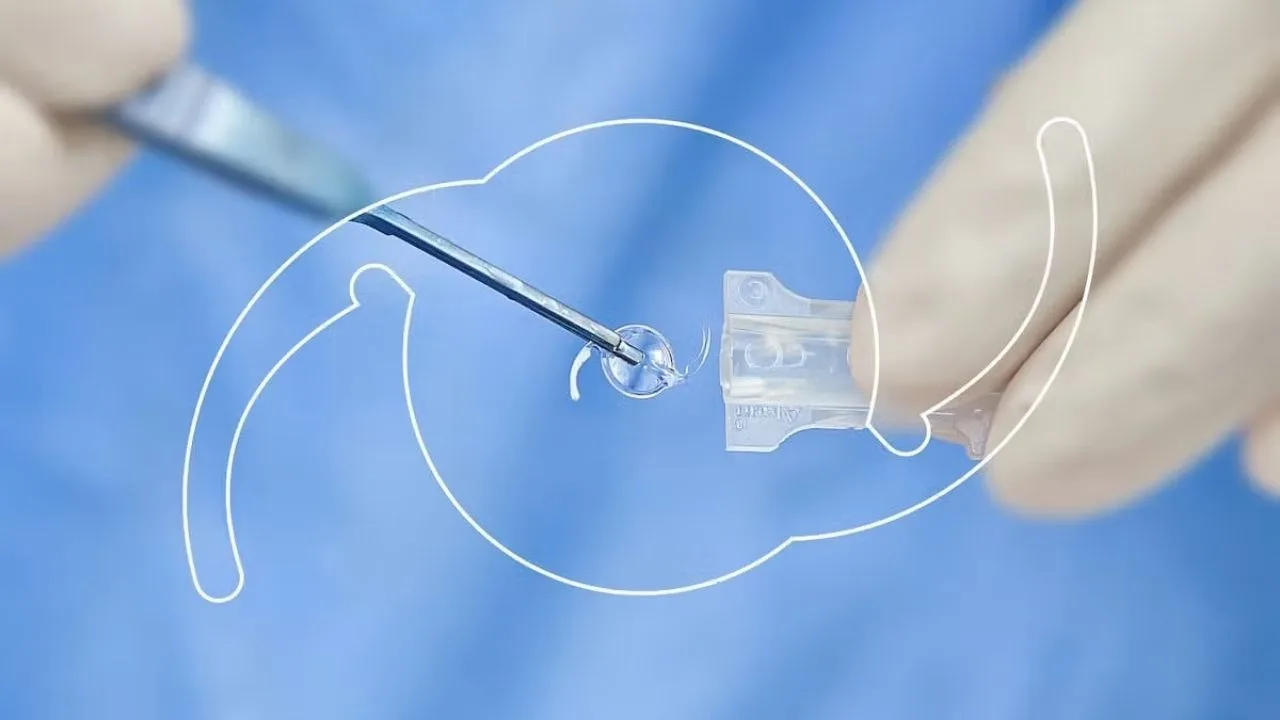
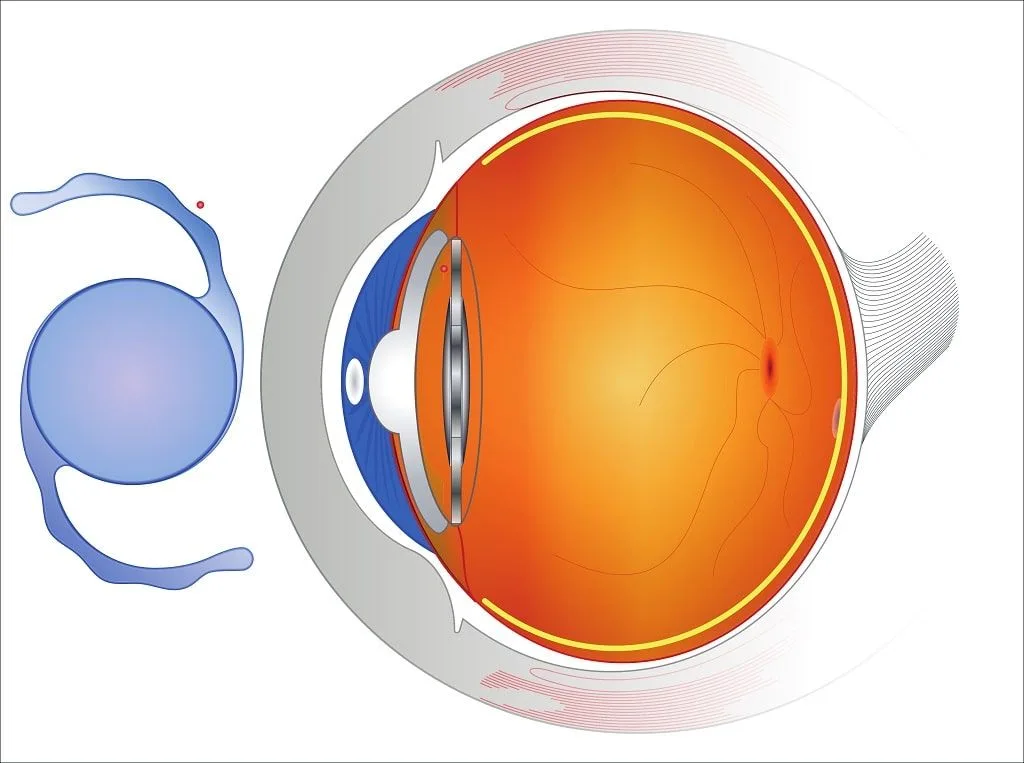
Phakic lenses are lenses that are as thin as the contact lenses we use. They are placed in the front of our natural lens in our eye and correct the vision while the natural lens keeps working.
Phakic lenses are used to correct refractive errors such as myopia, hyperopia and astigmatism. These lenses improve quality of life by eliminating the need to wear glasses or contact lenses. These lenses, which remain safely in your eye, do not need to be taken out like contact lenses; they need no special care and cannot be felt in the eye.
Phakic lenses were first designed in 1977. These lenses, which are used by placing them in the iris, that is, in the coloured layer of the eye, have been further developed today and have a much more modern design. In eyes with phakic lenses, it is not possible to notice the lens when viewed from the outside.
Phakic Lens Types
Phakic lenses come in several types and each has special advantages:
- Phakic Intraocular Lenses (PIOLs): These lenses are placed in front of or behind the natural lens. It remains permanently in the eye and corrects vision. Intraocular phakic lenses are an ideal option, especially for people who are not suitable for laser surgery.
- Artisan Lenses: These lenses are placed between the iris (the coloured part of the eye) and the cornea. It is an effective solution for correcting eye defects.
- Visian ICL (Implantable Collamer Lens): These lenses are placed behind the iris, in front of the natural lens, and correct vision. They are made of a flexible material and can remain in the eye for many years.
To whom can phakic lenses be applied?
Many treatment methods are currently used to correct refractive errors such as myopia, hyperopia and astigmatism. These include excimer laser (iLASIK, LASEK, PRK), astigmatic keratotomy and clear lens extraction. Among these methods, excimer laser (iLASIK, LASEK, PRK), also known as laser treatment, is the most preferred method. However, it is necessary to have an ideal corneal thickness, corneal map and a prescription within a certain range for laser treatment. Excimer laser treatment may not always be the ideal treatment for your eyes, so other alternative treatment methods have been developed for these eyes. Among these, one of the safest, permanent and stable treatment methods is the phakic lens method.
What are the Advantages of Phakic Lens?
Phakic lenses have many advantages:
- Glasses-free Vision: Phakic lenses provide freedom by eliminating the need to wear glasses or contact lenses.
- Permanent Solution: Phakic lenses are permanently implanted in the eye and can work effectively for many years.
- High Success Rate: Phakic lens operations are generally successful and most of the patients are satisfied with the results.
- Preserves the Natural Lens: The eye's natural lens is not removed when a phakic lens is implanted; it stays in place.
Phakic lenses are a product of modern eye health technology and offer an effective vision correction solution for many people. However, phakic lens operation may not be suitable for everyone and therefore it is important to consult a specialist. Anyone who cares about eye health can make the most appropriate decision by evaluating the advantages and risks of phakic lenses.
What is the Evaluation Before Phakic Lens Operation?
Your doctor will first evaluate your vision level and determine your glasses prescription. After this evaluation, whether the eye cavity (anterior chamber depth) where the phakic lens will be placed is sufficient or not will be measured with special devices. After the evaluation of the number of cells in the cornea, it will be decided whether your eye is suitable for phakic lens.
What should be considered before the operation?
If you take blood thinners such as aspirin or coumadin, ask your doctor whether to stop them before the operation; do not stop them on your own. The operation is performed under anaesthetic eye drops, so there is no harm in having a light breakfast or meal beforehand.
The operation is performed under topical anaesthesia, and light sedation can be given if needed. In other words, your doctor will instill anaesthetic eye drops so that you do not move your eye and do not feel pain. Generally, no pain is felt during the operation, only a slight touching sensation may be felt.
You will be awake throughout and can communicate with the doctor. After your eye is sterilised, a small device will be inserted to keep the eyelids open. During the operation, a short incision is made in the cornea of your eye.
Your doctor injects a viscoelastic substance behind the cornea, in front of the coloured iris layer, in order not to damage the cells at the back of the cornea (endothelial layer) during the phakic lens implantation. Through a small corneal incision, the phakic lens is placed in such a way that it does not come into contact with your own lens. The operation takes approximately 15-20 minutes per eye.
How Will I Feel During Intraocular Lens Operation?
After the operation, you will be taken to your room for rest. There is no harm in going home after a few hours of rest. Your eye will remain closed on the day of the operation.
There may be pain and stinging sensation during the time your eye is closed, it is normal. There is no harm in taking painkillers. One day after the operation, you will come for a follow-up visit and the drops you need to use will be described to you.
After the operation, redness, watering and sensitivity to light may develop especially in the first days. You can usually return to daily life within a few days, while blurred vision may continue for a few weeks until full recovery.
When you use your drops, these symptoms will disappear in the following days. Never rub your eyes by pressing, be careful not to get water or soap in your eye in the first days.
Is there any harm in having a laser operation or cataract operation that may be required in the following years after phakic lens implantation?
There is no harm in having a laser operation or cataract operation in eyes with phakic lens. If cataract develops, the phakic lens will be removed and another lens will be placed again after your cataractous lens is removed.
Risks and Possible Side Effects
Phakic lens (ICL) surgery is carried out without touching the eye's natural lens and is a reliable option for high prescriptions. The risks are unlikely; detailed measurements and regular check-ups reduce them further, and most conditions that could arise are treatable.
- Infection: very rare; it is prevented with the drops prescribed after surgery and simple hygiene measures.
- A rise in eye pressure: mostly temporary and in the first days, controlled with drops; the lens size is planned in advance from your measurements.
- Cataract: uncommon and may develop over the years; if it does, the phakic lens is removed and the cataract treated with standard cataract surgery.
- Loss of corneal endothelial cells: a slow process; it is monitored with an endothelial cell count at yearly check-ups, and the lens can be removed if needed.
- Halos and glare at night: may occur in the first weeks and usually fade over time.
How Much is Phakic Lens Price?
Phakic Lens prices vary depending on the underlying cause. The treatment plan that our specialist ophthalmologist will create depending on the lens after a detailed examination may vary from person to person.
Read our article with the list of intraocular lens surgery 2026 prices.