




Intraocular Lens Treatments
What is an Intraocular (Multifocal) Lens? Who It Suits, Advantages and Side Effects
- Kudret Eye Istanbul
- Last updated:
- 8 min read
- Medically reviewed by Op. Dr. Mehmet Ali Özdil
What is an Intraocular Lens?
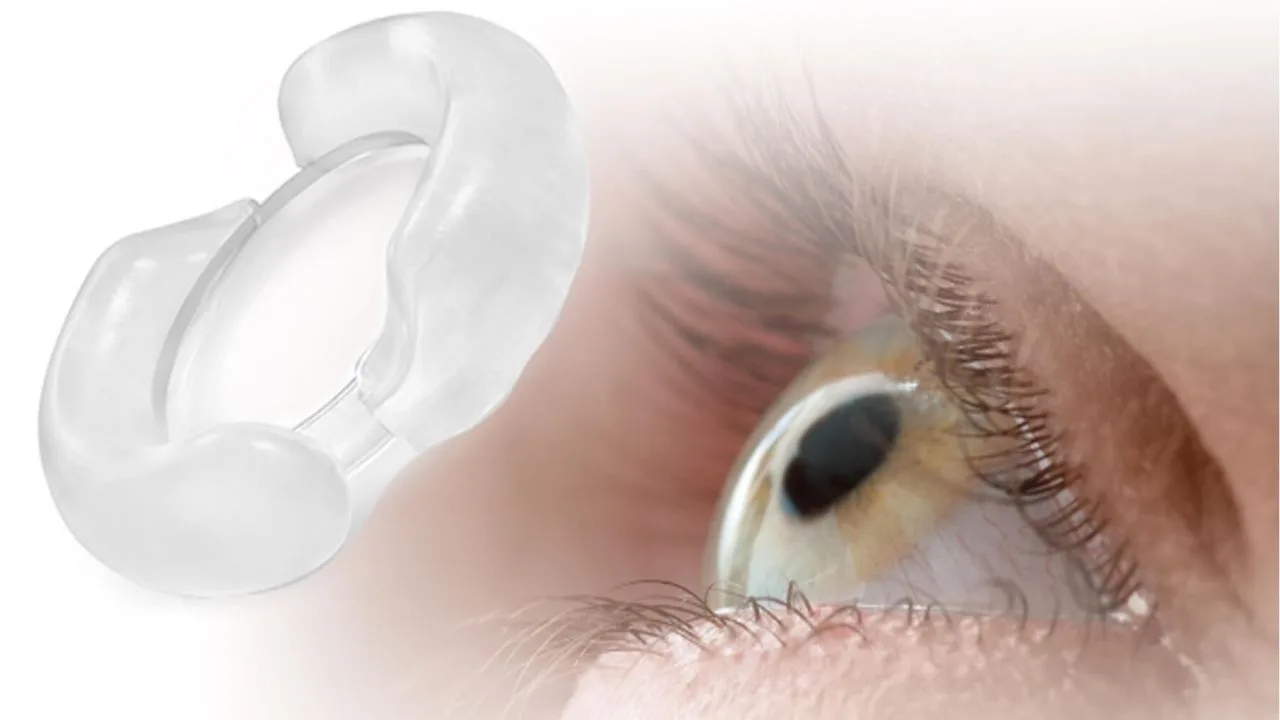
Among the questions met most often in eye treatment is what an intraocular lens is. Intraocular lens surgery, or multifocal lens surgery, is the permanent way to be free of cataract and of a high prescription. It is used above all where the prescription is severe, where the structure of the eye is not suitable for laser, and in the treatment of conditions such as cataract. The method works by removing the deteriorated lens from the eye and placing a specially manufactured lens in its position. Intraocular lenses must never be confused with contact lenses or treated as the same thing. Contact lenses are placed on the upper surface of the eye by the wearer and removed by hand in the same way. Intraocular lenses, by contrast, are placed in the eye surgically, and surgery is needed again to remove them. As the name suggests, intraocular lenses are applied inside the eye. They allow light arriving at the eye to be refracted and carried to the retina, and from the cells of the retina to the optic nerves. The lens of the eye holds a very important position and function in this process. Used above all in the treatment of cataract and astigmatism, these lenses are fitted once the eye's natural lens has been removed. Intraocular lenses come in single-focus, bifocal and trifocal varieties. Where a single-focus lens was used, the patient could see clearly at only one focal point and had to wear glasses for the other distances. With a single-focus lens set for distance, for instance, difficulty could be experienced at near and intermediate ranges. Thanks to multifocal lenses, patients can see every distance easily with bifocal or trifocal lenses. With trifocal lenses there is no need to wear glasses or contact lenses for different distances after treatment. With multifocal lenses these people can comfortably see into the distance, read a book, watch television and drive. Thanks to trifocal lenses, intermediate, distance and near ranges can all be seen clearly.Who is Intraocular Lens Surgery Suitable For?
Intraocular lens surgery generally suits cataract patients and people who aim to see clearly at distance, near and intermediate ranges without wearing glasses or contact lenses. The operation rests on replacing the eye's natural lens with an artificial one. The following groups may be candidates for intraocular lens surgery:- Cataract patients
- People over forty with presbyopia
- People with myopia, hyperopia or astigmatism
- People whose eye structure is not suitable for laser treatment
Monofocal Versus Trifocal Lenses
In intraocular lens surgery, the choice of lens carries great importance and is made in line with the patient's lifestyle, their expectations of their vision and the structure of their eye. So what are the differences between monofocal and trifocal lenses? Here is a full comparison to help you decide:| Feature | Monofocal Lens | Trifocal (Multifocal) Lens |
|---|---|---|
| Focal point | Generally provides distance vision only | Offers clear vision at distance, intermediate and near |
| Need for glasses | Glasses may be needed at near and intermediate ranges | Vision without glasses is possible in daily life |
| Visual comfort | Night vision and contrast are generally better | Some patients may see haloes around lights |
| Quality of vision | Provides very clear vision at a single distance | Adapts to different distances thanks to multiple focal points |
| Who it suits | People who prioritise distance vision and want a simple solution | People with an active life who want to live without glasses |
| Cost | More economical | Higher in cost but more versatile |
| Adaptation period | Short, easy to get used to | The brain may take time to adjust to focal transitions |
Use of Intraocular Lenses
The use of intraocular lenses is among the common treatments in many eye conditions. Multifocal lenses are used when the natural lens in a person's eye has deteriorated in some way. They are the treatment chosen most often for severe prescriptions, for situations where laser is ineffective, and in cataract treatment. It would not be wrong to say that their most important application is cataract treatment, because in cataract the lens of the eye loses its transparency entirely and, if it advances, causes permanent sight loss. The natural lens that has lost its function completely is removed and specially manufactured intraocular lenses are used in its place. Laser treatments are generally recommended where there is a refractive error. Not everyone's cornea is suitable for such operations, however. Laser is not considered appropriate for people with a thin or very irregular cornea, for instance, and intraocular lens treatment is recommended instead. Although this treatment costs somewhat more than laser technology, these lenses do not deteriorate despite being artificial. They remain in place for life.How Are Intraocular Lenses Used?
How intraocular lenses are used is among the subjects people wonder about most. Intraocular lenses are placed in the position of the natural lens through surgery. Their multifocal varieties also offer the ability to focus at every distance, so that after surgery people can see comfortably without focusing difficulties and without needing any additional product. Thanks to modern intraocular lenses, glasses and contact lenses are no longer needed. The power of each lens is calculated for the person before surgery with biometry measurements, to match the degree of myopia, hyperopia or astigmatism. Once the lens has been prepared it is placed in the patient's eye during surgery, and normal quality of vision is achieved after recovery.What to Consider with Intraocular Lenses
What to consider with intraocular lenses is very important. Highly advanced products are used in eye treatment, and intraocular lenses may not suit everyone. In conditions such as diabetic retinal disease or advanced glaucoma, multifocal (trifocal) lenses may not be suitable and a monofocal lens is preferred; which lens suits you is decided at the examination. When choosing an intraocular lens your surgeon will offer the option most suitable for you. How single-focus or multifocal lenses will perform is explained to patients in detail, and they can make their choice accordingly. Intraocular lenses are applied to people over forty who have vision problems at more than one distance. They are also an alternative for people who want to be free of glasses entirely, and they are widely used in cataract treatment. Although they are frequently applied to patients whose cataract has developed with age, they can also be applied to younger people. For younger people whose eye structure is not suitable for laser methods, a phakic lens (ICL) placed in front of the natural lens can remove the need for glasses instead.Side Effects of Intraocular Lenses
One of the things people wonder about most with this treatment is its side effects. It is possible to encounter side effects of intraocular lenses. Some eyes may not adapt to the lenses, and other effects can also be seen. Multifocal lenses work by directing light arriving from many directions so that different distances can be seen. This can sometimes create light phenomena. Difficulty seeing in dim light and haloes around lights can appear. These are situations people become used to over time, although they can be uncomfortable at first. Another side effect is reduced contrast sensitivity. Image quality can decline with lenses that provide multiple focal points. The reason is that light reflected from different distances is focused separately onto the retina, which means a slight reduction in the quality of vision in order to preserve the multifocal effect.Intraocular Lens Surgery
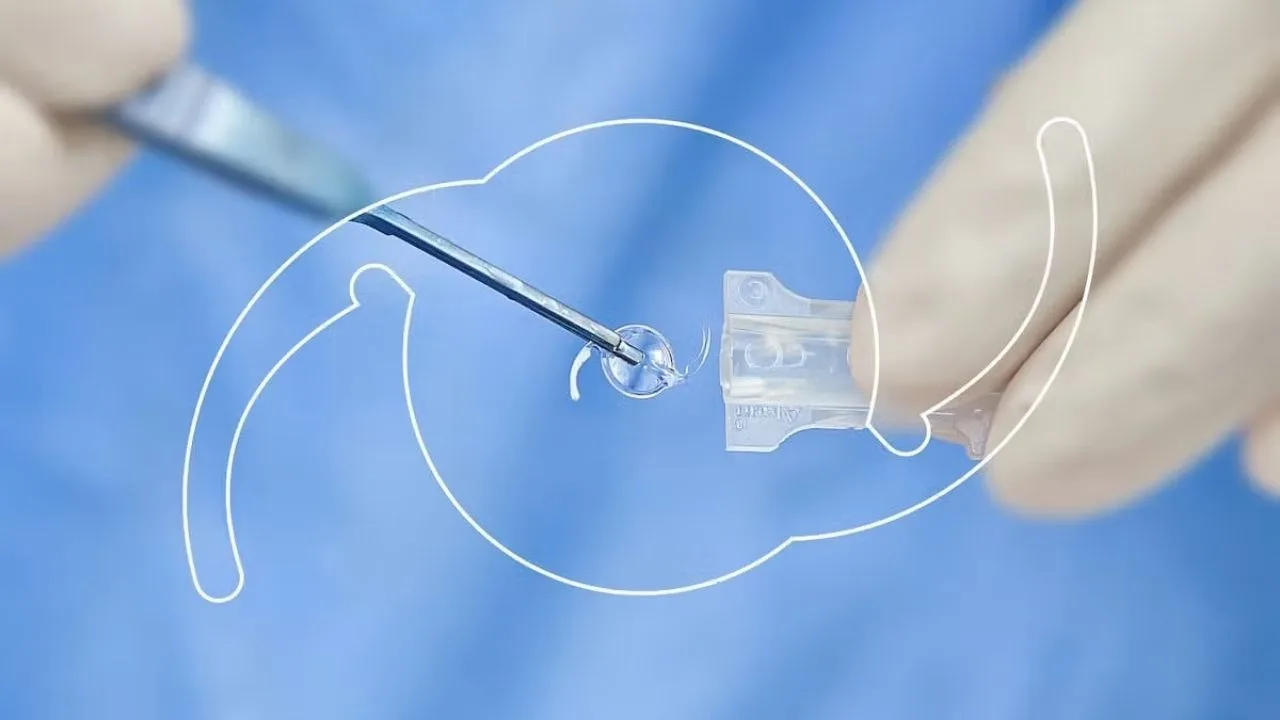
Intraocular lens surgery is an operation carried out in a fully sterile environment by specialist surgeons. During the operation the natural lens of the eye is removed and the lens most suitable for the eye is fitted in its place. The patient feels no pain or discomfort during the procedure, although stinging, burning and soreness for a few days during recovery are normal. Intraocular lens surgery takes about 15-20 minutes for each eye. During the operation the old lens is removed through a 2.2 mm micro-incision and the intraocular lens is fitted. There are no stitches, and the patient is discharged the same day. Until the eye adjusts to the lenses it is possible to feel and see differently for a few days. After the recovery period, however, patients can carry on with their normal lives as before. Intraocular lenses can be fitted to both eyes or to one eye alone.Frequently Asked Questions
- 1
Do intraocular lenses last for life, or do they need replacing?
Yes, intraocular lenses are permanent. Most patients never need theirs replaced once it has been fitted. In rare cases the lens may shift, or a particular eye structure may call for intervention, but this is very uncommon. - 2
Is intraocular lens surgery painful?
No. Intraocular lens surgery is generally carried out under local anaesthesia with eye drops and the patient generally feels no pain during the procedure, although mild discomfort may be felt. Mild stinging or blurring afterwards can be short-lived and usually settles within a few days. - 3
Will I need to wear glasses after surgery?
That depends on the type of lens chosen. With a single-focus lens, glasses may generally be needed for near or intermediate distances. If a trifocal, that is multifocal, lens is chosen, clear vision without glasses can be achieved in most situations at distance, near and intermediate ranges. Read more about intraocular lens treatments