




Intraocular Lens Treatments
Intraocular Lens Prices and Types
- Kudret Eye Istanbul
- Last updated:
- 6 min read
- Medically reviewed by Op. Dr. Mehmet Ali Özdil
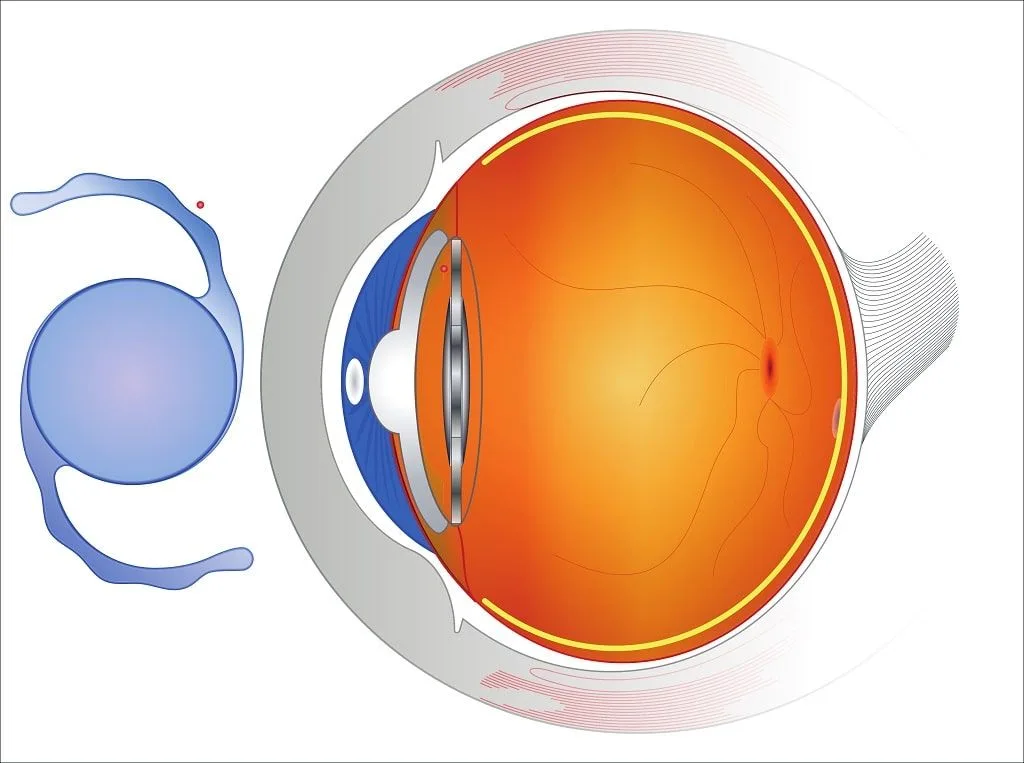
Intraocular lens prices vary with the type of lens used. These lenses are used when vision is impaired by damage inside the eye. They have a structure similar to the eye's own natural lens. Known as artificial lenses, intraocular lenses are used above all to compensate for cataracts and other eye conditions.
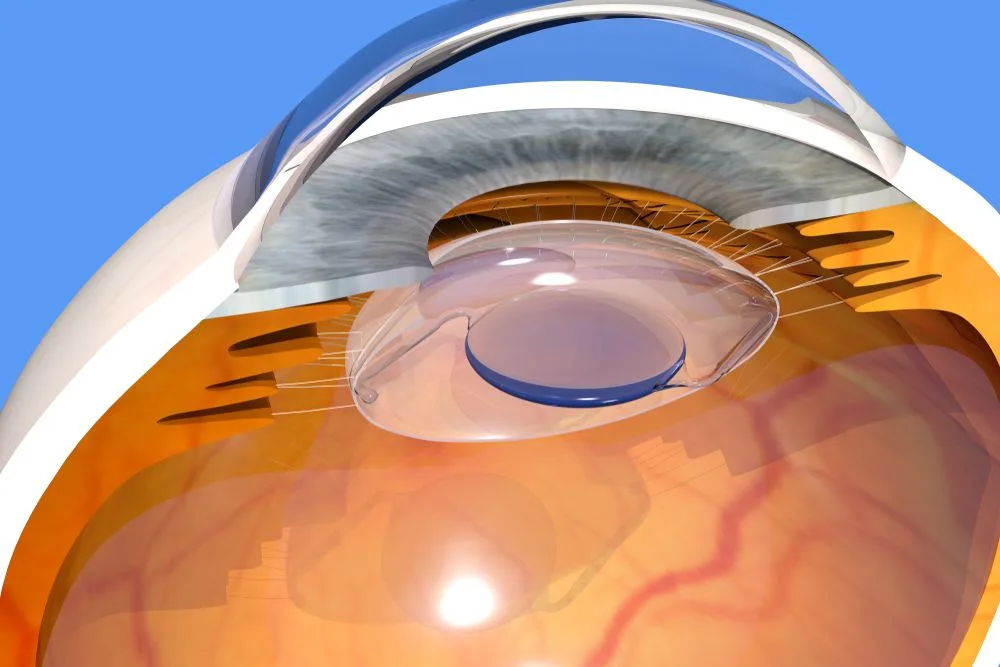
Intraocular lenses come in many different types. The lens appropriate to the condition and to the refractive error is determined by the surgeon, and prices vary with the type. These lenses are not worn like contact lenses; they are placed inside the eye during surgery. People treated this way need contact lenses or glasses far less, and in operations such as cataract surgery the lens offers a definitive solution.
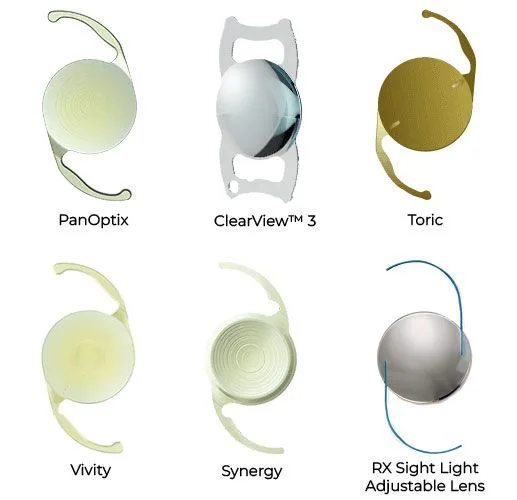
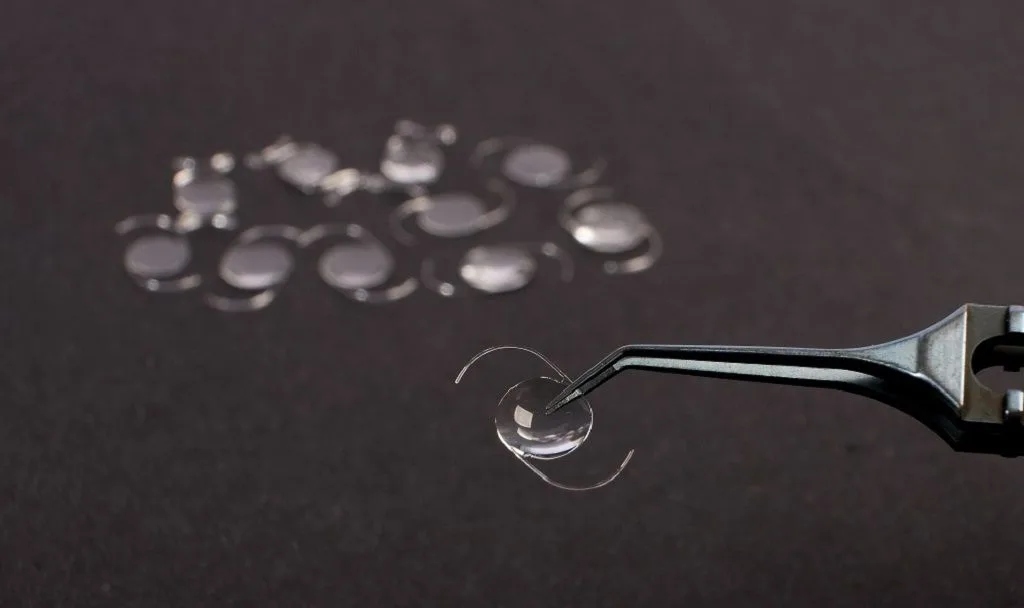
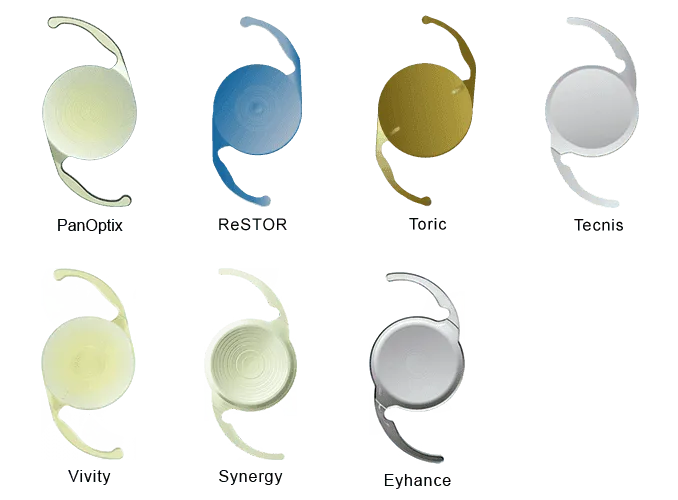
Types of Intraocular Lens
Intraocular lenses are shaped around what the eye needs. They fall into two categories, toric lenses for astigmatism and standard lenses. Standard lenses, which do not correct astigmatism, are grouped by their optical properties: monofocal with a single focus, bifocal with two and trifocal with three. Trifocal lenses are a type of multifocal lens. Each of these types has its own further variations, applied according to the treatment the patient needs.
Monofocal Intraocular Lenses
Single-focus monofocal lenses are the surgical lenses generally used in cataract treatment, and they are among the most widely used of all. Because they have a single focus they correct only one viewing distance, which may be near, intermediate or distance. Monofocal lenses are usually set for distance vision, which can mean glasses are still needed for near work. At distance, patients can see clearly without glasses, or with a low prescription.Bifocal Intraocular Lenses
Bifocal, or multifocal, lenses have two separate focal points and allow both distance and near vision. They are often used in patients whose vision has declined with age. In presbyopia, the condition seen in older people, they are chosen to set both distance and near vision, and they are used where two different viewing distances are affected.Trifocal Intraocular Lenses
Trifocal lenses, with three focal points, are also described as multifocal lenses. They improve vision at three different distances, far, intermediate and near. Working as three lenses nested within one another, their focal order is as follows:- The first focus is distance vision
- The second focus is intermediate vision, such as working at a computer
- The third focus is near vision, allowing activities such as reading a newspaper, using a phone or knitting without glasses, or with a low prescription
Toric Lenses
Toric lenses are intraocular lenses used in particular for people with astigmatism. In astigmatism there is a curvature irregularity in the lens of the eye or in the cornea, which can blur vision at every distance. Toric lenses are used to remove this. Intraocular lenses used in patients with astigmatism usually have a toric design: a toric lens is recommended for significant corneal astigmatism (about 1 dioptre or more) and may not be needed when it is low. Depending on their focal distances, toric lenses are themselves divided into single-focus, bifocal and trifocal types, and the choice is made by the surgeon according to the patient's needs.EDOF Intraocular Lenses
This is a method used particularly in age-related vision problems and in cataract treatment. EDOF lenses extend the range of focus, so once placed inside the eye they give clear distance and intermediate vision; reading glasses may still be needed for small print. After this operation the need for glasses and contact lenses is reduced.ICL Intraocular Lenses
ICL intraocular lenses are applied to patients with high myopia, astigmatism or hyperopia in order to correct those errors. Because of their high prescription, laser eye surgery cannot be performed on some patients, and ICL intraocular lenses are offered to them as an alternative. People receiving these lenses must be between eighteen and forty-five and must have had a stable prescription for a year. Intraocular lens treatment can also be applied to people whose corneal thickness is unsuitable for laser surgery.Phakic Intraocular Lenses
This is one of the lenses placed in the eye to reduce the need for contact lenses or glasses. These lenses correct the refractive error of the eye permanently and are made of a biocompatible, collagen-containing material (Collamer) or of acrylic. Phakic intraocular lenses are applied to patients with astigmatism, hyperopia or myopia whose cornea is not suitable for LASIK treatment.
Why Are Intraocular Lenses Used?
Why intraocular lenses are used is a question people with eye conditions often ask. They are used to remove eye problems without wearing glasses or contact lenses. Their applications are:- Removing vision problems
- Correcting astigmatism, myopia and other eye conditions
- Removing the refractive error of light and improving the quality of vision
- Treating cataracts and astigmatism
Who Are Intraocular Lenses Suitable For?
Who intraocular lenses suit, and who they can be applied to, are questions we meet frequently. They are not a suitable treatment for everyone, and they are applied above all to people over forty. For the lenses to be fitted, the structure of the patient's eye must be suitable. Patients with problems such as dry eye or inflammation of the eye are always treated before surgery, so that anything standing in the way of placing the lens safely is removed first. For the lenses to give a good result, the retina and the optic nerve must be healthy. A healthy eye matters if the patient is to gain the full benefit of trifocal and other lens types. If the visual axis is disturbed, good quality vision may still not be achieved with the lenses. There must be nothing preventing an intraocular lens from being fitted. If the general health of the eye is poor, the lenses may not deliver their full benefit. The final decision is always taken jointly by the surgeon and the patient.
Intraocular Lens Prices at Kudret Eye İstanbul
At Kudret Eye İstanbul, lens surgery packages are priced per eye. Starting prices by lens type:
- Monofocal lens (Alcon Clareon): from £850 per eye
- Trifocal lens (Alcon Clareon PanOptix): from £1,275 per eye
- EDOF lens (Alcon Clareon Vivity): from £1,425 per eye
- ICL (EVO Visian ICL): from £1,950 per eye
For astigmatism a toric version of these lenses is available, at a separate price. The package includes the examination and eye tests, the lens and the operation, the check-ups after surgery, airport transfers and accommodation. The exact price is confirmed after your examination; you can see every package on our price list.