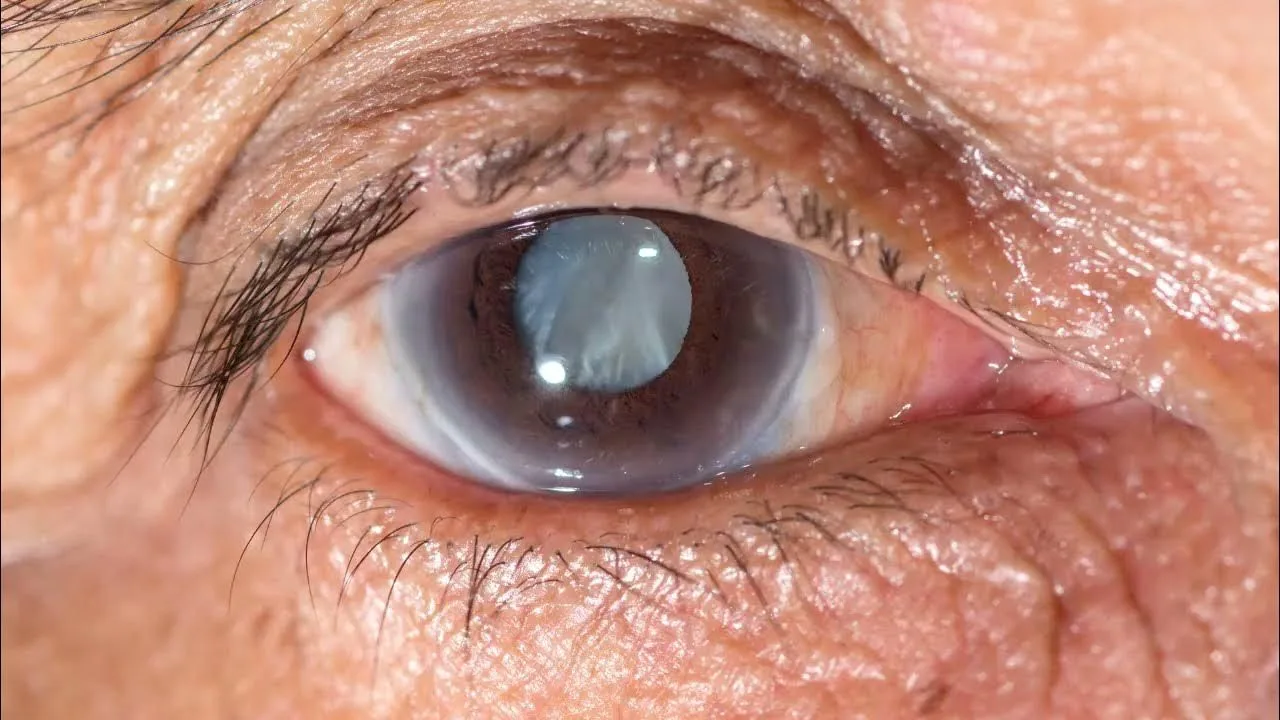
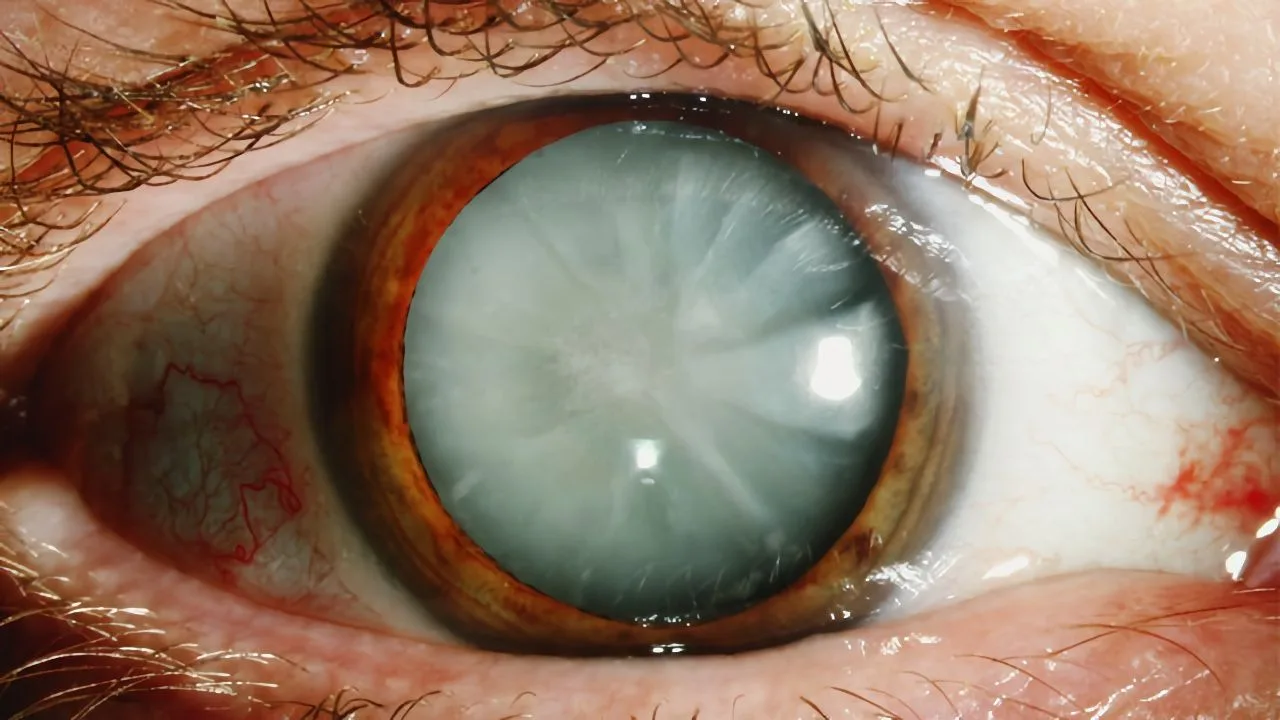
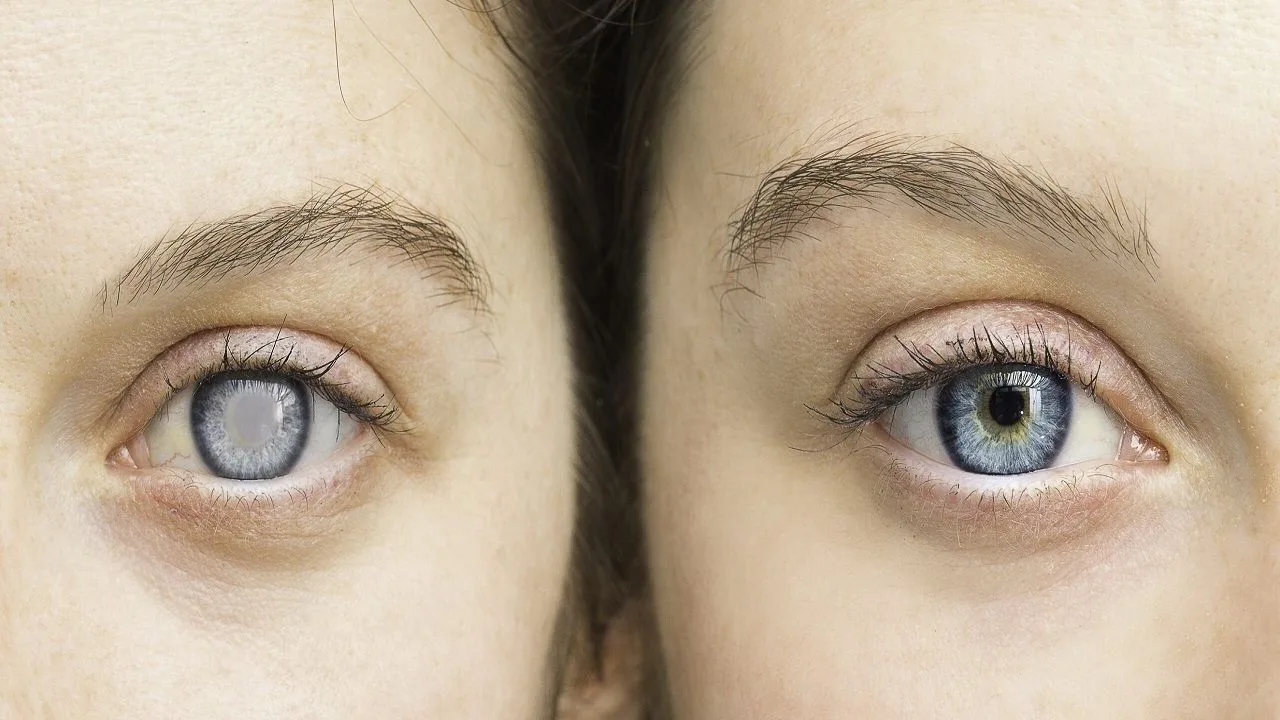
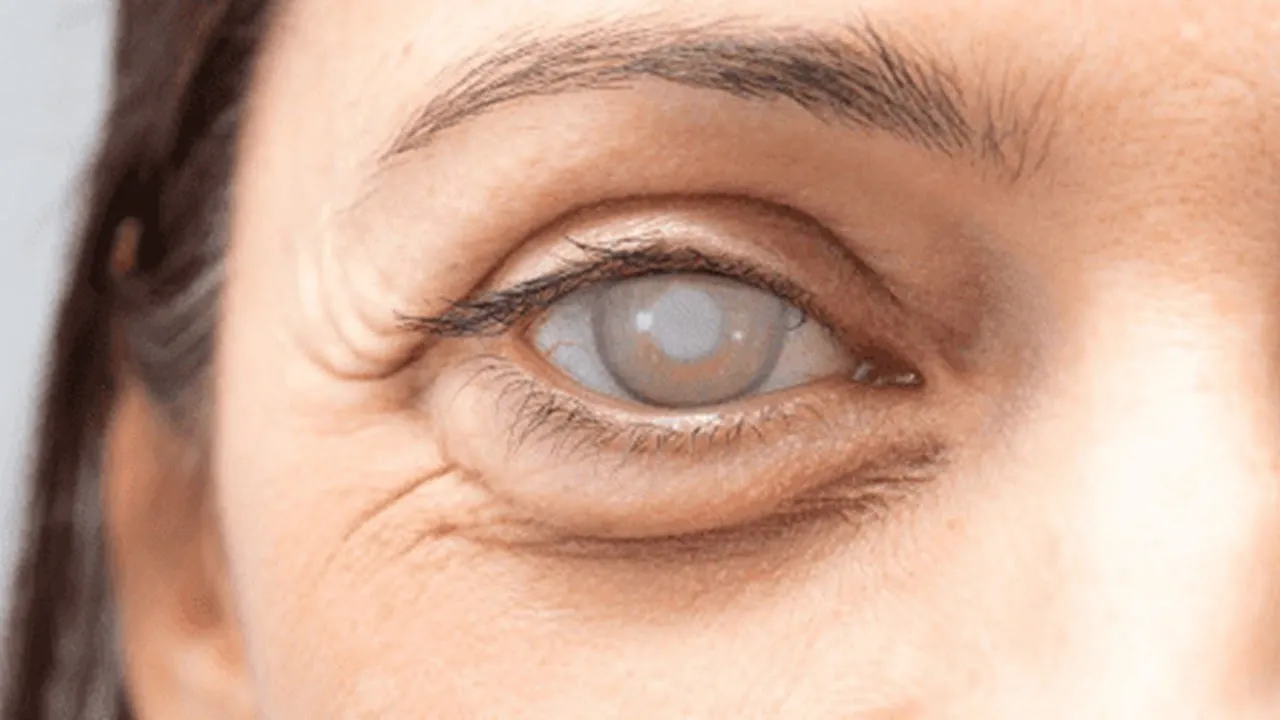
Cataract, which becomes more common after the age of 55-60, reduces vision as it progresses and is treated with
cataract surgery. According to the World Health Organisation, at least 2.2 billion people worldwide have a vision impairment, around 94 million of them because of cataract. Kudret Eye İstanbul Chief Physician Op. Dr
Nail Sönmez enlightened the most curious about cataract disease, which becomes markedly more common after the age of 55-60:
Cataract Becomes More Common After the Age of 55-60!
Kudret Eye İstanbul Chief Physician Op. Dr. Nail Sönmez; "Cataract is the deterioration of visual clarity as a result of dulling of the natural lens in the eye. It is a discomfort that develops mostly due to age. Although it becomes more common after the age of 55-60, it can also be seen in diabetics, those who have been using cortisone medication for a long time, those who have cataract disease in their family, those who are exposed to the sun for a long time, such as agricultural workers, and even newborn babies. Impacts to the eye, previous operations, intraocular inflammations may also cause cataract formation. The incidence of cataract increases with age. While cataract is seen in around 15 - 20% of people aged 60 years, this rate reaches 30 - 40% in people aged 65 - 74 years and 50% in people over 75 years. Cataract is not a disease that occurs suddenly, it is a disease that usually progresses slowly over time. It may occur in both eyes at the same time or it may start in one eye and then develop in the other eye. Difficulty in reading, nearsightedness, blurred vision, sensitivity to light, double vision, yellowing and dulling of colours, decreased contrast are the main symptoms of cataract. Patients commonly complain of a blurred image as if they are looking through a foggy glass."
Say Goodbye to Cataract and Glasses at the Same Time!
Kudret Eye İstanbul Chief Physician Op. Dr. Nail Sönmez stated that the only treatment method of cataract is possible by surgical means and talked about the convenience of surgeries performed in today's technology; "Cataract is a disease that cannot be treated with medication or glasses. The only treatment method is surgery. In the operation, the eyes are anaesthetised with drops and the patient is not put to sleep.
Intraocular lenses suitable for the natural structure of the eye are placed instead of the natural lens that has become dull and lost its function. The operation takes approximately 15-20 minutes per eye and patients can return home on the same day. In cataract treatments, lenses with the ability to show near and far together are used. Thus, treatment of visual defects such as myopia, hyperopia, astigmatism and the age-related loss of near vision,
presbyopia, is provided at the same time.
Multifocal lenses that provide clear vision in the middle distance are also used in the treatment. The appropriate lens to be used in the treatment is selected in line with the structure of the eye, the patient's lifestyle and needs."
Risk of Eye Pressure in Delayed Cataract Treatments!
Op. Dr. Nail Sönmez warned about the risks of delayed cataract treatment; "If cataract is not treated, it can progress and cause complete loss of vision. In advanced cases, cataract surgery becomes difficult and the risk of complications increases. In addition, in cataract cases whose treatment is delayed too long, eye pressure may develop and
the eye may turn (squint). Cataract is a disease that affects the quality of vision. In cases where cataract does not progress and does not pose a risk, it is not correct to talk about treatment urgency. The patient should be informed about the level of his/her visual complaints and his/her needs. Although vision loss due to cataract is at the same rate, the complaint of a patient who is engaged in a job that requires attention such as active driving may not be at the same level as the complaint of a patient who spends his days at home."




 Türkçe
 English
 Deutsch
 Nederlands
 Italiano
 Español
 Français
 Български
 Română
 Русский
 العربية