




Cataract Treatments
At What Age Does Cataract Occur?
- Kudret Eye Istanbul
- Last updated:
- 6 min read
- Medically reviewed by Op. Dr. Mehmet Ali Özdil
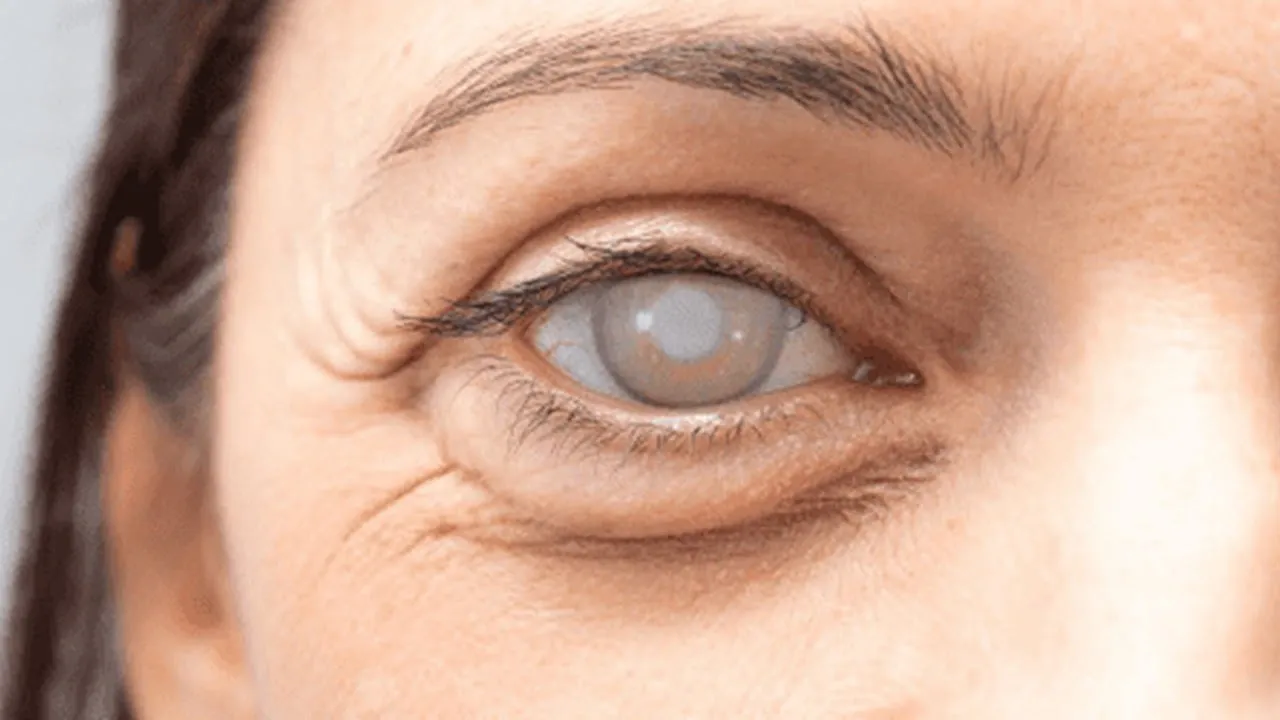
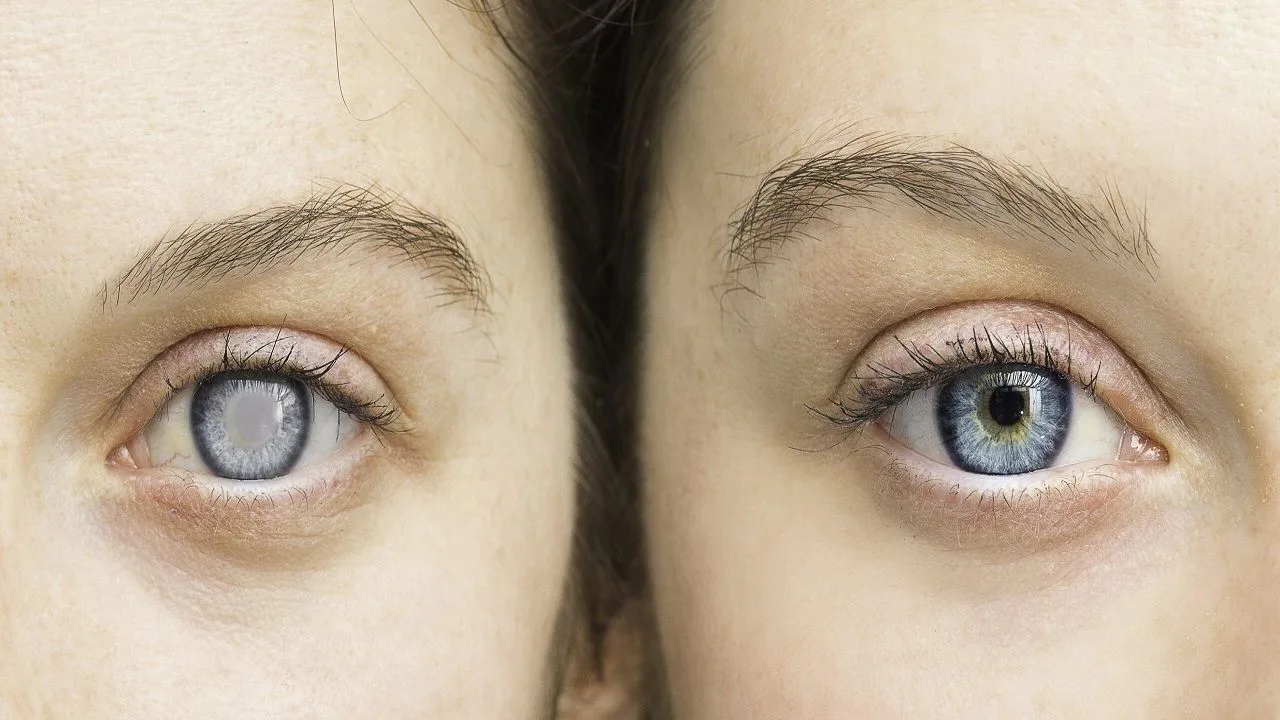
Cataract is an eye condition that can appear in people of any age. Questions such as at what age cataract occurs and how it develops are widely asked. Cataract is a condition in which the lens of the eye loses its transparency, causing a range of vision problems, and if it is not treated early it can lead to permanent sight loss. It makes itself known through symptoms such as extreme sensitivity to light, night blindness and blurred vision. Although it is among the most common eye conditions and becomes more common after the age of 55-60, it can also appear at a younger age.
Across the population as a whole cataract becomes markedly more common after the age of 55-60; by the age of 80, more than half of people either have cataract or have had cataract surgery. Diabetes, corticosteroid use, eye trauma and metabolic disorders all raise the risk of cataract in childhood or young adulthood.
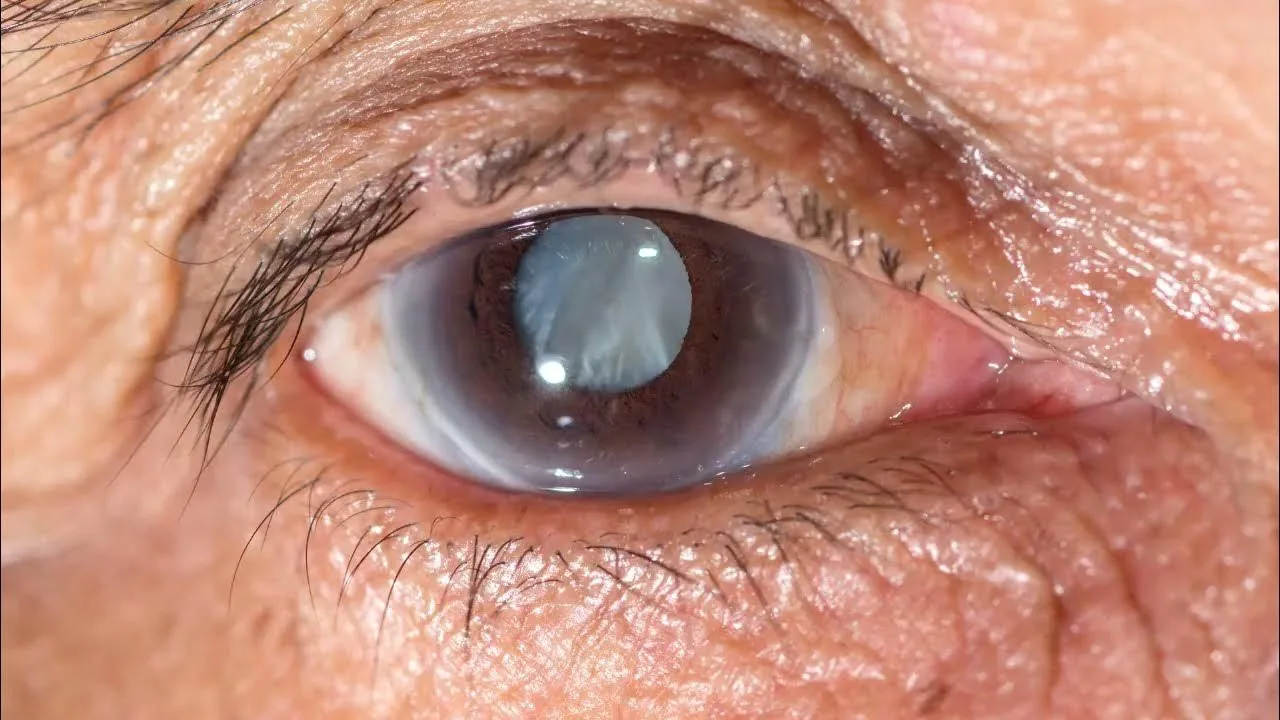
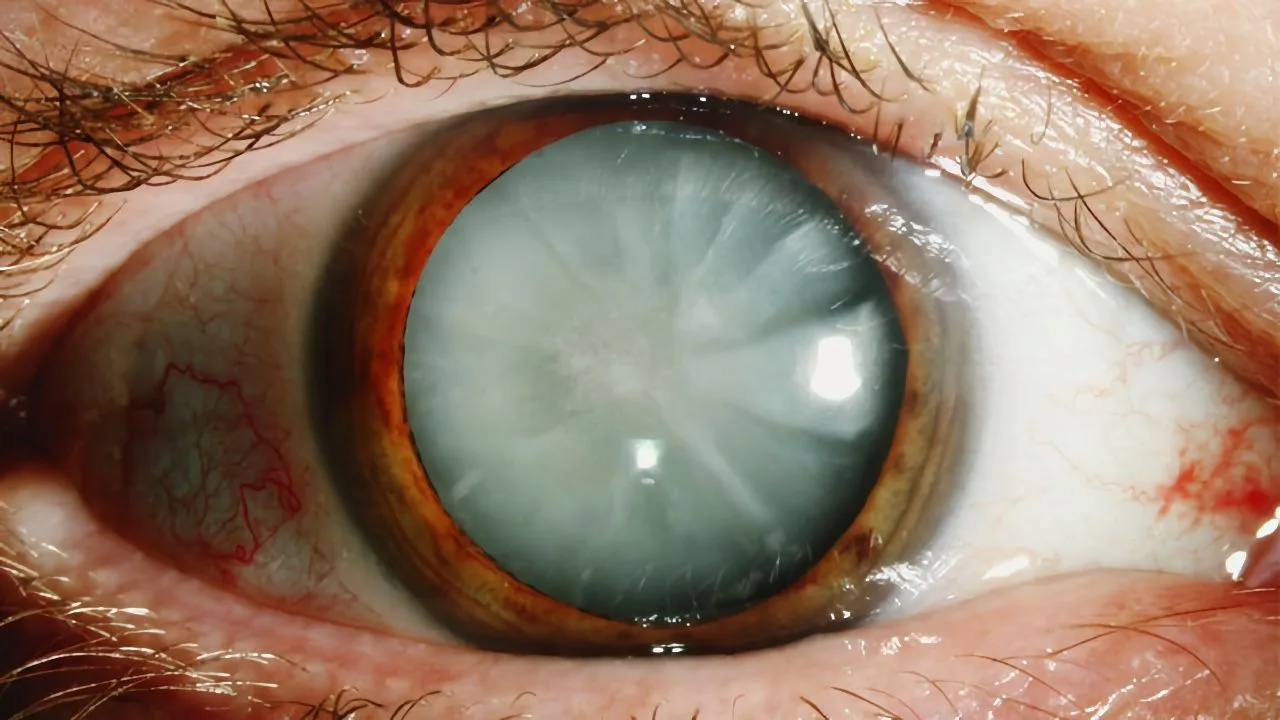
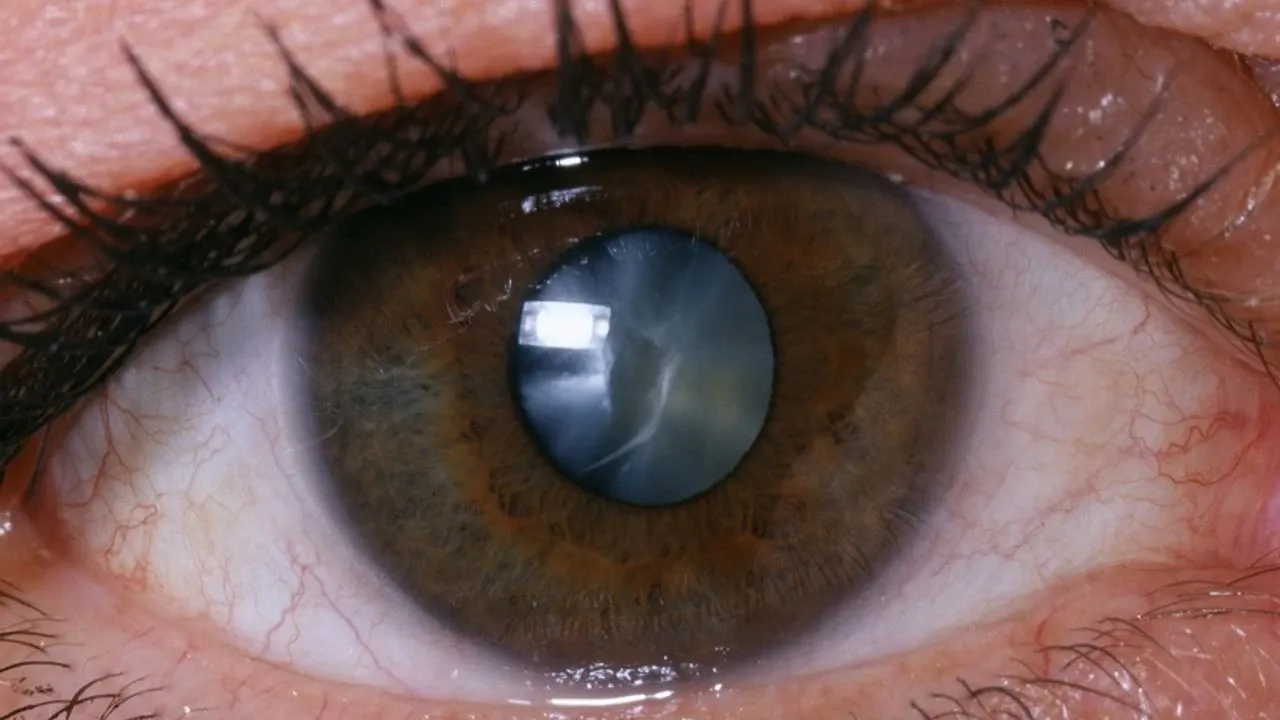
In cataract, clouding develops in the lens of the eye, and although this structure is normally transparent it loses that quality. Because the lens loses this structural property, many problems with vision arise, presenting with symptoms such as unclear or blurred vision and the sense of a veil across the eye. It can also arise when protein builds up in this part of the eye. It may be congenital or age-related, and it can also be seen in younger people as a result of external factors.
One of the most distinctive features of cataract is glare, together with haloes around lights. Headache, eye strain and extreme sensitivity to changes in light are among the other symptoms. The protein that gathers in the lens both obstructs vision and disturbs the structure of the lens. If it is not treated in time it is a problem that can lead to blindness, and its definitive solution is surgery.
 Inflammation in the part of the eye called the uvea is known as uveitis. Certain steroid medicines are used to treat this condition, but they raise the risk of cataract. Long-term use of corticosteroid medicines is therefore one of the greatest external factors in the development of cataract.
People with cataract generally come to the doctor with blurred vision and the feeling of a veil over the eye. As cataract advances, very different problems can appear. People with advanced cataract may lose their sight entirely. They have difficulty seeing while watching television, using a phone, reading a book or a newspaper, driving, and in low light. Glare and haloes around lights are among the most noticeable features.
Inflammation in the part of the eye called the uvea is known as uveitis. Certain steroid medicines are used to treat this condition, but they raise the risk of cataract. Long-term use of corticosteroid medicines is therefore one of the greatest external factors in the development of cataract.
People with cataract generally come to the doctor with blurred vision and the feeling of a veil over the eye. As cataract advances, very different problems can appear. People with advanced cataract may lose their sight entirely. They have difficulty seeing while watching television, using a phone, reading a book or a newspaper, driving, and in low light. Glare and haloes around lights are among the most noticeable features.
How Does Cataract Develop?
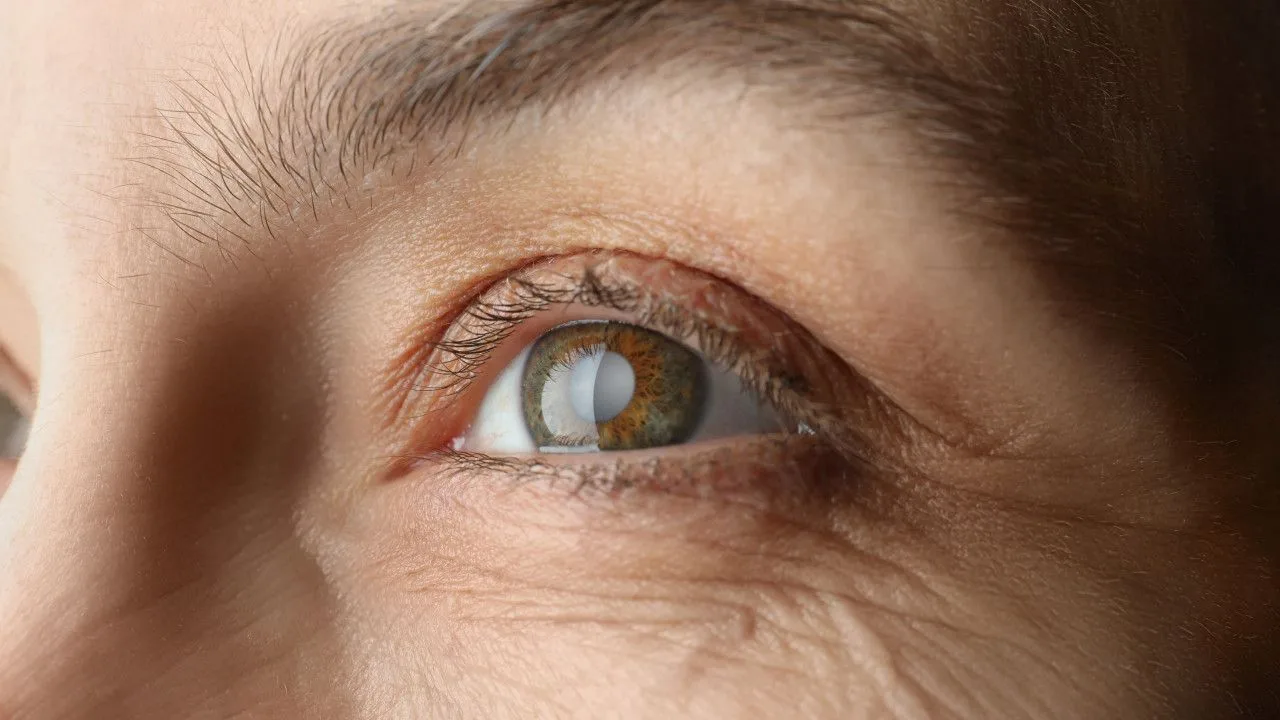
How cataract develops is one of the questions asked most about this condition. Cataract begins with deterioration of the lens, one of the important structures located behind the pupil that make sight possible. This lens is entirely transparent, and it loses that transparency because of protein filling it. The lens then turns cloudy and comes to obstruct vision. There are many causes of cataract, chief among them age, diabetes and high blood pressure. The other causes can be listed as follows:- Damage to the eye and various eye injuries
- Old age and congenital factors
- Genetic predisposition
- Smoking and alcohol consumption
- High blood pressure
- Diabetes
- Excessive exposure to sunlight
- Long-term systemic, unsupervised or high-dose topical corticosteroid use
- Previous eye surgery
- Radiation given in cancer treatment, and intense UV-B exposure such as that of welders and mountaineers
- Other factors from the environment
Inflammation in the part of the eye called the uvea is known as uveitis. Certain steroid medicines are used to treat this condition, but they raise the risk of cataract. Long-term use of corticosteroid medicines is therefore one of the greatest external factors in the development of cataract.
People with cataract generally come to the doctor with blurred vision and the feeling of a veil over the eye. As cataract advances, very different problems can appear. People with advanced cataract may lose their sight entirely. They have difficulty seeing while watching television, using a phone, reading a book or a newspaper, driving, and in low light. Glare and haloes around lights are among the most noticeable features.
Symptoms of Cataract
The symptoms of cataract appear in many forms, yet certain features stand out. Those symptoms can also be seen in other eye conditions, so an examination by a doctor is always needed. Cataract is one of the most common eye conditions and becomes more common after the age of 55-60. Beginning in the lens of the eye, it must be treated promptly, before it advances further. Some of its symptoms are:- Difficulty seeing at distance and near
- Strong sensitivity to light
- Seeing lines around lights, that is haloes and glare
- Blurred vision
- A frequent need to change the prescription
- Eye strain
- A marked decline in night vision
- Difficulty reading books, magazines and newspapers
- Loss of depth perception
- Difficulty while driving
- Colours shifting towards yellow and brown
- Seeing colours as more faded