


 Türkçe
 English
 Deutsch
 Nederlands
 Italiano
 Español
 Français
 Български
 Română
 Русский
 العربية


Eye Laser Treatments
How Long Does Laser Eye Surgery Last?
- Kudret Eye Istanbul
- Last updated:
- 4 min read
- Medically reviewed by Op. Dr. Mehmet Ali Özdil
Glasses... Sometimes a style statement, but let's face it, most of the time they're a burden. Getting wet in the rain, getting fogged, the difficulties it creates while doing sports, or searching for them first thing in the morning. Laser eye surgery is the promise of putting an end to this burden. So, how valid is this promise? Perhaps the most critical question is: How long does laser eye surgery last? So will this comfort last a lifetime? Let's address this issue in the most understandable way, free of all unnecessary confusion.
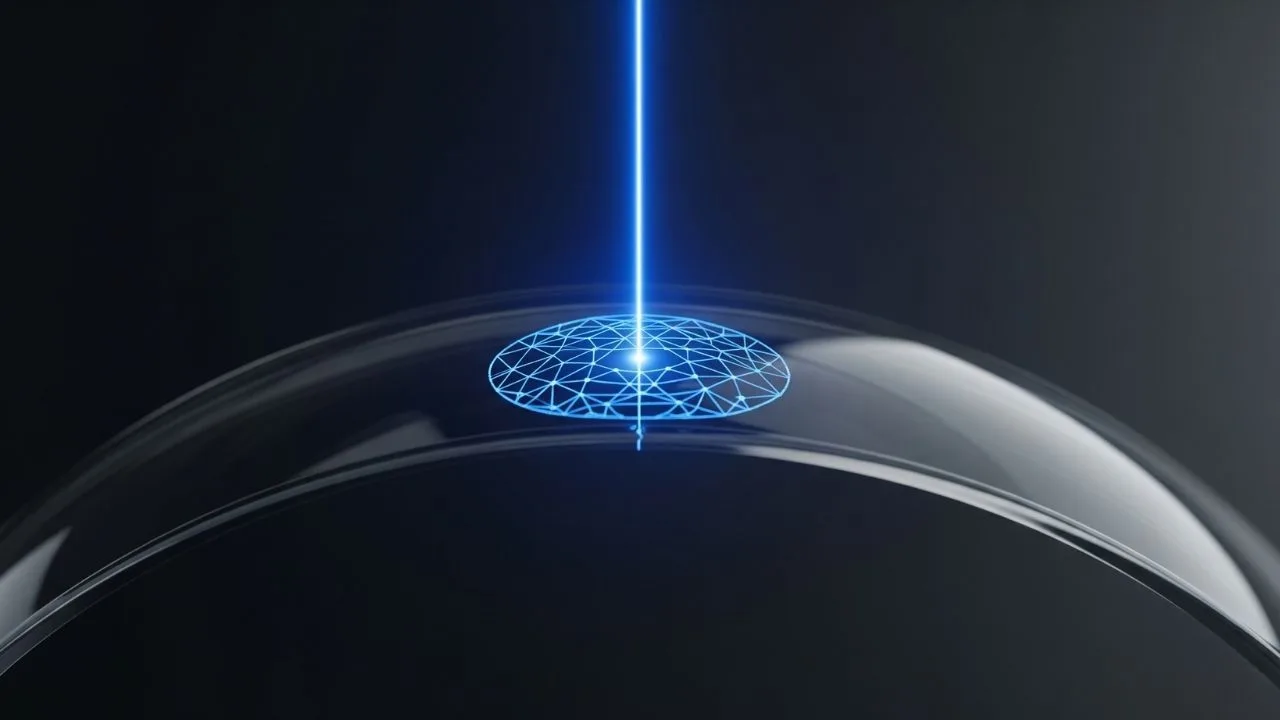 Let's start with the clearest and most basic answer: Yes, the change made by a laser on the cornea layer of your eye is permanent. This is not a drug whose effect will wear off over time. This is a physical reshaping process. The correction made by the laser is permanent. Period. The surface of your eye, the cornea, is given a new shape that will never change again. This is the process done by the laser, and this process cannot be reversed. The reason why myopia or astigmatism is resolved is this permanent physical change.
In other words, the operation itself is lifelong by its nature. Your cornea, which has been corrected with the laser, will remain the same after 10 years. This is the technical and immutable truth of the matter. However, this truth does not mean that you will "never have an eye problem again." Because there is a second and very important part of the equation: your eye itself. The eye is a living organ and, like the rest of our body, it is susceptible to the effects of time.
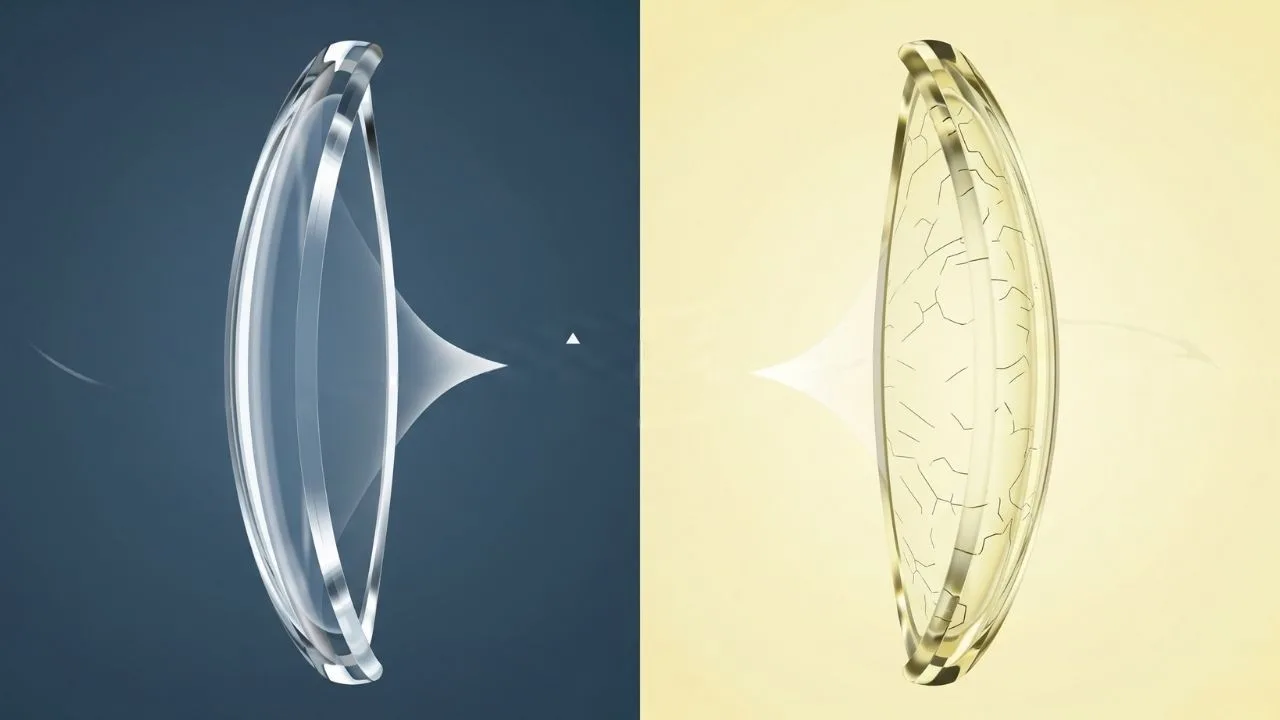 This is where the confusion is the most. Someone who has had laser surgery and had great vision for years usually notices something has changed by the time they reach their 40s. It becomes difficult to read nearby text, and their phone screen becomes blurry. The first question that comes to mind and causes panic is: "Is the laser wearing off?" The answer: Absolutely not. The problem is not with the laser, but with the natural aging process of your eye.
Think of the lens inside our eyes as the muscles of a young athlete. It instantly adapts to any distance, flexes, and relaxes. It focuses smoothly. What happens as we age? Like those muscles, our eye lenses lose their former flexibility and become increasingly rigid. They can no longer make the old, rapid 'flexing' movement for close distances. It can no longer focus as quickly and clearly for close distances. Just like a rubber band hardens over time. This condition is called "presbyopia" in medical terms and is seen in everyone without exception, whether they have had laser surgery or not. In other words, it does not affect the perfect distance vision that laser surgery gives you; it only causes the need for reading glasses, depending on age.
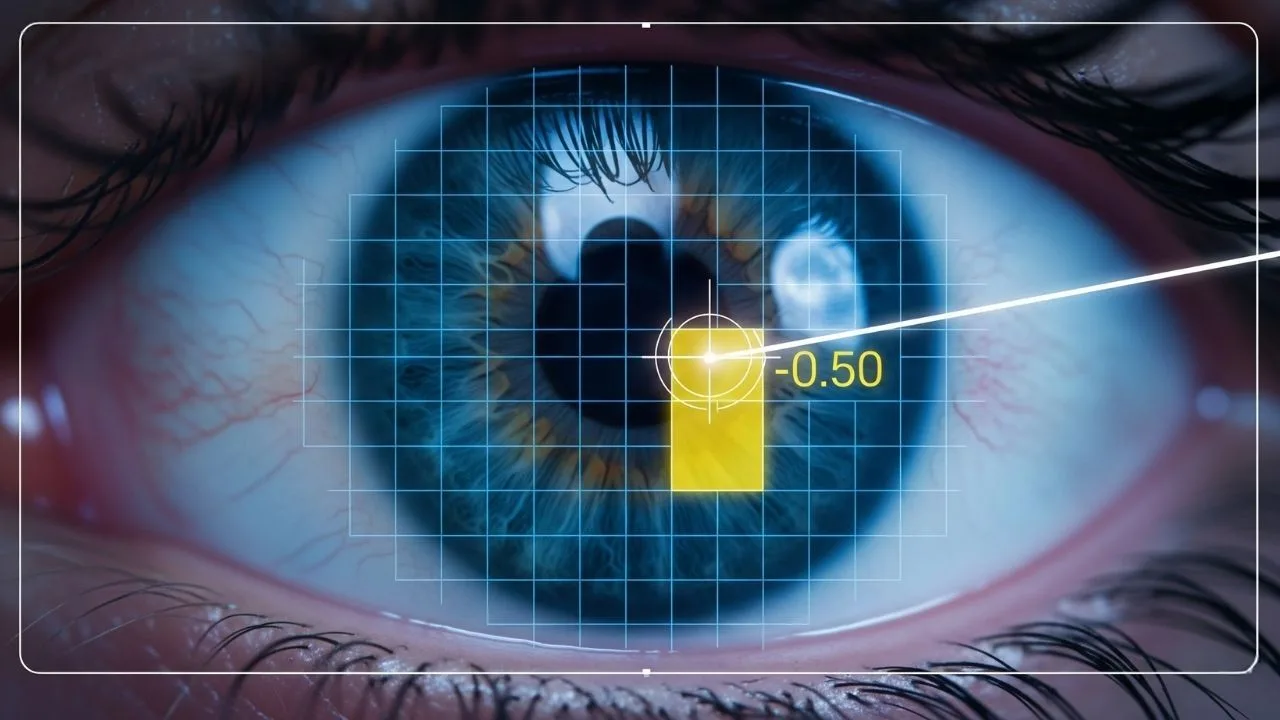 What about that much-feared scenario? That is, the prescription returning a little? Yes, it is possible, although it is unlikely. This condition, called "regression" in medicine, can usually occur within the first year after the operation, depending on the body's healing response. However, this does not mean that the prescription will return completely. It is usually small values such as -0.50 or -0.75, which do not affect the person's life much and allow them to continue living without glasses.
There are some factors that can trigger this low probability. Knowing these is important to manage expectations correctly:
Follow Kudret Eye on GoogleAdd us to your preferred sourcesBasic Rule: The Change Made by the Laser is Permanent
Let's start with the clearest and most basic answer: Yes, the change made by a laser on the cornea layer of your eye is permanent. This is not a drug whose effect will wear off over time. This is a physical reshaping process. The correction made by the laser is permanent. Period. The surface of your eye, the cornea, is given a new shape that will never change again. This is the process done by the laser, and this process cannot be reversed. The reason why myopia or astigmatism is resolved is this permanent physical change.
In other words, the operation itself is lifelong by its nature. Your cornea, which has been corrected with the laser, will remain the same after 10 years. This is the technical and immutable truth of the matter. However, this truth does not mean that you will "never have an eye problem again." Because there is a second and very important part of the equation: your eye itself. The eye is a living organ and, like the rest of our body, it is susceptible to the effects of time.
The Real Question: Does the Eye Itself Change Over Time?
This is where the confusion is the most. Someone who has had laser surgery and had great vision for years usually notices something has changed by the time they reach their 40s. It becomes difficult to read nearby text, and their phone screen becomes blurry. The first question that comes to mind and causes panic is: "Is the laser wearing off?" The answer: Absolutely not. The problem is not with the laser, but with the natural aging process of your eye.
Think of the lens inside our eyes as the muscles of a young athlete. It instantly adapts to any distance, flexes, and relaxes. It focuses smoothly. What happens as we age? Like those muscles, our eye lenses lose their former flexibility and become increasingly rigid. They can no longer make the old, rapid 'flexing' movement for close distances. It can no longer focus as quickly and clearly for close distances. Just like a rubber band hardens over time. This condition is called "presbyopia" in medical terms and is seen in everyone without exception, whether they have had laser surgery or not. In other words, it does not affect the perfect distance vision that laser surgery gives you; it only causes the need for reading glasses, depending on age.
Risks and "Fine Tuning": What Happens If the Prescription Returns?
What about that much-feared scenario? That is, the prescription returning a little? Yes, it is possible, although it is unlikely. This condition, called "regression" in medicine, can usually occur within the first year after the operation, depending on the body's healing response. However, this does not mean that the prescription will return completely. It is usually small values such as -0.50 or -0.75, which do not affect the person's life much and allow them to continue living without glasses.
There are some factors that can trigger this low probability. Knowing these is important to manage expectations correctly:
- High Prescriptions: In people with very high prescriptions before the operation, the risk of a small return is slightly higher because more work is done on the cornea.
- Corneal Structure: Everyone's corneal structure and healing potential are different. This can also affect the result.
- Age and Stability: Operations performed at a young age when the prescription has not yet settled and is variable may pose a risk. Therefore, it is expected that the prescription will remain stable for at least 1 year.