


 Türkçe
 English
 Deutsch
 Nederlands
 Italiano
 Español
 Français
 Български
 Română
 Русский
 العربية


Eye Laser Treatments
Can laser eye surgery fix astigmatism?
- Kudret Eye Istanbul
- Last updated:
- 4 min read
- Medically reviewed by Op. Dr. Mehmet Ali Özdil
When driving at night, the lights suddenly scatter like stars, torturing yourself by squinting your eyes to read signs... This is exactly the problem called astigmatism. Like a parasite that reduces the HD quality of life. Without beating around the bush, let me answer that famous question from the very beginning: can laser eye surgery fix astigmatism? Yes, and it can solve it from the root. But behind this "yes" lies finding the right one for you. This article is here to explain that seemingly complicated process to you in its simplest form, with the narration of a doctor.
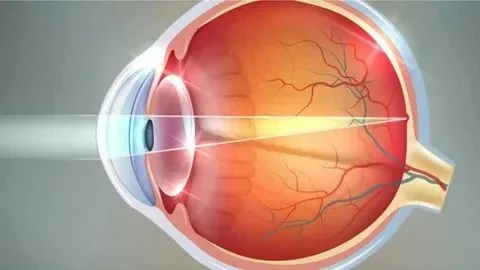
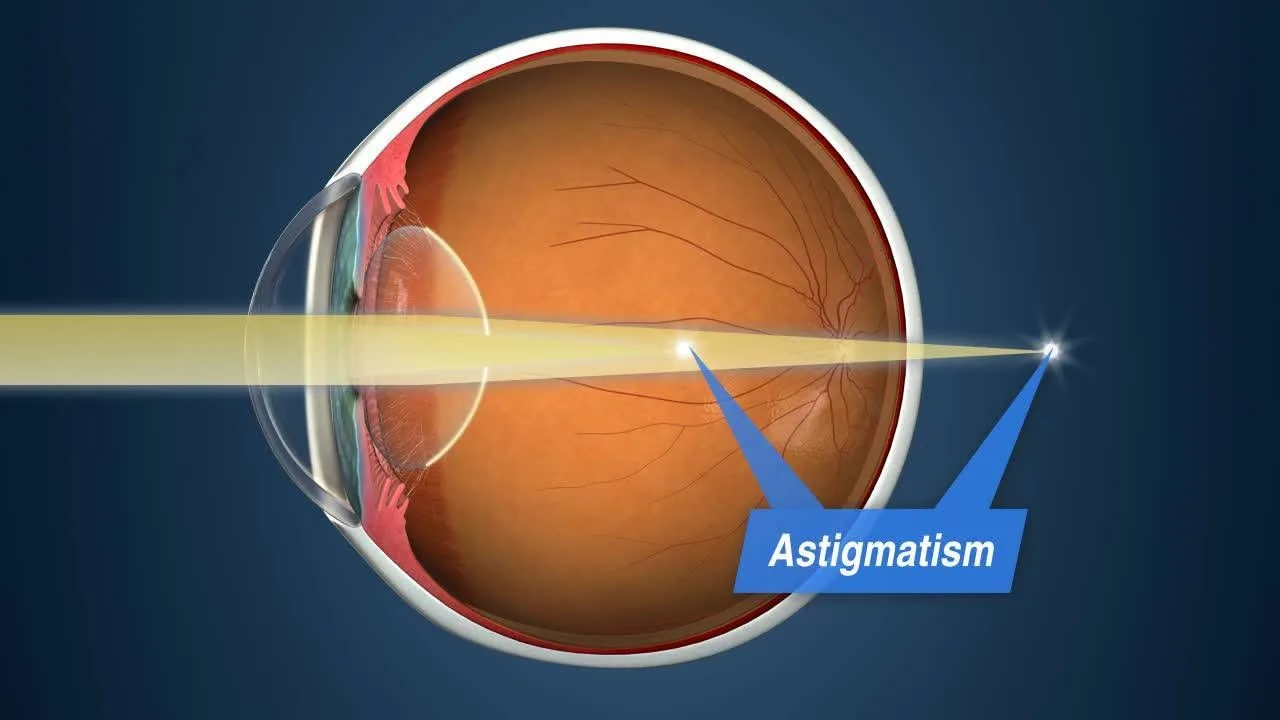
 The transparent part at the very front of a perfect eye, the cornea, is smooth like a ball. It receives light, bends it, and focuses it on a single point right behind. This is clarity. In astigmatism, this cornea is not like a ball, but like an egg that has been slightly pressed from the sides. Because of this deformity, light is scattered and cannot focus on a single point. The image becomes blurry, and the shapes become warped and distorted.
So what does the laser do? The laser is not a magic wand that touches your eye; it is an incredibly sensitive technology. With the mapping we do before the surgery, we measure how rough the "egg" shape of your eye is with a precision of one thousandth of a millimeter. Using this map, the laser reshapes the surface of your cornea, like a sculptor carving marble. It vaporizes the excess tissue and balances the missing. The aim is to take that egg and turn it into a perfect ball again. The laser works for a few seconds to 20-30 seconds per eye, depending on the prescription, you feel little or no pain, and most importantly... This correction is permanent. It does not correct the image temporarily like glasses do; it eliminates the source of the problem.
 You will come across several different methods. Don't be afraid, they all serve the same purpose, only the methods are slightly different. LASIK is the most popular. It is perfect for those who love speed. We open a tiny flap in the cornea, laser the bottom, and then close it. You wake up the next day, as if the world has switched to HD. The recovery process is very comfortable.
PRK is a more classic, "robust" method; its contact-free version is No Touch laser. There is no flap. The laser is applied directly to the surface of the cornea. It takes a few days longer to heal, and you may feel a bit stinging at first. But if your cornea is thin or you do hard sports like boxing, it is a safer option since there is no flap. Patience pays off. SMILE is the newest technology. Instead of a flap, we remove a thin disc of tissue (lenticule) created inside the cornea through a tiny incision. This involves the least intervention to the cornea. This makes those who are particularly prone to dry eyes happy. We decide together which one will be your champion after detailed measurements.
 The correction made by the laser is lifelong; your eyes will not return to their old state. But remember, our bodies age. Just as our hair turns gray after 40, our eyes may also start to need glasses, namely reading glasses, for close reading. This does not mean that the surgery was unsuccessful. This is a natural process of aging. The goal of the surgery is to eliminate astigmatism and myopia, not to stop aging. You should have seen the surprised happiness on the face of a patient of mine the other day when he said that he could look out the window and count the bricks of the building across the street one by one on the first morning after the surgery. This is a success for us.
So, how do we understand "are we done or not" for this job? There are actually a few simple rules:
Follow Kudret Eye on GoogleAdd us to your preferred sourcesThe "Egg" Problem in Your Eye and the Smart Solution of Laser
The transparent part at the very front of a perfect eye, the cornea, is smooth like a ball. It receives light, bends it, and focuses it on a single point right behind. This is clarity. In astigmatism, this cornea is not like a ball, but like an egg that has been slightly pressed from the sides. Because of this deformity, light is scattered and cannot focus on a single point. The image becomes blurry, and the shapes become warped and distorted.
So what does the laser do? The laser is not a magic wand that touches your eye; it is an incredibly sensitive technology. With the mapping we do before the surgery, we measure how rough the "egg" shape of your eye is with a precision of one thousandth of a millimeter. Using this map, the laser reshapes the surface of your cornea, like a sculptor carving marble. It vaporizes the excess tissue and balances the missing. The aim is to take that egg and turn it into a perfect ball again. The laser works for a few seconds to 20-30 seconds per eye, depending on the prescription, you feel little or no pain, and most importantly... This correction is permanent. It does not correct the image temporarily like glasses do; it eliminates the source of the problem.
LASIK, PRK, SMILE... What Do These Abbreviations Mean?
You will come across several different methods. Don't be afraid, they all serve the same purpose, only the methods are slightly different. LASIK is the most popular. It is perfect for those who love speed. We open a tiny flap in the cornea, laser the bottom, and then close it. You wake up the next day, as if the world has switched to HD. The recovery process is very comfortable.
PRK is a more classic, "robust" method; its contact-free version is No Touch laser. There is no flap. The laser is applied directly to the surface of the cornea. It takes a few days longer to heal, and you may feel a bit stinging at first. But if your cornea is thin or you do hard sports like boxing, it is a safer option since there is no flap. Patience pays off. SMILE is the newest technology. Instead of a flap, we remove a thin disc of tissue (lenticule) created inside the cornea through a tiny incision. This involves the least intervention to the cornea. This makes those who are particularly prone to dry eyes happy. We decide together which one will be your champion after detailed measurements.
Post-Operative and "Happily Ever After" Part
The correction made by the laser is lifelong; your eyes will not return to their old state. But remember, our bodies age. Just as our hair turns gray after 40, our eyes may also start to need glasses, namely reading glasses, for close reading. This does not mean that the surgery was unsuccessful. This is a natural process of aging. The goal of the surgery is to eliminate astigmatism and myopia, not to stop aging. You should have seen the surprised happiness on the face of a patient of mine the other day when he said that he could look out the window and count the bricks of the building across the street one by one on the first morning after the surgery. This is a success for us.
So, how do we understand "are we done or not" for this job? There are actually a few simple rules:
- Your eye prescription should have been stable for the last year. If it keeps changing, it's best to wait a little longer.
- You must be at least 18 years old.
- The transparent layer in front of your eye, the cornea, must be suitable for the chosen method.
- You must not have certain chronic diseases, such as uncontrolled diabetes.
- And most importantly, know what to expect. This is not magic, it's technology and medicine.