




Eye Diseases
Treatment for Floaters in Eyes
- Kudret Eye Istanbul
- Last updated:
- 5 min read
- Medically reviewed by Op. Dr. Mehmet Ali Özdil
Knowing that there is an effective treatment for floaters in eyes offered by modern medicine can put your mind at ease. Let's unravel the secret of these famous floaters together and take a look at the ways to get rid of them. Those little black dots and filaments that suddenly appear in front of your eyes while you are happily reading your book or focusing on the computer screen on a sunny day... Sound familiar? These uninvited guests that move with you wherever you look but escape just when you are about to catch them are often a part of life, but sometimes they can be annoying. Most of us dismiss this situation by saying, "something is floating in front of my eyes". But what if this situation is no longer a matter of ignoring and has started to affect your daily life, your reading pleasure, and your driving safety?
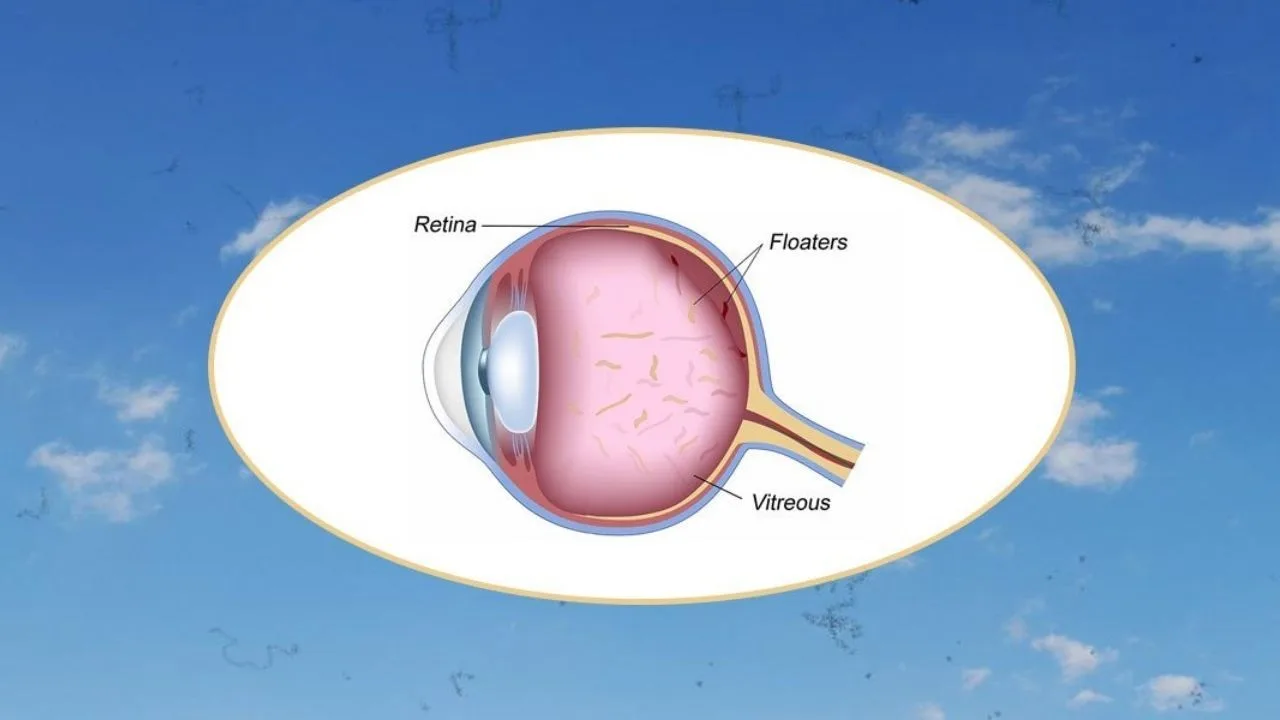 These floaters have a scientific name: eye floaters. These are tiny particles of the jelly-like transparent fluid (vitreous) that fills the inside of our eyes. Think of your eye as a snow globe; just as the snow inside it is blown away when you turn your head, these particles float in the eye fluid. We see their shadows on the retina. This gel, which is dense and homogeneous at a young age, becomes a little watery over time, especially with the aging process, and the fibers inside it start to stick together and clump. This is the most common reason. It is a completely natural process.
Of course, getting older is not the only reason. Sometimes an eye trauma, in other words, a blow to the eye, can accelerate this process. Or conditions such as diabetes and some eye infections can also disrupt the structure of the vitreous gel and pave the way for these floaters. We can see this situation more frequently in people with high myopia, especially because their eye structure is a little different. So, as you can see, there may be more than one reason behind the appearance of these small dots. Most of them are harmless, but sometimes they can be the first sign of a more serious problem. Making this distinction is only possible with a specialist examination.
So, when should we worry? We said that floaters are generally harmless, but some signs indicate that you should see an eye doctor with an "emergency" code. If you are experiencing one of these, please do not waste time:
These floaters have a scientific name: eye floaters. These are tiny particles of the jelly-like transparent fluid (vitreous) that fills the inside of our eyes. Think of your eye as a snow globe; just as the snow inside it is blown away when you turn your head, these particles float in the eye fluid. We see their shadows on the retina. This gel, which is dense and homogeneous at a young age, becomes a little watery over time, especially with the aging process, and the fibers inside it start to stick together and clump. This is the most common reason. It is a completely natural process.
Of course, getting older is not the only reason. Sometimes an eye trauma, in other words, a blow to the eye, can accelerate this process. Or conditions such as diabetes and some eye infections can also disrupt the structure of the vitreous gel and pave the way for these floaters. We can see this situation more frequently in people with high myopia, especially because their eye structure is a little different. So, as you can see, there may be more than one reason behind the appearance of these small dots. Most of them are harmless, but sometimes they can be the first sign of a more serious problem. Making this distinction is only possible with a specialist examination.
So, when should we worry? We said that floaters are generally harmless, but some signs indicate that you should see an eye doctor with an "emergency" code. If you are experiencing one of these, please do not waste time:
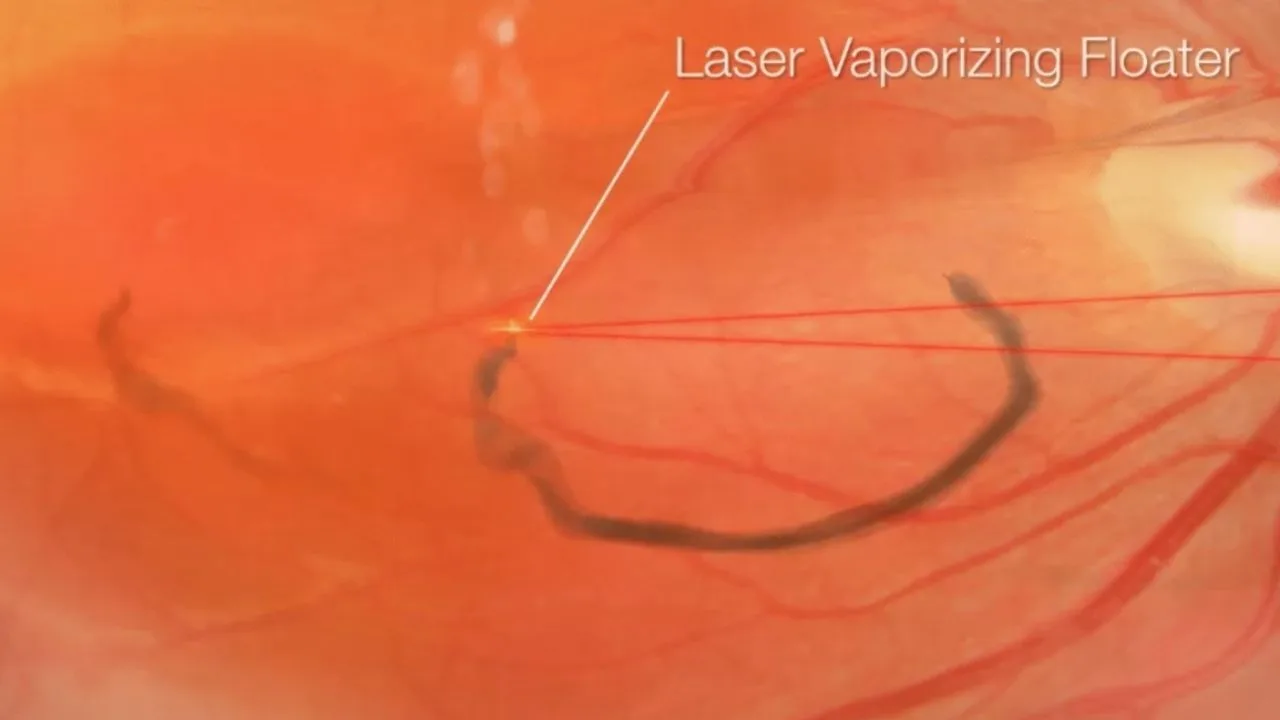 You may have gotten used to living with that spot in front of your eye for years. But you don’t have to anymore. Vitreolysis is a non-surgical, generally comfortable and effective laser procedure that comes into play at this point. You can think of this treatment as a magic touch that vaporizes those annoying particles inside your eye with the precision of a sculptor. The laser energy focuses directly on these floaters in split-second pulses and either destroys them or breaks them into pieces so small that they are no longer noticeable. The result? Uninterrupted light reaches your retina, and you regain clear vision.
Of course, this treatment is not applied to everyone with floaters. If these spots reduce your quality of life, for example, if they constantly distract you while reading or if they stop right in your center of vision and get on your nerves, then you may be a great candidate for Vitreolysis. The decision will be made by your doctor, of course, after a detailed examination. Your doctor will evaluate the nature, size, and location of your floaters and will give you a clear idea of whether this treatment is right for you. The aim is to avoid any unnecessary intervention and only offer this comfort to patients who will truly benefit from it. Vitreolysis is not suitable for people who have a retinal tear or are at risk of retinal detachment.
You may have gotten used to living with that spot in front of your eye for years. But you don’t have to anymore. Vitreolysis is a non-surgical, generally comfortable and effective laser procedure that comes into play at this point. You can think of this treatment as a magic touch that vaporizes those annoying particles inside your eye with the precision of a sculptor. The laser energy focuses directly on these floaters in split-second pulses and either destroys them or breaks them into pieces so small that they are no longer noticeable. The result? Uninterrupted light reaches your retina, and you regain clear vision.
Of course, this treatment is not applied to everyone with floaters. If these spots reduce your quality of life, for example, if they constantly distract you while reading or if they stop right in your center of vision and get on your nerves, then you may be a great candidate for Vitreolysis. The decision will be made by your doctor, of course, after a detailed examination. Your doctor will evaluate the nature, size, and location of your floaters and will give you a clear idea of whether this treatment is right for you. The aim is to avoid any unnecessary intervention and only offer this comfort to patients who will truly benefit from it. Vitreolysis is not suitable for people who have a retinal tear or are at risk of retinal detachment.
 So, how does the process work when the decision for treatment is made? Rest assured, there's nothing to fear. Our team at Kudret Eye İstanbul has an approach that understands you and explains the entire process to you in its simplest form. On the day of the procedure, all you need to do is spend 15-20 minutes in a comfortable chair in an outpatient clinic environment. First, we numb your eye with an anesthetic drop, so you don't feel any pain. Then, our doctor focuses on the inside of your eye with a special lens and eliminates those annoying floaters by targeting them 'click by click' with tiny laser pulses. That's all!
You can get up and return to your daily life as soon as the procedure is over. There's no hospital stay, no long recovery times. You may notice a few small gas bubbles in your vision right after the procedure, but this is very normal and disappears on its own within a few hours. The look of delight on our patients' faces after the procedure is our greatest happiness. Getting rid of that curtain that has been clouding your vision for years can, believe me, provide you with a fresh start in your life. If you are also complaining about the floaters in your eyes, don't delay any longer. Come, have a cup of coffee, and let's talk about how we can help you.
So, how does the process work when the decision for treatment is made? Rest assured, there's nothing to fear. Our team at Kudret Eye İstanbul has an approach that understands you and explains the entire process to you in its simplest form. On the day of the procedure, all you need to do is spend 15-20 minutes in a comfortable chair in an outpatient clinic environment. First, we numb your eye with an anesthetic drop, so you don't feel any pain. Then, our doctor focuses on the inside of your eye with a special lens and eliminates those annoying floaters by targeting them 'click by click' with tiny laser pulses. That's all!
You can get up and return to your daily life as soon as the procedure is over. There's no hospital stay, no long recovery times. You may notice a few small gas bubbles in your vision right after the procedure, but this is very normal and disappears on its own within a few hours. The look of delight on our patients' faces after the procedure is our greatest happiness. Getting rid of that curtain that has been clouding your vision for years can, believe me, provide you with a fresh start in your life. If you are also complaining about the floaters in your eyes, don't delay any longer. Come, have a cup of coffee, and let's talk about how we can help you.
These Famous Eye Floaters: What Are They, Why Do They Happen?
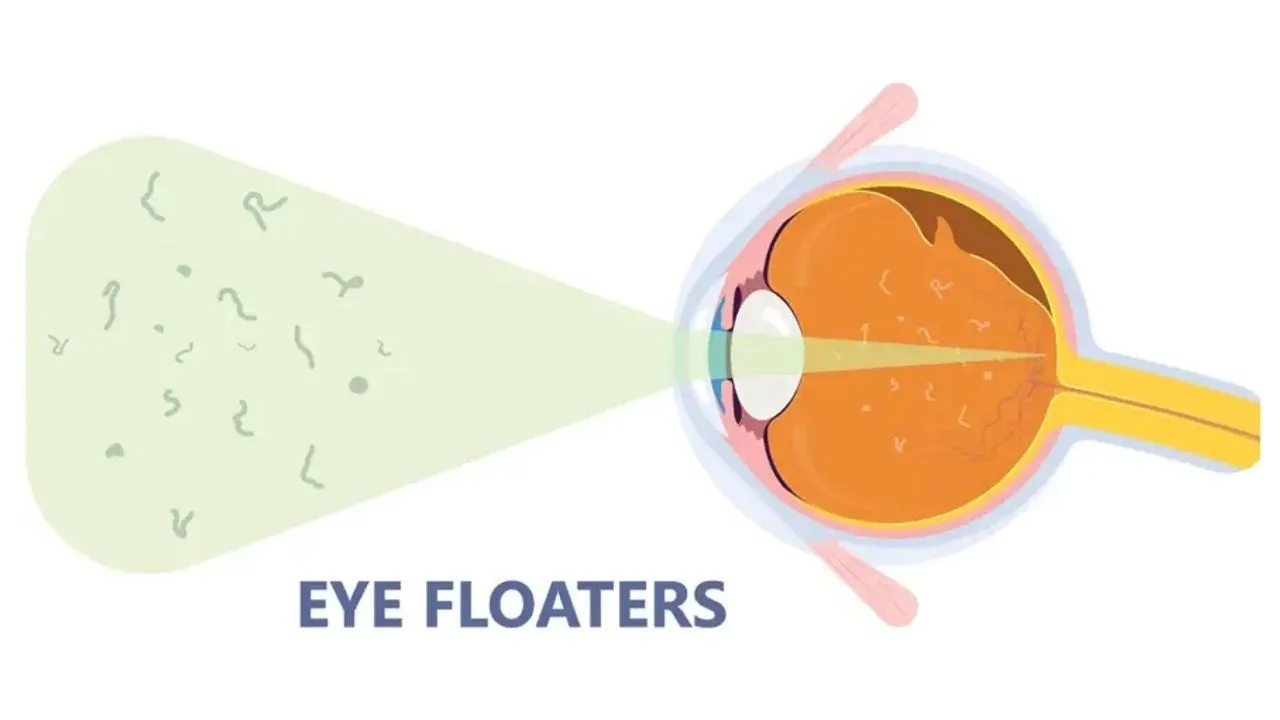
These floaters have a scientific name: eye floaters. These are tiny particles of the jelly-like transparent fluid (vitreous) that fills the inside of our eyes. Think of your eye as a snow globe; just as the snow inside it is blown away when you turn your head, these particles float in the eye fluid. We see their shadows on the retina. This gel, which is dense and homogeneous at a young age, becomes a little watery over time, especially with the aging process, and the fibers inside it start to stick together and clump. This is the most common reason. It is a completely natural process.
Of course, getting older is not the only reason. Sometimes an eye trauma, in other words, a blow to the eye, can accelerate this process. Or conditions such as diabetes and some eye infections can also disrupt the structure of the vitreous gel and pave the way for these floaters. We can see this situation more frequently in people with high myopia, especially because their eye structure is a little different. So, as you can see, there may be more than one reason behind the appearance of these small dots. Most of them are harmless, but sometimes they can be the first sign of a more serious problem. Making this distinction is only possible with a specialist examination.
So, when should we worry? We said that floaters are generally harmless, but some signs indicate that you should see an eye doctor with an "emergency" code. If you are experiencing one of these, please do not waste time:
- If there is a sudden and intense increase in the number of floaters.
- If floaters are accompanied by light flashes, such as lightning or flashing lights.
- If a fixed shadow or curtain is falling on one side of your field of vision.
- If you have experienced sudden vision loss.
Vitreolysis Laser: Say Goodbye to Those Annoying Spots
You may have gotten used to living with that spot in front of your eye for years. But you don’t have to anymore. Vitreolysis is a non-surgical, generally comfortable and effective laser procedure that comes into play at this point. You can think of this treatment as a magic touch that vaporizes those annoying particles inside your eye with the precision of a sculptor. The laser energy focuses directly on these floaters in split-second pulses and either destroys them or breaks them into pieces so small that they are no longer noticeable. The result? Uninterrupted light reaches your retina, and you regain clear vision.
Of course, this treatment is not applied to everyone with floaters. If these spots reduce your quality of life, for example, if they constantly distract you while reading or if they stop right in your center of vision and get on your nerves, then you may be a great candidate for Vitreolysis. The decision will be made by your doctor, of course, after a detailed examination. Your doctor will evaluate the nature, size, and location of your floaters and will give you a clear idea of whether this treatment is right for you. The aim is to avoid any unnecessary intervention and only offer this comfort to patients who will truly benefit from it. Vitreolysis is not suitable for people who have a retinal tear or are at risk of retinal detachment.
The Treatment Process at Kudret Eye İstanbul: There's Nothing to Fear!
So, how does the process work when the decision for treatment is made? Rest assured, there's nothing to fear. Our team at Kudret Eye İstanbul has an approach that understands you and explains the entire process to you in its simplest form. On the day of the procedure, all you need to do is spend 15-20 minutes in a comfortable chair in an outpatient clinic environment. First, we numb your eye with an anesthetic drop, so you don't feel any pain. Then, our doctor focuses on the inside of your eye with a special lens and eliminates those annoying floaters by targeting them 'click by click' with tiny laser pulses. That's all!
You can get up and return to your daily life as soon as the procedure is over. There's no hospital stay, no long recovery times. You may notice a few small gas bubbles in your vision right after the procedure, but this is very normal and disappears on its own within a few hours. The look of delight on our patients' faces after the procedure is our greatest happiness. Getting rid of that curtain that has been clouding your vision for years can, believe me, provide you with a fresh start in your life. If you are also complaining about the floaters in your eyes, don't delay any longer. Come, have a cup of coffee, and let's talk about how we can help you.