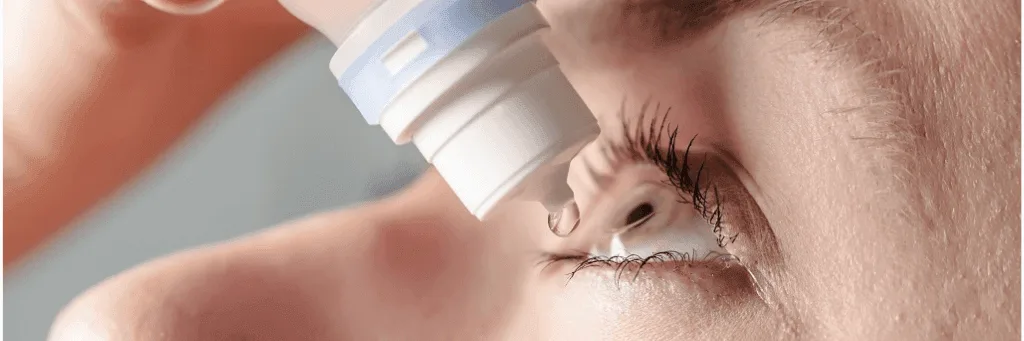
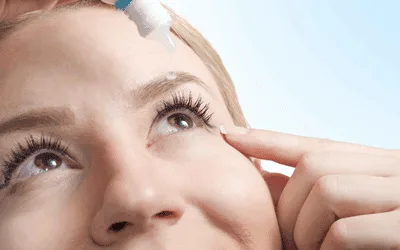
Dry eye is a common eye condition caused by insufficient tear production or evaporation of tears. The lack of tear film, which provides and maintains the moisture of the eye surface, manifests itself with symptoms such as burning, stinging, redness and blurred vision. Various methods are used in the treatment of dry eye.
Traditional treatments for
dry eye include artificial tear drops, warm compresses and eyelid hygiene. In recent years, however, IPL (intense pulsed light) treatment has come to the fore as an option, particularly for dry eye caused by dysfunction of the oil glands along the edges of the eyelids (the meibomian glands). It is sometimes called IPL laser, but IPL is not a laser: it uses intense pulses of light.
Meibomian glands are the glands that produce the oily layer of the tear film, and a lack of this layer leads to rapid evaporation of tears. IPL treatment helps to improve the function of these glands and so makes the tear film more stable.
Treatment usually takes several sessions, and each session is completed in approximately 15 to 20 minutes. Most patients feel no pain during the procedure, although a mild sensation of warmth or discomfort is possible. The effect usually becomes apparent within a few weeks, and many patients need artificial tears less often. As dry eye is usually a long-term condition, top-up sessions may be needed at intervals to maintain the effect.
Dry eye IPL treatment prices
Dry eye is a condition in which the surface of the eye cannot produce tears in sufficient quantity or quality, and this condition may adversely affect the quality of life. Different methods are used in the treatment of dry eye. IPL treatment is one of these methods, and its price may vary depending on various factors.
IPL treatment aims to improve the function of the oil glands in the eyelids (the meibomian glands). It is usually applied in several sessions, so the total cost depends on the number of sessions needed.
Prices for IPL treatment of dry eye depend on the clinic, the doctor's experience and the device used.
Dry Eye IPL Treatment
Dry eye is a common health problem today. Especially intensive use of digital screens, environmental factors and some health conditions lead to decreased tear production or rapid evaporation of tears, causing this condition to occur.
Dry eye manifests itself with symptoms such as stinging, burning, redness and blurred vision and negatively affects the quality of life. Although traditional treatment methods include artificial tears, hot compresses and tear duct plugs, in recent years, IPL (intense pulsed light) treatment has come to the fore as an effective solution against dry eye.
IPL treatment for dry eye, which uses intense pulsed light rather than a laser, was originally developed for dermatological conditions and is used to improve the function of the meibomian glands around the eyes. These glands prevent the evaporation of tears by producing the oily part of the tear film layer.
IPL treatment works with high-intensity light pulses applied to the skin around the eyes. These light pulses open blockages of the meibomian glands, increase the function of the glands and thus make the tear film more stable. During the treatment, the patient's eyes are protected by protective goggles and the procedure is usually painless.
By supporting the function of the meibomian glands, IPL can reduce dry eye symptoms in some patients. Its effect varies from person to person and is not permanent; studies have seen it fade within a few months, so top-up sessions may be needed at intervals. After several sessions, patients report reduced discomfort in their eyes and improved quality of vision. Side effects are usually mild and temporary (redness, slight swelling); suitability depends on skin type.
IPL Dry Eye Reviews
IPL dry eye treatment has emerged as a promising option in the treatment of dry eye in recent years. More innovative than traditional treatment methods, this method aims to stabilise the tear film by improving the functioning of the oil glands in the eyelids (the meibomian glands).
IPL dry eye reviews are generally positive.
Many people who have tried the treatment report a reduction in discomfort in their eyes and a marked improvement in tear quality and tear film stability after the first few sessions. These positive changes indicate that IPL therapy is an effective treatment method. In particular, individuals with dry eyes due to meibomian gland dysfunction (MGD) report that the IPL light stimulates these glands and improves the quality of the lipid layer, thus reducing tear evaporation.
However, it should be recognised that IPL treatment may not be suitable for everyone and responses to treatment may vary from person to person. Some users may experience side effects such as mild discomfort or temporary redness of the skin during treatment. However, these side effects are usually short-lived and disappear after treatment. In order for the treatment process to be successful, it is important that patients undergo a detailed evaluation before treatment and determine whether they are suitable candidates.




 Türkçe
 English
 Deutsch
 Nederlands
 Italiano
 Español
 Français
 Български
 Română
 Русский
 العربية