




How Long Does Blurry Vision Last After SMILE Laser Surgery?
- Kudret Eye Istanbul
- Last updated:
- 6 min read
- Medically reviewed by Op. Dr. Mehmet Ali Özdil
Blurry vision after SMILE laser surgery is a temporary loss of sharpness while the cornea heals, and for most patients it fades quickly. After ReLEx SMILE Pro, most people return to their daily routine within 1-2 days, while full clarity takes a few weeks. The exact timing depends on your prescription and on how quickly your eye heals.
ReLEx SMILE Pro is a flapless laser eye procedure performed with the ZEISS VisuMax 800 through a small 2-4 mm opening in the cornea. For people who want to depend less on glasses or contact lenses, laser eye surgery is one of the available options.
Why Is Vision Blurry After SMILE?
Blurry vision after SMILE appears while the corneal tissue heals after its shape has been changed. It is normal for your sight to be somewhat hazy until the treated area has settled.
In refractive errors such as myopia (short-sightedness) and astigmatism, light does not focus precisely on the retina. SMILE Pro changes the curvature of the cornea so that light focuses more accurately on the retina.
A femtosecond laser shapes a thin disc of tissue (a lenticule) inside the cornea. This tissue is removed through a small 2-4 mm incision, which reshapes the cornea. In the first days of healing, the cornea can be slightly swollen while the surfaces where the lenticule was removed settle against each other, and this causes a temporary haze.
Depending on your prescription, the laser itself works for anything from a few seconds to 20-30 seconds; the whole procedure takes a few minutes.
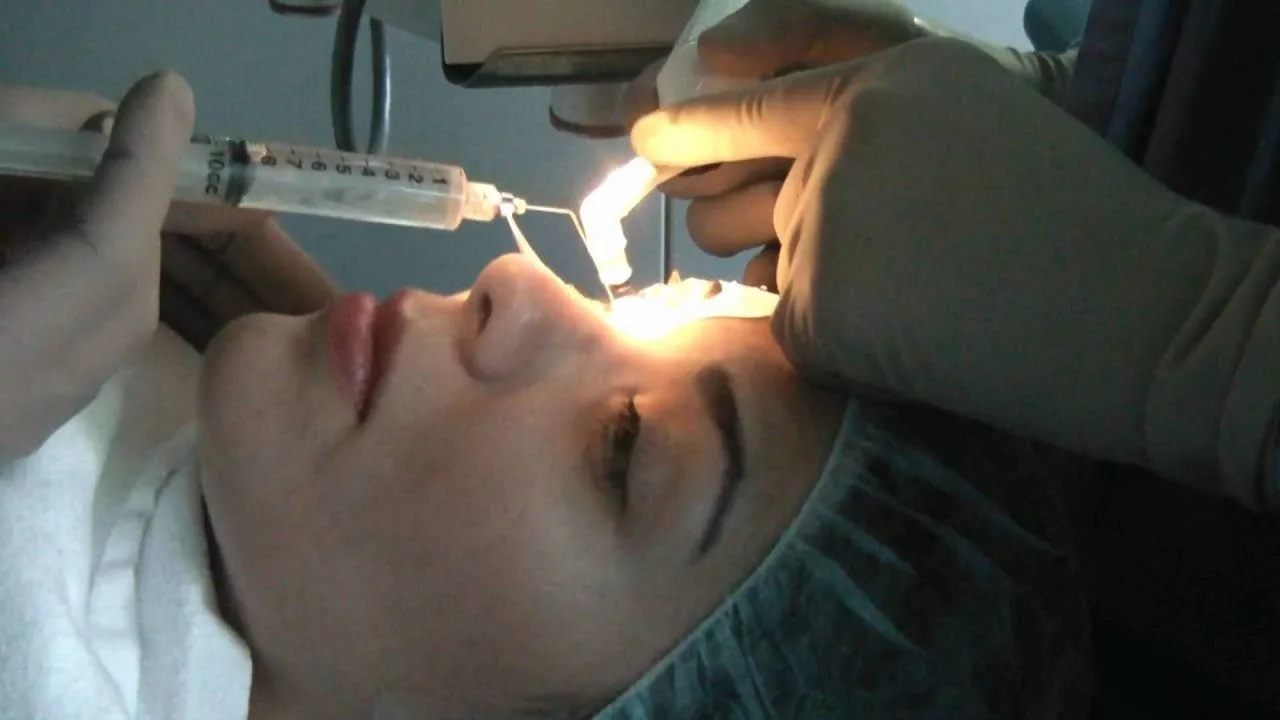
In the first hours after treatment you may notice blurred vision, watering, a mild gritty feeling and sensitivity to light. These temporarily affect the quality of your vision and usually ease noticeably after a night's sleep.
How Long Does Blurry Vision Last After SMILE?
After ReLEx SMILE Pro, you can usually return to your daily routine within 1-2 days, and full clarity takes a few weeks. This varies with the structure and condition of each eye. For most patients the blurriness fades as the eye heals; in some, vision may sharpen slightly more slowly in the first days than after flap-based methods.
| Period | What to expect |
|---|---|
| Day of surgery | Mild grittiness, watering, blurriness and light sensitivity. No driving. |
| Next day | Follow-up check. Vision is clearly sharper for most patients. Driving is possible. |
| First week | Vision improves day by day. Slight haze, fluctuating vision and dryness are possible. |
| After about 20 days | Swimming pools and the sea are fine. |
| Full clarity | A few weeks |
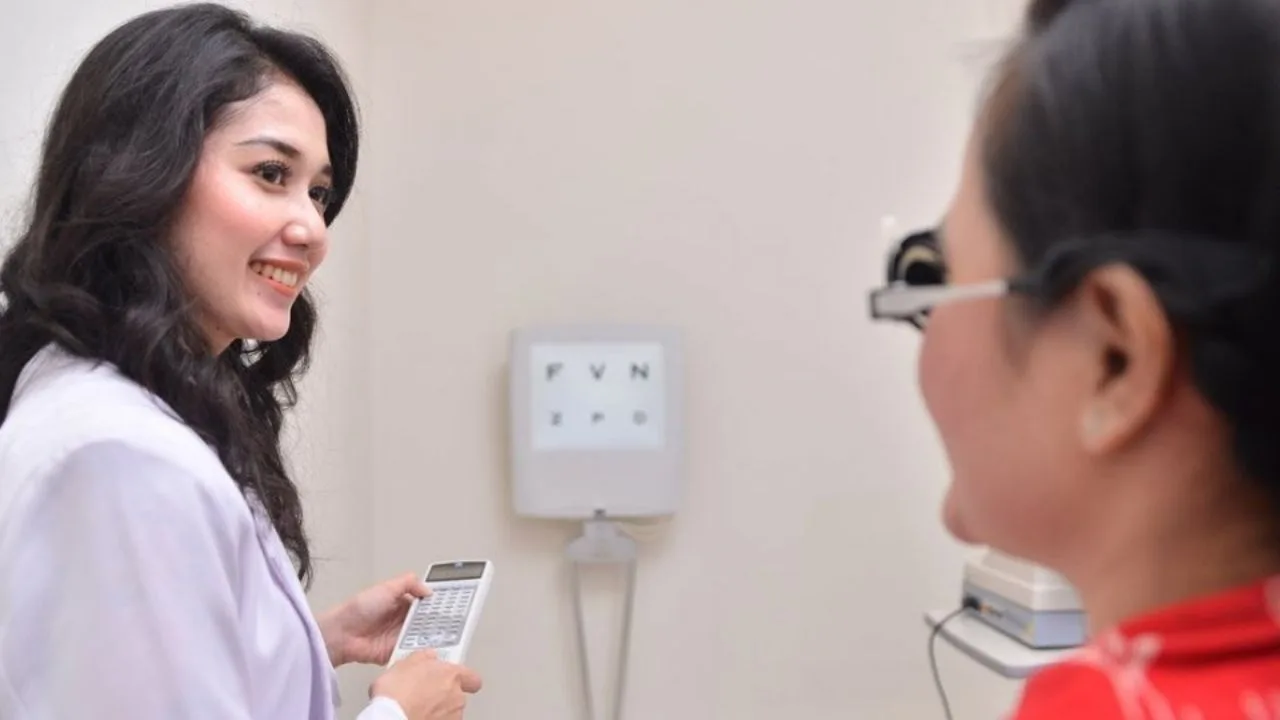
Your recovery after SMILE is monitored with follow-up visits, usually planned for the next day, after one week and after one month. If your vision is still blurry after several weeks without improving, your eye will be reassessed.
During the first weeks you may see halos or glare around lights at night; this usually improves as the eye heals.
What Can Make Blurry Vision Last Longer?
The most common reasons blurry vision lasts longer after SMILE are dry eye, skipping eye drops and rubbing the eyes. If your eyes feel dry, your doctor will recommend artificial tears; using them regularly also helps reduce the blurriness.
After surgery you may experience dry eye, fluctuating vision or a burning sensation. Most of these complaints are mild and fade over time; any that persist are assessed at your check-ups. Infection is a rare side effect.
Using your drops as prescribed and following hygiene advice lowers the risk of infection.
What Should You Pay Attention to After SMILE?
To help the blurriness clear in the expected time, it is enough to use the drops your doctor prescribes and to protect your eyes. In the first days, keep the following in mind:
- Attend your follow-up appointments; your doctor checks how your eye is healing at each visit.
- Use your prescribed eye drops and medication regularly.
- During the first week, do not rub your eyes, sleep face down or put pressure on them. Protect your eyes from dust and chemicals.
- Do not drive on the day of surgery. Driving is possible the day after ReLEx SMILE Pro.
- From the next day you can look at screens for short periods; take frequent breaks in the first days. Wearing sunglasses outdoors reduces light sensitivity during the first weeks.
- You can go swimming in a pool or the sea after about 20 days.
If you are travelling home after treatment, plan your flight around the follow-up visits your doctor recommends.
When Should You See a Doctor After SMILE?
Contact your doctor without waiting for your next check-up if the blurriness gets worse instead of better over the following days, if pain in the eye keeps increasing, if there is marked redness or discharge, or if your vision drops suddenly.
How Recovery After SMILE Differs from Other Laser Methods
SMILE Pro does not involve a flap and the incision is small, so recovery is usually quicker than with surface methods and the grittiness in the first days is milder. Because the incision is small, dry eye is reported to be less common after SMILE Pro than after flap-based methods. With PRK and No Touch, the outer surface layer of the cornea has to grow back, so the course of blurry vision after PRK is different; a general comparison of methods can be found on our laser eye treatments page.
ReLEx SMILE Pro is used to correct myopia and the astigmatism that often comes with it. It is performed from the age of 18; over the age of 45, lens options are also considered. In high myopia, laser treatment reduces the need for glasses; suitability is assessed according to corneal thickness and your prescription.
The suitable prescription range is determined individually for each eye; besides the prescription, the thickness and shape of the cornea are decisive. Your doctor will decide which method suits you after the examination.
Suitability test
Which treatment suits me?
A few short questions to show you which treatments would be discussed at your examination. At the end we will call you for a free consultation.
Frequently Asked Questions
- 1
Can blurry vision after SMILE be permanent?
No. For most patients, the blurriness clears as the eye heals. If it lasts longer than expected, possible causes such as dry eye or a residual prescription are investigated and treated.
- 2
When can I drive after SMILE?
Do not drive on the day of surgery. Driving is possible the day after ReLEx SMILE Pro.
- 3
When can I swim in the sea or a pool after SMILE?
You can swim in a pool or the sea after about 20 days. This waiting period lowers the risk of an eye infection.
- 4
When can I use screens after SMILE?
You can look at screens for short periods from the next day. Keeping screen time short in the first days and blinking often helps reduce blurriness caused by dryness.
- 5
One eye is blurrier than the other after SMILE. Is that normal?
A difference in sharpness between the two eyes is common in the first days and is usually normal. The two eyes can heal at different speeds; if the difference does not shrink over the following days, mention it at your check-up.
- 6
Does SMILE cause dry eyes?
Some dryness is possible in the first weeks, and for most patients it eases over time. If your eyes feel dry, your doctor will recommend artificial tears; using them regularly also helps reduce blurriness.