




Eye Diseases
What Do Blue Light Filter Glasses Do and Are They Necessary?
- Kudret Eye Istanbul
- Last updated:
- 4 min read
- Medically reviewed by Op. Dr. Mehmet Ali Özdil
The question of what blue light filter glasses do and whether they are necessary has come to be asked as screen time has increased. Blue light glasses filter part of the blue light emitted by electronic devices. There is no proof that blue light from screens harms the eyes; some people simply find these glasses more comfortable.
Blue light is the part of visible light with a short wavelength and relatively high energy. Its largest source is sunlight; phones, computers, televisions and LED lighting also emit blue light, but the amount from screens is very small compared with daylight.
It has not been shown that blue light from screens causes lasting damage to the retina or the eye. The tiredness, dryness and headaches that follow long screen use mostly come not from the colour of the light but from blinking less and from focusing up close for long periods.
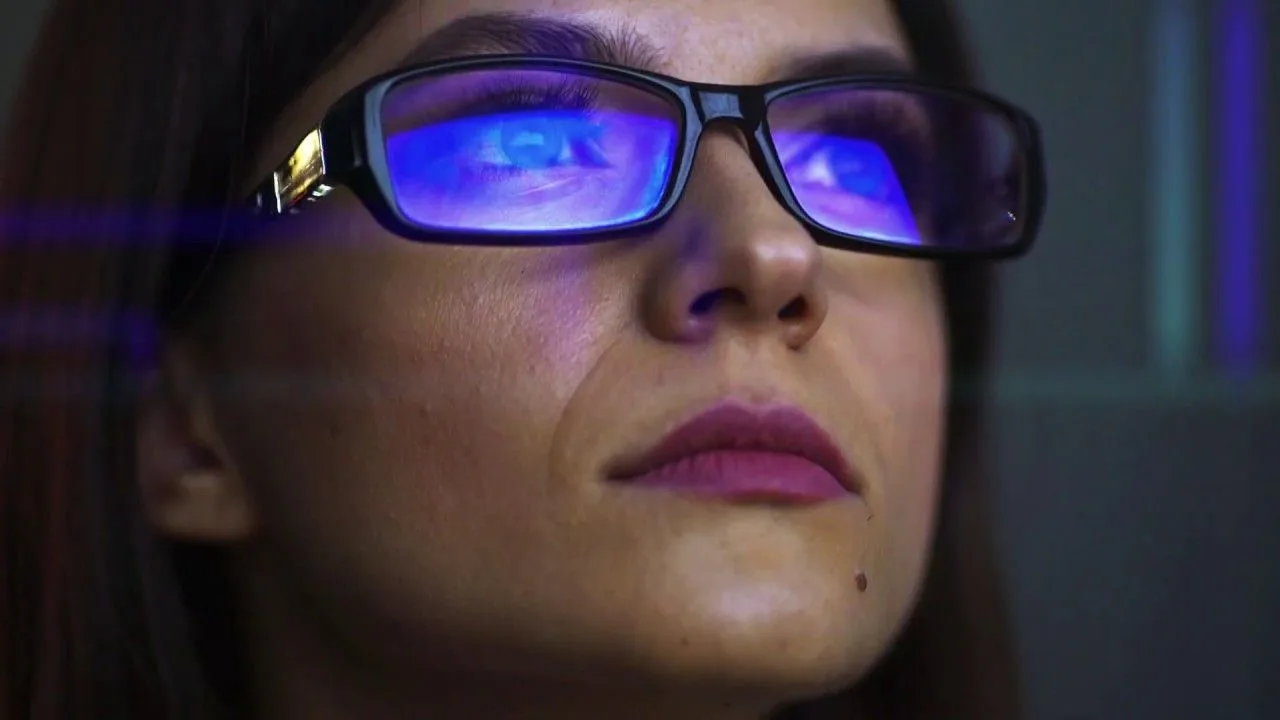
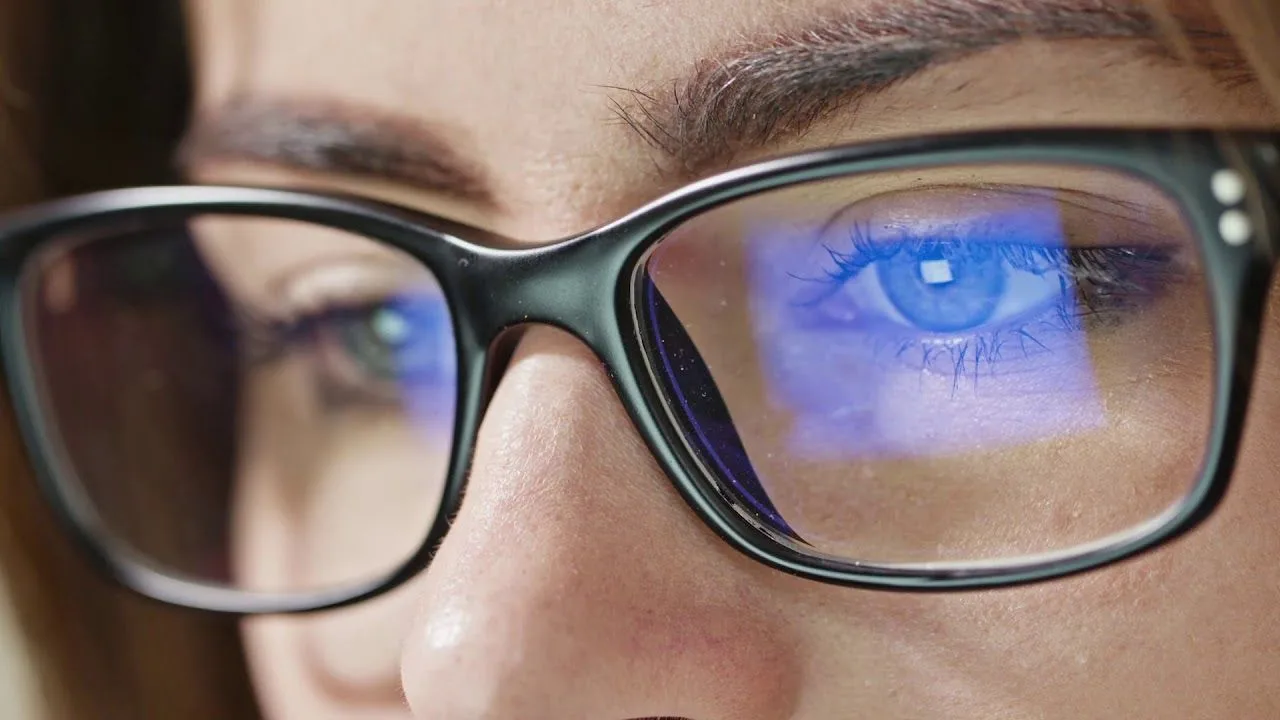
Blue Light Filter Glasses
Blue light filter glasses have a special coating or tint on the lens that filters part of the blue light. They do not block blue light completely, and they have not been shown to prevent or treat any eye condition. The scientific evidence is limited; some people find them more comfortable in front of a screen. Filter lenses may have a slight yellowish tint or reflection. The darker the tint, the more blue light is filtered, but colours also look different. Whether a pair of glasses has a filter, and how much it filters, cannot be established with simple tests at home; the lens manufacturer's information or your optician can tell you.
Do Blue Light Filter Glasses Work?
The question of whether blue light filter glasses work is asked in particular by people who spend long hours at a computer. Filter lenses remove part of the blue light, with the amount varying by lens and manufacturer. Studies, however, have not shown that these glasses noticeably reduce eye strain. Heavy screen use in the evening can affect sleep; the time spent on the screen and what is being watched play a part as well as the light itself. Cutting down screen time before bed and using the night mode on your devices are simpler measures than filter glasses in this respect.Where Blue Light Filter Glasses Are Used
Blue light filter glasses are mostly used by people who work for long periods on computers and phones. They may choose them for comfort, but the glasses do not remove the causes of eye strain. Eye strain in people who spend long periods in front of a screen (digital eye strain) can show itself through the following symptoms:- Headache
- Blurred vision
- Difficulty focusing
- Sensitivity to light
- Dryness of the eye
- Redness of the eye
- Itching of the eye
Benefits of Blue Light Filter Glasses
The evidence on the benefits of blue light filter glasses is limited: they may make screen work more comfortable for some people, but they have not been shown to protect eye health or to prevent eye disease. They are not harmful for those who wish to wear them, but they are not necessary for everyone either. The following measures are recommended to ease eye strain:- The 20-20-20 rule: every 20 minutes, look at something about 6 metres (20 feet) away for 20 seconds.
- Take regular screen breaks and blink consciously.
- Keep the screen slightly below eye level and about an arm's length away, and adjust its brightness to the room lighting.
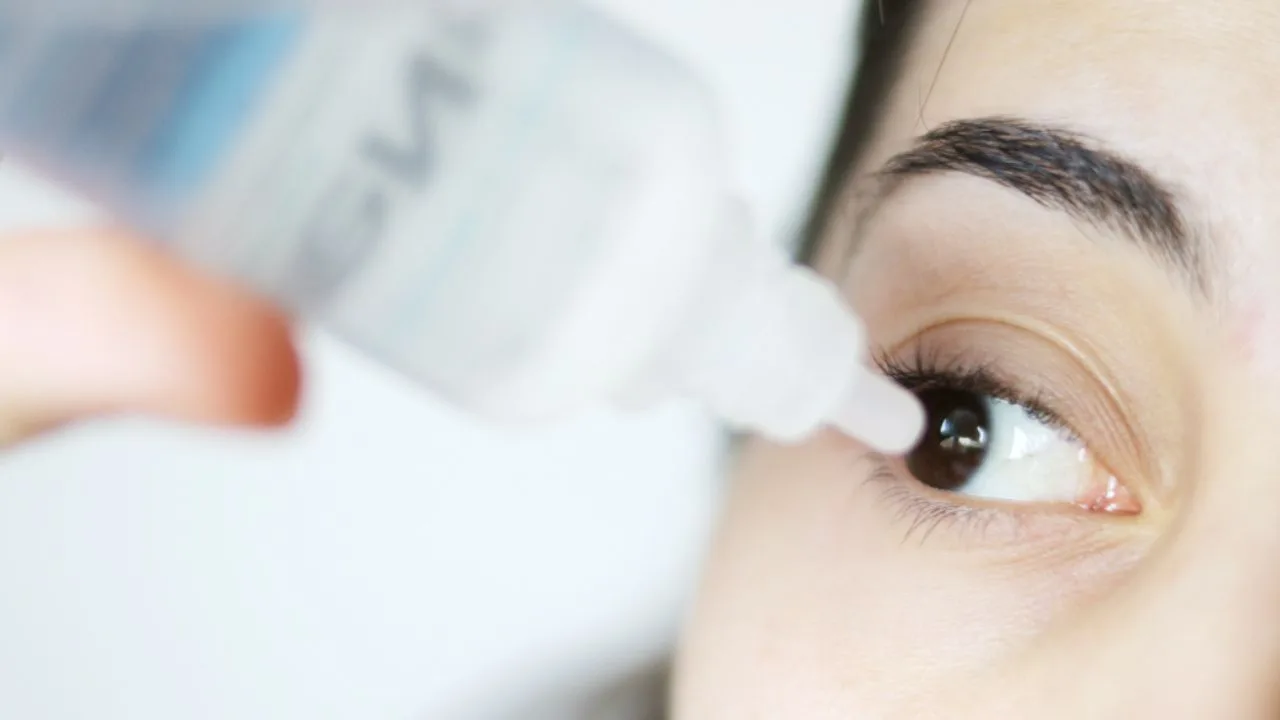
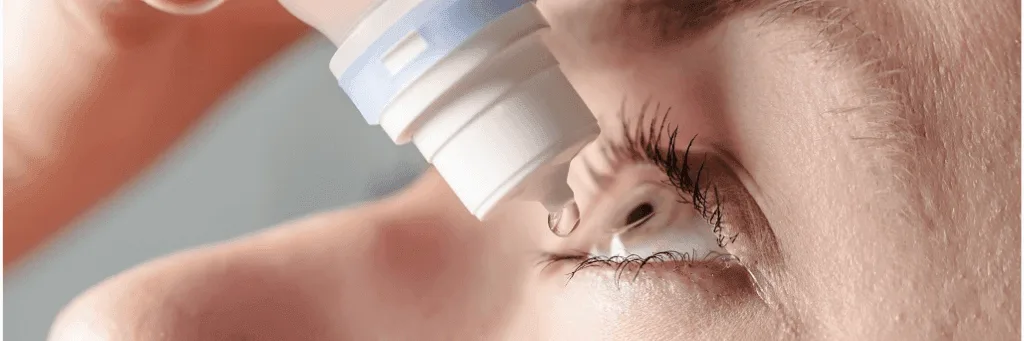
- If your eyes are dry, use the artificial tear drops your doctor recommends.
- Have your prescription checked regularly.
Frequently Asked Questions
- 1
Do blue light glasses really work?
Some wearers report feeling a reduction in screen fatigue and headache. The scientific evidence is limited, however. - 2
Are they essential for eye health?
No. Blue light glasses are not a treatment; they can be worn for comfort. - 3
Do they affect sleep?
Screen use in the evening can reduce melatonin production. Evidence that a blue light filter reduces this effect is limited; cutting down screen time before bed is a simpler measure. - 4
Can every age group wear them?
Yes, anyone who spends long periods in front of a screen can wear them. In children they should be chosen on a doctor's advice. - 5
What are the alternative precautions?
Reducing screen brightness, using night mode and looking into the distance for twenty seconds every twenty minutes (the 20-20-20 rule) all ease eye strain. What Causes Vision Blackouts?