


 Türkçe
 English
 Deutsch
 Nederlands
 Italiano
 Español
 Français
 Български
 Română
 Русский
 العربية


Should You Wear Distance Glasses All the Time?
- Kudret Eye Istanbul
- Last updated:
- 7 min read
- Medically reviewed by Op. Dr. Mehmet Ali Özdil
Whether you need to wear distance glasses all the time depends on your prescription and your daily activities. With mild short-sightedness (myopia), glasses are often only needed for driving, in class or when watching TV, while with moderate and high myopia they are usually worn all day. Your doctor will advise you after your eye examination.
If you have myopia and find it hard to see distant objects clearly, distance glasses are usually necessary. But many people ask the same question: should they be worn all the time, or only when needed?
What Are Distance Glasses?
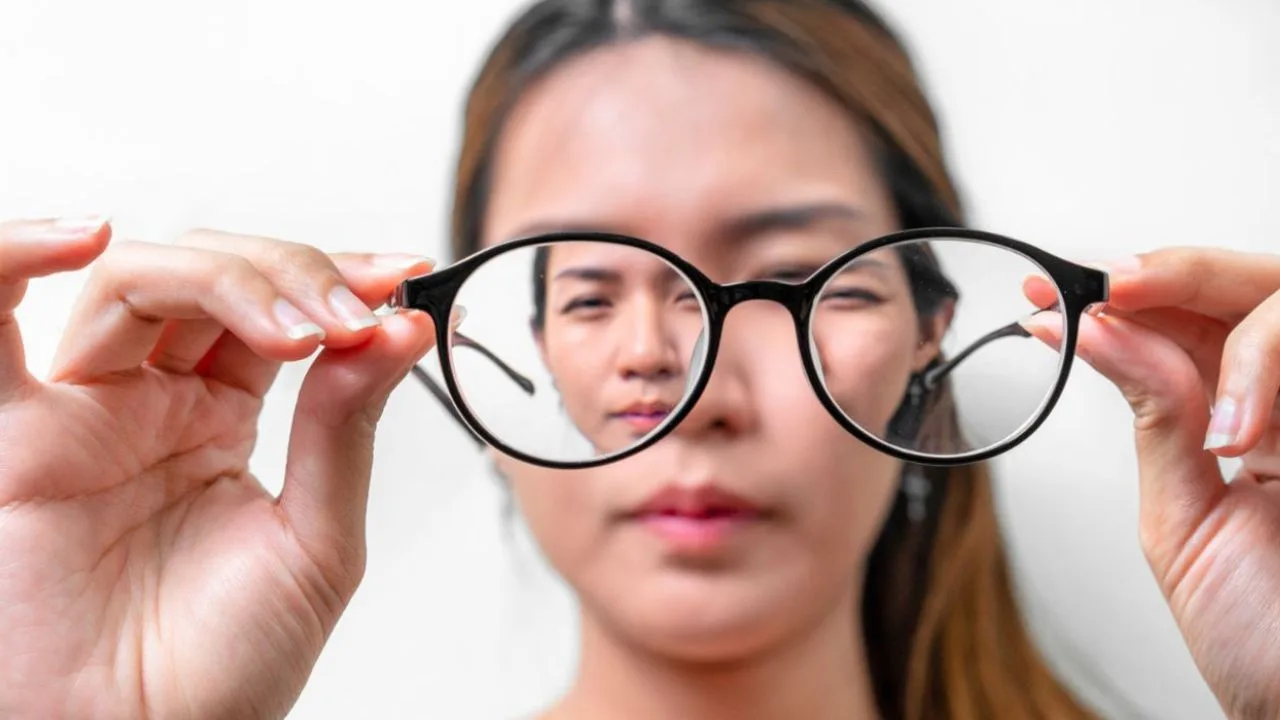
Distance glasses are glasses made to your prescription that let you see distant objects clearly when you have a refractive error such as myopia. They are most commonly used for myopia (difficulty seeing far away). They may also be prescribed for other vision problems such as astigmatism.
In myopia, light focuses in front of the retina, so distant images look blurred, which is why people with short sight describe losing sharpness at a distance. Glasses lenses bring the light into focus on the retina, making the image sharp.
Some people use distance glasses only for certain tasks, while others wear them all day. This is a decision your doctor makes based on your prescription and your daily activities.
Who Needs Distance Glasses?
Distance glasses are most often prescribed for myopia, but they may also be needed for astigmatism and for higher degrees of long-sightedness (hyperopia).
Astigmatism affects not only distance vision but also near vision, and it can make images look shadowed, blurred or doubled. Astigmatism is graded as low (below 0.75), moderate (0.75-2.00) and high (above 2.00). With low astigmatism glasses are usually not needed; if you have symptoms, your doctor will recommend them. Whether astigmatism glasses need to be worn all the time is covered in a separate article.
With mild hyperopia, distance vision is usually clear; as the prescription increases, distance vision becomes blurred too. In that case your doctor may also recommend glasses for distance.
Should Distance Glasses Be Worn All Day or Only When Needed?
There is no single answer to "should distance glasses be worn all the time?" that applies to everyone, because the need is different for each person. Still, some general guidelines apply.
| Situation | Use of glasses |
|---|---|
| Low myopia | Often only for tasks that need distance vision (driving, class, TV) |
| Moderate and high myopia | Usually all day |
| Low astigmatism (below 0.75) | Usually not needed; your doctor will recommend glasses if you have symptoms |
| Children | Regularly, as the doctor advises |
It Depends on Your Level of Myopia
Low myopia (for example, prescriptions up to around -1.00): people in this group usually need glasses only when driving, in lectures, at the cinema or watching TV, or for other activities that need good distance vision. They can often manage without glasses at home or on short walks.
Moderate and high myopia (as the prescription increases, generally above -3.00): for these people, wearing glasses is often a constant need. Going without glasses noticeably reduces the quality of vision and can make everyday activities difficult.
Your Lifestyle Matters Too
Some jobs and activities demand a lot of distance vision, for example:
- Driving
- Teaching
- Following the play at a distance during sport
- Following presentations or conferences
- Working outdoors
In situations like these, wearing distance glasses regularly is important for both safety and performance.
What Happens If You Don't Wear Your Distance Glasses?
Not wearing distance glasses does not make your prescription worse, but because you cannot see clearly it can affect your daily life and your safety. With a low prescription this effect is usually limited; with moderate and high prescriptions the following problems can occur:
- Eye strain and headaches: seeing blurred images for long periods and squinting to try to see more clearly can cause eye strain and headaches.
- Safety risks: wearing your distance glasses while driving is important for your safety. If your driving licence requires glasses, wear them whenever you drive.
- Loss of concentration: if you cannot make out distant text, signs or screens, it can be hard to focus.
- Shadowing or double vision: especially in people with astigmatism, poor focus can make images look shadowed or doubled.
Do Glasses Make Your Eyesight Worse or Stop It Getting Worse?
Glasses with the correct prescription do not make your eyesight worse, but they do not stop your prescription from increasing either. They simply correct your current prescription so that you can see clearly.
Do Glasses Make Your Eyes Lazy?
A common myth is that wearing glasses makes your eyes "lazy" or causes your prescription to increase. This is not true. Glasses with the correct prescription do not make your eyes lazy and do not cause your prescription to get worse. That is why you are advised to wear your distance glasses regularly when your doctor recommends it.
Do Glasses Stop Your Prescription From Increasing?
No, wearing glasses does not stop your prescription from increasing; glasses only correct your current prescription so that you can see clearly. Factors such as genetics, age, long periods of close work and spending little time outdoors in daylight play a role in myopia progression. Even so, wearing glasses with the correct prescription prevents unnecessary strain on your eyes and lets you see more comfortably in daily life.
Distance Glasses for Children
For children, wearing distance glasses regularly is important for clear vision and for doing well at school. Refractive errors in children can change as they grow, so regular check-ups are needed. Your doctor will also consider treatments aimed at slowing the progression of myopia.
A child with myopia who does not wear their glasses cannot see the board or distant text clearly, which can lead to difficulties in class and eye strain. Children with hyperopia, on the other hand, can compensate for the blur for a while by using the focusing power of the eye; this constant effort can cause eye strain, headaches and reading difficulties. That is why following the doctor's advice is even more important for children.
How Often Should You Have Your Eyes Checked?
For adults without symptoms, an eye examination is recommended every 2 years up to age 40 and once a year after 40. For people who wear glasses and for children, your doctor will decide how often you need check-ups; people whose prescription is changing and children whose myopia is progressing are usually checked more often.
Your prescription is not fixed; it can change over time. Myopia in particular tends to progress at a young age. Long hours of screen use also increase eye strain.
Regular eye examinations make sure your glasses are kept up to date with your current prescription.
Are There Alternatives to Glasses?
For people who prefer not to wear glasses, contact lenses are an option. If your prescription has been stable for a certain period, generally at least a year, laser treatment can be considered from the age of 18; after 45, lens options are also considered. Your doctor will decide whether you are suitable after an examination.
What matters most is following your eye doctor's advice and your eyes' needs. Wearing the right glasses correctly reduces eye strain and gives you safer vision in daily life. If you are struggling with distance vision or are unsure when to wear your glasses, an eye examination will give you the right guidance.
Frequently Asked Questions
- 1
Will my prescription get worse if I don't wear my distance glasses?
No, not wearing glasses does not make your prescription worse. However, because you cannot see clearly, you may experience eye strain and find everyday tasks harder.
- 2
Can I read a book with distance glasses?
This depends on your age and your prescription. Younger people can usually read comfortably with distance glasses. From your 40s onwards, when near vision becomes more difficult, reading with distance glasses can become harder; in that case your doctor may recommend separate reading glasses or multifocal glasses.
- 3
Should I wear distance glasses when driving at night?
If you have been prescribed distance glasses, wearing them while driving, especially at night, is important for your safety. If your driving licence requires glasses, wear them whenever you drive.
- 4
Should my child wear distance glasses only at school or all the time?
Your doctor will decide when your child should wear glasses based on their prescription. In general, children are advised to follow the doctor's recommended pattern of use consistently.
- 5
Do I need glasses for low astigmatism?
With low astigmatism (below 0.75), glasses are usually not needed. If you have symptoms such as headaches or eye strain, your doctor may recommend glasses.
- 6
Is it possible to stop wearing distance glasses?
From the age of 18, if your prescription has generally been stable for at least a year and your eyes are suitable, laser treatment can be considered; after 45, lens options are also considered. Your doctor will decide whether you are suitable after an examination.