




Eye Laser Treatments
How is Laser Eye Surgery Done?
- Kudret Eye Istanbul
- Last updated:
- 5 min read
- Medically reviewed by Op. Dr. Mehmet Ali Özdil
Laser eye surgery is something people look into above all when their sight has deteriorated and they have grown tired of wearing glasses. Contact lenses have become popular in recent years among those who tire of glasses, and they do make it possible to leave glasses behind. Because lenses can leave the eye more prone to infection, however, the rate at which they are chosen falls year by year.
As technology has developed in recent years, the question of how laser eye surgery is done comes to mind. Thanks to eye surgery, now one of the safest methods available, patients can correct their refractive errors permanently without needing glasses or lenses.
How Does Laser Eye Surgery Work?
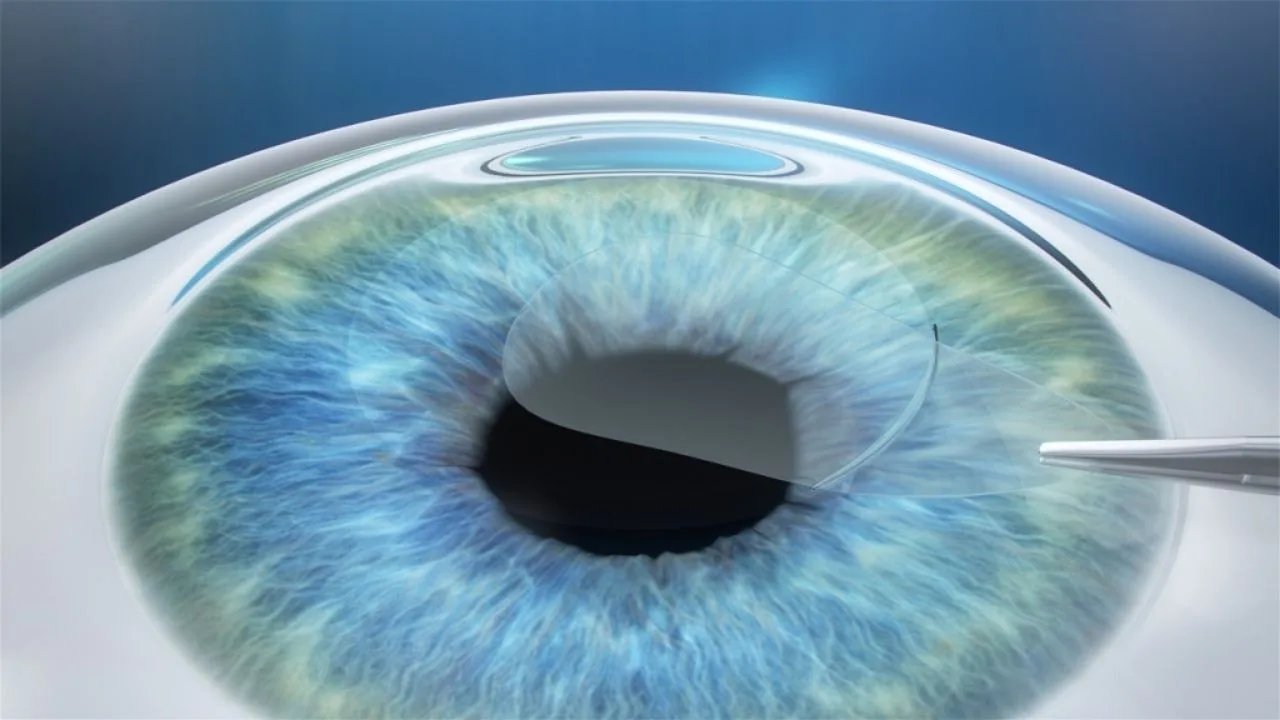
Laser eye surgery helps to remove many refractive errors, offering a solution to vision problems such as myopia, hyperopia and astigmatism. For presbyopia, laser methods such as Presbyond exist, but because the prescription is quite likely to return within a few years, an intraocular lens (IOL) operation is generally recommended for near vision after 40. Several procedures exist for surgery carried out with a laser. Once those assessments are complete, the operation goes ahead on the surgeon's recommendation. In some people the operation is not performed at all. The surgery is directed with the help of a laser beam at the transparent layer that filters light. These problems arise when the shape of that transparent layer, the cornea, is disturbed, and treatment is carried out by reshaping the cornea. Laser eye surgery therefore restores clear vision and accurate focusing.
Who Can Have Laser Eye Surgery?
There are certain conditions for laser eye surgery. Where those conditions are met, there is every reason for a person to have the operation. Those who can have the surgery are:- The person must be over eighteen. The reason for waiting until that age is that development continues until then and the prescription may still change.
- Corneal thickness must be suitable. iLASIK or ReLEx SMILE PRO is generally applied to people whose corneal thickness is appropriate, while no touch laser is applied to people with a thin cornea.
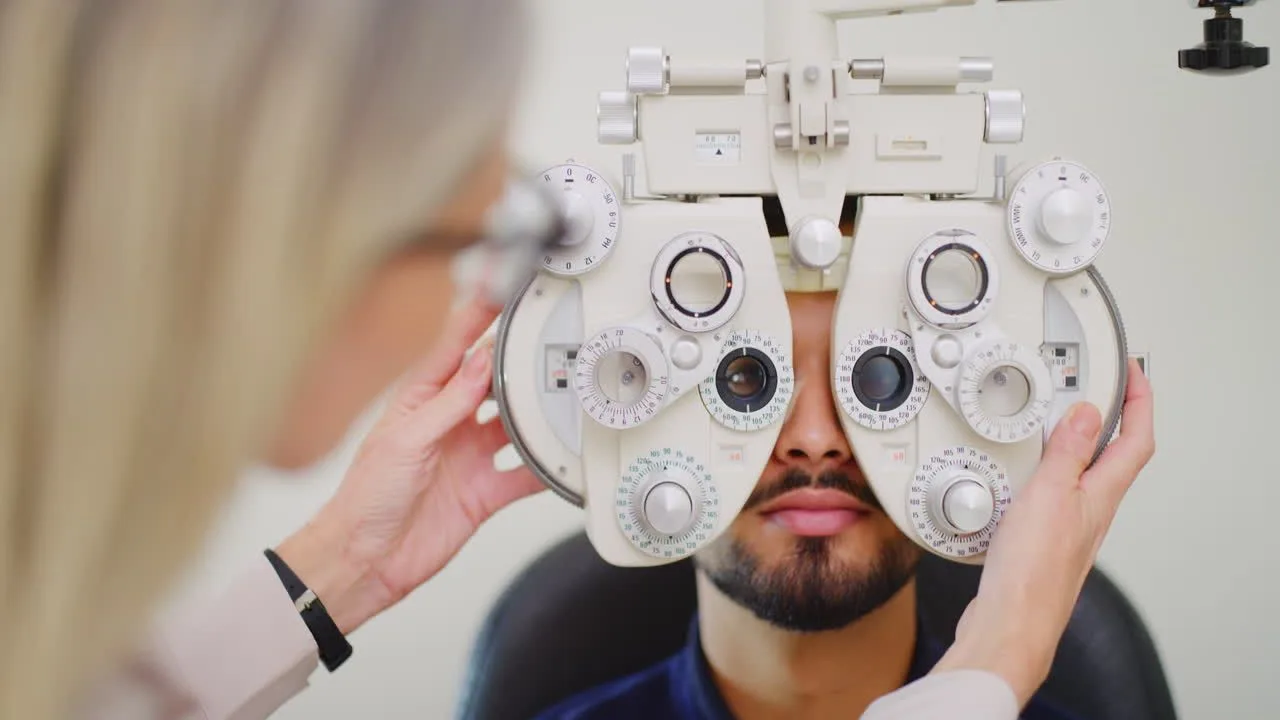
- It is performed on patients with astigmatism or hyperopia that is not extremely high. In patients with high myopia it can be performed if the conditions are suitable.
The Laser Eye Surgery Procedure Step by Step
How the operation is carried out is a question people who want laser eye surgery ask a great deal. There are different applications, namely iLASIK, ReLEx SMILE PRO and PRK/No Touch, and the procedure can be shaped around the individual patient. The general procedure is as follows:- The patient enters the room where the operation will take place and lies on their back on the laser bed.
- The area around the eye is covered with a sterile drape, leaving one eye exposed.
- The exposed eye is numbed with anaesthetic drops, so that no pain or discomfort is felt during the procedure.
- No injection or general anaesthesia is needed; the drops alone are enough.
- The area around the eye that has received the drops is cleaned thoroughly in preparation for the operation.
- The procedure can be carried out on both eyes within a single day.
- A speculum is placed to keep the eyelid from closing during the operation.
- Once the patient is ready, the procedure goes ahead according to the laser method being used.
When is Laser Eye Surgery Appropriate?
Laser eye surgery is applied in many different situations, which can be listed as follows:- It is applied to people with myopia, hyperopia and astigmatism.
- It is applied to people whose prescription has remained stable over the past year.
- It is performed where the cornea is of sufficient thickness.
- It is appropriate for people who do not have conditions such as glaucoma or keratoconus.
Does Laser Eye Surgery Carry Risks?
Whether laser surgery carries risks is a question people about to undergo the operation generally ask. People with myopia, hyperopia and astigmatism have had this operation millions of times across the world, and the great majority of procedures have been completed successfully. Its safety has been proven scientifically and the method has developed further with advances in technology. Compared with traditional methods, the risk of complications is very low.Is Laser Eye Surgery a Permanent Solution?
People who want laser eye surgery generally turn to the method in order to be free of glasses or lenses, which is why they ask whether it is a definitive solution. It is fair to say that laser eye surgery is a long-lasting and effective solution. With age, however, presbyopia, the loss of near vision, can still appear, and in a small number of people the prescription progresses. In short, laser surgery corrects your current prescription permanently, but it does not stop the eye from changing later.What to Pay Attention to After Laser Eye Surgery
What to pay attention to after laser eye surgery is one of the points where patients need to be most careful. The medication and instructions recommended by the surgeon must be followed closely. They are:- The drops and medication given by the surgeon must be used at the intervals recommended.
- For a week after the laser, any blow to the eye must be avoided and the eye must not be rubbed hard.
- For a month after the laser, protective glasses must be worn during sporting activities.
- Do not shower for the first 24 hours; for the first week do not let water, soap or shampoo get directly into the eyes; avoid swimming pools and the sea for about 20 days.
- The eyes must be protected from sunlight, so the sunglasses recommended by the surgeon should always be worn.
- In the first weeks after surgery, strenuous work and sporting activity that tires the body should be avoided.
- Follow-up appointments must be kept at the intervals the surgeon recommends, without exception.