




Eye Diseases
Which Tests Are Done in an Eye Examination?
- Kudret Eye Istanbul
- Last updated:
- 7 min read
- Medically reviewed by Op. Dr. Mehmet Ali Özdil
Our eyes are among the most valuable of our senses. Seeing clearly is necessary not only for reading, working or driving, but also for moving safely through daily life. Most people think an eye examination is simply a procedure for finding out their prescription, yet it is far more comprehensive. Many conditions affecting our eyes can lead to permanent sight loss where they are not noticed early. This is exactly why regular eye examinations carry great importance.
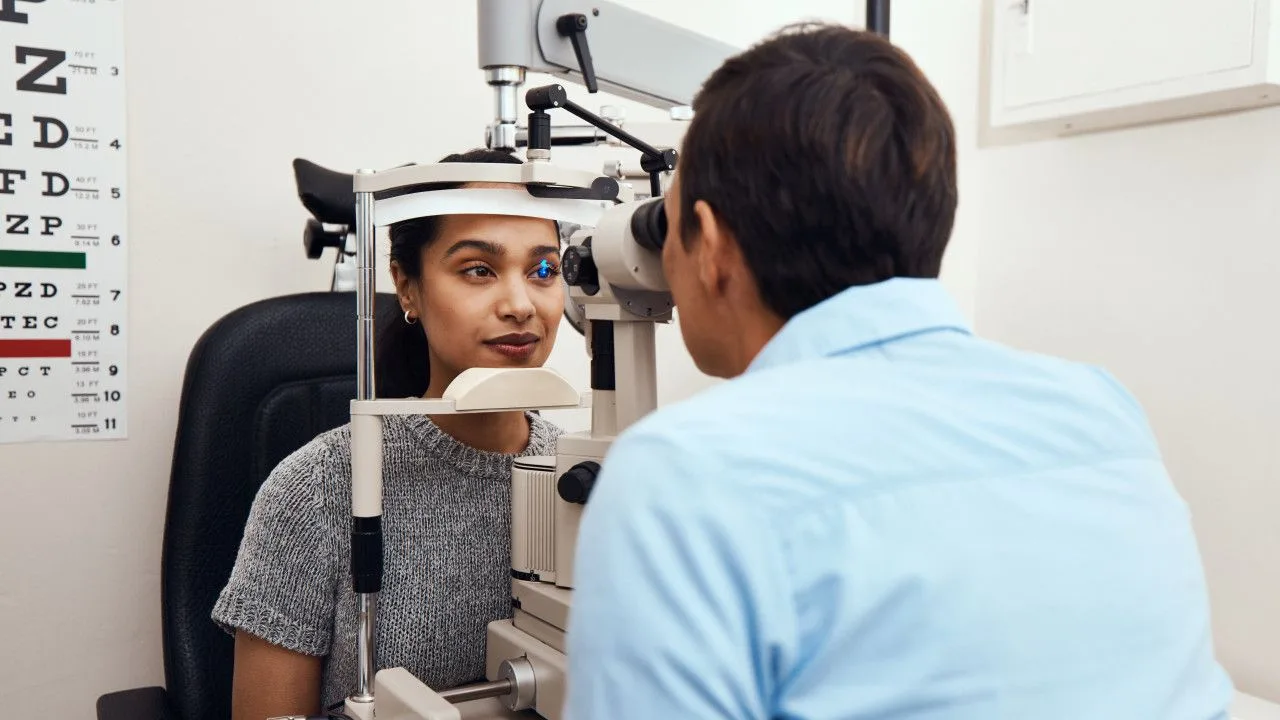
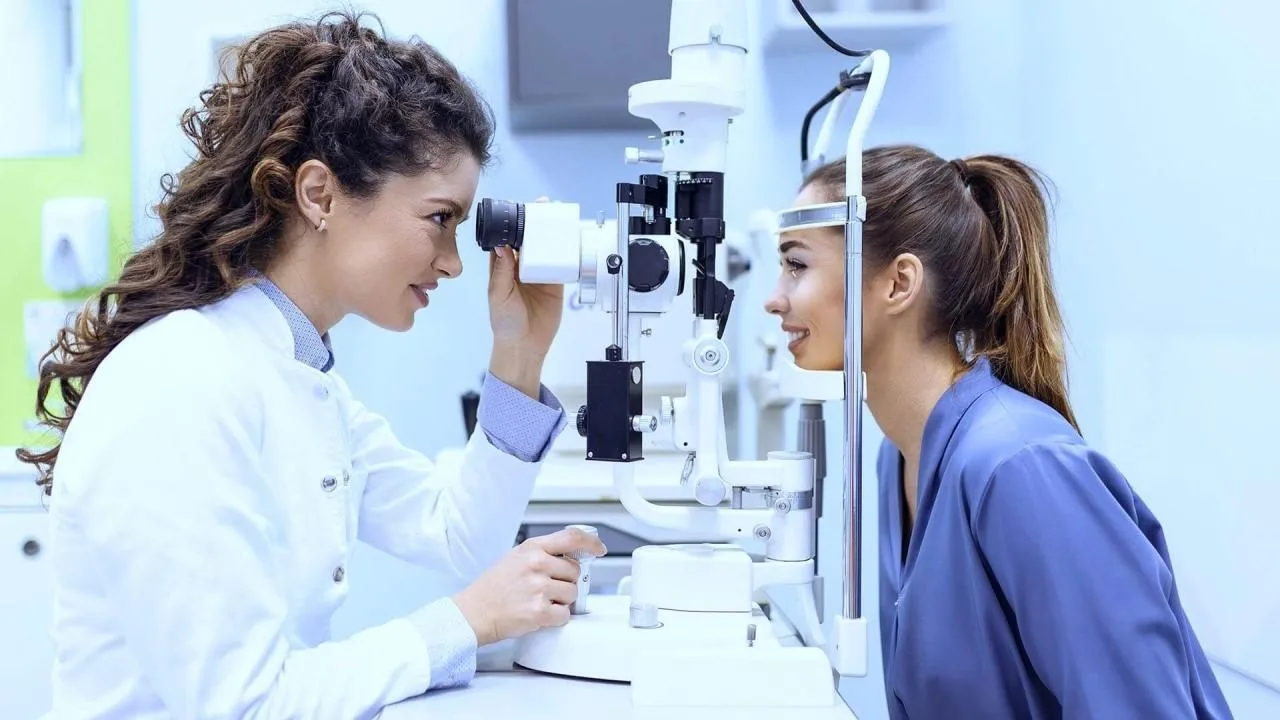
The Stages of an Eye Examination
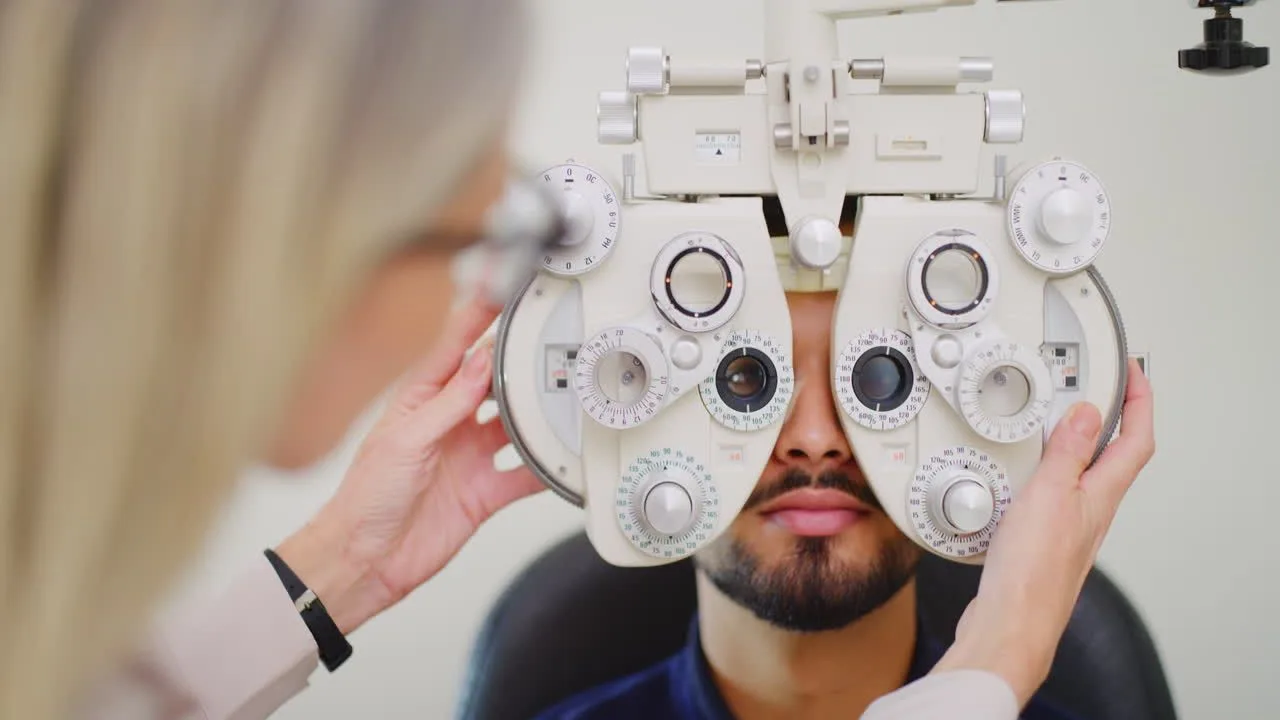
An eye examination generally begins with the ophthalmologist measuring your visual acuity. This is the simple test everyone knows, carried out with a chart of letters or symbols. Whether you see clearly at distance or near is established with it. Refractive errors such as myopia, hyperopia and astigmatism emerge this way. If you need glasses or lenses, the correct prescription is determined at this stage. In most clinics the prescription is then measured automatically with special devices. This device is called an autorefractor. You simply look into it and within a few seconds the refractive errors of your eye are measured. This measurement is an important step in allowing the doctor to write your prescription more accurately.Measuring Eye Pressure
One of the most important stages of an eye examination is measuring eye pressure. The eye condition called glaucoma generally advances without giving symptoms, and if it is not noticed it damages the optic nerve irreversibly. Measuring the pressure within the eye is therefore a vital test. Some devices measure that pressure by blowing a light puff of air at the eye, while the more precise applanation method measures it through light contact with the eye after a numbing drop. The doctor then examines your eye in detail with a special microscope called a slit lamp. During this your eyelids, your cornea, your iris and your lens are each checked in turn. The beginnings of cataract, infections and scratches on the cornea are all noticed during this examination.
Fundus Examination
Another important part of the examination for eye health is the fundus examination, of the back of the eye. During this procedure drops are applied to your eye and your pupil is dilated. The doctor then examines the retina, the vascular structure and the head of the optic nerve at the back of your eye. Retinal damage seen in patients with diabetes, macular degeneration and retinal tears are all identified with this method. The examination can take a little time but is extremely necessary for your eye health. The findings that emerge guide the treatment to be applied. Because of these drops your near vision may blur for a while; this effect generally passes within a few hours.Colour Blindness Test
A colour blindness test is also carried out when obtaining a driving licence or a medical report. This test is particularly important in children and in certain occupations. You look at cards made up of dots in different colours and are asked to make out the numbers or shapes on them. People with colour blindness cannot distinguish these shapes.Visual Field Test
The visual field test is a diagnostic method that measures the capacity of vision outside the centre of the eye. In this test you look into a device and are asked to press a button as you see lights appearing around the edges. How far your eye sees to the sides is measured this way. It plays a large part in diagnosing conditions such as glaucoma in particular, because glaucoma first affects side vision and the patient generally does not realise they are no longer seeing that area.Test for Squint
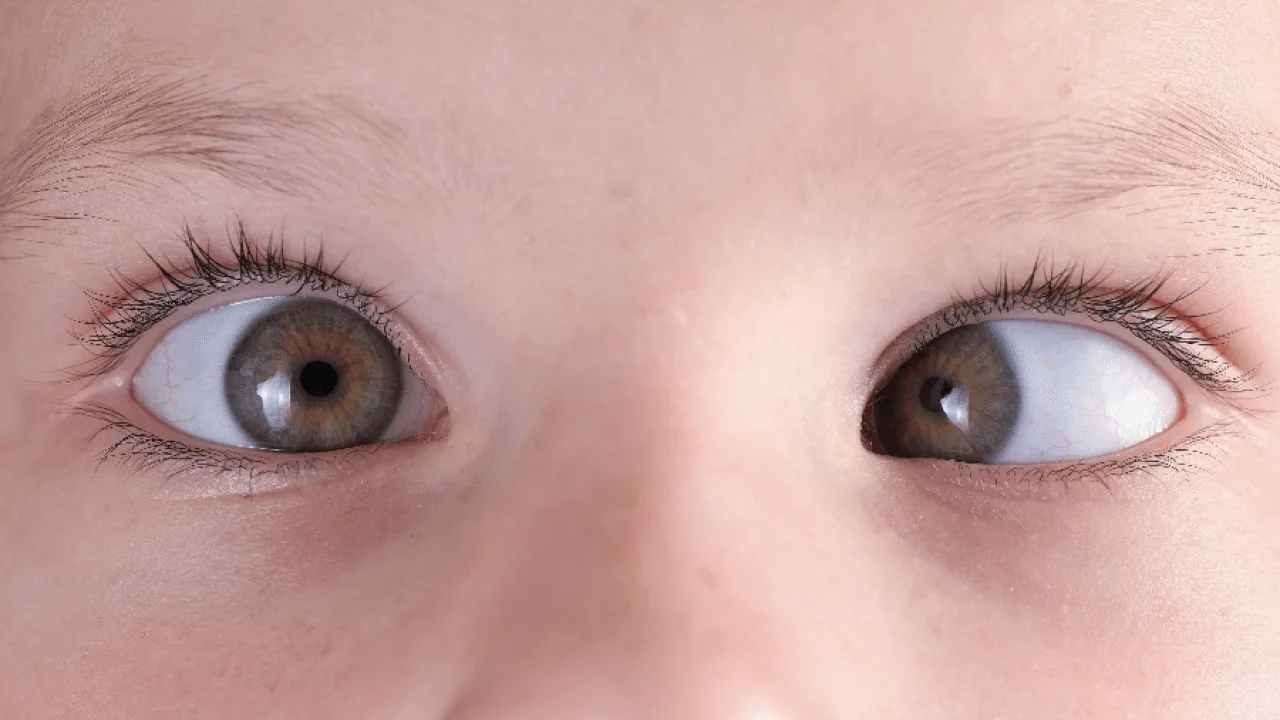
In children and in people where squint is suspected, the coordination of the eye muscles is checked. The doctor asks you to look in different directions and examines whether the eyes are aligned. If there is deviation of the eye, noticing it early makes treatment easier.Corneal Thickness Measurement
Corneal thickness is sometimes measured during an eye examination, because the structure of the cornea can affect the result when eye pressure is measured. Measuring corneal thickness is also very important for people considering laser eye surgery. People with a thin cornea may not be suitable for the operation. Through laser eye surgery the need for glasses can be removed. In examinations of people who wear contact lenses, or are thinking of wearing them, the curvature of the cornea and the quantity of tears are examined. Whether the lens suits the eye is established this way. A lens chosen incorrectly can lead to irritation, stinging or infection in the eye, and rarely this can lead to permanent damage.What to Observe During Eye Examinations and Tests
An eye examination is not a procedure carried out once and then forgotten. In children, checks should always be carried out after birth, in the pre-school period and during primary school. In adults an examination is recommended every two years after the age of eighteen. People over forty benefit from seeing an ophthalmologist once a year, because the risk of glaucoma and cataract rises after those ages. People with chronic conditions such as diabetes and hypertension should have their eyes checked more often. These intervals are general recommendations; because each person's eye structure and additional conditions differ, your ophthalmologist should determine the most appropriate frequency for you. Not all of these tests are applied to every patient at once. Your ophthalmologist decides which tests are needed according to your complaints and the structure of your eye.
Why Eye Examinations Matter
An eye examination is not simply a matter of measuring a prescription. It is a comprehensive process that gives information on visual acuity, eye pressure, the health of the retina, colour vision, the coordination of the eye muscles and a great deal more. Thanks to conditions diagnosed early, quality of life is preserved and the permanent sight loss that could otherwise follow is prevented. If you have not had an eye examination for a long time, or if you have complaints such as blurring, headache or double vision, you should see an ophthalmologist without losing time. Eye health is too valuable to neglect, and with regular examinations you can protect your eyes for life. Eye health is one of the most important factors affecting our quality of life directly. Professional eye centres offer the possibility of an accurate diagnosis with their experienced doctors and advanced technology. Even a simple refractive error, measured incorrectly, can lead to glasses or lenses that do not suit the person. More importantly, serious conditions such as glaucoma, cataract or retinal disease can be missed. Through the detailed examinations carried out in professional centres, however, these conditions are noticed early and permanent sight loss is prevented.Frequently Asked Questions
- 1
How long does an eye examination take?
A standard eye examination generally takes fifteen to thirty minutes. Where a fundus examination, a visual field test or detailed investigations are to be carried out, it can take somewhat longer. Because each person's needs differ, the length of the examination varies with the tests to be done. - 2
Why are drops used in a fundus examination, and how long do they last?
Drops are applied in a fundus examination to dilate the pupil, so that the doctor can assess the retina and the optic nerve more clearly. The effect of the drops varies from person to person but generally lasts a few hours. During that time there can be blurred vision and discomfort in light, so you are advised not to drive. - 3
Can I wear lenses to an eye examination?
If you wear contact lenses, it is worth asking your doctor or the clinic how long before the examination you should remove them. Where eye measurements and corneal assessment are to be carried out in particular, lenses may need to be left out for a period. That period varies with the type of lens and the content of the examination, so always consult your doctor. - 4
Do eye tests harm the eye?
Standard eye examination tests, such as visual acuity, eye pressure measurement, fundus examination and the visual field test, do not harm the eye. Brief discomfort, blurred vision or discomfort in light can be experienced during some tests, but these are generally temporary. Each test is carried out to help protect the health of your eyes. - 5
How often should I have an eye examination?
In general, regular checks are recommended in children after birth, in the pre-school period and during primary school. Between the ages of eighteen and forty an examination every two years is helpful, and after forty once a year. Where there are risk factors such as diabetes, hypertension or a family history of eye disease, the interval may be shorter. Your ophthalmologist should determine the most appropriate frequency for you. What Does Eye Angiography Cost?