




Eye Diseases
Blepharitis Treatment
- Kudret Eye Istanbul
- Last updated:
- 6 min read
- Medically reviewed by Op. Dr. Mehmet Ali Özdil
Blepharitis is treated by clearing the inflammation on the eyelid. How that treatment proceeds depends on the following factors:
- The severity of the condition
- The cause of the inflammation
- The patient's situation
- Warm compress: a warm compress applied to the eye with a towel that is not too hot opens the blockage at the base of the lashes, and the inflammation subsides.
- Baby shampoo: the inflamed area is cleaned with baby shampoos that do not sting the eyes, using a cotton bud or light touches.
- Hygiene: alongside baby shampoo, the area should be cleaned regularly, the solutions recommended by the doctor used and no make-up applied to the area. The risk of bacterial infection is reduced this way.
What is Blepharitis?
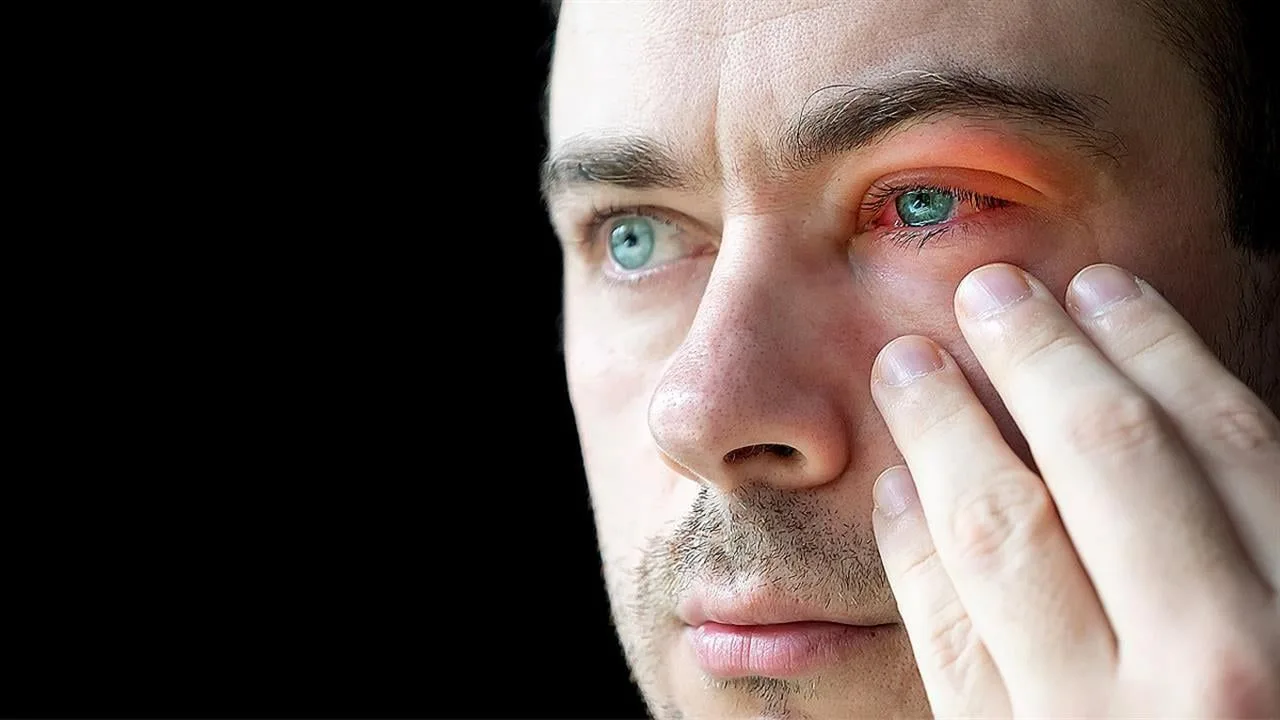
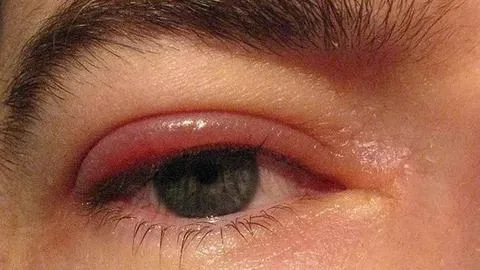
People who meet inflammation at the base of the lashes look into subjects such as what blepharitis is and how it forms. Blepharitis is the name given to inflammation occurring at the base of the lashes or at the edges of the eyelids. It generally develops alongside bacterial infection, and it can also appear in allergic conditions. It shows itself through redness or swelling of the eyelids. Blepharitis can also appear at chronic levels. During treatment the eyelid must be cleaned regularly, and warm compresses or medication containing antibiotics are used alongside. Although blepharitis does not lead to serious sight loss, it can affect quality of life where it recurs. Both the appearance and the feeling of discomfort in the area can affect daily life. With the treatments specialists recommend, it can also be treated at home. Observing the rules of hygiene matters a great deal in preventing situations of this kind. Most bacterial infections that develop in the eyelids appear through a lack of hygiene. They form as a result of actions such as sleeping in make-up, touching the eye constantly or rubbing it, and they can sometimes be seen because of allergic conditions too.Causes of Blepharitis
The best known of the causes of blepharitis is a lack of hygiene, although it can also be seen for other reasons. Blepharitis can appear in both the upper and the lower eyelid, because these areas contain a great many oil glands. It covers a wide area, from the base of the lashes to the eyelid. When the oil glands become blocked, the oil gathers within the gland and inflammation follows. Everyone has a great many bacteria on their eyelids, in their mouth and even in their intestines. While benign bacteria work for the good of the body, harmful ones can lead to infection. Blepharitis forms as the bacteria in this area multiply, and bacteria that release toxins cause inflammation in the oil glands. In older people, different bacteria can cause inflammation of the eyelid. Attending a check-up with an ophthalmologist matters a great deal in understanding the cause of these bacteria. In appearance it can be confused with other inflammations such as a stye.
Symptoms of Blepharitis
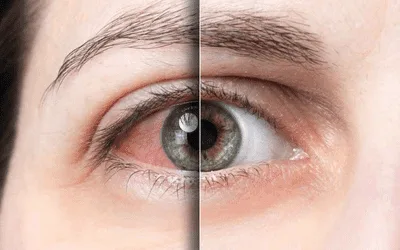
The most common of the symptoms of blepharitis is redness and swelling occurring on the eyelid. Inflammation of the eyelid shows itself in many ways. It forms through causes such as blockage of the oil glands, a disturbance in the way they secrete, and the multiplying of bacteria. The inflammation shows itself through the following symptoms:- Flaking and scaling at the base of the lashes
- Redness and swelling
- Watering of the eye or excessive dryness
- Itching, burning or stinging in the eye
Diagnosis and Treatment of Blepharitis
Blepharitis is diagnosed and treated through communication between the doctor and the patient. Listening to the symptoms of the condition on the eyelid, the doctor examines the eyelids and the inflamed area carefully, and the severity of the condition is thereby understood. Where necessary, samples are taken and examined so that the type of bacteria can be identified. After diagnosis, the appropriate treatment for the patient begins. Treatment varies with the patient's general condition and with the progression and severity of the disease. Although not every patient receives the same treatment, hygiene and warm compresses are recommended to all. The methods applied in treating eyelid inflammation matter in bringing the condition under control. At mild levels hygiene and warm compresses are applied, while at more advanced levels medication containing antibiotics can be used. This depends entirely on the severity of the condition, and not every doctor will consider the same treatment appropriate for every patient. Blepharitis is a condition that can recur. To prevent this, cleanliness must be taken seriously. People who wear lenses should remove and clean them regularly, and they should not sleep in make-up. People with oily skin should wash or cleanse the area regularly, and the hands should not be in constant contact with the eye through the day. The condition is prevented from returning this way.Frequently Asked Questions
- 1
What is blepharitis?
Blepharitis is inflammation forming at the base of the lashes or at the edges of the eyelids. It generally develops for bacterial reasons and shows symptoms such as redness, itching and burning. - 2
Is blepharitis contagious?
In most cases it is not contagious, although sharing the same towel or make-up products because of poor hygiene can increase the risk of infection. - 3
How is blepharitis treated?
Treatment consists of warm compresses, cleaning of the eyelid and the antibiotic drops or ointments the doctor recommends. - 4
Does blepharitis clear completely?
The condition can generally be brought under control, although it has a tendency to recur. Maintaining hygiene habits therefore matters. - 5
What should be done to stop blepharitis returning?
The eyelids should be cleaned gently each day, make-up should not be slept in and lenses should be cleaned regularly. (The condition can follow a different course in each person. An ophthalmologist should be consulted for a definite diagnosis and treatment.) What Causes Eye Pain?