




Eye Diseases
What is Lens Solution and What Does It Do?
- Kudret Eye Istanbul
- Last updated:
- 5 min read
- Medically reviewed by Op. Dr. Mehmet Ali Özdil
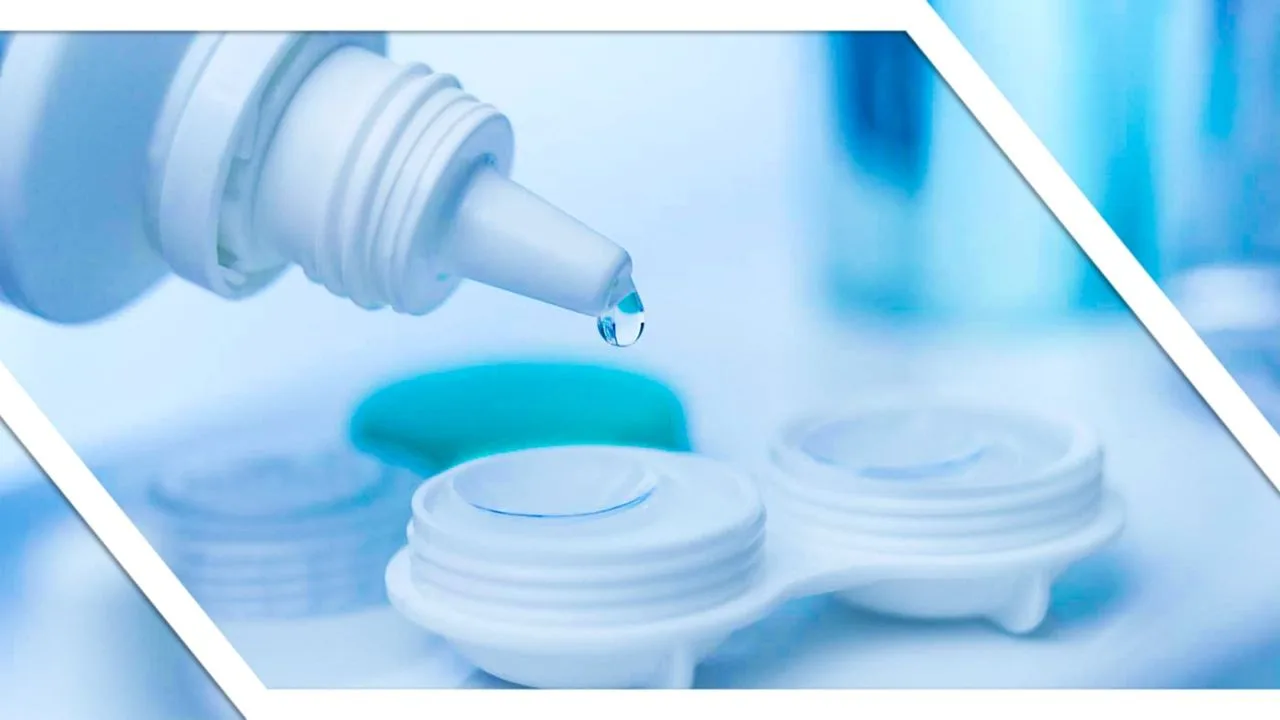
Lens solution, also known as lens fluid, is one of the products used by many people with a refractive error. Its main purpose is to clean, disinfect, store and rinse contact lenses. Anyone who wears lenses must use lens solution, and through it the lenses also last longer.
Lenses causing dry eye is met very frequently. The most basic reason is that the lenses are not cleaned regularly. Neglecting that cleaning leads not only to dry eye but also to bacteria, viruses and other sources of infection gathering on the lens. Through specially produced lens solutions, everything gathered on the lens is cleaned away. The lenses then cause no irritation in the eyes and last longer.
There is more than one type of lens fluid. Which product is compatible with the lens, and applying it according to the instructions, both matter a great deal. Changing the lens fluid the lenses are kept in regularly prevents a great many situations.
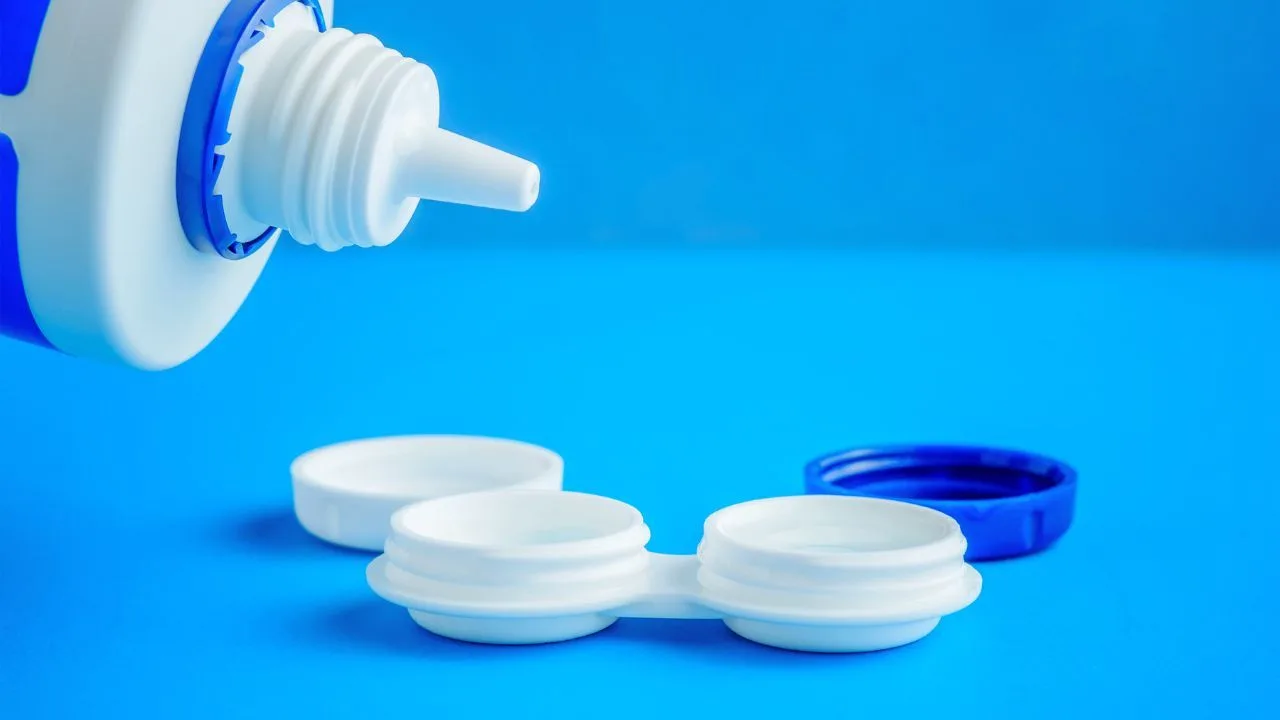
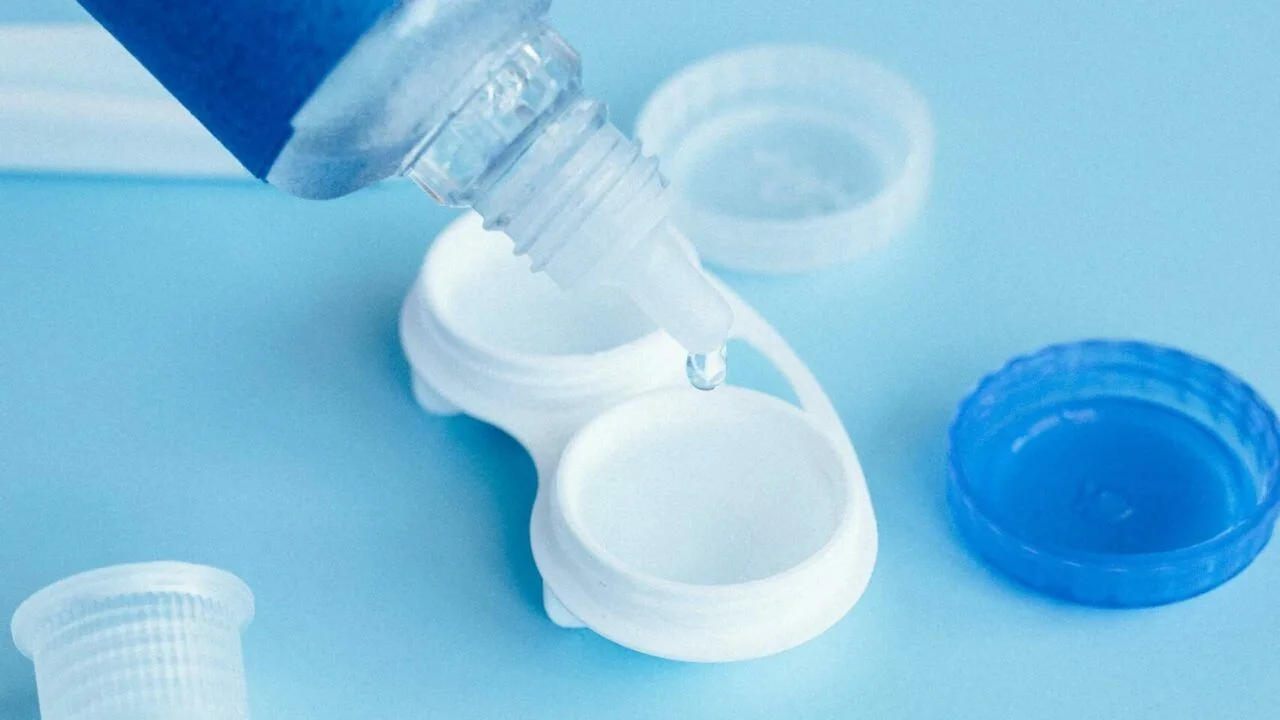
How is Lens Solution Used?
Using lens solution varies with the product. First the lenses are placed in the solution. They should then be cleaned by rubbing them gently with the fingers. Once taken out of the solution they should be rinsed. After rinsing, the lenses are placed in their case and covered with solution for storage. The points to observe while using them are:
- The hands must always be cleaned before touching a lens. They should be disinfected thoroughly with soap and water.
- Removing the lens matters a great deal too. The right eye should be done first and then the left, slowly. While removing it, the lens should be drawn out gently with the fingertips.
- After removing the lenses, they should always be cleaned according to the instructions for the lens solution used. During cleaning the lenses should be rubbed gently with the fingers, which easily removes the dirt, oil and protein deposits gathered on them.
- Disinfecting the lens matters a great deal too. At this stage the cleaned lenses should be placed in lens fluid and left in it for a general period of four to six hours. That period is written in the instructions for the lens fluid used. Through it the bacteria, viruses and fungi gathered on the lens are cleared and possible infections prevented.
- Once the disinfection period is complete, care should be taken during rinsing too. Lenses taken out of the case should be rinsed with lens fluid before being inserted, so that they are cleared of chemicals entirely.
- Once the whole cleaning process is finished, the lenses should be placed carefully in a lens case made for the purpose. When putting them into the case, make sure it is clean and dry.
Types of Lens Solution
Lens solutions vary with the type of lens and with their components. They can be listed as follows:- Multi-purpose lens solution: these solutions are among those used most frequently. They clean, moisten, rinse and care for the lens all together.
- Peroxide lens solution: these solutions are generally used by people who wear contact lenses to clean and disinfect them deeply. Because this is a powerful chemical, the lens must not be put in until the solution has been fully neutralised, which usually takes around six hours. A lens worn before neutralisation will harm the eye.
- Hydrogel lens solution: this solution is prepared for silicone hydrogel lenses. In people who wear lenses of this kind, proteins from the eye gathering on the lens is met very frequently. It is designed to clean away those proteins and to keep the lenses moist and smooth.
- Lens drops: these moisten the eye and the lens while the lens is being worn; they do not clean or disinfect. Products containing oil should not be used with contact lenses, as they can damage the lens.
How Should Lens Solution Be Chosen?
There are many things to observe when choosing a lens solution. It should suit the pH of the eyes and the choice should be made according to the type of lens worn. The other factors to consider are:- Using the solution your doctor has recommended matters a great deal, because the solution they recommend is compatible with the lenses you wear.
- The solution you use should make you feel comfortable while wearing lenses. It matters a great deal that the lenses do not irritate or trouble the eye while being inserted or removed.
- When buying a solution, always check the use-by date. Products past their date, or close to it, should not be chosen.
- The lens case matters as much as the solution. You should choose lens cases in which you can store your lenses in a sterile way.
The Benefits of Using Lens Solution
People who wear lenses regularly should take their lens solution and the way they use it seriously. The benefits of using lens solution are:- A great many substances stick to the lenses worn during the day, which makes them dirty. Through lens solution the lenses are disinfected and the risk of eye problems such as infection and irritation falls.
- Thanks to lens solutions the lenses stay moist, so there is no discomfort while inserting or removing them and no stinging or burning sensation in the eyes.
- Cleaning and disinfecting contact lenses regularly with lens solution allows them to be worn for longer.
- The moister and smoother the lenses are, the more comfortable they are to wear. Lenses stay moist and smooth through solutions, which is why applying solution frequently matters a great deal.