




Eye Diseases
What Causes Eye Pain and What Helps It?
- Kudret Eye Istanbul
- Last updated:
- 6 min read
- Medically reviewed by Op. Dr. Mehmet Ali Özdil
Eye pain can appear through activities during the day or through other situations. It generally shows itself with symptoms such as burning, throbbing or itching in or around the eye. It can also arise from an underlying condition, and beyond that it appears in situations such as fatigue and long periods of screen use.
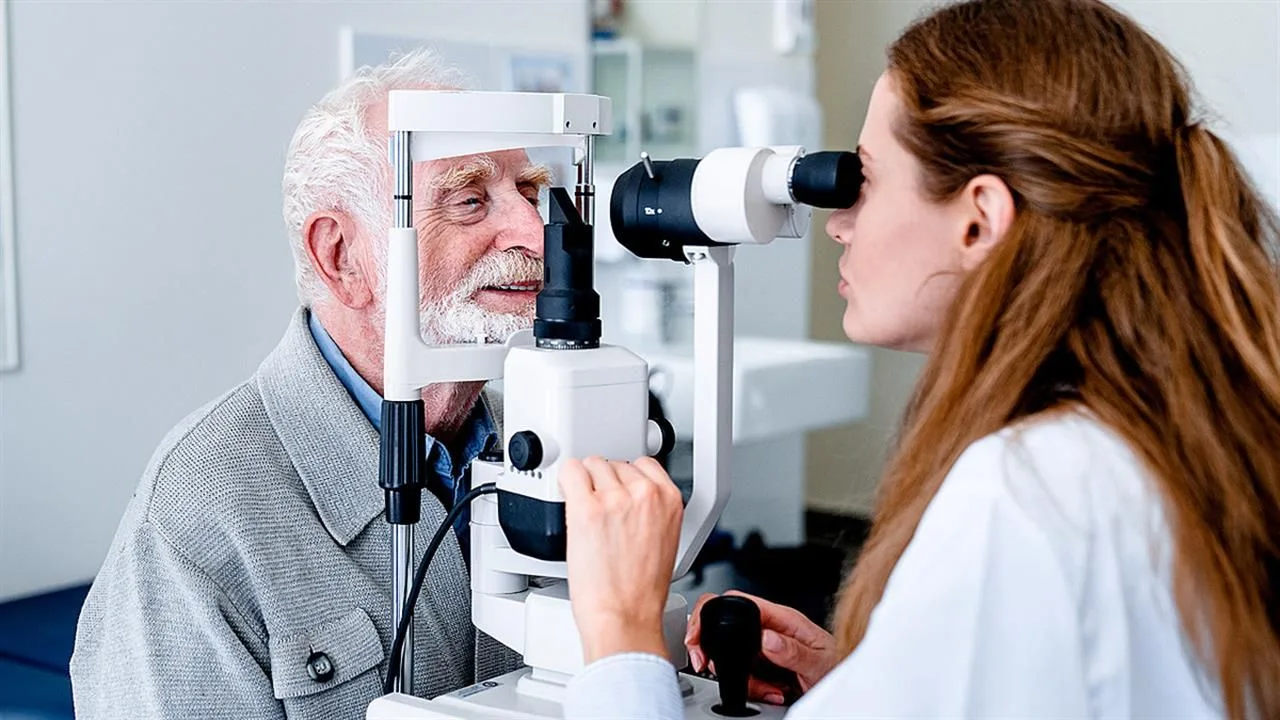
Eye pain occurs in one eye or in both. Establishing exactly where the pain is coming from is not possible for the person themselves. Because pain arises for many reasons, a doctor should always be consulted, so that the cause and the location can be determined and the reason for the situation identified.
What Are the Causes of Eye Pain?
The causes of eye pain generally include infection in or around the eye, glaucoma, tiredness of the eyes, dryness, sinusitis, migraine and a foreign body entering the eye. In situations of this kind the condition gives its sign as pain in the eye. The other signs are as follows:- A foreign body entering the eye: where a foreign body enters the eye, the eye generally waters, itches and stings. Blurring and redness of the eye follow as well. If the foreign body is something like a lash, the person can remove it easily themselves, and the symptoms ease within a short time. Where a different foreign body has entered, however, it must always be removed by a doctor so that the eye is not harmed.
- Conjunctivitis: this is inflammation of the tissue over the white of the eye. In this condition the blood vessels in the eyes generally widen and redness occurs. Complaints such as discharge, itching, the feeling that sand has been thrown into the eye, stinging and burning all appear.
- Corneal abrasion: this generally occurs in situations of trauma. It arises from a scratch or graze on the cornea and appears as a strong stinging and burning sensation. Alongside it come watering of the eyes and blurred vision as a result of discomfort in light. A doctor should be consulted as soon as possible.
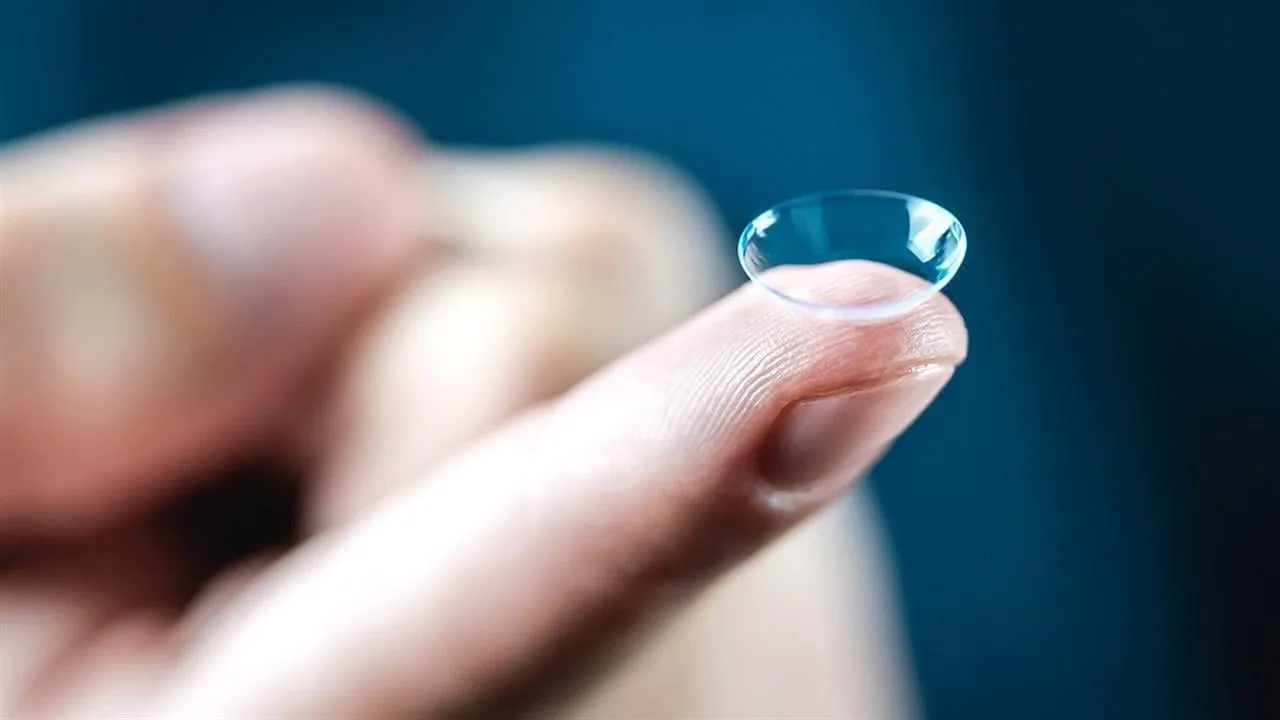
- Keratitis: this is inflammation of the corneal layer. It generally arises in people who wear soft contact lenses without proper hygiene. Urgent treatment is needed: left untreated, it can cause permanent damage and loss of vision, so see a doctor without delay.
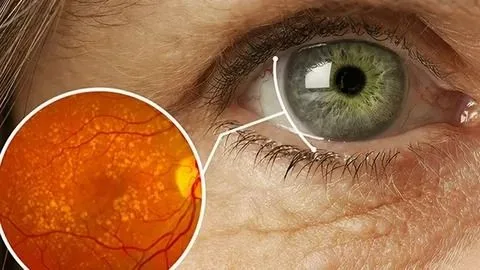
- Glaucoma: this is damage to the optic nerve, for which raised eye pressure is the main risk factor. Open-angle glaucoma usually causes no pain; serious eye pain occurs in acute angle closure, when the eye pressure rises suddenly. Heavy pressure and severe pain can form in the eye, and nausea, vomiting and headache appear alongside. It requires urgent attention, and without it irreversible damage to the eye is possible.
- Dry eye: dry eye is a condition that can accompany every disease affecting the surface of the eye. In some people it follows a mild course, while in others the dryness reaches serious levels and appears with symptoms such as pain in the eyes, stinging, burning, sensitivity to light and blurred vision.
What Helps Eye Pain?
In answer to what helps eye pain, the treatment the doctor has recommended should not be departed from. In eye pain arising from a particular condition in particular, the drops, medication and instructions given must be followed exactly. The things that help eye pain arising from daily activities are:- Closing the eyes and resting them
- Applying warm or cold compresses to the affected eyes as the doctor recommends
- Washing the eye with clean water
- Moving to a dark room and resting the eyes away from light
- During long periods of screen use, looking at something distant for twenty seconds every twenty minutes, and opening and closing the eyes at intervals
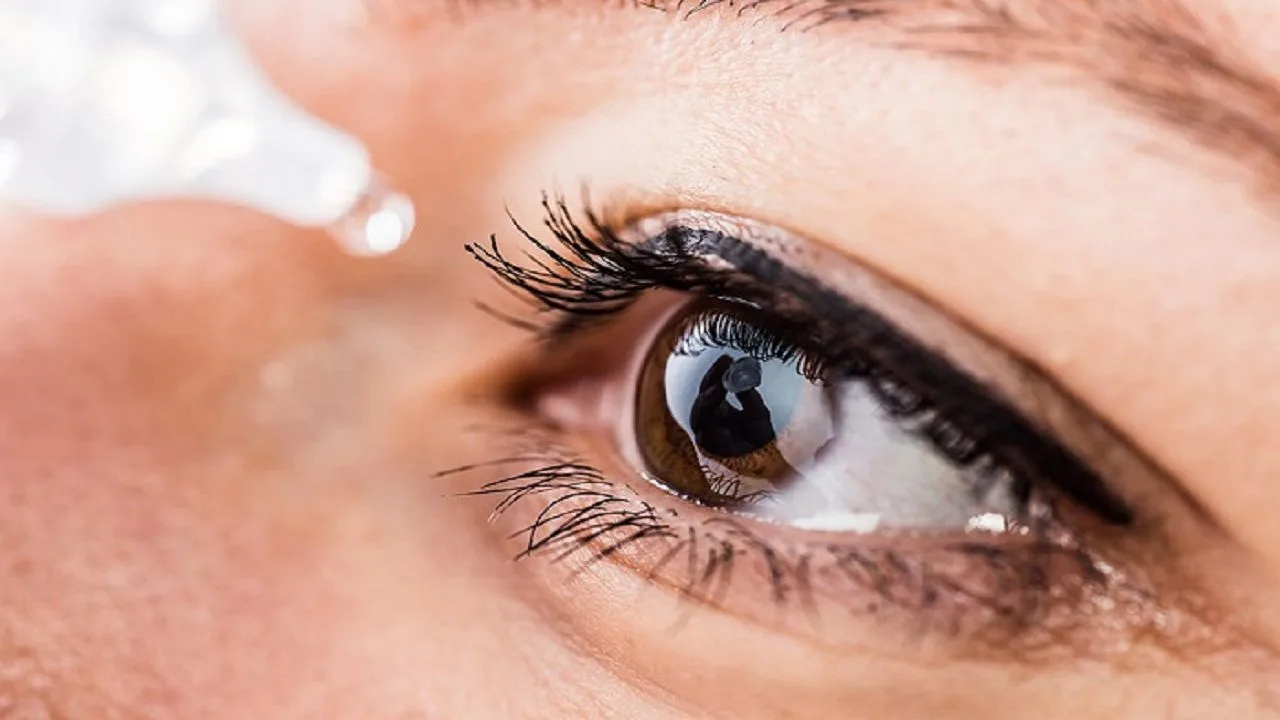
- Using artificial tear drops where there is dry eye
- Working with glasses that rest the eyes
- Using antibiotic and antiviral eye drops with a doctor's approval
When Should a Doctor Be Consulted About Eye Pain?
Eye pain can arise for many reasons. It may be in one eye or in both. In some situations a person can experience eye pain because of their daily activities, and in these cases resting the eyes after heavy exposure to light or long screen use clears the pain. That rest should take place in a dark room away from light. Beyond this, a doctor must always be consulted where these signs are present:- Where the person has nausea, vomiting or abdominal pain alongside the eye pain
- Where they meet a sudden and serious decline in vision
- Where another person can see that the eye is protruding
- Where eye movement is restricted
- Where the pain in the eye reaches a level at which the eye cannot be touched
- Where serious trauma to the eye has occurred, or where exposure to chemicals has increased, a doctor must be consulted urgently
How is Eye Pain Treated?
Treatment for eye pain generally varies with its cause. The most common treatments are:- Care at home. Many causes of eye pain come down to a person not paying enough attention to their eye health, and resting the eyes is the best treatment in some situations.
- Glasses: where a person wears contact lenses in daily life, they should wear glasses from time to time to rest their corneas.
- Antibiotic drops: these are generally used in people with an infection. With regular use the infection is treated and the pain clears.
- Eye drops: eye drops can be used as artificial tears in patients with dry eye, and they can also be used in people with glaucoma to reduce the build-up of pressure in the eyes. They must always be used as often as the doctor recommends.
Frequently Asked Questions
- 1
What causes eye pain?
Eye pain generally appears through causes such as infection, dry eye, glaucoma or long periods of screen use. Treatment varies with the cause. - 2
Does eye pain clear by itself?
Pain caused by mild fatigue can clear with rest. Where the pain lasts several days or is severe, however, an ophthalmologist should be consulted. - 3
What helps eye pain at home?
Resting in a dark room, using artificial tear drops and applying a warm or cold compress can bring relief. - 4
Is eye pain dangerous?
In some situations it can be the sign of a serious condition. Where there is sudden sight loss, nausea or sensitivity to light, urgent examination is needed. - 5
What can be done to prevent eye pain?
Reducing screen time, blinking regularly, getting enough sleep and not neglecting eye examinations all help. (All advice is for information. An ophthalmologist should be consulted for a definite diagnosis and treatment.) What is a Chalazion?