




Eye Diseases
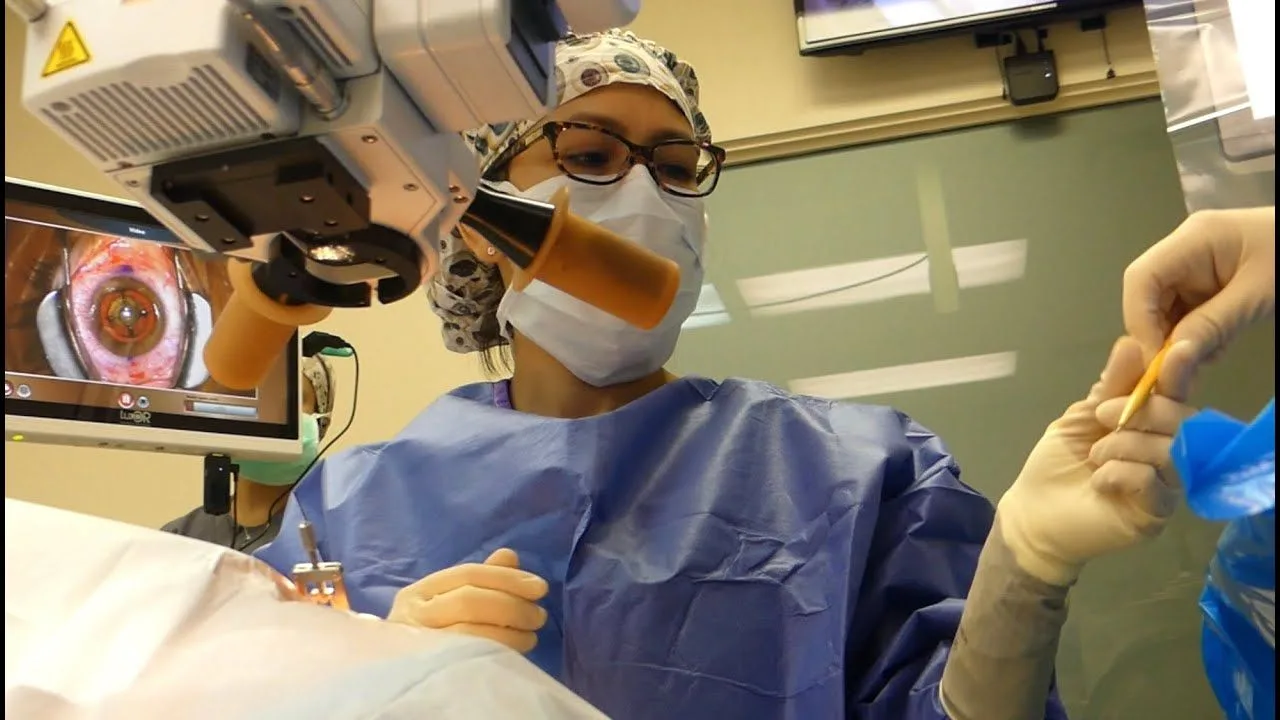
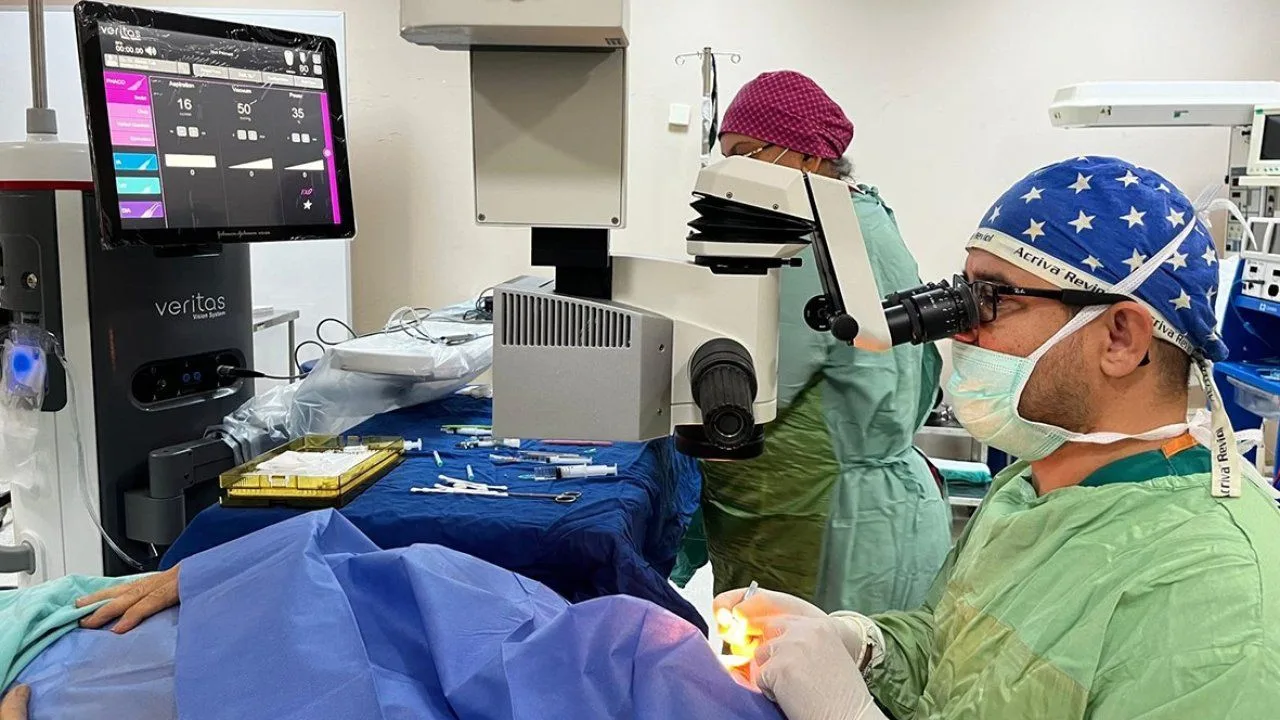
Can You Have Cataract Surgery in Summer?
- Kudret Eye Istanbul
- Last updated:
- 6 min read
- Medically reviewed by Op. Dr. Mehmet Ali Özdil
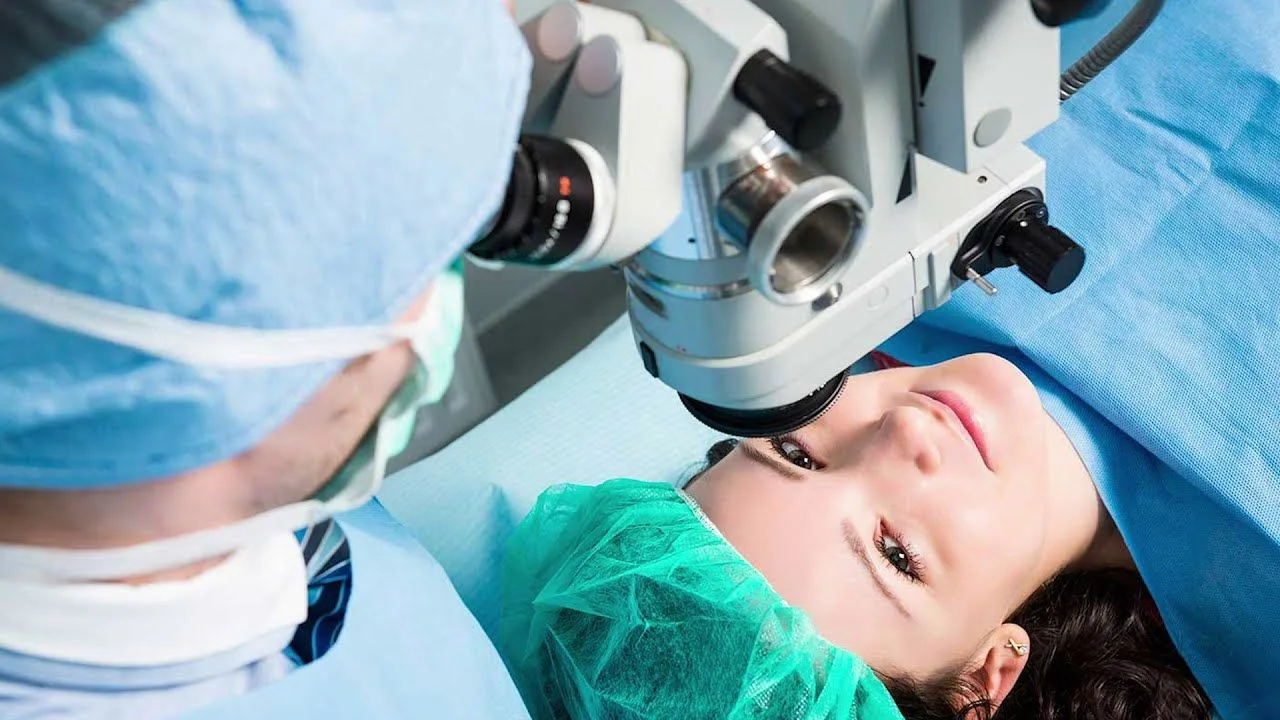
The question of whether you can have cataract surgery in summer is one people planning surgery during the summer season wonder about. Cataract is an eye condition appearing with advancing age in particular. Where it is not noticed early and advances, it can lead to permanent sight loss, so early diagnosis and treatment matter a great deal.
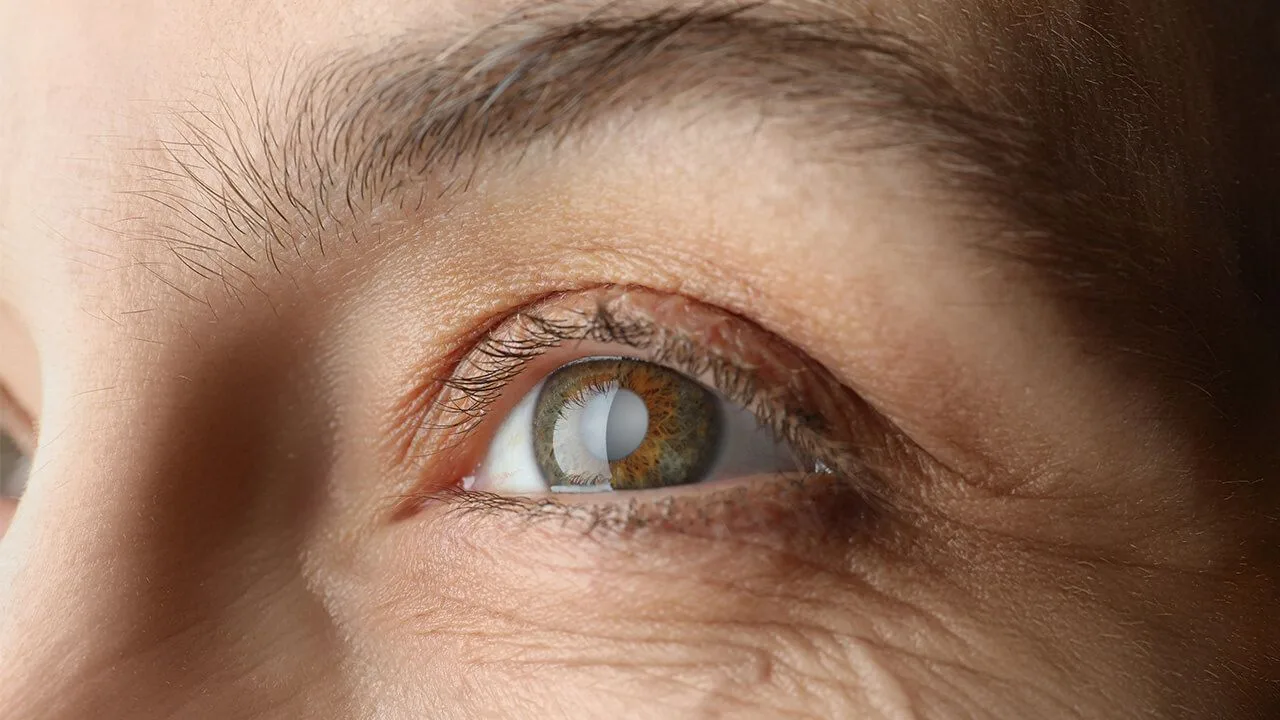
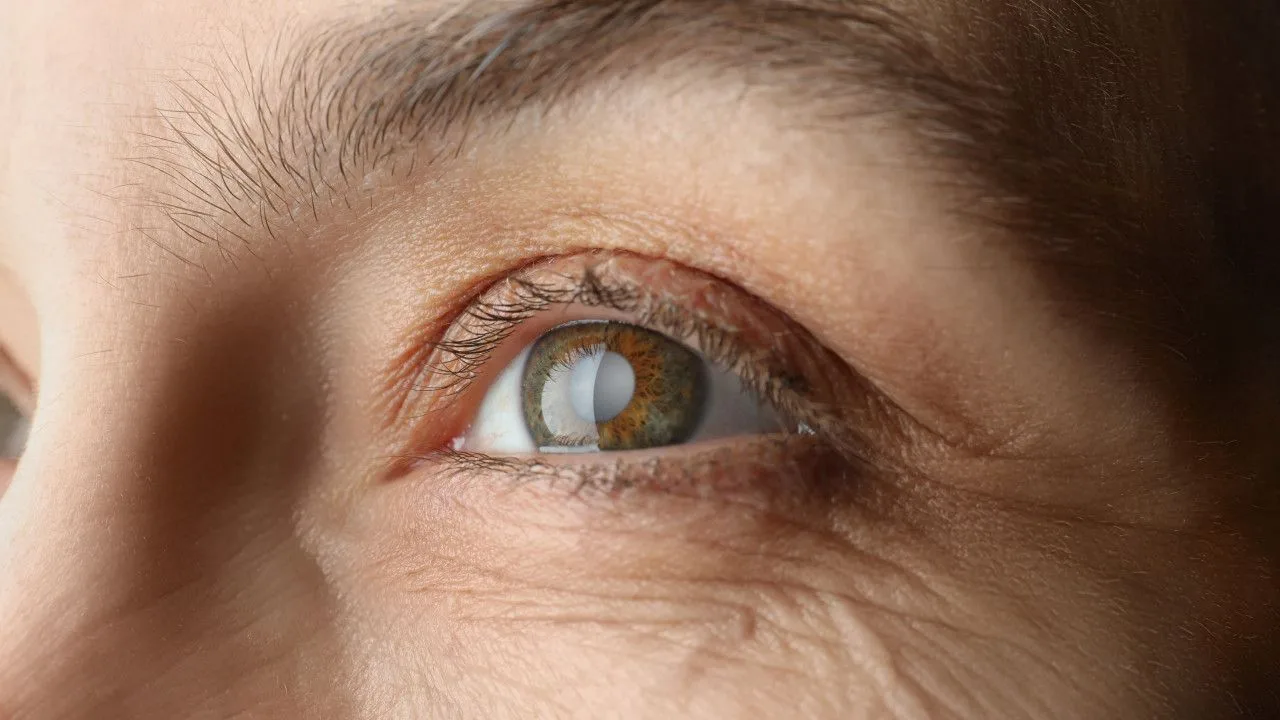
Cataract forms through protein building up in the eye's own lens. There is a clear lens in our eye, and thanks to it light is refracted and carried to the other parts of the eye as an image. Once that lens loses its clarity, however, vision gradually falls. If it is not addressed early the lens begins to grow steadily more opaque, and because the light coming from outside cannot be refracted easily the ability to see falls to a great degree.
Because the passage of light is obstructed, cataract not only causes a great loss of sight but leads to blindness over time. Cataract shows itself in many ways. Although having cataract surgery in summer causes no problem in terms of health, the doctor's advice should always be followed. It matters not to enter a swimming pool for about 20 days, until recovery is complete. However regularly a pool is cleaned, it can hold germs, and chlorine can also lead to problems in the eye.
What Causes Cataract?
Questions such as what causes cataract and what its reasons are come up often. Cataract is not a seasonal condition; it can appear at any time of year, mostly with age. It arises as the natural lens behind the pupil, which refracts light, loses its function. That lens becomes cloudy and dull and so begins to obstruct vision. There are a great many situations leading to it. Being exposed to a great deal of sunlight and looking at the sun constantly without protection in particular can increase the risk of cataract. The rate of cataract is higher in people with diabetes. High blood pressure is another factor that sets it off. Genetic reasons, ageing and environmental factors can also lead to cataract. Drinking and smoking heavily increase that risk. Alongside these, the other causes can be listed as follows:- Eye operations undergone previously
- Eye injuries and wounds
- Long and uncontrolled use of steroid medication
- Radiation used in treating cancer
- Being exposed to a great deal of sunlight
- Environmental effects
- Genetics and old age
Symptoms of Cataract
Among the symptoms met most in cataract is intense sensitivity to light. The symptoms of cataract consist of situations such as blurred or faded vision. Although it becomes more common after the age of 55-60, it can be seen at a young age as well. The most common symptoms of cataract can be listed as follows:- Headache and tiredness of the eyes
- High sensitivity to light
- Seeing lines or haloes around lights
- Colours looking pale
- Difficulty seeing at night
- Blurred or misty vision
- Seeing better at near without reading glasses
- Frequent changes in the prescription
- Difficulty while driving
- A reduction or loss of the sense of depth while looking at something
- Needing more light while reading a magazine, a book or a newspaper
Types of Cataract
Types of cataract are examined in two different branches, congenital cataract and cataract of old age. Congenital cataract is the type appearing from birth, while a person is still a baby. Loss of clarity is seen on one or both sides of the lens, and the lens loses its transparency. Conditions and infections the mother had during pregnancy, together with the medication used, increase the likelihood of this situation appearing. It can sometimes appear with no apparent cause at all. The type of cataract appearing with age becomes more common after the age of 55-60 and begins as vision gradually falls. The risk of cataract appearing is quite widespread in patients with high blood pressure and diabetes. In patients with diabetes, problems such as damage to the nerves of the eye and glaucoma fall among the situations met frequently as well. Cataract usually advances slowly over the years, and there is no problem in being treated in summer.