




Eye Diseases Cataract can also develop because of the steroids used in treating uveitis, an inflammation forming in the uveal part of the eye. Genetic conditions such as Down's syndrome and high myopia also increase the risk of cataract. People with cataract generally consult an ophthalmologist with complaints such as blurred vision. Cataract is identified through the tests carried out and treatment is applied accordingly.
Cataract is a condition that disturbs vision considerably over time. It shows itself in particular through glare as light scatters when it is dark, night blindness, difficulty reading, difficulty making out faces, difficulty telling colours apart, difficulty looking at a screen and no longer needing reading glasses.
Cataract can also develop because of the steroids used in treating uveitis, an inflammation forming in the uveal part of the eye. Genetic conditions such as Down's syndrome and high myopia also increase the risk of cataract. People with cataract generally consult an ophthalmologist with complaints such as blurred vision. Cataract is identified through the tests carried out and treatment is applied accordingly.
Cataract is a condition that disturbs vision considerably over time. It shows itself in particular through glare as light scatters when it is dark, night blindness, difficulty reading, difficulty making out faces, difficulty telling colours apart, difficulty looking at a screen and no longer needing reading glasses.
Cataract: Symptoms, Types and Surgery
- Kudret Eye Istanbul
- Last updated:
- 5 min read
- Medically reviewed by Op. Dr. Mehmet Ali Özdil
For the definition of cataract, the lens types used and the period after surgery, see our cataract treatments page. This article sets out the symptoms, the types of cataract and the path from diagnosis to surgery step by step.
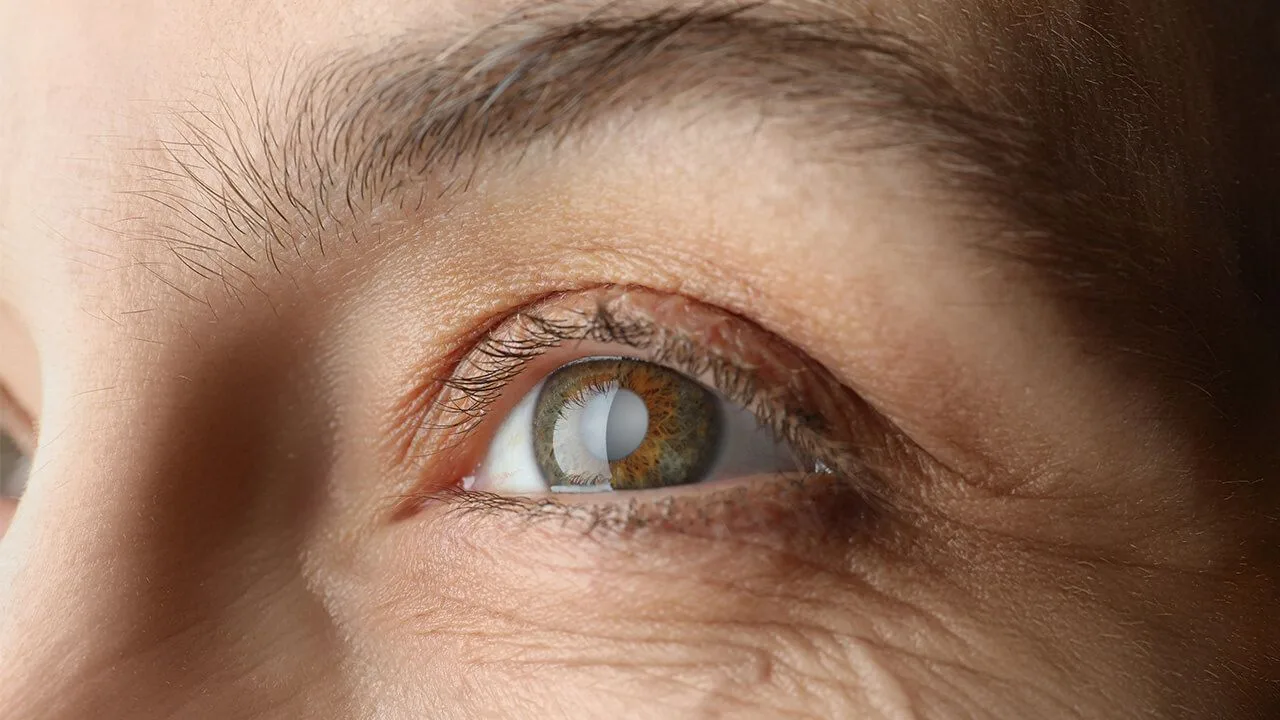
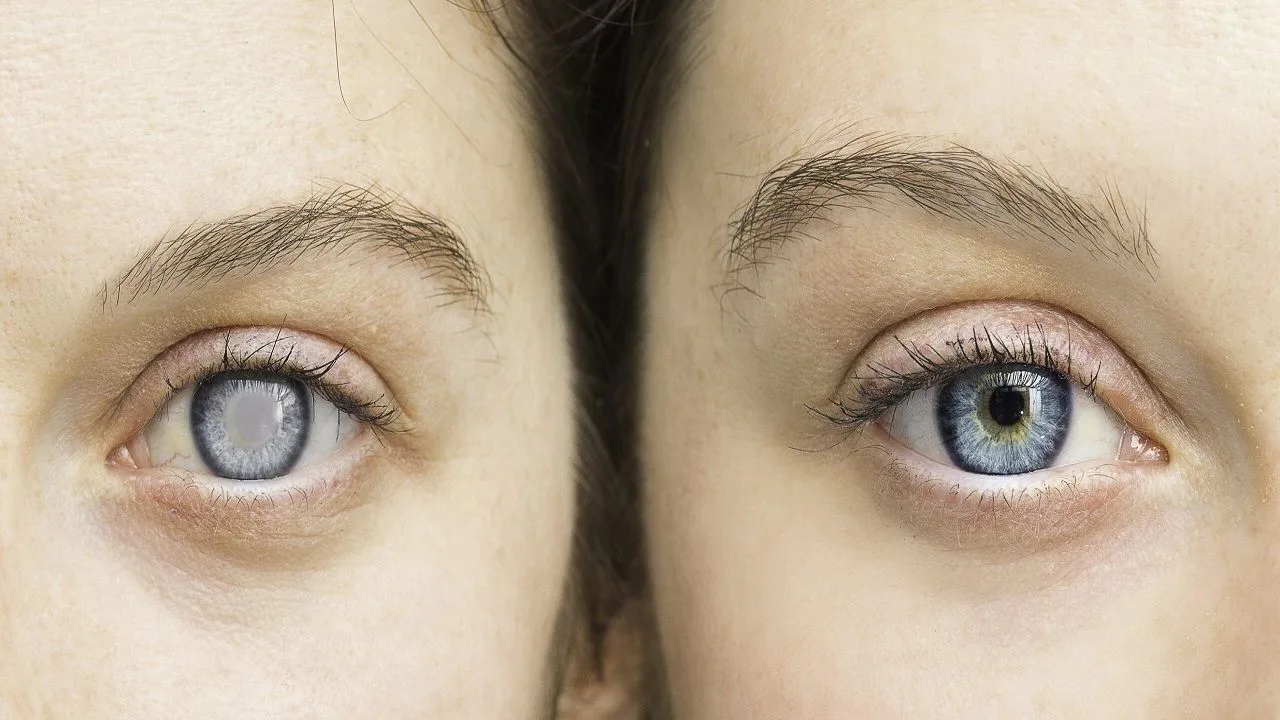
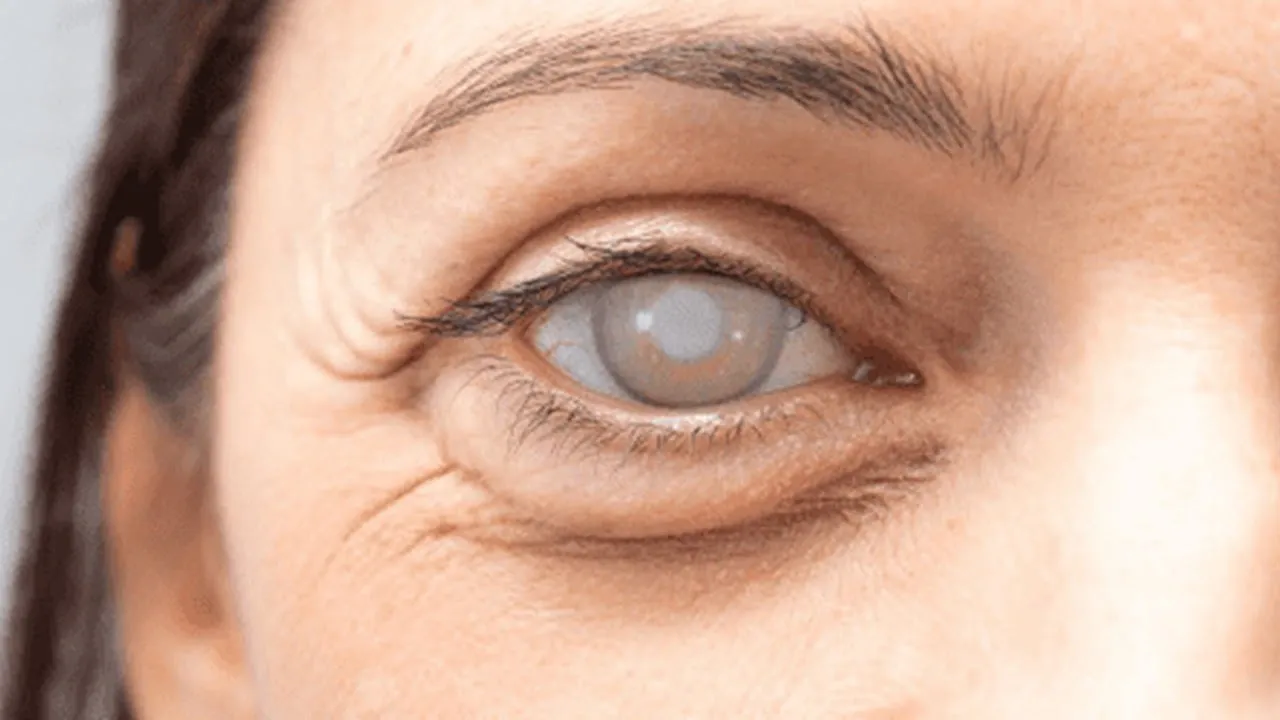
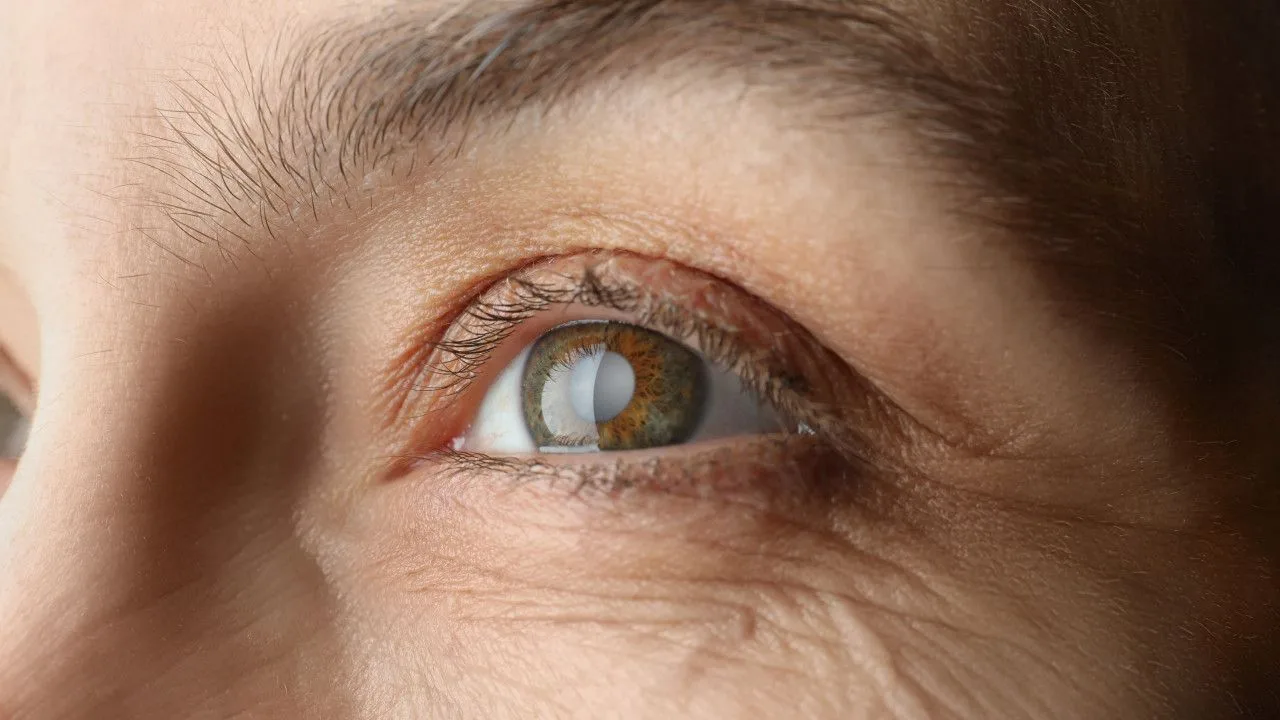
What cataract is falls among the questions asked in particular by older people. Cataract is a clouding of the lens of the eye that prevents light from passing through it. Protein sometimes gathers in this area and leads to cataract. If it is left untreated, cataract causes permanent sight loss. It shows itself through blurred vision, double vision, misty vision, difficulty seeing at night and extreme sensitivity to light. Cataract appears as the lens of the eye loses its transparency. The lens lying behind the iris and the pupil, which carries light to the retina, loses that transparency and cataract follows. This condition is among the eye conditions that develop with age. Cataract occurs through a build-up of protein in the natural structure behind the pupil that makes sight possible. The lens of the eye loses its transparency and turns cloudy, which leads to vision problems.How Does Cataract Form?
The question of how cataract forms is another of those asked most. Cataract occurs because of the proteins gathering in the lens of the eye. Although it generally appears with age, other situations lead to it as well. High blood pressure and diabetes are the most common. Heavy exposure to sunlight is another factor that triggers it. Some of the situations that can trigger cataract are:- Age and genetic factors
- Environmental conditions
- Heavy smoking and alcohol consumption
- Diabetes
- Injuries to the eye and heavy exposure to sunlight
- High blood pressure
- Use of steroids and similar medication
- Uveitis
- Radiation used in cancer treatment
- Previous eye surgery
Cataract can also develop because of the steroids used in treating uveitis, an inflammation forming in the uveal part of the eye. Genetic conditions such as Down's syndrome and high myopia also increase the risk of cataract. People with cataract generally consult an ophthalmologist with complaints such as blurred vision. Cataract is identified through the tests carried out and treatment is applied accordingly.
Cataract is a condition that disturbs vision considerably over time. It shows itself in particular through glare as light scatters when it is dark, night blindness, difficulty reading, difficulty making out faces, difficulty telling colours apart, difficulty looking at a screen and no longer needing reading glasses.
Symptoms of Cataract
The symptoms of cataract show themselves in different ways. Among the most common clinical symptoms are glare and blurred vision. It becomes more common after the age of 55-60. In this condition the lens of the eye becomes cloudy and vision is restricted. If it is left untreated it leads to permanent vision problems. Among the symptoms of cataract are:- Needing more light while reading a book or a newspaper
- Blurred vision
- Sensitivity to light
- A prescription that changes constantly
- Reduced vision at distance and at near
- Loss of depth perception
- Seeing colours as more faded and yellow in tone
- Seeing at near more clearly without glasses
- Difficulty while driving
- A decline in night vision
- Headache
- Eye strain
Types of Cataract
Cataract falls into two categories: cataract that develops with age and cataract present from birth.- Age-related cataract: this becomes more common after the age of 55-60 and shows itself through a decline in vision. Diabetes clearly increases the risk of cataract.
- Congenital cataract: seen from birth, this is a loss of transparency in the lens of the eye. It can appear through an infection the mother had during pregnancy or medication she took. Congenital cataract is sometimes met with no apparent cause.
Diagnosis of Cataract
Cataract is generally diagnosed when a person attends a check-up with its symptoms. If signs of cataract are met in the lens during the examination, the patient is referred to a specialist ophthalmologist. Through routine examinations, or tests carried out in line with the symptoms, cataract is diagnosed and treatment planned.Treatment of Cataract
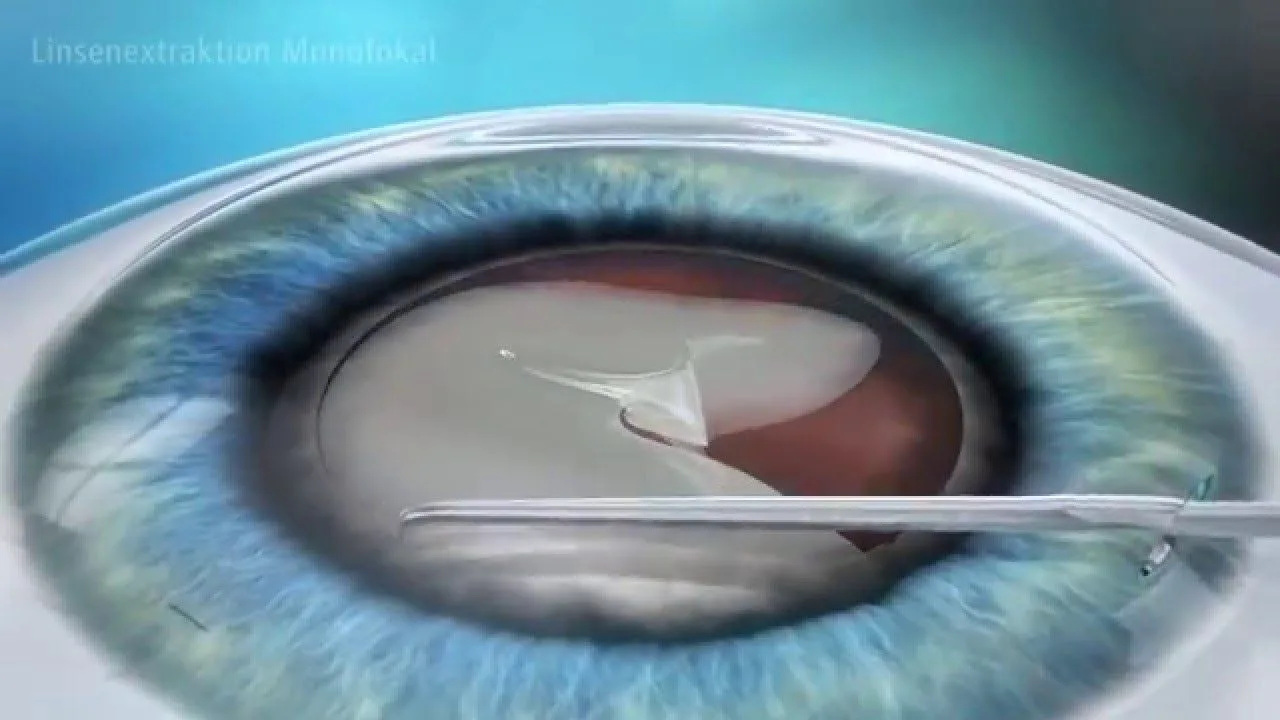
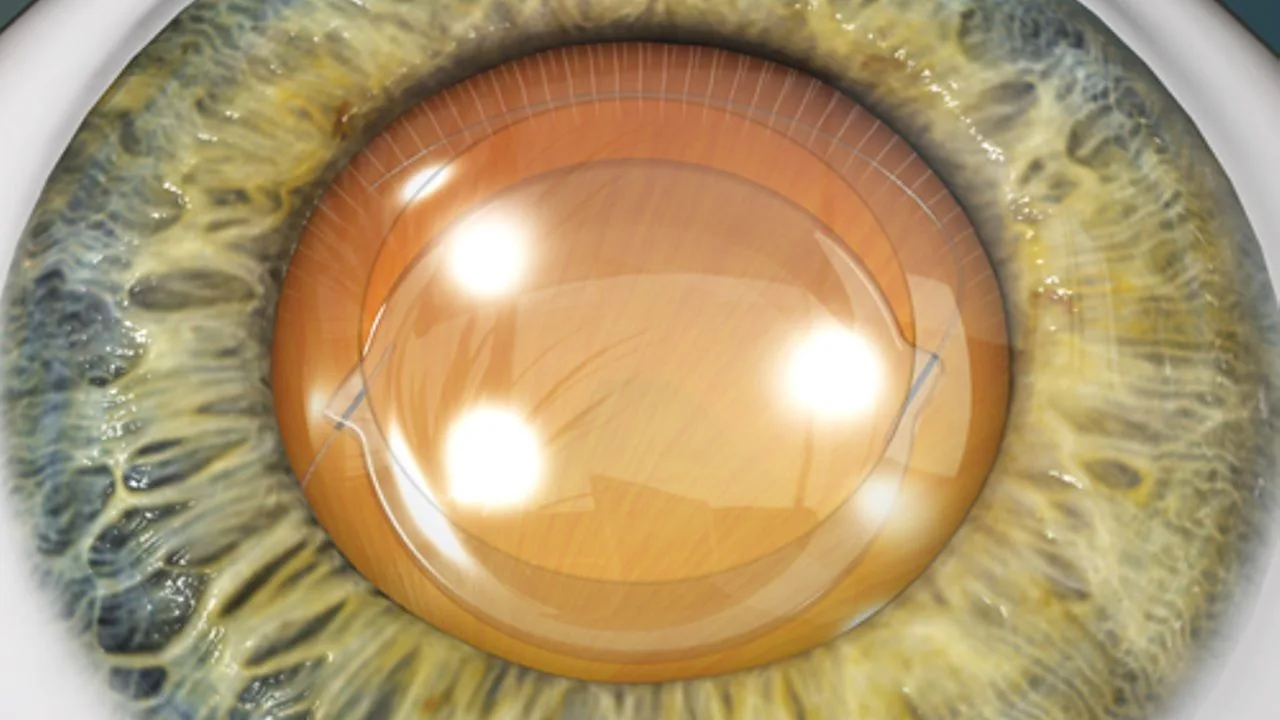
Cataract treatment does not hold a great many options. The only treatment for this condition is surgery. During cataract surgery the protein gathered in the lens is cleared and a new lens is placed in the position of the deteriorated one. Today the standard technique is phacoemulsification: the clouded lens is broken up with ultrasound and removed through a small incision, without stitches. Older techniques such as extracapsular cataract extraction are now rarely used. Cataract surgery is mainly carried out with the following methods:- Phacoemulsification (phaco)
- Stitchless laser cataract surgery