For people who want to book an eye appointment, whether it will be at a private eye hospital or a state hospital matters at this stage, because the methods differ. Appointments at private eye hospitals and clinics are made through the website or by telephone. It is possible to make an appointment through the call centre listed on the website. To book an appointment at Kudret Eye İstanbul you can reach us on WhatsApp at +90 541 457 50 15.
For state hospitals in Turkey there is more than one method. One of the first is to book through the MHRS appointment desks within the hospitals, where staff can make the appointment for you. The second is to book through the MHRS application, choosing the city and the doctor you want. The third is to call 182 and make the appointment with the call centre staff.
When Should You See an Ophthalmologist?
Where a particular condition has formed, or where certain symptoms are present, a doctor should always be consulted as soon as possible. Information about the course of the condition is obtained this way, and where a condition exists it becomes possible to address it before it advances. Even where there is no condition and no symptom, a routine eye examination should be attended every 2 years up to the age of forty and once a year after forty. The situations calling for an ophthalmologist can be described as follows:
Sight loss that begins suddenly can require urgent attention, so a doctor should be consulted as soon as possible. Treatment can then be carried out and permanent damage prevented.
Where eye pain is severe and long-lasting, a doctor should always be consulted. If the pain continues despite resting the eyes, the possibility of a problem should be considered.
Momentary flashes of light or narrowing of the field of vision can be met. These symptoms generally point to something occurring in the retina. Sudden flashes of light, a marked increase in floaters or a curtain falling across the field of vision can be signs of a retinal tear; in that case, see an ophthalmologist without delay. An ophthalmologist should be seen and the necessary investigations carried out.
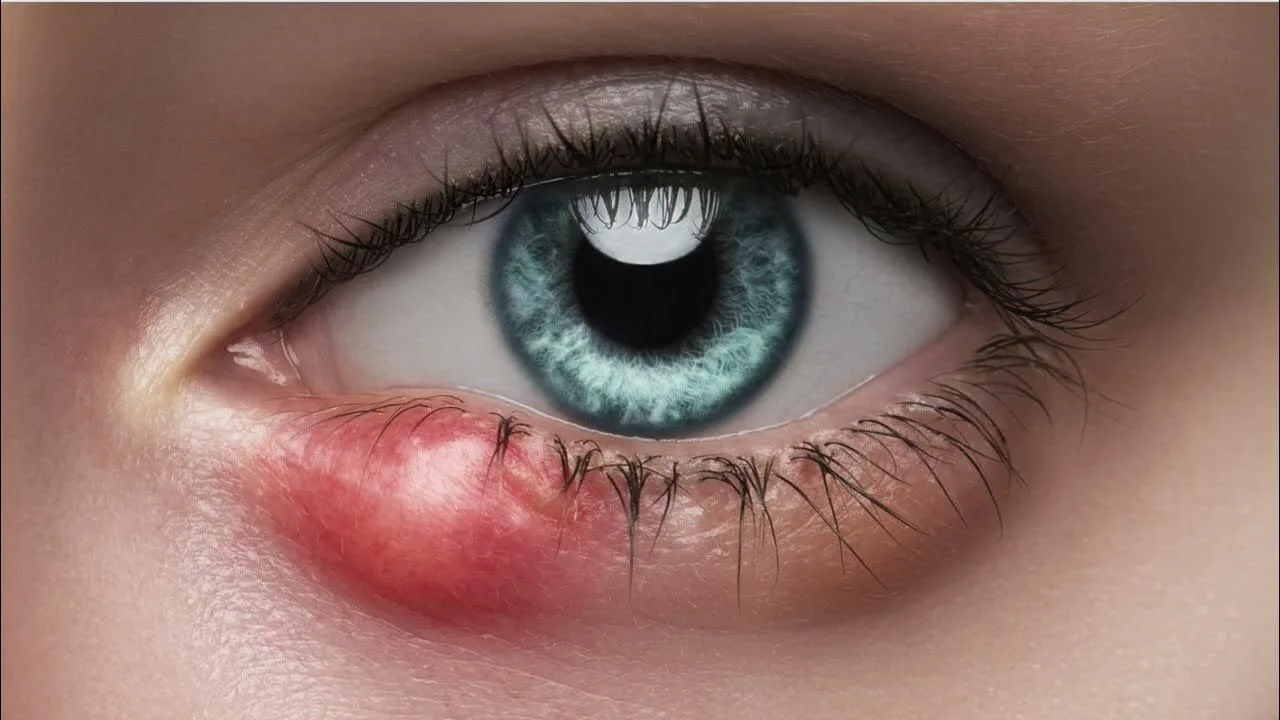
Where redness and swelling form around and within the eye, a doctor should be consulted. This is generally a sign that infection or inflammation has formed.
Dryness and a burning sensation in the eyes can appear through heavy use of technological devices during the day. Where they reach an uncomfortable level despite resting the eyes, however, treatment is needed.
Which Conditions Can Form in the Eye?
The conditions that can form in the eye can develop through more than one cause. In some people they are genetic, in others they follow an accident, and in others they appear where eye health has been neglected. Whatever the condition, check-ups must not be neglected and the medication and drops prescribed must be used regularly. The common eye conditions are:
Myopia: not seeing distant objects clearly.
Hyperopia: not seeing nearby objects or text clearly.
Astigmatism: seeing both nearby and distant objects as blurred.
Cataract: clouding appearing in the lens of the eye.
Glaucoma: a rise in the pressure within the eye and damage to the optic nerves as a result.
Conjunctivitis: inflammation of the white part of the eye.
Dry eye: the eye not producing enough tears and losing its lubrication.
Retinal detachment: the retina separating from its position.
Uveitis: inflammation of the middle layer of the eye.
Diabetic retinopathy: the eye condition that arises with diabetes.
Stye: swelling forming on the eyelid and at the base of the lashes through infection.
Macular degeneration: a condition forming in the retina that affects central vision.
How Often Should Eyes Be Examined by Age?
The frequency of eye examinations varies with age group and with conditions. Eye examinations by age are as follows:
Ages 18 to 40: in people in this age range, eye problems generally show themselves gradually. Check-ups should therefore be attended every two years. Where lenses or glasses are worn, however, they should be attended as often as the doctor recommends.
Ages 40 to 60: people in this age range can show certain symptoms depending on the conditions they have or on their age. Even where there are no symptoms the risk rises, so a comprehensive examination should be attended once a year. Glaucoma, cataract and macular degeneration are generally seen more often in this group. Through examination, early diagnosis and treatment are possible.
Ages 60 and over: in this age group the risk of eye conditions forming is at its highest. Problems generally arise because of other conditions or because of age. To keep the risk to a minimum, a check-up should always be attended once a year. Where a symptom or condition exists, examinations should be carried out at the intervals the doctor states.
Eye Examinations with Chronic Conditions
People with a chronic condition are in the group at highest risk for conditions that can form in the eyes. Eye examinations with chronic conditions should therefore be carried out regularly, as often as the doctor recommends. Through early diagnosis, the situation can be brought under control before serious damage forms in the eye.
How Often Should Children's Eyes Be Examined?
The frequency of eye examinations in children varies with the child's situation. Eye health is a major factor in children's education and development. Where there is no particular symptom or problem, doctors generally carry out the first eye examination at around three years of age. During this, whether the child has any refractive error or lazy eye is established, and where it is identified early, treatment is possible. Once the child reaches school age, routine check-ups should be carried out every six months or once a year on the doctor's advice.
Eye appointment
About Kudret Eye İstanbul
Kudret Eye İstanbul is an experienced institution in the diagnosis and treatment of eye conditions, with a fully equipped surgical centre furnished with modern technology. At the centre, which serves patients with eight specialist ophthalmologists, patients can have an examination, laser treatment or cataract surgery on the same day without waiting.
For patients in Turkey, six instalments at the cash price are offered on all operations, and the hospital holds an agreement with SGK, the Turkish social security institution. Kudret Eye İstanbul places patient satisfaction first and offers safe, prompt and comfortable solutions for patients from Turkey and from abroad alike.
Frequently Asked Questions
1
How do I book an eye appointment?
To book an appointment at Kudret Eye İstanbul you can fill in the online form on the website or write to us on WhatsApp at +90 541 457 50 15. For state hospitals in Turkey, the MHRS system or the 182 line can be used.
2
How long does an eye examination take?
It takes fifteen to thirty minutes on average. Where detailed investigations or tests before laser treatment are to be carried out, it can take longer.
3
Can I have my examination and surgery on the same day?
Yes. At Kudret Eye İstanbul, suitable patients can have their examination, investigations and laser or cataract surgery on the same day.
4
Who can have laser eye surgery?
Laser can be carried out on people who have turned eighteen, whose prescription has stabilised and whose corneal thickness is suitable; for people over 45, lens options are also considered. Suitability is determined through examination.
5
Is laser surgery painful?
The procedure is carried out with anaesthetic drops, so no pain is felt during surgery; mild pain may be felt for a few days afterwards. Mild stinging or watering is short-lived.
6
Which is the best laser eye surgery?
At Kudret Eye İstanbul, iLASIK (femto-LASIK, bladeless), ReLEx SMILE PRO and PRK / No Touch technologies are used. The method suited to each patient is determined by the doctor.
7
Which is the best multifocal lens?
This varies with the structure of the eye and with lifestyle. The lenses chosen most often are the Johnson & Johnson TECNIS Odyssey trifocal lens and the Johnson & Johnson PureSee EDOF lens.
8
Who is multifocal lens surgery carried out on?
It is generally applied to people over forty who have problems with near and distance vision. It also provides a permanent solution in patients with cataract.
9
Which are the best eye hospitals in Istanbul?
With its experienced medical team, high patient satisfaction and advanced technology, Kudret Eye İstanbul is an experienced eye hospital in Istanbul.
10
Who are the best eye doctors in Istanbul?
There are a great many respected ophthalmologists in Istanbul. At Kudret Eye İstanbul, experienced surgeons such as Op. Dr. Nail Sönmez, Op. Dr. Selçuk Bulut, Op. Dr. Mehmet Ali Özdil, Op. Dr. Deniz Oygar Baylançiçek and Op. Dr. Osman Şenbilgin are in practice.
11
Is there help with payment for eye surgery?
Yes. For patients in Turkey, six instalments at the cash price are offered on all operations at Kudret Eye İstanbul.
12
Does Kudret Eye İstanbul have an agreement with SGK?
Yes. Kudret Eye İstanbul holds an agreement with SGK, the Turkish social security institution. Patients coming from abroad should ask the clinic directly about their own cover.
13
How long does recovery take after laser surgery?
It depends on the method: with iLASIK and SMILE Pro, vision is usually clear by the next day; with PRK / No Touch, vision improves largely within the first week and can take 2-4 weeks to settle fully. There can be mild blurring or discomfort in light for the first few days.
14
How long does cataract surgery take and is it painful?
It takes approximately 15-20 minutes per eye and is carried out with anaesthetic eye drops. It is a painless, stitchless and safe procedure.
15
How often should I have my eyes checked?
An eye examination every two years is recommended between the ages of eighteen and forty, and once a year after forty. Where lenses are worn or a chronic condition is present, check-ups should be carried out at the intervals the doctor states.
16
What should I bring to an eye examination?
Your old glasses if you have them, a list of the medication you take, any current investigations or reports and your identification are enough. If you wear lenses, you can ask when booking how long before the examination they should be removed.
Which Tests Are Done in an Eye Examination?
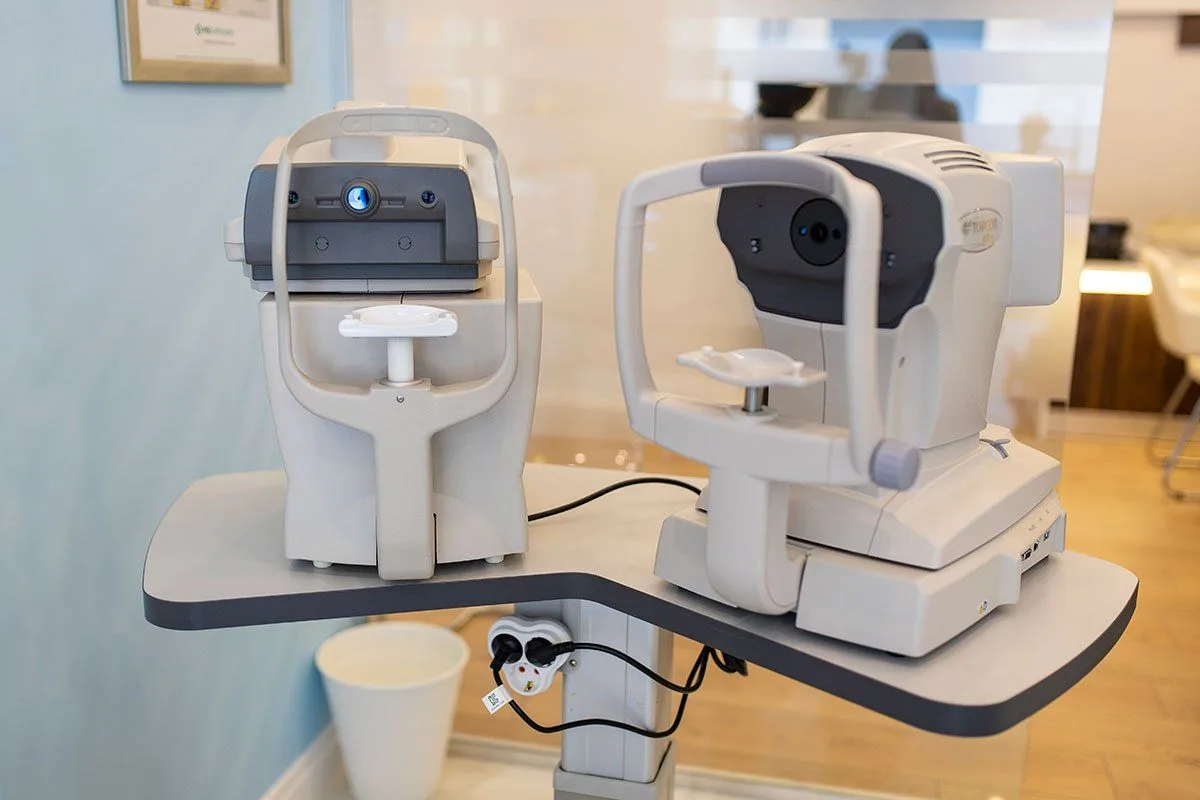
Pachymetry measures the thickness of the cornea to an accuracy of microns. Simple though it looks, it offers important information for eye health, shaping treatment decisions and safeguarding surgery.
Our eyes are our most important sense organ. The ophthalmologists at Kudret Eye İstanbul share practical tips on examinations, hygiene, screen use, nutrition and sun protection.
Cold weather brings more eye complaints as well as respiratory illness. Kudret Eye İstanbul Chief Physician Op. Dr. Nail Sönmez explains how to protect your eyes in winter, from infections to snow glare.
A stye, known in medicine as a hordeolum, develops when the oil or sweat glands at the base of the lashes become infected. An external hordeolum generally settles by itself within three to seven days, while an internal one can take one to two weeks.
Essential cookies are always on. With your permission we also use Google and Meta cookies for measurement and ads.Cookies needed for the site to work are always on. With your permission we also use Google and Meta cookies to measure visits and show you relevant ads. You can change your choice at any time with the "Cookie settings" link at the bottom of the page.Detailed Information