




Eye Diseases
What is Pachymetry?
- Kudret Eye Istanbul
- Last updated:
- 5 min read
- Medically reviewed by Op. Dr. Mehmet Ali Özdil
The cornea, the outermost layer of the eye, protects it from external factors and, more importantly, is the first place light entering the eye is refracted. It alone provides around two thirds of the eye's total refractive power. The biomechanical integrity and thickness of this delicate optical structure affect both the quality of vision and the success of certain medical procedures directly. So what is pachymetry? Here is what people ask about this measurement.
The cornea, at the very front of the eye, is the cornerstone of the quality of our vision. The health of this transparent and curved tissue, like a watch glass, therefore matters for clear sight. Pachymetry measures the thickness of exactly this critical tissue, the cornea, to an accuracy of microns, a millionth of a metre. Simple though it looks, pachymetry is a general procedure that offers important information for eye health, shapes treatment decisions and safeguards surgical operations.
Why is Pachymetry Carried Out?
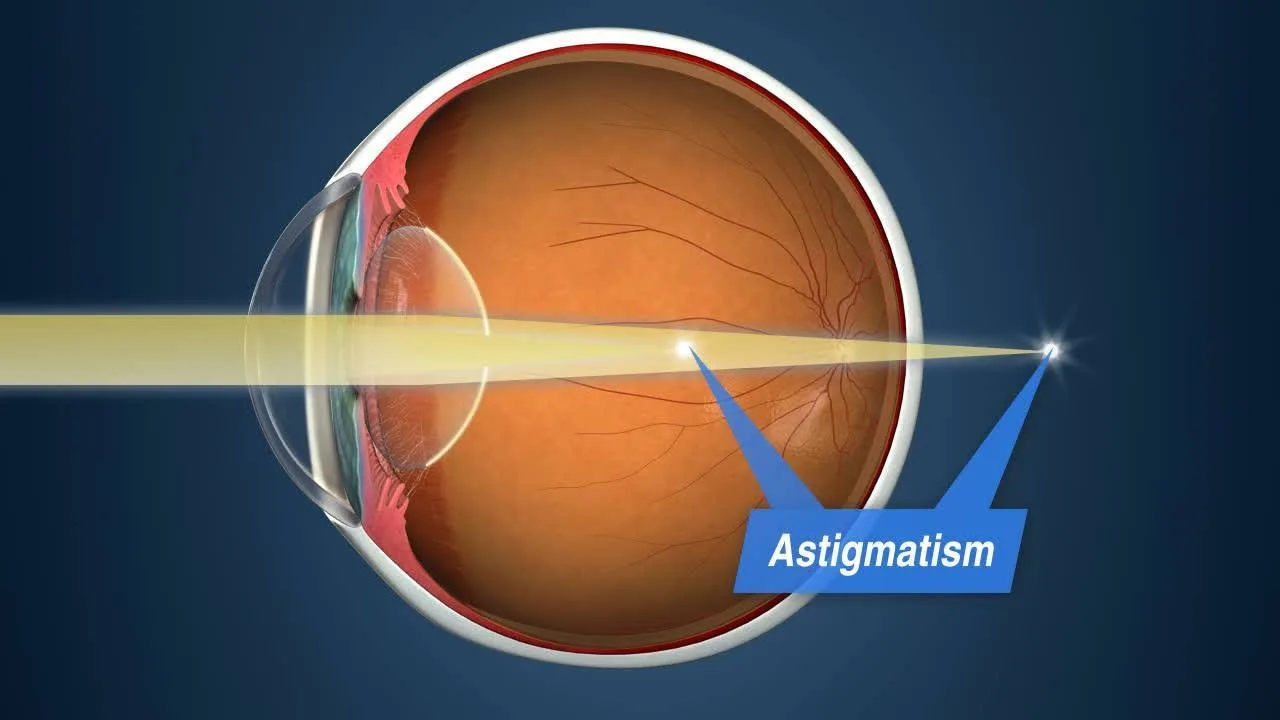
Pachymetry offers a road map in diagnosis and treatment. Its main applications are:- Planning refractive surgery (laser eye surgery): the basic principle of laser operations such as LASIK, PRK and SMILE, carried out to correct refractive errors such as myopia, hyperopia and astigmatism, is to reshape the cornea with great precision so that light focuses correctly on the retina. During this procedure, tissue is vaporised from the middle layer of the cornea, called the stroma.
- Diagnosing and following glaucoma: glaucoma is a condition that damages the optic nerve and causes permanent sight loss. The most important parameter in diagnosing it is the pressure within the eye. Standard measurement of that pressure is affected by the resistance of the cornea. An inaccurate measurement carries risk, because corneal thickness acts as a kind of calibration factor. In a thick cornea, for instance, the device applies more pressure, so the intraocular pressure reads higher than it is. This can lead to a healthy person being diagnosed with glaucoma by mistake. Because a thin cornea flattens more easily, intraocular pressure reads lower than it is. That is far more dangerous, because a glaucoma patient with high eye pressure can be missed and their treatment delayed.
- Managing corneal conditions: pachymetry is also critically important in diagnosing and following various conditions that affect the structural integrity of the cornea:
- Keratoconus: in this condition, in which the cornea thins progressively and takes on a conical shape, the corneal thickness maps produced by pachymetry are used to identify the thinnest point and to follow the progression of the condition.
- Fuchs endothelial dystrophy: in this situation, which forms as the cells of the endothelium, the innermost layer of the cornea, die, the fluid pump function of the cornea is disturbed and oedema forms. Pachymetry is used to measure the increase in corneal thickness and thereby follow the severity of the oedema and the effectiveness of treatment.
- Follow-up after corneal transplant: in patients who have had a corneal transplant (keratoplasty), regular pachymetry measurements are taken to assess the health of the graft and any possible rejection or oedema.
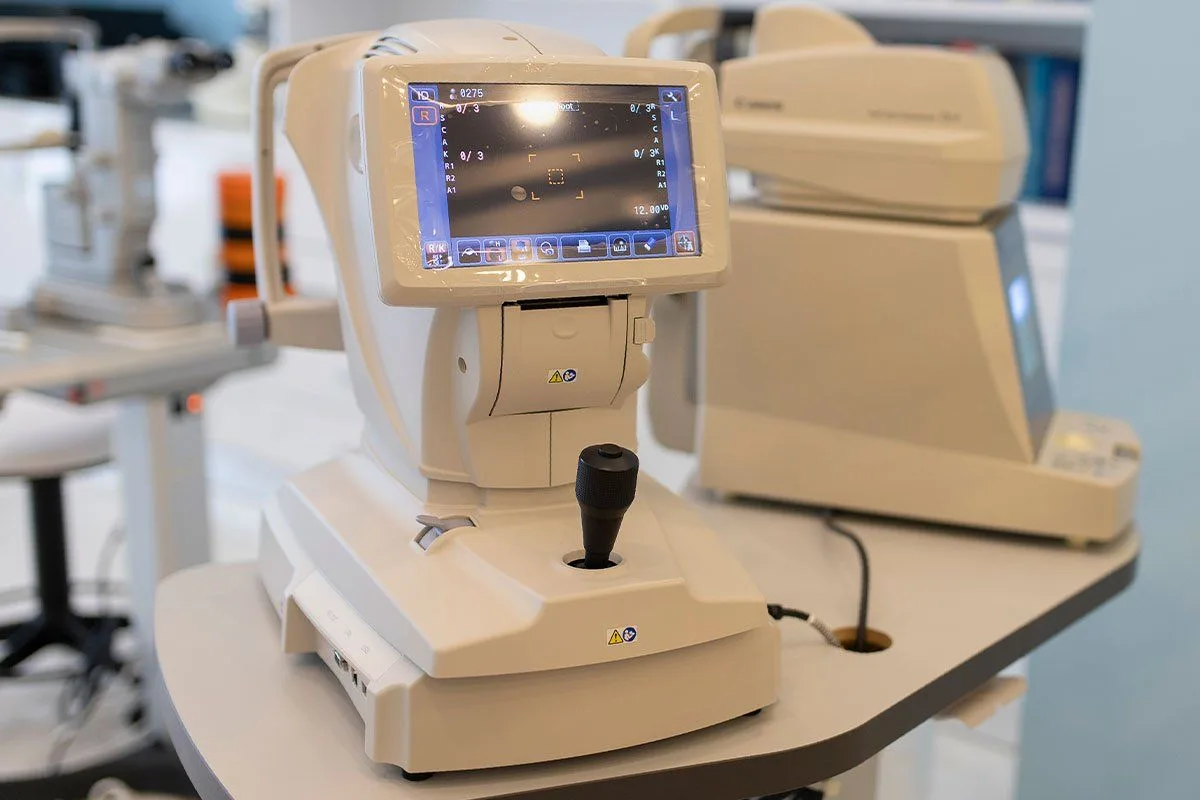
What is a Pachymeter?
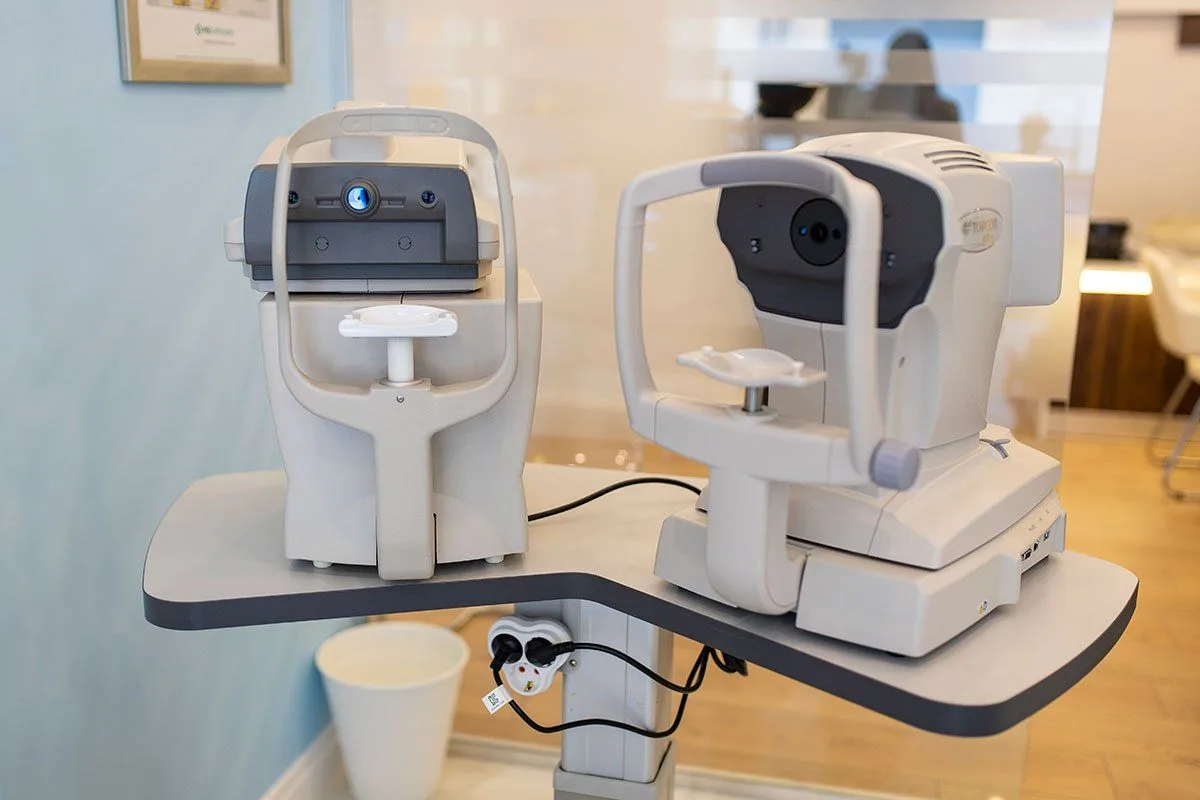
Two different technologies are essentially used to measure corneal thickness today. Both have their advantages and their disadvantages. This medical device, used to measure the thickness of the cornea, has two basic working principles:- Ultrasonic pachymeter: after an anaesthetic drop has been applied to the surface of the eye, a small device with a probe at its tip is touched lightly against the cornea and the measurement is taken with sound waves. Very precise results are obtained this way.
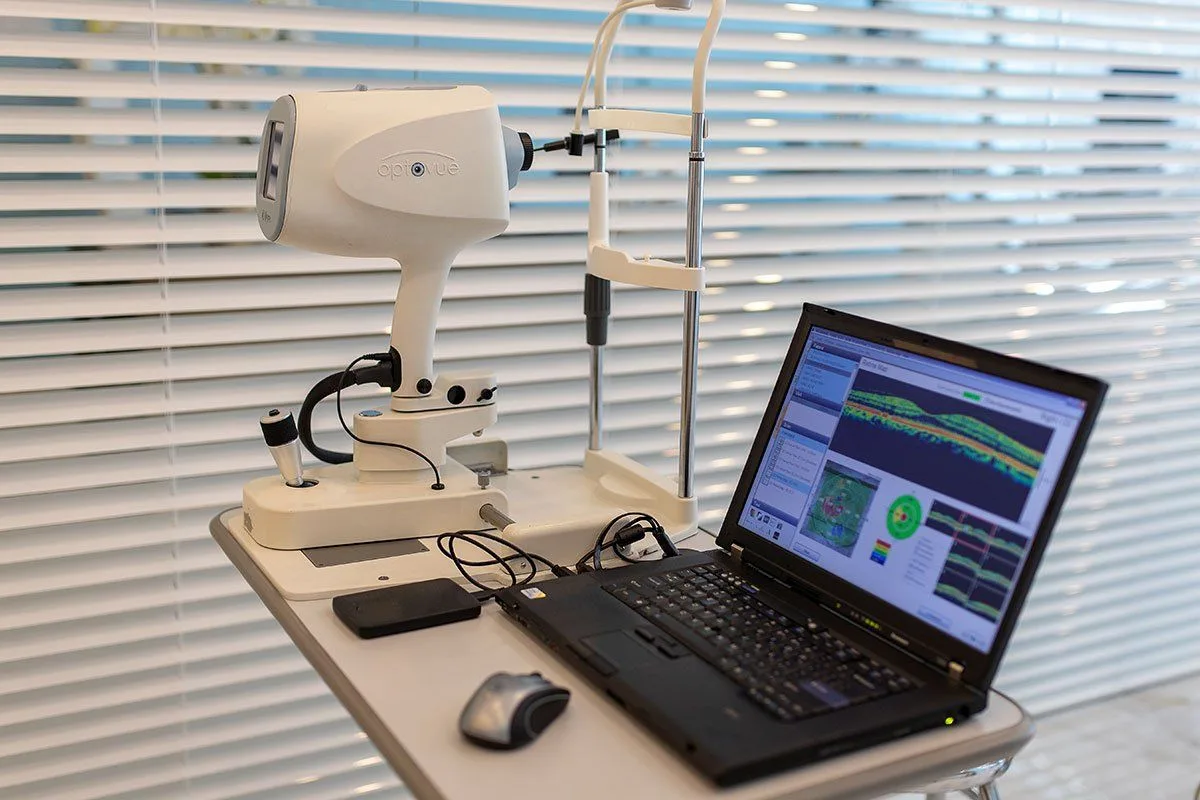
- Optical pachymeter: these devices take the measurement without touching the eye, using optical technologies such as a Scheimpflug camera or optical coherence tomography (OCT). This method is quicker and more comfortable and also produces a thickness map of different points on the cornea.
Interpreting the Results
The central thickness of an average human cornea is generally around 540 to 550 microns. That value can vary with ethnic origin and individual differences, however. A pachymetry result is not enough on its own; it should always be assessed by an ophthalmologist together with the other findings of the general eye examination, the intraocular pressure and the patient's complaints. In short, pachymetry means far more than a simple number in assessing eye health. It is a guide drawing the safe limits of refractive surgery, a calibration tool ensuring the accuracy of a glaucoma diagnosis and an indicator following the course of corneal conditions. Faster, more comfortable and more comprehensive as technology advances, this measurement forms the basis of the individual and more decisive treatments modern ophthalmology offers. Symptoms of Eyelid InflammationFrequently Asked Questions
- 1
Is pachymetry painful?
No. With the contact (ultrasound) method an anaesthetic drop is used beforehand, so the patient generally feels nothing; the optical method does not touch the eye at all. - 2
How many microns should corneal thickness be?
It is 540 to 550 microns on average, although this value varies from person to person. - 3
Why does pachymetry matter so much for laser surgery?
Patients with a thin cornea may not be suitable for surgery; the measurement is always taken to reduce the risk of complications. - 4
How long does a pachymetry measurement take?
The procedure is generally completed within a few minutes. - 5
Is pachymetry carried out only for people who want to be free of glasses?
No. It is also used in diagnosing and following conditions such as glaucoma and keratoconus.