




Eye Diseases
What Causes Bloodshot Eyes and How Do They Clear?
- Kudret Eye Istanbul
- Last updated:
- 6 min read
- Medically reviewed by Op. Dr. Mehmet Ali Özdil
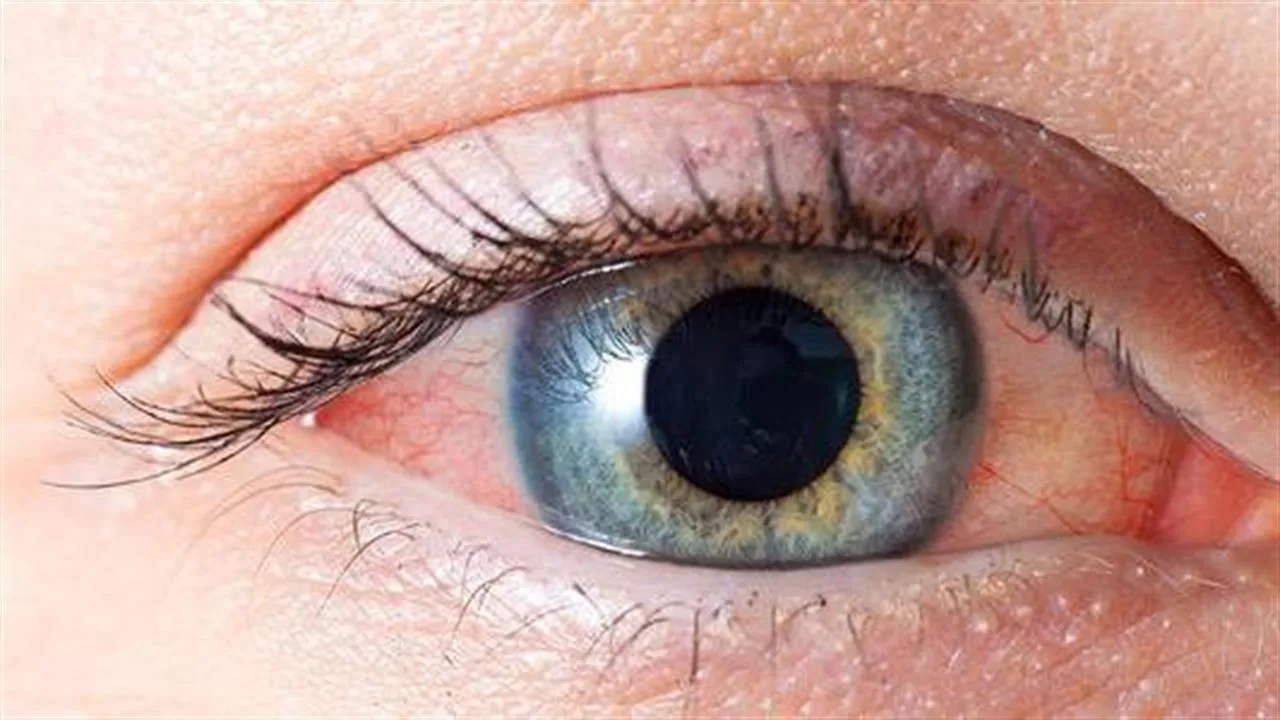
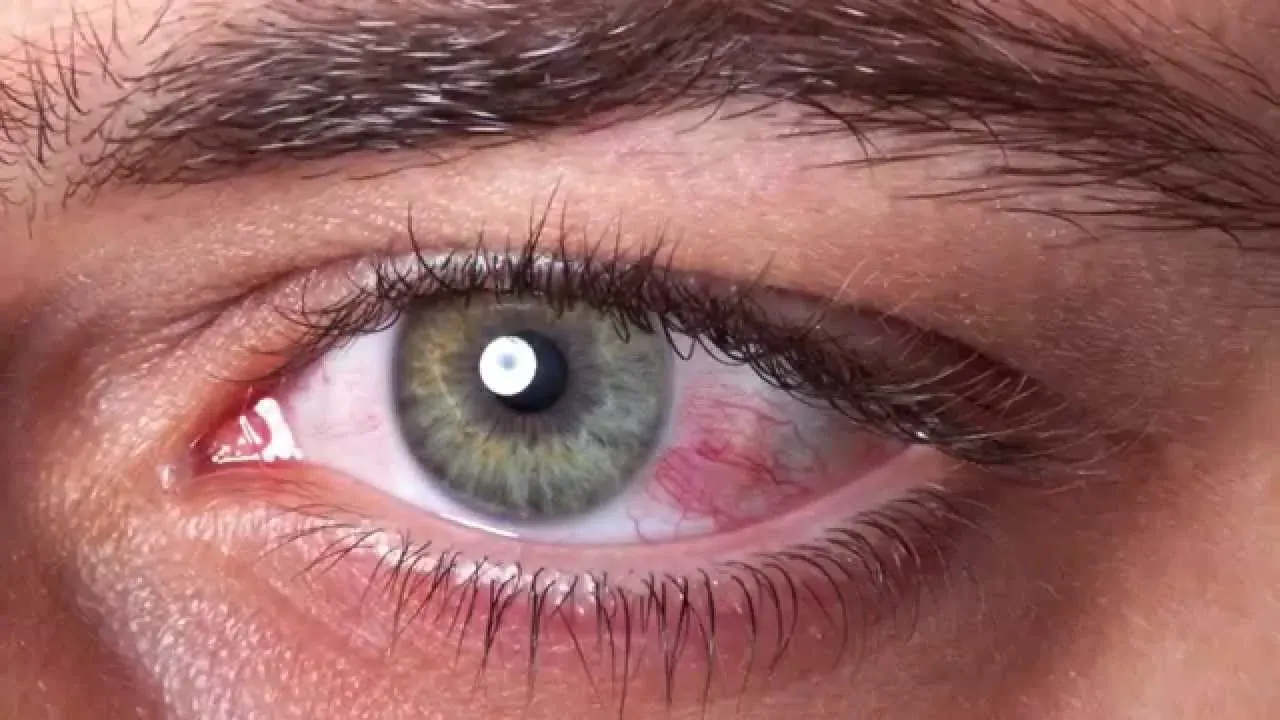
Bloodshot eyes, known medically as conjunctival hyperaemia, occur when the small blood vessels on the white of the eye widen and become visible. The redness can affect one eye or both. It often clears by itself once the cause is removed, but in some situations assessment by an ophthalmologist is needed.
A bleed on the white of the eye is a different condition. In a subconjunctival haemorrhage, a small vessel beneath the clear membrane covering the white of the eye bursts and a sharply outlined red patch appears. It is usually painless and does not affect vision. It can follow coughing, sneezing, vomiting, straining or lifting a heavy load, or occur in people taking blood thinning medication or with high blood pressure or a clotting disorder. It usually clears by itself within one to two weeks. It also differs from hyphaema, in which blood collects in the front chamber of the eye; hyphaema needs to be seen by an ophthalmologist.
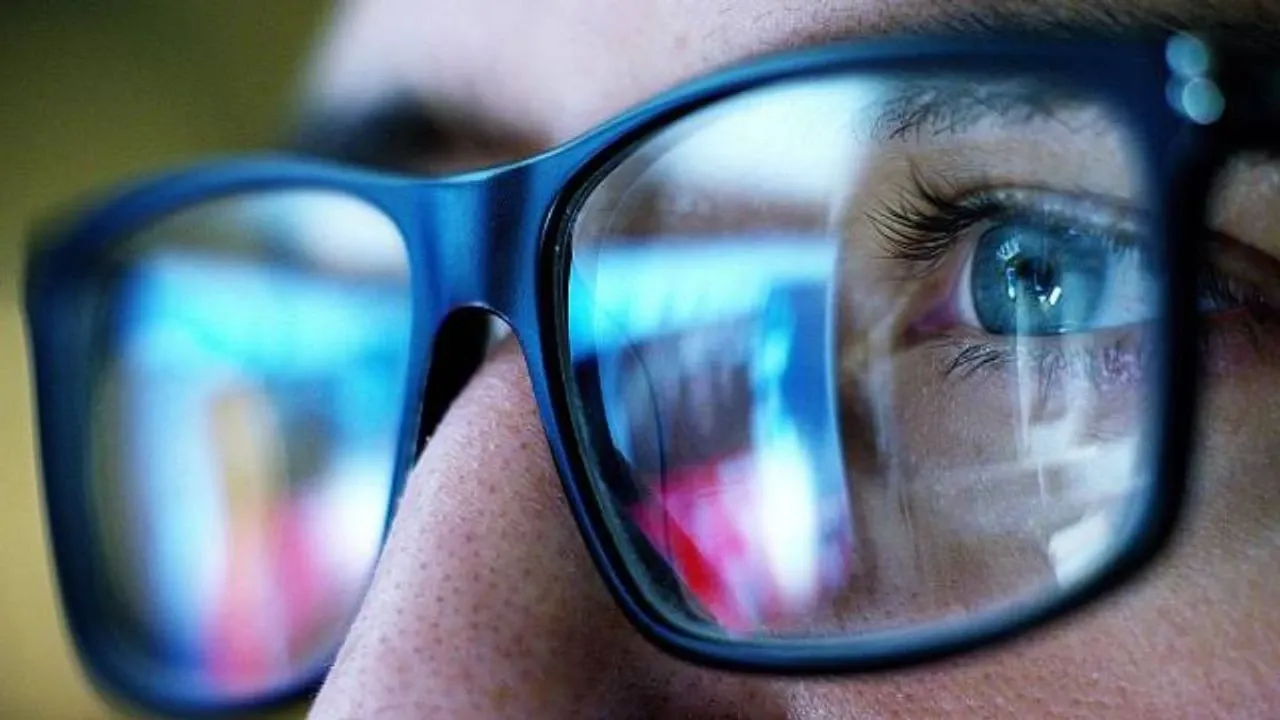
There are many causes and environmental factors behind bloodshot eyes. Redness generally appears through focusing on one place for a long period, through lack of sleep or through the quality of the glasses worn, and it clears once the person has rested. In some situations it can also be the sign of conditions requiring medical attention, such as allergy in the eyes, infection, a stye, dry eye or, rarely, a sudden rise in eye pressure (acute glaucoma).
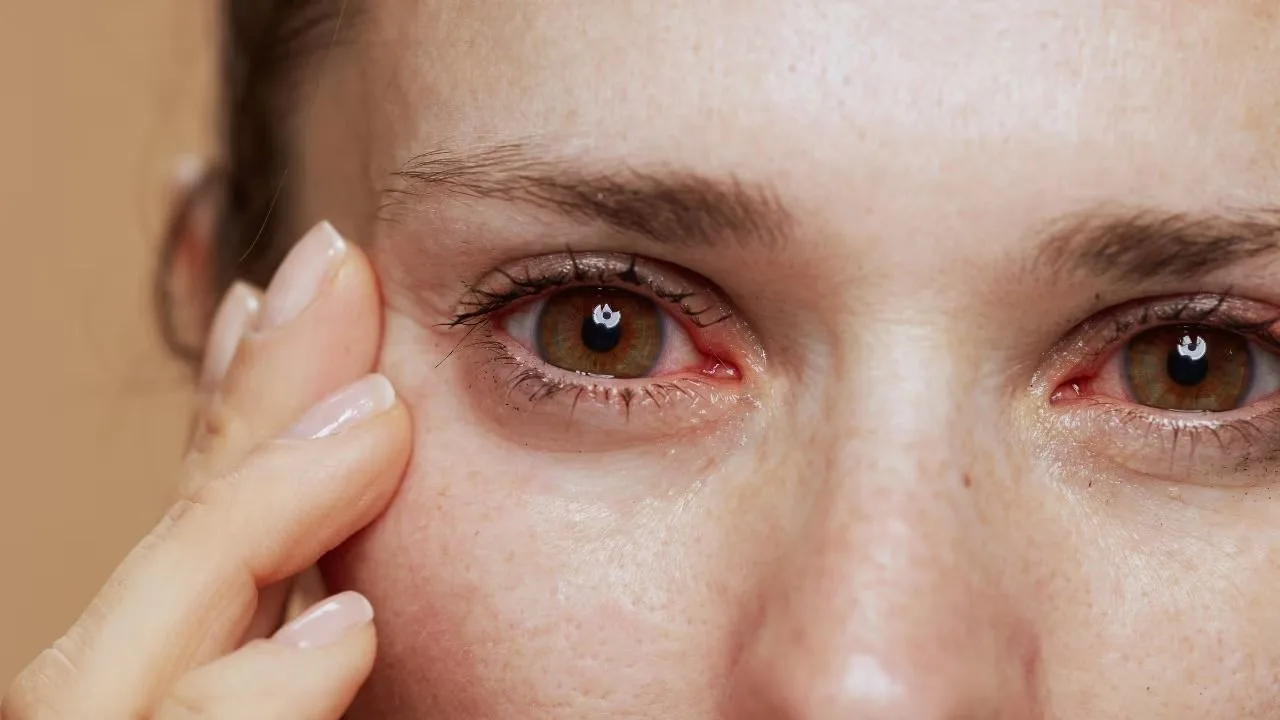
What Causes Bloodshot Eyes?
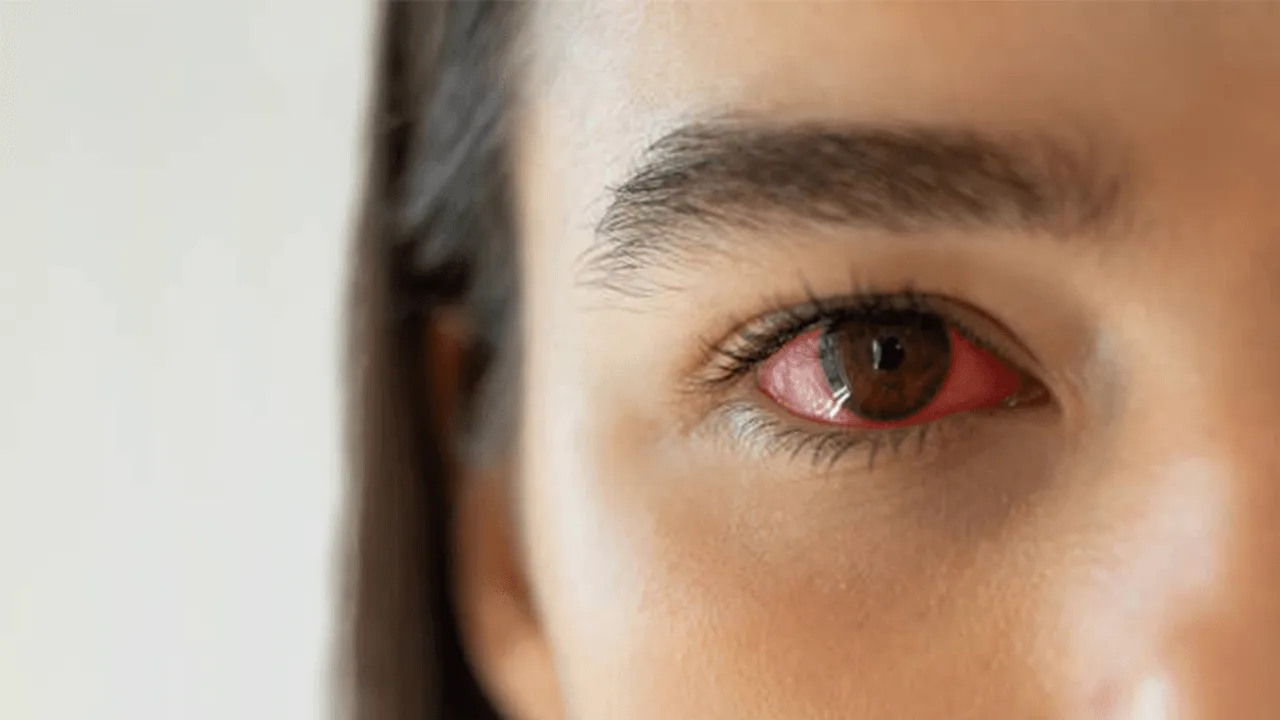
There is no single cause of red eyes. A person's daily routine can make redness more likely, and because it can have more than one cause, a doctor should be consulted if it does not clear. The causes of bloodshot eyes can be listed as follows:- Focusing on a single point for a long period
- Lack of sleep
- Not resting the eyes, and fatigue
- Wearing contact lenses for too long
- Dry eye
- Allergies affecting the eye
- Eye infections (conjunctivitis)
- Inflammation of the eyelid margins (blepharitis)
- Injuries to the eye
- Age-related conditions of the eye
Bloodshot Eyes in Babies
Bloodshot eyes in babies are among the problems seen frequently. In babies they are generally seen in connection with infection and allergy. Bloodshot eyes in babies generally appear through bacterial infection or as a result of viral infection. They can also appear when certain bacteria present in the birth canal pass to the baby during delivery. Following the necessary investigations and tests, your doctor begins the appropriate treatment and clears the problem, which also prevents other larger problems from arising.Symptoms of Bloodshot Eyes
Bloodshot eyes are generally not a very risky situation. Where they persist and do not clear, however, a doctor should always be consulted. As a sign, the white area of the eye appears bloodshot with red vessels. Alongside this, symptoms such as tenderness, a feeling of fullness, swelling and blurred vision also appear. The symptoms of bloodshot eyes are as follows:- Blood vessels appearing on the white transparent part of the eye
- Swelling forming in the eyes
- Itching and a feeling of irritation in the eyes
- Sensitivity to light
- Pain in the eyes
- Seeing images poorly or blurred vision
- A feeling of fullness in the eyes
- Stinging in the eyes
How Are Bloodshot Eyes Diagnosed?
Diagnosis generally begins with specialists learning your medical history at the first stage. Whether you have met this situation before, your family history and whether you have other eye conditions are all investigated. Physical examination is carried out alongside. During the physical examination the structure of the eye is examined. Whether there is any injury or damage to the eye, or any change in its structure, is checked. The pressure of the eye is measured as well, and the inside of the eye is examined to establish whether there is bleeding or trauma deeper in the eye. Once the necessary investigations are complete the diagnosis is made. If the doctor suspects a serious problem following those investigations, they can take the investigation further with blood tests or ultrasound.How Are Bloodshot Eyes Treated?
Treatment for bloodshot eyes varies with what the eye is responding to. Simple redness is generally not serious and clears within a few days to 2 weeks once the cause is removed. Where it appears for other reasons, however, treatment can proceed differently. Dry eye is treated with artificial tears and allergy with antiallergic drops. Treatment for bloodshot eyes depends on the cause. A bleed in the white of the eye (subconjunctival haemorrhage) usually clears by itself within one to two weeks and needs no treatment. Where the redness is connected to a bacterial infection in the eyes, treatment takes place with antibiotic drops, and with drops that relieve pain where pain has formed. These treatments must always be carried out on a doctor's advice. If bleeding in the white of the eye recurs often, blood pressure and blood clotting should be checked. Serious injuries to the eye are assessed and treated separately by an ophthalmologist.
When Are Bloodshot Eyes Dangerous?
Bloodshot eyes generally appear during periods when a person is tired, stressed or short of sleep. In situations of that kind they clear within a few days to 2 weeks once the person has rested. Where the redness affects both eyes and does not clear, however, it may be the sign of a serious condition. Alongside this, where symptoms such as watering, itching, tenderness, stinging, blurred vision or sight loss appear, bloodshot eyes may be dangerous. A doctor should therefore always be consulted as soon as possible. Through the necessary investigations and tests, where there is a problem it can be treated following an early diagnosis, so that intervention takes place before more serious problems arise.Frequently Asked Questions
- 1
What causes bloodshot eyes?
Many factors can cause them, such as lack of sleep, fatigue, allergy, infection, dry eye and contact lenses. - 2
Do bloodshot eyes clear by themselves?
If they are linked to simple causes they can clear within a few days to 2 weeks. If they persist, however, a doctor should be consulted. - 3
Are bloodshot eyes normal in babies?
They generally arise from infection or allergy. If they persist, the baby should be taken to a paediatric ophthalmologist. - 4
Should I use eye drops?
Drops should not be used at random. The doctor determines which drop is appropriate. - 5
When are bloodshot eyes dangerous?
Where there is sight loss, pain, sensitivity to light, swelling or frequently recurring bleeding, a doctor should be consulted without losing time. Eye Hygiene: What to Pay Attention To