




Eye Diseases
What Are Artificial Tears and How Are They Used?
- Kudret Eye Istanbul
- Last updated:
- 6 min read
- Medically reviewed by Op. Dr. Mehmet Ali Özdil
The question of what artificial tears are is one of the subjects people suffering from dry eye wonder about. Dry eye arises as the glands producing the fluid that protects the upper layer of the eye fail to work properly. People experiencing this situation remove the problems dry eye causes thanks to artificial tear drops.
Thanks to tear drops, the eye is kept moist. If the glands that normally secrete fluid for the eye do not work, the eye dries constantly and that leads to certain problems. Artificial drops close that gap. Artificial tear drops are prescribed by a doctor to people suffering from dry eye. They are one of the methods used most in treating dry eye. Their medical name is a tear preparation. Artificial tears are placed directly into the eye. They rarely cause discomfort. The patient is examined by an ophthalmologist and they are given where they are considered necessary.
What is Dry Eye?
The question of what dry eye is and how it is treated falls among those asked most today. Dry eye occurs because the secretions that protect the eye and keep it moist are irregular. These secretions protect the upper layer of the eye. They also provide resistance against various microorganisms. This system working properly and the eye staying moist protect it in a great many ways. If the system does not work properly, however, the problem of dry eye appears. Dry eye is a condition that has begun to increase with the conditions of our times as well. Touching everything with our hands during the day and then being in contact with our eyes can lead to an increase in eye conditions. Artificial tear drops keep the eye moist and ease the complaints of dryness, but they do not protect against germs.
What Are Artificial Tear Drops Used For?
The question of what artificial tear drops are used for is one people with dry eye wonder about. Artificial tear drops are used in treating dry eye. They keep the eye moist and relieve dryness; they do not protect against infection. When tear drops are used, dry eye is reduced to a great degree. They fall among the methods doctors recommend most to patients in treating this problem. Tear drops, which patients wonder about, imitate natural tears. They are applied by being placed directly into the eye. They generally cause no burning or similar discomfort. The purpose of using tear drops is solely to remove the dryness in the eye. People can thereby continue with their normal lives without discomfort.Symptoms of Dry Eye
The symptoms of dry eye can affect a patient's daily life. Those effects increase further where a great deal of time is spent at a computer or outdoors. The symptoms of dry eye are generally the same in every patient. They are:- Feeling as though a foreign body has entered the eye
- A sense of burning and stinging in the eye
How Are Artificial Tears Used?
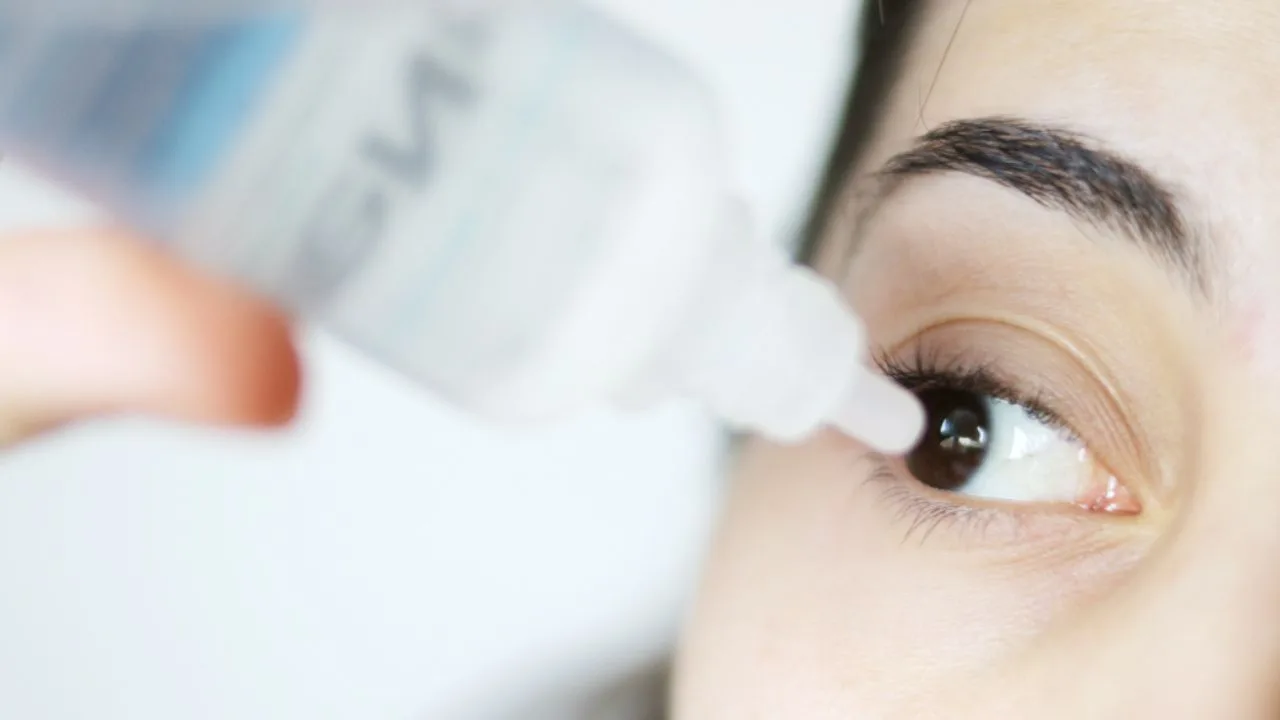
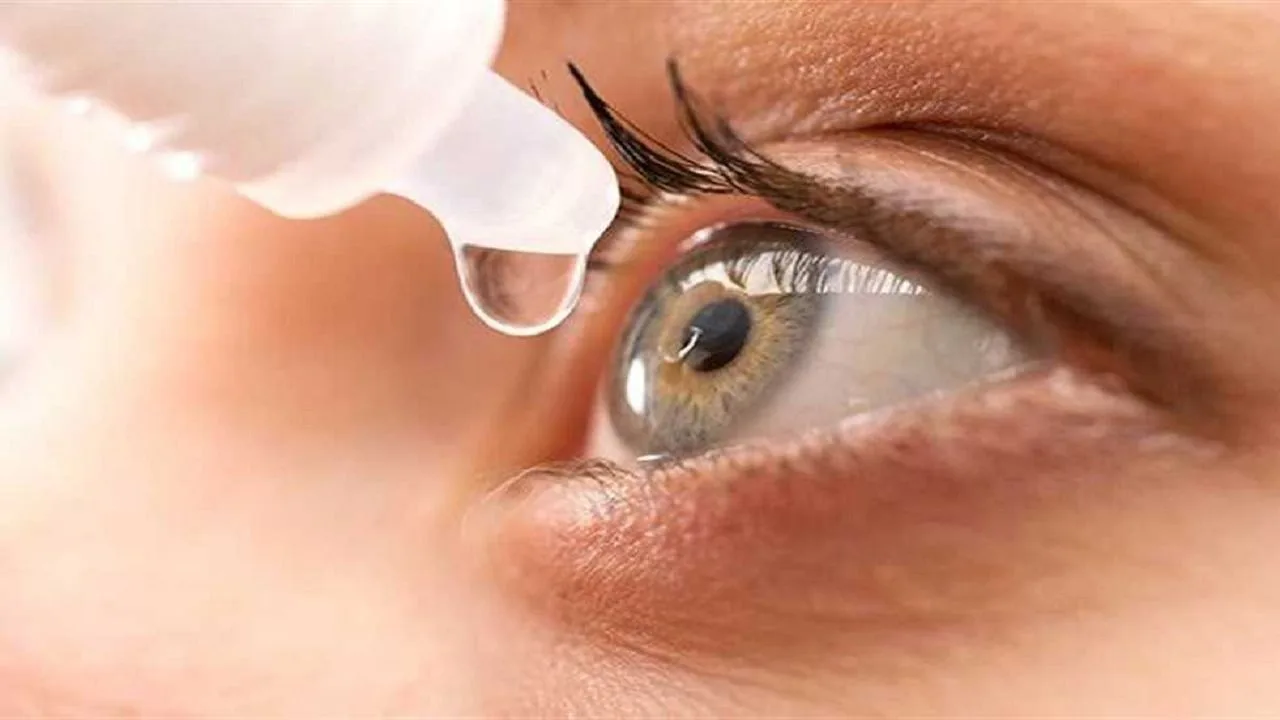
The question of how artificial tears are used is another asked most often. There are things to observe while using tear drops. Using them does not obstruct a person's daily life. Some of the points to observe while using artificial tear drops are these:- In order to place the drop in your eye, it matters to tilt your head back and then apply it.
- Before applying the drop, open your lower and upper eyelids with your fingers. The drop will then spread better.
- Place the drop directly into your eye without touching the area beneath the eye or the eyelid.
- After placing the drop, allow it to spread by blinking slowly rather than squeezing your eye shut.
- So that any excess of the artificial drop does not run out, press on the inner corner of the eye.
- After applying artificial tears, keep your eyes closed for one minute. Do not bring your head back to its normal position at once.
- After waiting one minute, wipe away any excess drops.
What to Observe While Using Artificial Tears
The points to observe while using artificial tears matter a great deal. In some patients artificial tears can cause certain effects. Some of the signs written in the patient information leaflet are these:- Redness and itching in the eye
- Allergic reactions
- Blurring of vision
- Pain in the eye
- A stinging sensation while blinking