




Intraocular Lens Treatments
Contact Lens Prices and Types
- Kudret Eye Istanbul
- Last updated:
- 5 min read
- Medically reviewed by Op. Dr. Mehmet Ali Özdil
Contact lens prices are one of the subjects people wonder about most before they start wearing lenses. The cost can vary with a number of factors, which can be listed as follows:
- Type of lens: lenses come with different wearing periods, daily, monthly and yearly, and the price per pack changes accordingly. Rigid gas permeable (RGP, hard) lenses generally last longer, and because they are made to order they can also be more expensive.
- Material and usability: silicone hydrogel lenses with high oxygen permeability can carry a higher price. Lenses with advanced moisture retention or a UV filter also add to the cost.
- Brand and licensing: internationally recognised brands often price higher because of their research, development and advertising costs. Lesser known brands are more affordable, although quality brands are recommended for more comfortable wear.
- Manufacture and supply: when lenses are imported, exchange rates affect the price. Products brought from distant countries carry both higher costs and higher customs charges.
- Prescription details: lenses with a high prescription, or lenses combining several corrections, require custom manufacture and can therefore cost more.
Types of Contact Lens
Contact lenses are divided into many types so that each person can find the most comfortable option.- Clear contact lenses
- Coloured contact lenses
- Prosthetic contact lenses
- Therapeutic contact lenses
- Chromogen contact lenses
Types of Clear Contact Lens
Clear contact lenses can be listed as follows:- Toric lenses for astigmatism
- Daily lenses
- Monthly lenses
- Yearly lenses
- Aphakic lenses
- Lenses that can stay in the eye overnight
- High prescription lenses
Coloured Contact Lenses
Coloured contact lenses are generally worn for cosmetic reasons. They come in many colours and varieties so that the coloured part of the eye looks different. They are widely chosen for entertainment, advertising and make-up, and in daily life they are worn simply to achieve a different look.Therapeutic Contact Lenses
Therapeutic contact lenses are special lenses used to support epithelial healing of the cornea and to prevent epithelial erosion. They are also used to keep pain on the surface of the cornea under control. These lenses must only be worn on the prescription of an ophthalmologist.Prosthetic Contact Lenses
Prosthetic contact lenses are worn when one eye is a different colour from the other. They allow both eyes to carry the same colour, and they can be tinted to the shade the wearer wants. People who want to remove the social and psychological concerns that can come with having two different eye colours often choose them.Chromogen Contact Lenses
Chromogen contact lenses are designed for people with a colour vision deficiency, and they are also used to relieve reading difficulties. Chromogen haploscopic filters can be used as an intraocular lens or as glasses too. Produced specifically for people with colour blindness, these lenses make it easier to tell colours apart. They work by supporting the perception of the colours picked up by the non-dominant eye, so that colours can be distinguished more easily. Colour perception develops differently from person to person, and the rate at which each colour is perceived increases. The main reasons for wearing these lenses are:- To distinguish colours and strengthen colour perception
- To improve performance in colour vision tests
- To make colours look brighter and clearer
- To improve safety by helping with colour recognition in traffic
How to Use Contact Lenses
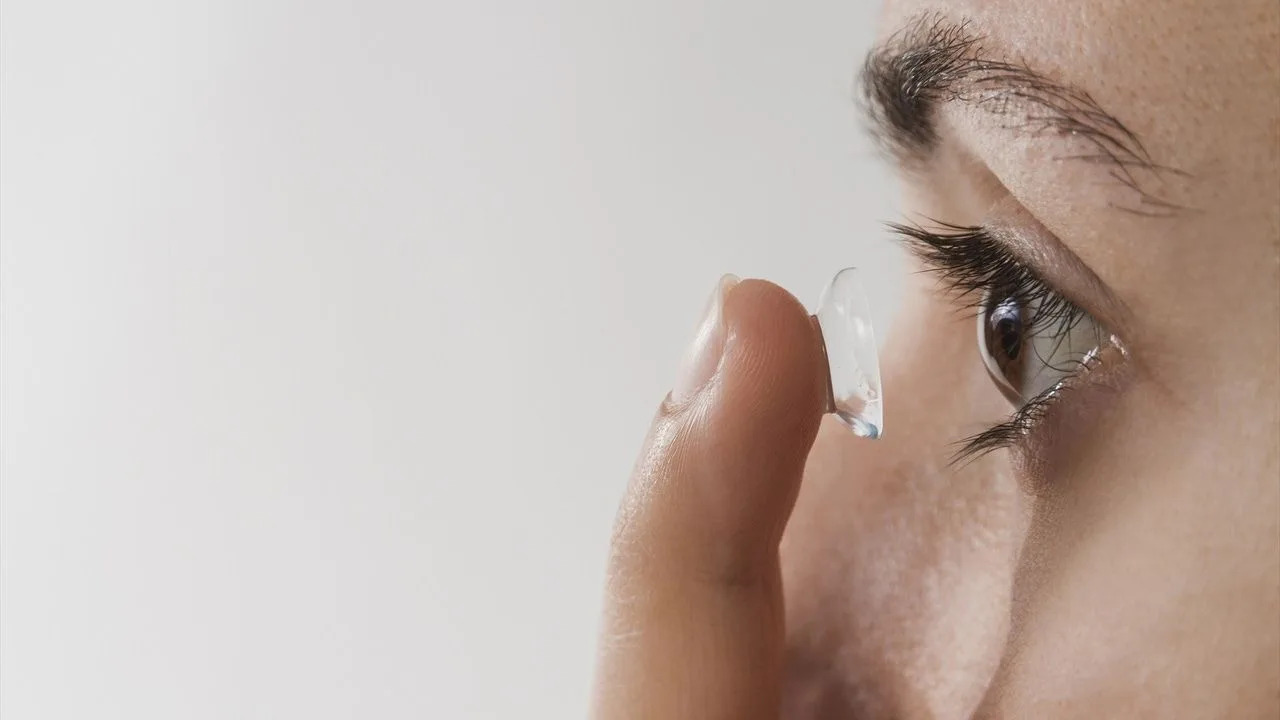
How to use contact lenses is one of the questions asked most by people who want to start wearing them. The following steps should be observed when putting a lens in:- First of all, make sure your hands are clean.
- Once the lens is in your hand, rinse it with lens solution so that no dust or particles are left on it.
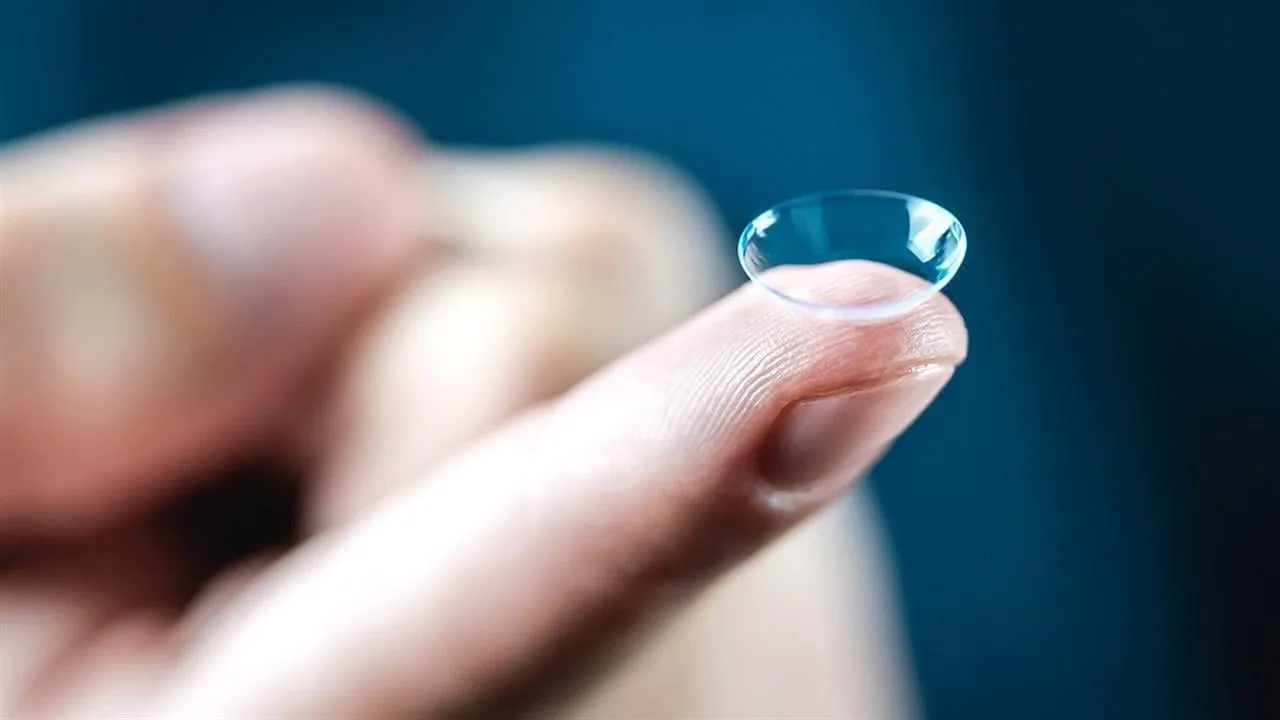
- Make sure the lens is not inside out. A lens whose edges turn outwards is inside out and should be turned back gently.
- Pull down the lower part of your eye with one finger while holding the eyelid open with another, and place the lens slowly onto your eye.
- Repeat the same steps for your other eye.
Frequently Asked Questions
- 1
Why do contact lens prices vary so much?
Prices change with the type, brand and material of the lens, and with whether it is imported. - 2
Is it safe to buy contact lenses online?
They can be bought from the official sites of trusted opticians, but the first pair should always follow an eye examination. - 3
Can you sleep in contact lenses?
Apart from the special lenses designed to stay in the eye overnight, sleeping in contact lenses is not recommended. - 4
Do lenses for colour blindness cure it completely?
No. They only help to make colours easier to tell apart. - 5
Does my prescription need to be stable before I start wearing contact lenses?
No, but an eye examination is essential so that the correct prescription is used. Read more about intraocular lens treatments