The question of what a contact lens is and what types there are is one of the subjects people with a refractive error ask about most. Contact lenses are worn heavily by a great many people today and come in a great many types. Although people with a refractive error can be free of it through surgery, they generally prefer to correct it with optical products. With lenses shaped like a lens and entirely transparent in appearance, people with a refractive error gain far clearer vision. Coloured or clear lenses are prescribed by a doctor after an examination.
Contact lenses are also chosen for their appearance. From outside it cannot be seen whether there is a clear lens in the eye. Alongside creating no change in appearance, they stand out for how easy they are to wear. So that there is no stinging in the eye while wearing contact lenses, attention must be paid both to hygiene and to whether the lens has been inserted correctly.
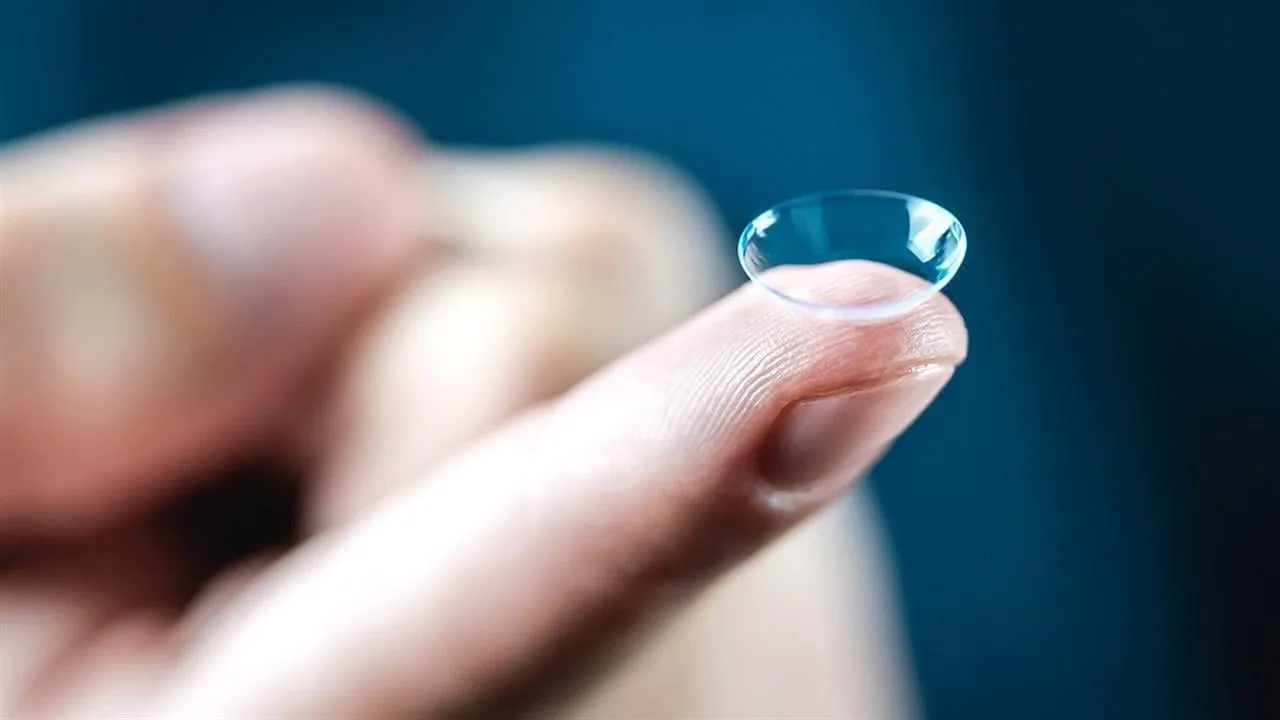
Lenses placed on the surface of the cornea, covering the pupil and the iris completely and offering more comfortable wear than glasses, are described as contact lenses. They are used to correct refractive errors and, cosmetically, to change the colour of the eye.
These lenses, which can be regarded as a form of prosthesis, have front and back surfaces. Alongside those surfaces, options with different curvatures and diameters exist according to the type of lens. The part of the lens touching the cornea is called the back surface, while the part that does not touch it is the front. These lenses have a curved structure so that they adhere to the eye easily and refract light as well as possible.
What is a contact lens
Types of Contact Lens
People who want to wear contact lenses look into the types of contact lens. These lenses can be examined in many forms: soft lenses, hybrid lenses, rigid lenses and coloured lenses.
Coloured Lenses
This is the most common type worn for cosmetic purposes. The part of the lens covering the iris is tinted to the colour wanted. These lenses can be worn with or without a prescription. They change the colour of the eye as a temporary solution.
Soft Lenses
Manufactured with a thin structure, these lenses are also known as hydrogel lenses. With their ability to hold water, this type is generally chosen in clear form. Covering the whole of the cornea, these lenses aim to give clear vision to people with a refractive error. They are prescribed by an ophthalmologist and come with daily, monthly and yearly wearing periods.
Rigid Lenses
The greatest feature of rigid lenses is that they allow oxygen through. Also known as gas permeable lenses, this type stands out for how durable it is. Although they are used for every refractive error, they are generally used for astigmatism. Rigid lenses do not adhere fully to the cornea as soft lenses do.
One situation in which rigid lenses are chosen is keratoconus. In this condition the cornea thins and takes on a cone shape; its exact cause is not known, although genetic predisposition and eye rubbing are risk factors. Rigid contact lenses are used in treating people with a cone-shaped cornea and a refractive error.
Hybrid Lenses
Hybrid lenses are a type preferred especially in conditions such as keratoconus and irregular astigmatism. The part of these lenses at the centre of vision is rigid while the rest has a soft structure.
Properties of Contact Lenses
The properties of contact lenses vary a great deal with how they are worn. They can be worn without burning or stinging in the cornea and without products such as glasses that affect appearance. Designed to suit the person's eye as closely as possible, contact lenses are an important treatment for removing refractive errors.
Wearing contact lenses brings many features and advantages with it. They can be listed as follows:
Refractive errors: contact lenses are used in treating refractive errors and are an alternative to wearing glasses and to laser surgery. They are used to remove difficulty seeing at distance, at near and clearly. Alongside these refractive errors, contact lenses are also used for conditions such as anisometropia.
Cosmetic wear: contact lenses are the most common products worn for cosmetic purposes. People can wear them simply because they want to change the colour of their eyes.
Concealing an irregularity: alongside cosmetic wear, lenses can be worn where the two eyes are different colours and one is to match the other. They are also used to conceal other irregularities. They are worn as much for entirely personal preference as for a natural appearance.
Therapeutic wear: contact lenses are used as the most effective treatment for people who would rather not wear glasses or undergo surgery. They can also be used to cover the surface of the eye: where there is a scratch on the cornea, or in similar situations affecting it, the eye is covered with a contact lens acting as a bandage.
What is a contact lens
Wearing Contact Lenses
Wearing contact lenses calls for hygiene and care. These products are very delicate and thin, so they should be handled gently and care taken when inserting and removing them.
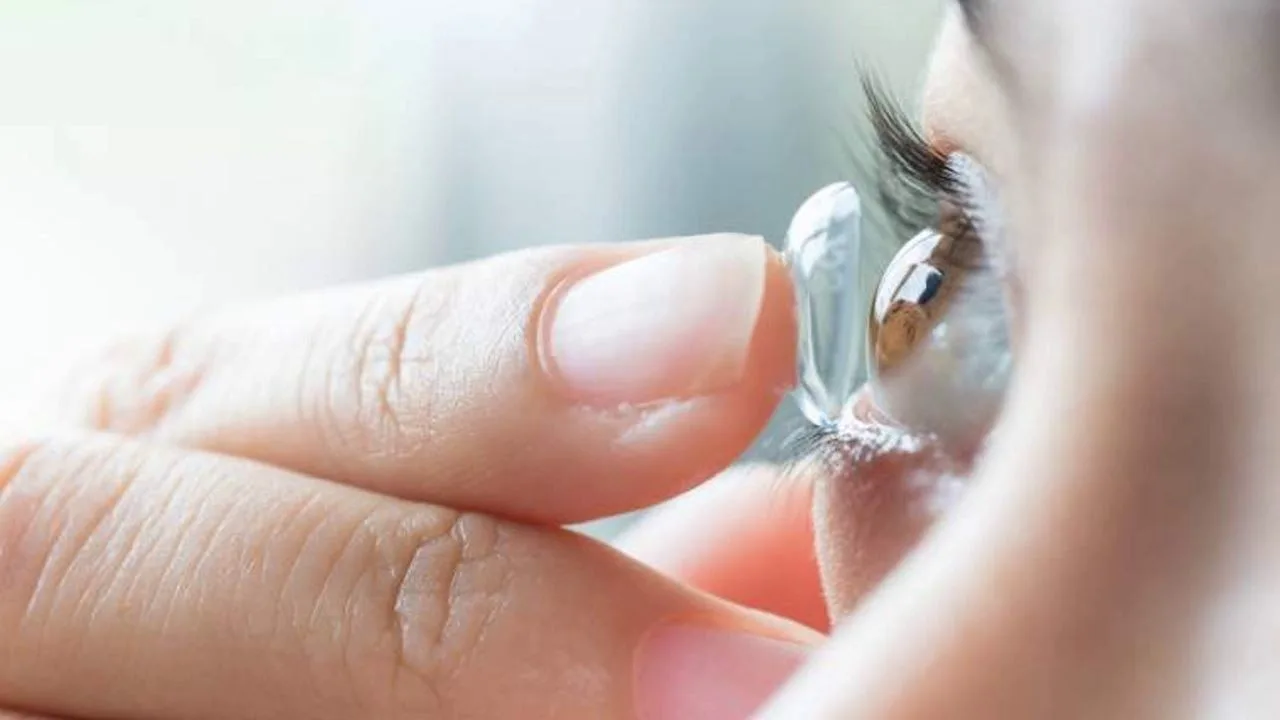
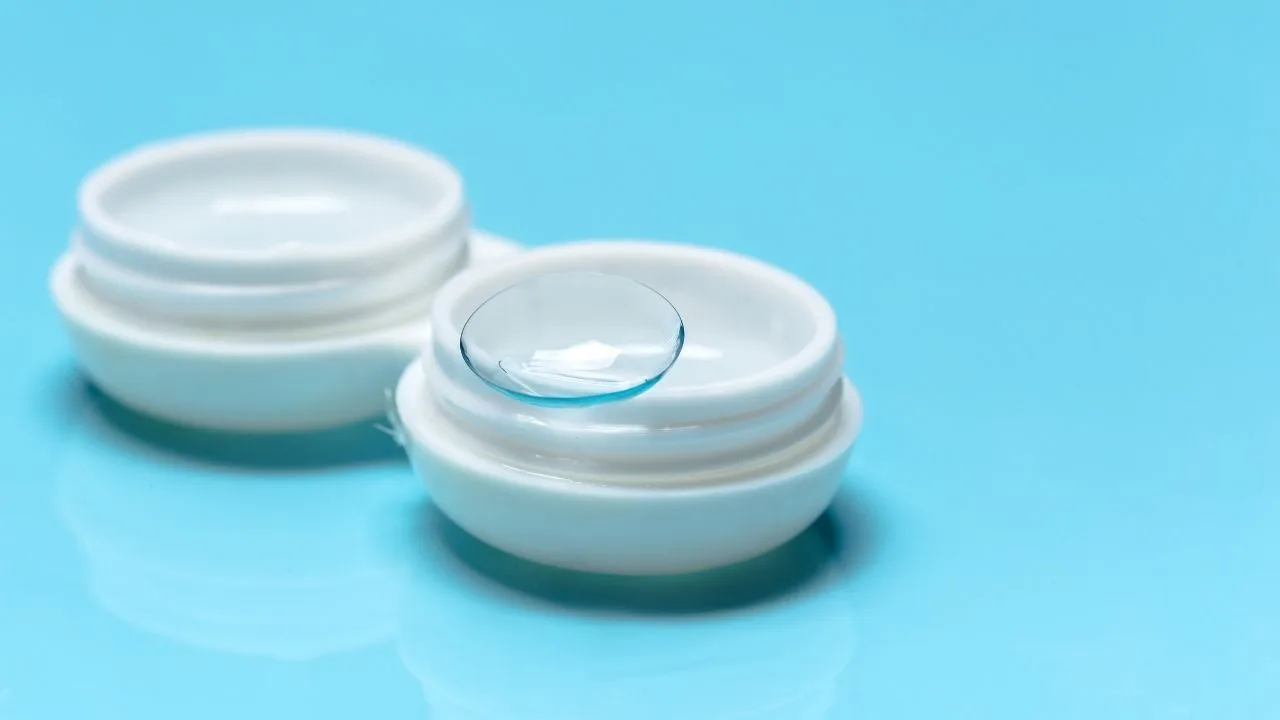
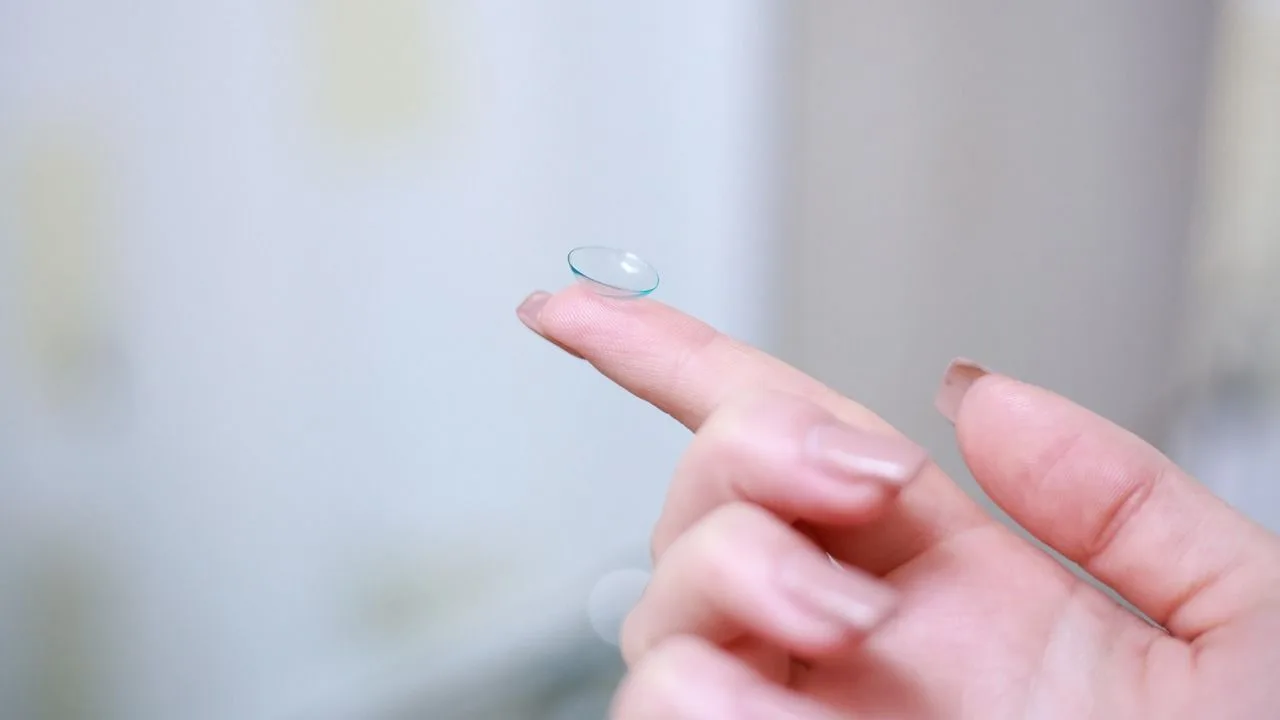
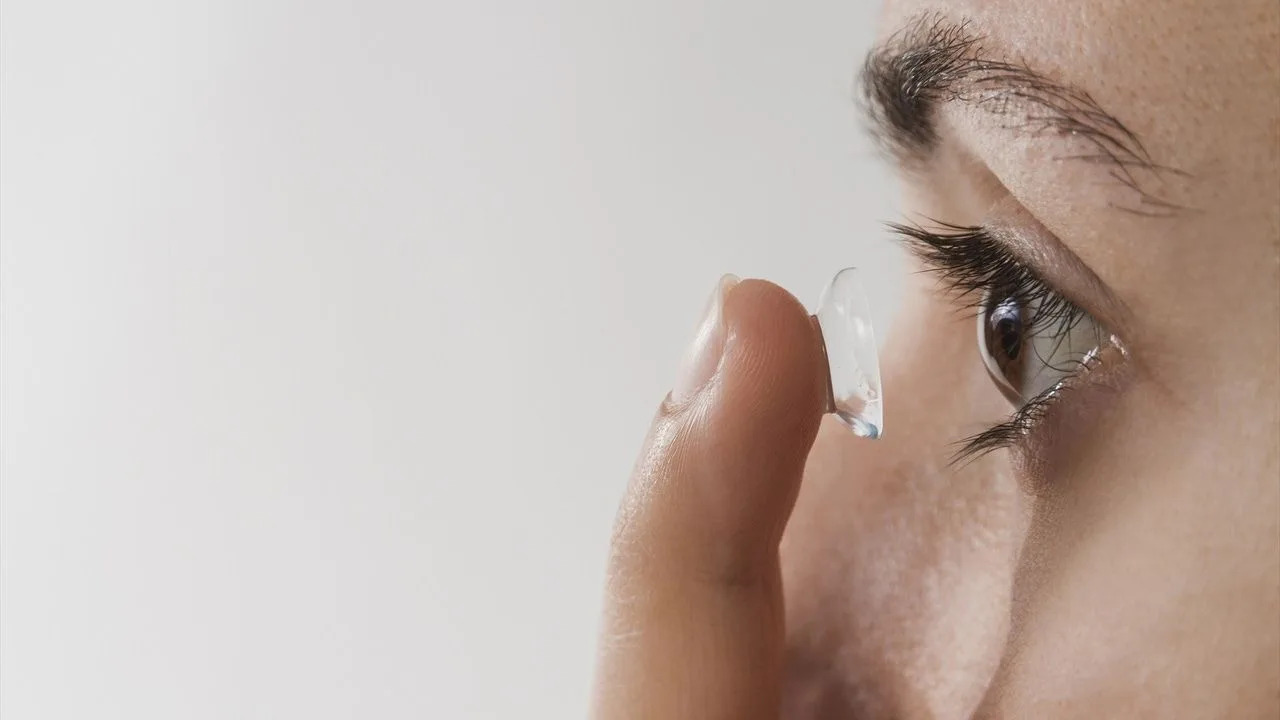
Contact lenses are kept in special lens solution in lens cases. The hands must always be washed thoroughly before touching them. The lens is then taken gently onto the finger and checked to see whether it is the right way round. If the front surface of the lens is placed against the cornea it causes burning and stinging, so before inserting it you should make sure it is bowl-shaped with its edges facing upwards.
The lower and upper eyelids are then opened with the fingers and the lens placed gently on the cornea. There are many different methods for inserting a lens, and everyone can find their own way of doing it easily.
When removing lenses the hands must be clean and completely dry as well, or removing the lens becomes difficult. It can be pinched gently between two fingers at the edges and drawn out.
Lens solutions should be changed with every use. Paying attention to the hygiene of the lenses and the hands matters a great deal in wearing lenses safely.
Frequently Asked Questions
1
Do contact lenses harm eye health?
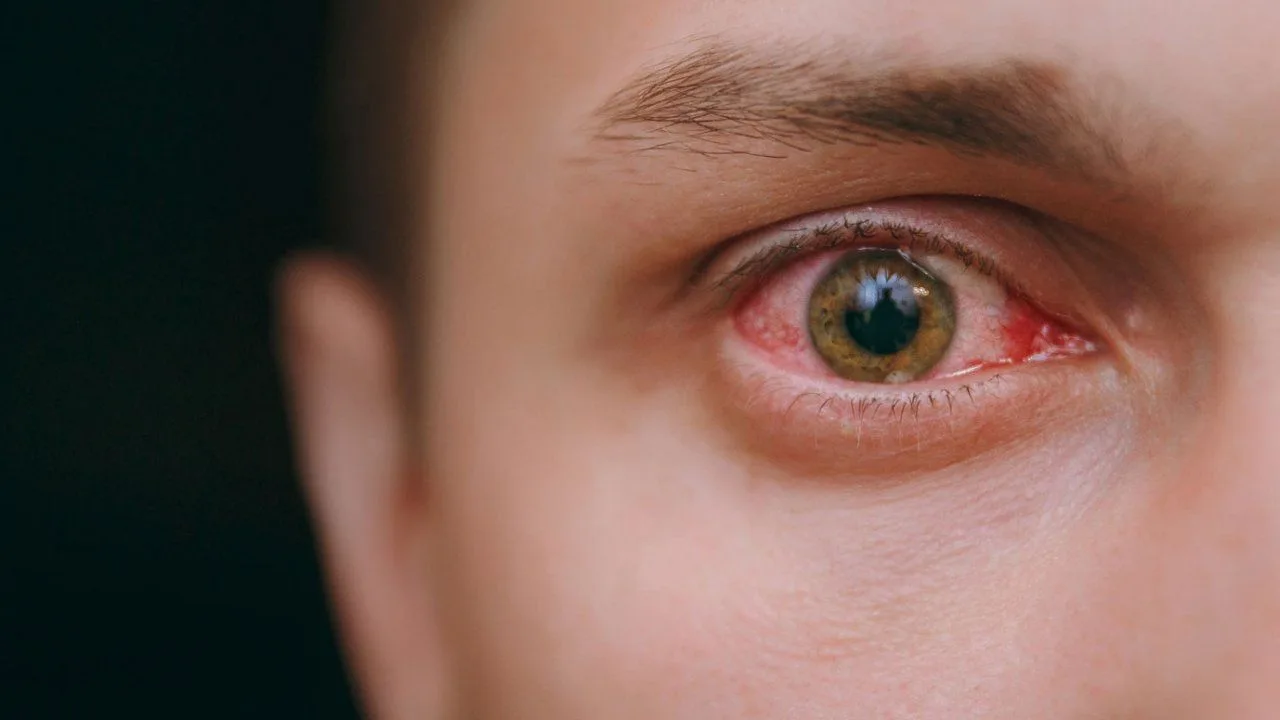
With correct wear and hygiene they do no harm, although incorrect wear carries a risk of infection.
2
Is it safe to swim or shower in contact lenses?
No, contact with water increases the risk of infection.
3
Can a contact lens get lost in the eye?
No, a lens cannot slip behind the eye. It can move upwards, and it can be removed from under the eyelid with a doctor's help.
4
How long can a contact lens be worn?
This varies with the type of lens, whether daily, monthly or yearly. Lenses past their wearing period should not be worn.
5
Can make-up be worn with contact lenses?
Yes, but the lenses should be inserted first and the make-up applied afterwards. When removing make-up, the lenses should be taken out first.
What is Hyperopia?
Eye infections appear where eye hygiene is lacking. Whether an eye infection is contagious varies with its type: some are contagious while others are not.
Contact lens prices are one of the questions people ask most before they start wearing lenses. The cost varies with the type of lens, the material, the brand, how it is supplied and the details of the prescription.
There is no recommended age range for wearing contact lenses. What matters is not age so much as the responsibility the wearer can take on, and an assessment by a specialist is needed before lenses are worn.
Cataract is a clouding of the lens of the eye that prevents light from passing through it. Protein sometimes gathers in this area and leads to cataract, which causes permanent sight loss if it is left untreated.
Essential cookies are always on. With your permission we also use Google and Meta cookies for measurement and ads.Cookies needed for the site to work are always on. With your permission we also use Google and Meta cookies to measure visits and show you relevant ads. You can change your choice at any time with the "Cookie settings" link at the bottom of the page.Detailed Information