




Intraocular Lens Treatments
At What Age Can You Wear Prescription Contact Lenses?
- Kudret Eye Istanbul
- Last updated:
- 5 min read
- Medically reviewed by Op. Dr. Mehmet Ali Özdil
Questions such as at what age you can wear prescription contact lenses, or when they should be worn, are very common. Lens wearing is sometimes met with prejudice, yet a great many people use them in their daily lives. Optical products such as glasses and lenses, worn to improve the quality of vision, are widespread throughout the world, and the age at which lenses may be worn is a subject of constant discussion.
There is no recommended age range for wearing lenses. An assessment by a specialist is needed on whether lenses are necessary at all. The matter has less to do with age than with the responsibility the wearer can take on. If the person is mature enough to give lens wearing the care it needs, they can begin at any age.
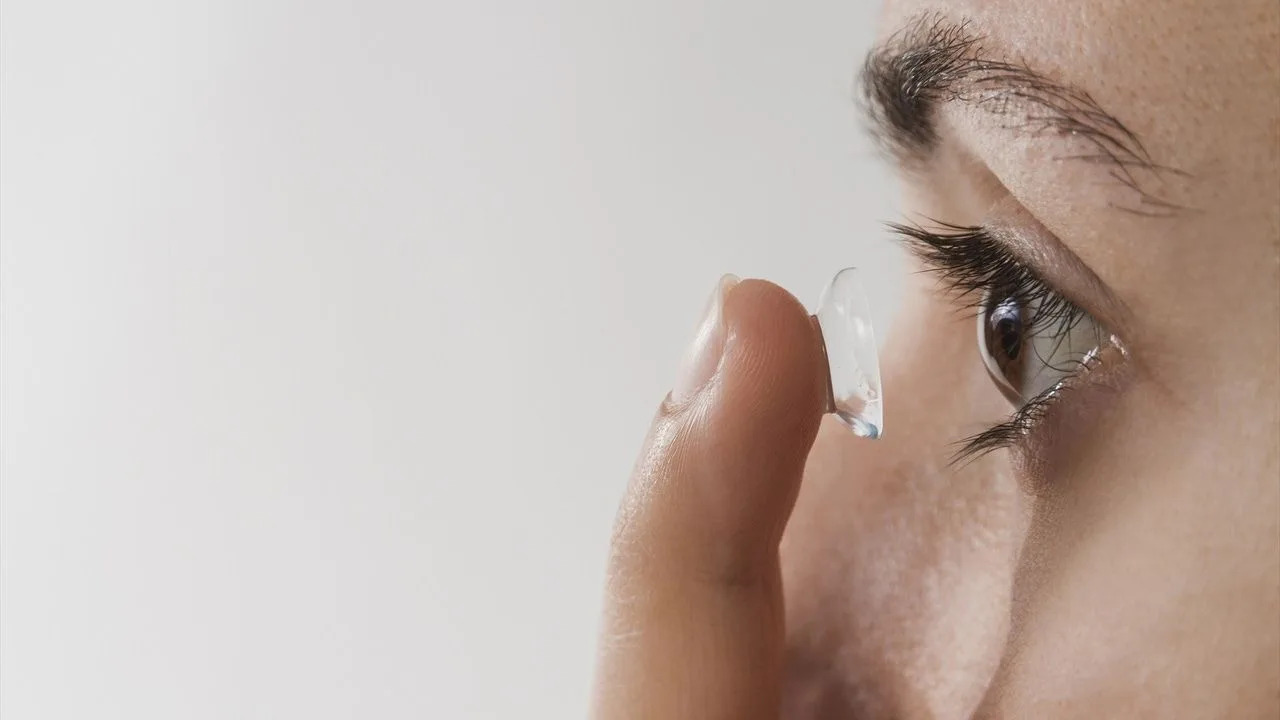
Wearing lenses calls for responsibility and regular hygiene. It also matters that the wearer knows how to insert and remove them. Lens care must not be neglected, and lenses past their use-by date must be thrown away. Because lenses are inserted and removed by hand, the hands must be washed every time, and the lens solution must be changed with every use. If your child is aware of these responsibilities, there will be no difficulty in wearing lenses.
Older people can wear contact lenses in the same way. As long as there is no age-related deformation of the eye or difficulty with hygiene, people of advanced age can wear lenses too.
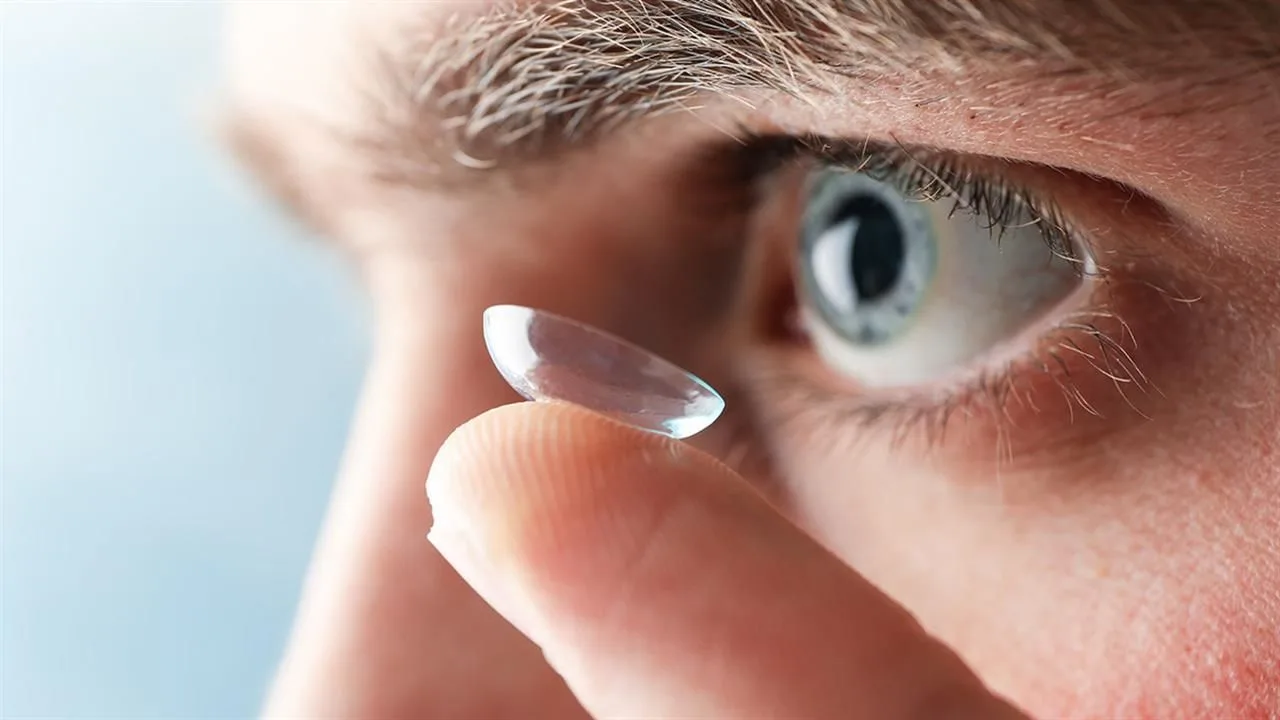
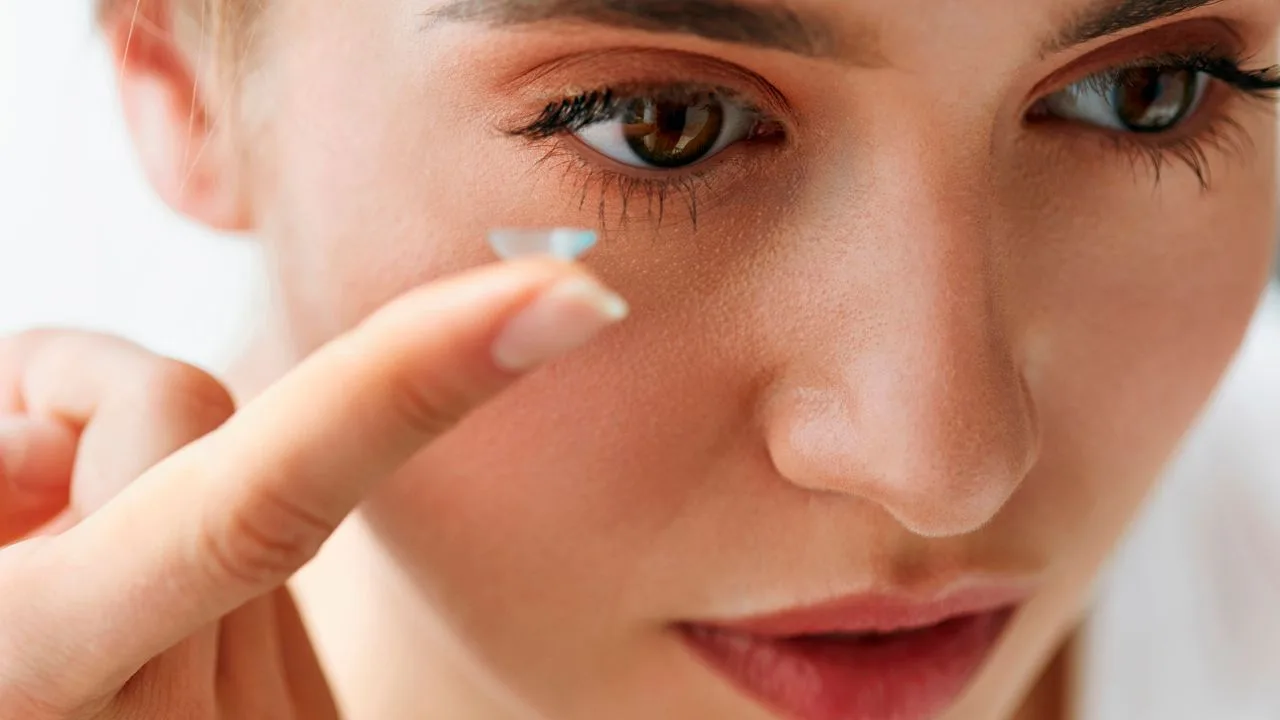
What is a Contact Lens?
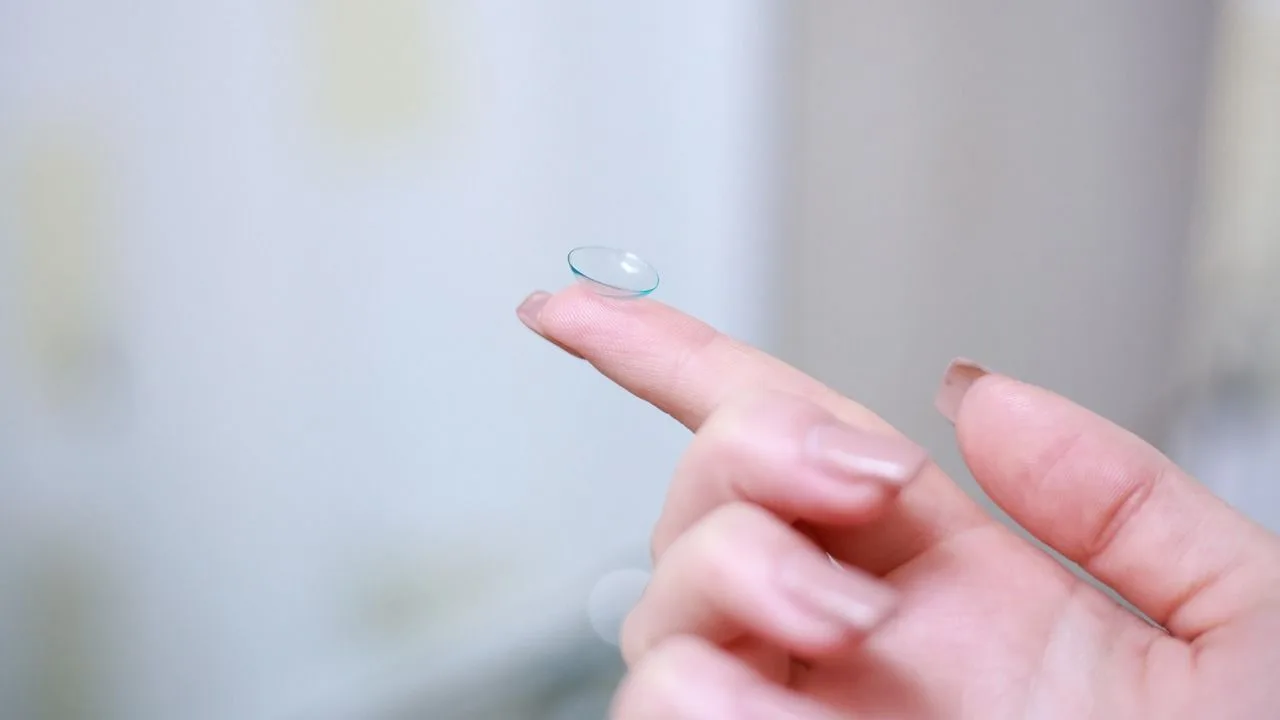
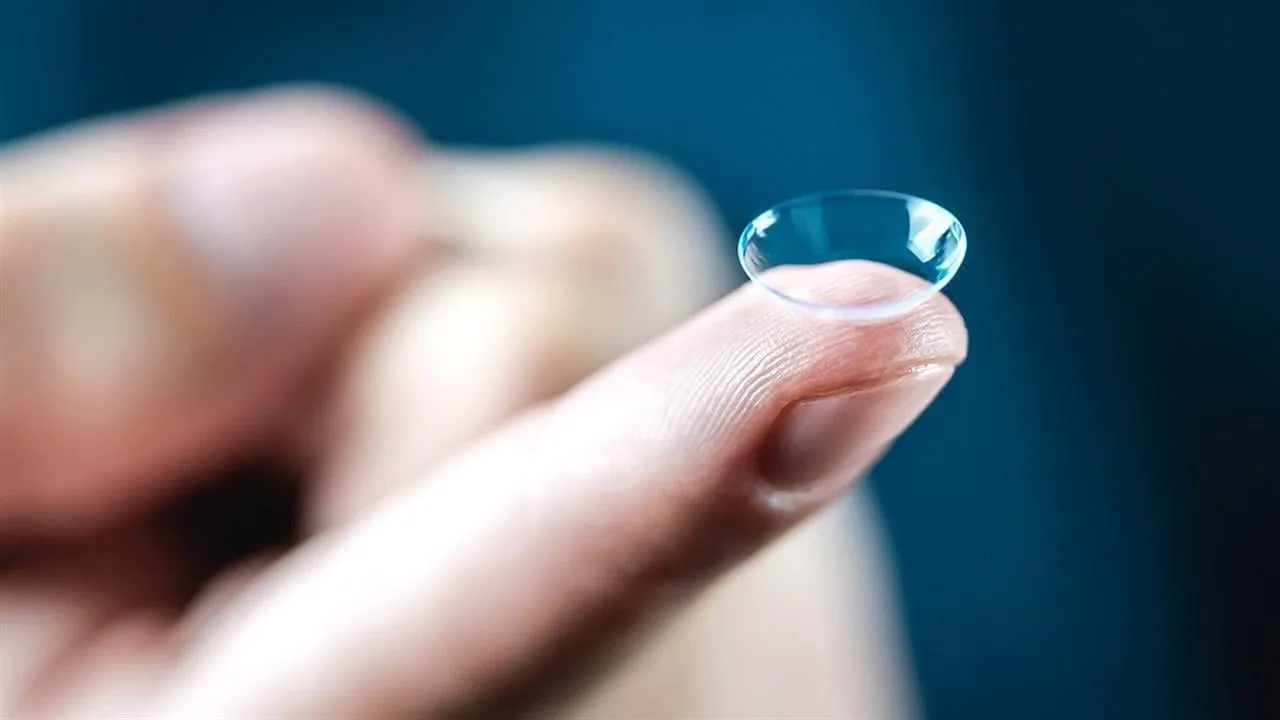
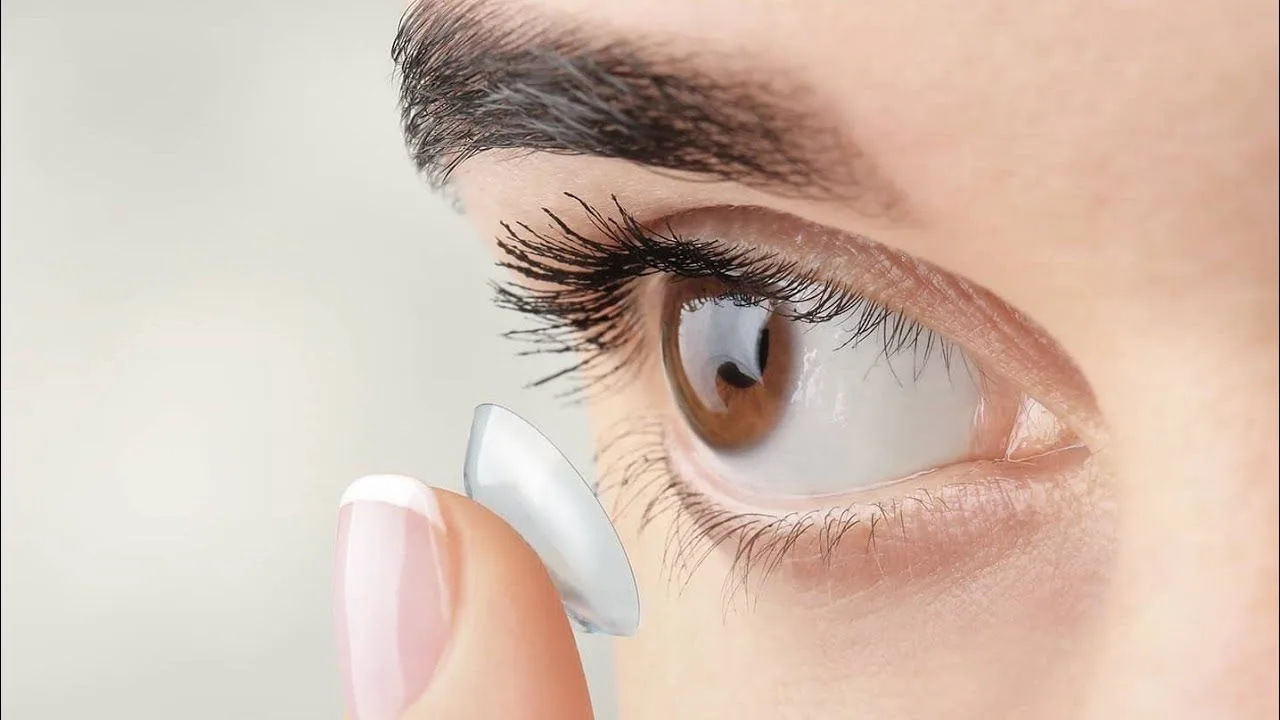
What a contact lens is is a question people who want to leave glasses behind often ask. Those who would rather avoid the situations glasses bring with them choose contact lenses heavily. Thin lenses made from glass lenses covering the pupil were first worn in the nineteenth century. Thanks to today's technology, those lenses have become very thin and comfortable to wear. Choosing contact lenses suited to the shape and structure of the eye matters a great deal, and an eye examination is needed to find the most suitable lens. After the examination, the type of lens recommended, its power and its curve are determined, and the lens is then fitted. Choosing the right contact lens is very important in this process. These lenses are manufactured to sit on the layer called the cornea. They adhere to the membrane of the cornea and are held in place by the eyelids.- When you blink, the eyelid slides over the surface of a normal contact lens. This can make the lens shift slightly in the eye from time to time, and it also removes the dust and similar deposits that gather on the lens.
- Some lenses do not move in the eye at all, which can cause a feeling of discomfort over time. Wearing them may feel very comfortable at first, but the quality of vision the lens provides can decline.
- Lenses that are too loose move too much in the eye, which can blur the image after blinking or make the lens fall out.
What to Pay Attention to When Wearing Contact Lenses
What to pay attention to when wearing contact lenses is very important. Poor hygiene or incorrect use can lead to many infections or complaints in the eye, so care and maintenance must be taken seriously. Inserting and removing lenses with dirty hands, or with lens solution that has not been changed for days, opens the way to every kind of eye infection. Once a lens suited to the eye has been chosen, its wearing period must be observed. Weekly, monthly and yearly lenses must not be worn once their period is over, or a strong burning and stinging sensation follows. Lenses should be replaced according to the recommended replacement schedule, not according to how they feel. If a lens causes redness or stinging in your eye, remove it and consult your ophthalmologist.- Your vision should not blur when you blink while wearing contact lenses.
- It matters that you do not feel the lens in your eye, as though it were not there.
- Swimming in a pool or the sea while wearing contact lenses is not generally recommended. Chlorine and salt can affect the structure of the lens.
- Lenses must be rinsed with solution before every use and the hands must be clean.
- The lens solution must be changed after every use.
- Before a lens is placed in the eye, make sure no dust or foreign body is left on it.
- Lenses can sometimes turn inside out when handled. Before inserting one, take it on your fingertip and make sure it is the right way round.