





Eye Diseases
Are Eye Infections Contagious?
- Kudret Eye Istanbul
- Last updated:
- 6 min read
- Medically reviewed by Op. Dr. Mehmet Ali Özdil
Eye infections appear where eye hygiene is lacking. Questions such as whether an eye infection is contagious vary with the type of infection. Some types are contagious while others are not.
The contagious types of eye infection are:
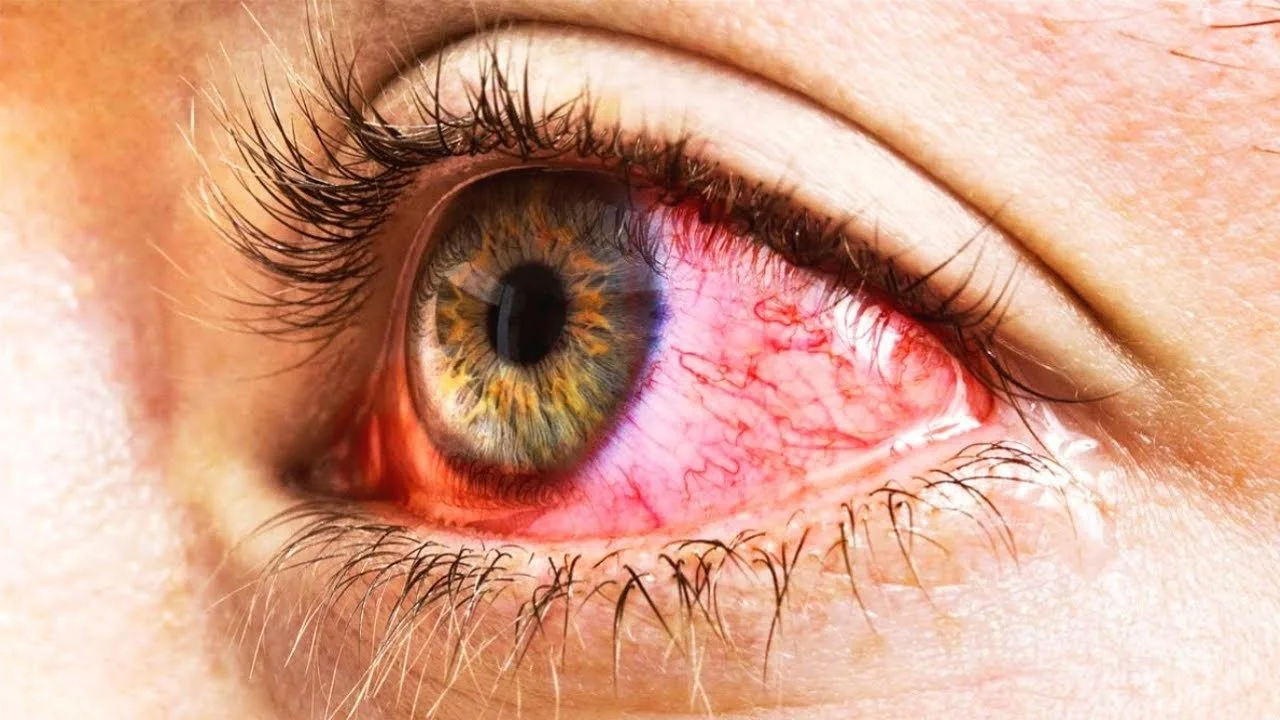 Different names and diagnoses exist according to where the infection has taken hold. They are:
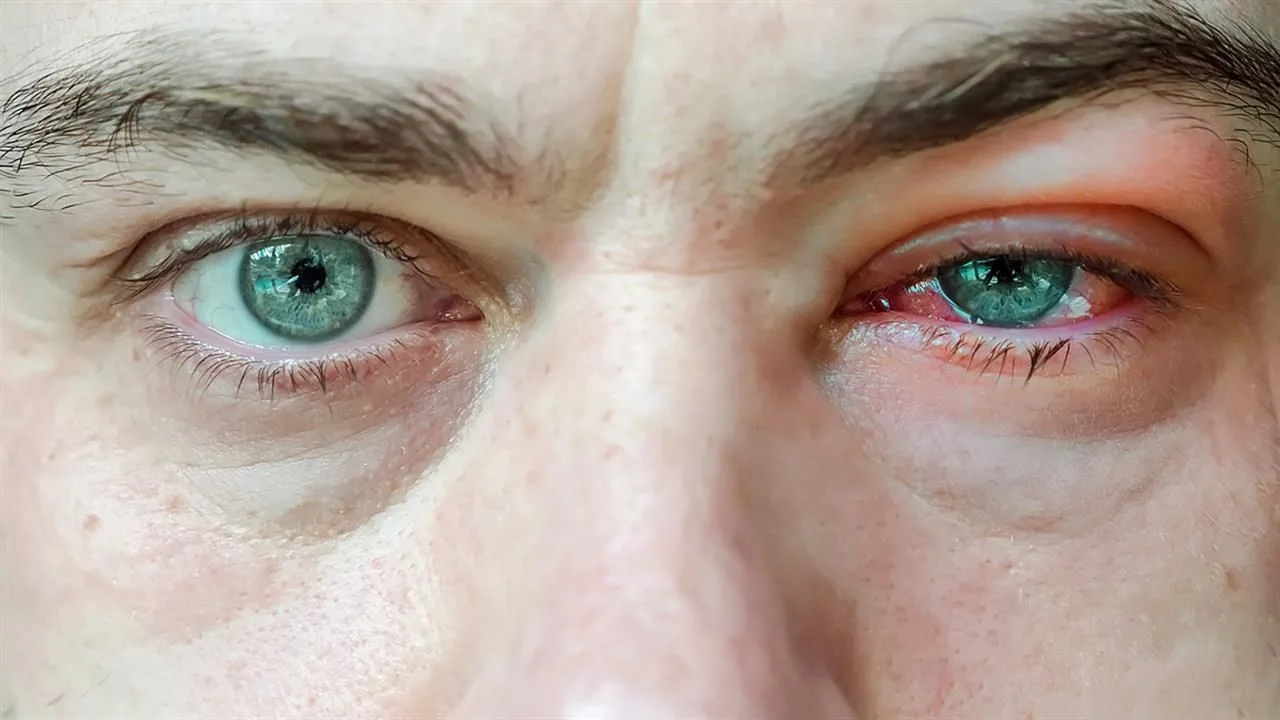
- Bacterial conjunctivitis: discharge from the eye is observed in the infected person. This infection spreads through that discharge or through direct contact.
- Viral conjunctivitis: highly contagious, this infection can spread through droplets released while sneezing and coughing, and through contact with infected surfaces. People who come into contact with the discharge of an infected person, or who touch surfaces that discharge has reached, can catch the infection.
- Chalazion and stye: a stye is an eyelid infection, while a chalazion is a blocked oil gland rather than an infection; neither is contagious.
- Corneal infection: most corneal infections such as keratitis are fungal, bacterial or parasitic. Most keratitis does not pass directly from person to person; it is generally linked to poor contact lens hygiene, to trauma of the eye or to problems with the immune system. Some viral keratitis can carry a risk of transmission, however. Situations of this kind arise through personal circumstances such as poor contact lens hygiene and injury to the eye.
Eye Infection
An eye infection occurs when the eyelids, the surface of the eye and the inside of the eye are infected by micro-organisms such as viruses, bacteria and parasites. These micro-organisms cause infection in the areas where they settle. Infections affect the quality of vision considerably and can lead to permanent damage where they are left untreated. Diagnosing and treating eye infections early matters a great deal in preserving eye health. Infections in the eye generally occur in the eyelids and the cornea, and different treatments are applied depending on the type of infection. These infections affect the eyeball and the tissues around it. Micro-organisms that reach this area multiply and begin to damage the tissues. The things that cause infection most are viruses and bacteria. An eye where hygiene is neglected is affected by bacteria, while viruses can be caught from other people.
Different names and diagnoses exist according to where the infection has taken hold. They are:
- Keratitis: infections occurring in the cornea
- Hordeolum: also known as a stye, an infection forming in the glands of the eyelid
- Conjunctivitis: also known as pink eye, infections forming on the inner surface of the eyelid or on the white of the eye
Symptoms of Eye Infection
Although the symptoms of an eye infection vary with the type, they are essentially very similar. The most common are dryness of the eye, redness, discharge and irritation. These symptoms can worsen depending on the type of infection and how far it has spread. Noticing them early and beginning treatment matters a great deal.- Discharge: an increase in the amount of discharge in the eyes is observed with infection. Increasing alongside watering, discharge is among the clearest signs of infection. It appears above all in green and yellow tones. Alongside being sticky, it has a thick consistency. Discharge is also seen commonly in allergic conditions.
- Sensitivity to light: some people with an infection can begin to feel extra sensitivity to bright light. Known as photophobia, this is the most common sign that an infection is serious.
- Irritation and redness: this is the symptom met most often in eye infections. The areas fighting the infection become red and irritated. Because blood flow to these areas increases, redness and a rise in warmth are seen. Because of the irritation, watering, stinging and the feeling that something has entered the eye can also form.
- Blurred vision: if the infection is in the cornea, the functions of vision are affected too. Reduced visual acuity and blurred vision are among the most common symptoms.
- Pain and swelling: infections forming in the eyelids in particular show themselves with swelling, which indicates the inflammation gathered there. It can range from a mild itching sensation to severe pain.
Causes of Eye Infection
There can be many reasons for an eye infection appearing. Poor hygiene and bacteria are among the causes met most often. The other causes of eye infection are:- Viral infections: adenoviruses in particular play an important part in inflammation of the eye. Viral infections of the cornea (viral keratitis) can spread through contact. This transmission generally appears alongside upper respiratory infection and the common cold.
- Bacteria: certain bacteria are among the causes met commonly in corneal ulcers and infections. Bacteria such as haemophilus and staphylococcus are generally transmitted from make-up products, dirty hands and contact lenses.
- Fungi and parasites: although this type is seen more rarely, fungal infections generally appear in people who wear contact lenses or following injury. Parasites can generally be caught from shared swimming pools that are not hygienic, or from contact lenses used without hygiene.
- A weakened immune system
- Allergic reactions
- Wearing contact lenses
- Injury and trauma to the eye
- Poor hygiene
Treatment of Eye Infection
Treatment of an eye infection varies with the type of infection, with its state and with the person. Diagnosis and treatment must begin promptly so that permanent damage and vision problems are prevented. Depending on the infection, treatments can be applied at home, while in some situations antibiotic treatment is needed. Some of the treatments are:- Antiviral medication: in some virus-related infections such as viral keratitis, antiviral medicines prescribed by a doctor are used. Most viral conjunctivitis is treated with regular care and supportive medication.
- Antibiotics: these are medicines prescribed by a doctor in infections caused by bacteria. They can be prescribed as tablets or as eye drops.
- Antiparasitic and antifungal medication: although eye infections caused by parasites and fungi are rare, medication is used in treating them.
- Paying attention to eye hygiene and to the hygiene of the inflamed area
- Applying a warm, or where appropriate a cold, compress
Frequently Asked Questions
- 1
Does an eye infection pass to everyone?
No. It depends on the type of infection. Viral and bacterial conjunctivitis in particular are contagious. - 2
Is contact with someone who has an eye infection risky?
Contact with discharge from the eye and the use of shared items increase the risk of transmission. - 3
Is a stye contagious?
No. A stye and a chalazion generally depend on personal factors. - 4
Do contact lenses increase the risk of infection?
Yes. The risk rises in particular where the rules of hygiene are not observed. - 5
Does an eye infection clear by itself?
Some mild viral infections can settle, but assessment by a doctor is always needed. This can vary from person to person.