




Cataract Treatments
How Long Does Cataract Surgery Take?
- Kudret Eye Istanbul
- Last updated:
- 5 min read
- Medically reviewed by Op. Dr. Mehmet Ali Özdil
The question of how long cataract surgery takes is among the most frequently asked questions among people who want to have this surgery. Cataract surgery is performed by cleaning the protein accumulated in the lens of the eye. The damaged lens is then removed and replaced with a new lens. This procedure takes about 15-20 minutes per eye (the time spent in the operating theatre).
Although the operation is short, full recovery takes about 3-4 weeks; vision, however, improves noticeably within a few days. General anaesthesia is not applied in cataract surgery. The eye is anaesthetised with local anaesthesia using eye drops. Different drops and solutions can also be used during the operation if necessary. The operation is performed in the supine position. In order to keep the patient's eye open, it is kept open with different tools.
The operation takes approximately 15-20 minutes per eye. Patients go home on the same day and do not stay in hospital; most return to their daily routine within 3-4 days. In order for the healing process to proceed faster and smoothly, the drops given by the doctor must be used completely. In addition, you should go to the doctor regularly.
Conditions Affecting the Duration of Cataract Surgery
Cataract surgery may take a long time depending on many conditions. Some of the conditions that cause the surgery to take a long time are as follows:- Eye Condition: The health status of the eye and the progression of the cataract affect the duration of the surgery. If the cataract is dense, it may take longer to clean and place a new lens.
- Condition of the Cataract: The amount of cataract is one of the biggest factors affecting the duration of the surgery. Cataract usually progresses slowly over years, and left untreated it gradually reduces vision. Surgery is planned when your sight starts to affect daily life, and the timing is decided together with your doctor.
- Patient's Health Status: The changing condition of the patient during surgery can also affect the duration of the operation.
- Method Used in Surgery: The equipment and technique used during cataract surgery is another factor affecting the duration of surgery. Manual techniques and laser techniques may cause the duration to change.
- Expertise of the Doctor Performing the Surgery: Surgeries performed by doctors who are experts in their field may take less time.
What is Cataract?
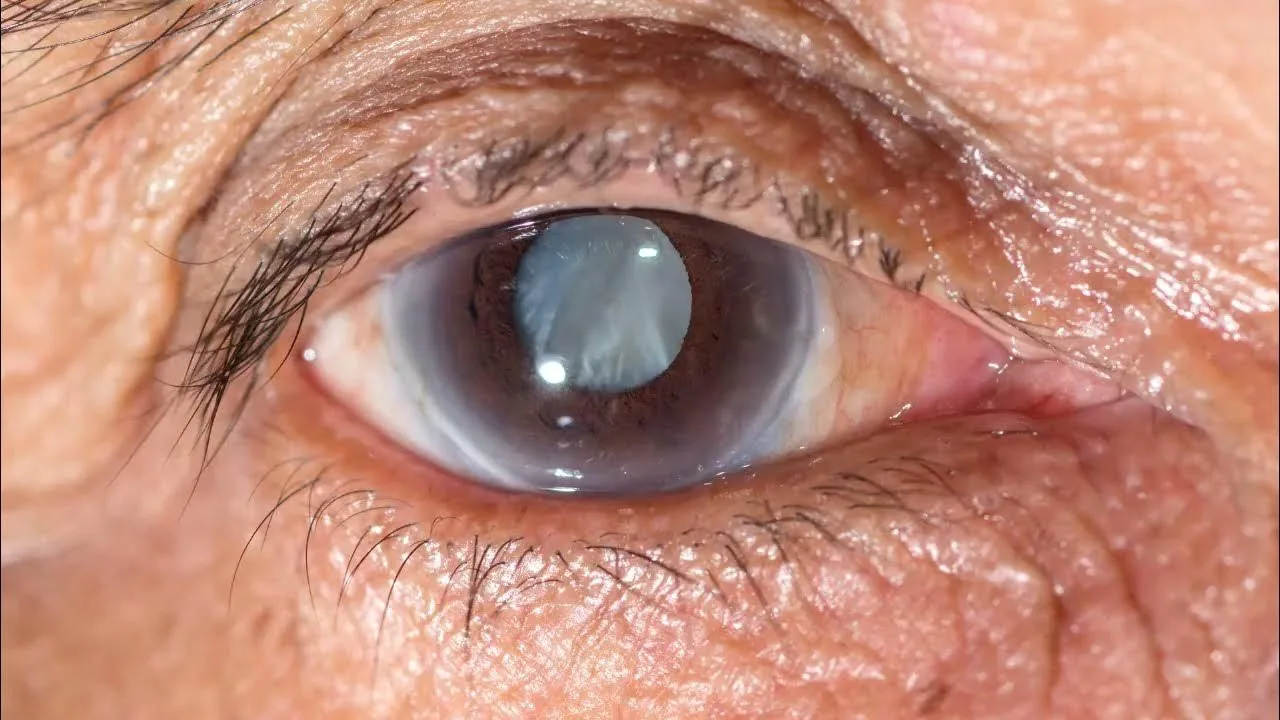
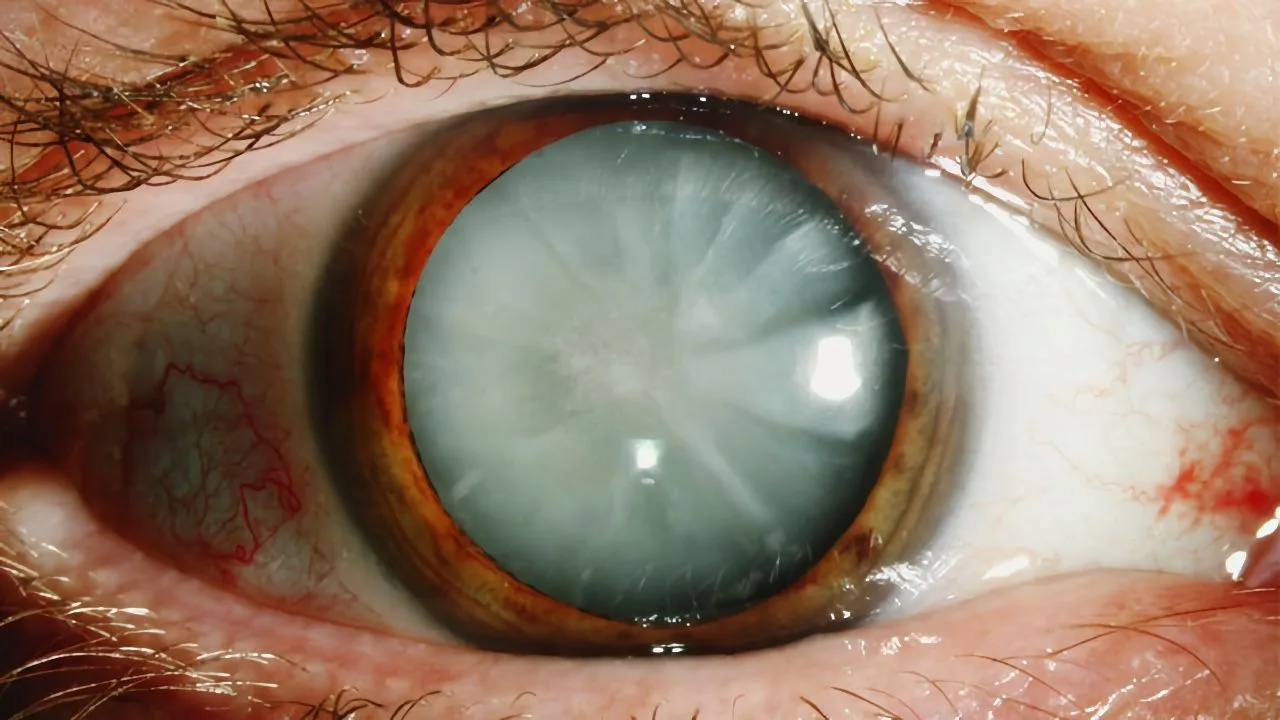
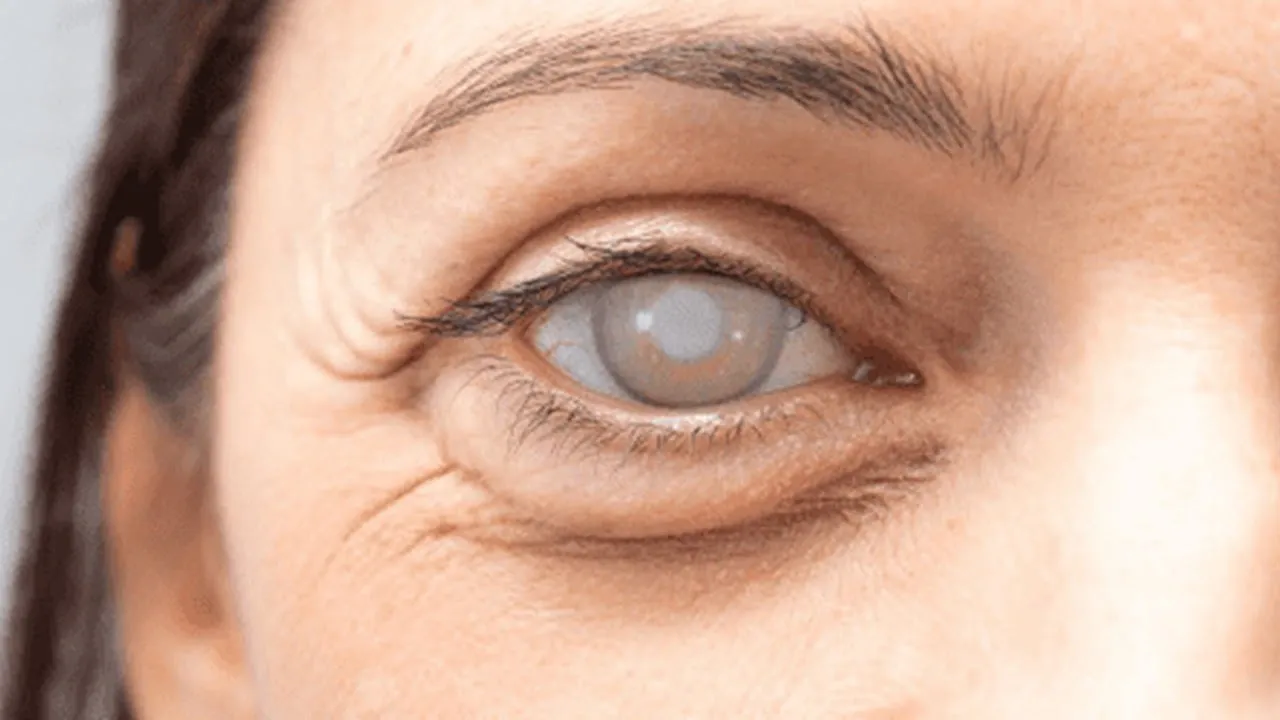
Questions such as what is cataract and how to treat it are among the most searched topics. Cataract occurs when the transparent lens in the eye deteriorates. A protein layer accumulates inside this lens. This leads to blurred vision and other problems. Untreated advanced cataract can cause loss of vision. The only treatment for cataract is surgery. With cataract surgery, the patient's damaged lens is first cleaned and then removed. This natural lens is replaced with a lens that is indistinguishable from the natural one. The natural lens of the eye gradually becomes cloudy with age. For this reason, cataract becomes more common after the age of 55-60.What is Cataract Surgery?
Cataract surgery is one of the surgeries performed for a very long time. Recently, with the further development of technology in the field of medicine, the methods used have also changed. Now cataract surgeries are performed in a much more sterile and easy way. With modern devices, surgery is performed through very small incisions. The cataract is cleaned by entering through small incisions made in the eye. Afterwards, the lens of the eye is removed from these incisions and a new one is inserted. This process takes about 15-20 minutes per eye. In general terms, this surgery is performed by changing the lens in the centre of the eye. However, other diseases and general condition of the patient should be analysed before undergoing this surgery. Eye measurements of patients with cataract disease should be made. The new lens to be inserted is adjusted accordingly. If the patient has other disorders in the eye, this lens is also placed according to the doctor's adjustment. The lenses used also provide the elimination of distant or near vision problems. According to the patient's preference, the natural lens clouded by cataract can be replaced during cataract surgery with a trifocal intraocular lens instead of a single-focal intraocular lens. Thanks to the multifocal lens, clear vision is provided at far, near and middle distances, so the patient can get rid of both cataract and glasses with a single operation.What are the Symptoms of Cataract?
Cataract symptoms can manifest themselves in many ways. Cataract occurs at advanced ages. Cataract, which causes clouding of the lens of the eye, begins to manifest itself with blurred vision problem. As age and cataract progress, these problems become more pronounced. The most common symptoms of cataracts include blurred vision, hazy vision and problems such as not being able to see clearly. It is sometimes possible to see spots on parts of the lens of the eye where vision is not clear. Also, colours are paler and vision is less sharp. The depth of vision decreases. Other symptoms among the signs of cataract are as follows:- Decreased depth of vision.
- Problems with distance and near vision.
- Blurred vision problem is experienced.
- Eye fatigue increases.
- Headache problem is experienced.
- There is a significant decrease in night vision because the necessary light cannot pass through the damaged lens.
- Colours become more difficult to perceive.
- Visual disturbances increase when exposed to the sun.
- The need to use glasses may decrease.