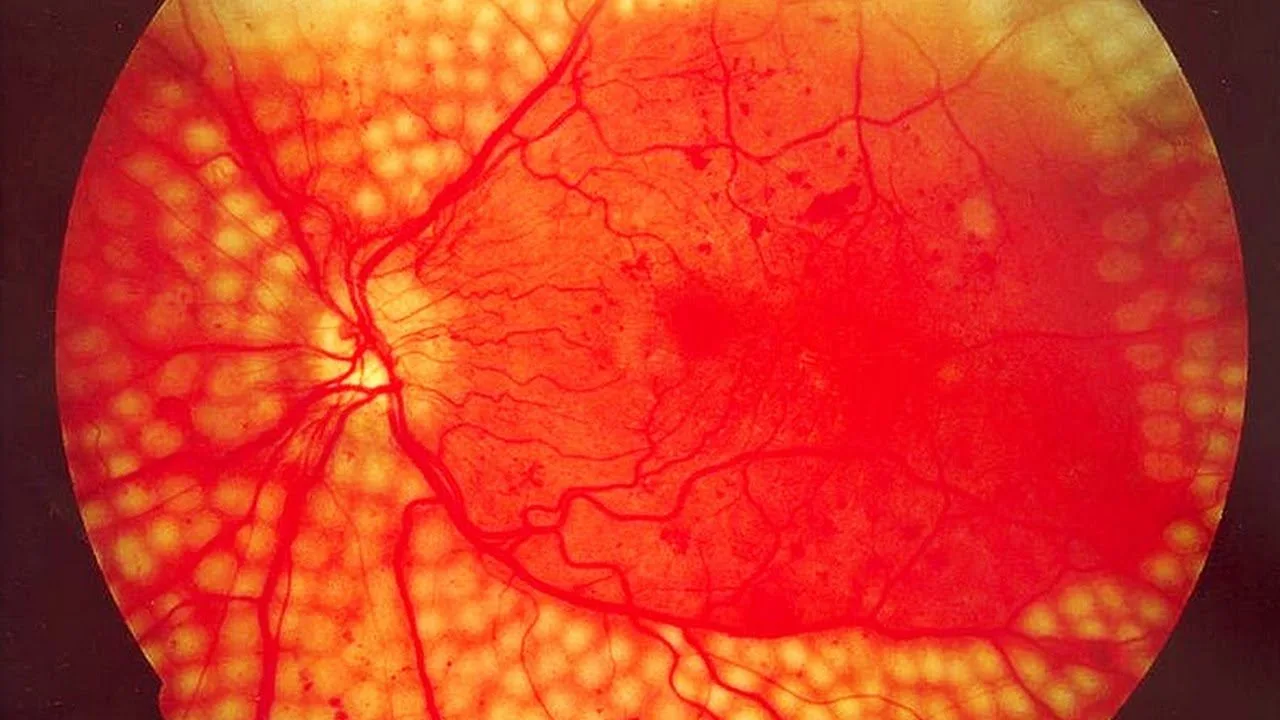
Eye health is extremely important for quality of life. There are a great many treatments relating to the eye, and more are found with each passing year. Questions such as what eye angiography costs and how it is carried out are widely asked. The structure of the eye can be affected very easily by conditions arising in other parts of the body. Conditions relating to the retina in particular can lead to permanent sight loss where they are not diagnosed and treated early.
The retina is one of the most important parts of the eye's complex structure. Eye angiography holds an important place in addressing problems relating to it. In medical literature it is called fundus fluorescein angiography. Used for a great many reasons, this method is short and gives effective results.
The cost of eye angiography can vary with the hospital where the treatment takes place and with the experience of the doctor. Prices can differ in private clinics, and other factors play a part in determining the cost too. Whatever the case, receiving a reliable, experienced and high quality service is the most useful option.
What is Eye Angiography?
A great many questions are asked, such as what eye angiography is and how it is carried out. In eye angiography the blood vessels within the eye are imaged. Special dyes are used while this is done, and situations such as blockage and leakage within the eye are revealed. The circulation within the vessels of the retina is recorded with a special camera.
Eye angiography holds an important place in diagnosing a great many conditions. Although the name angiography can be misleading, through this method the vessels and structures of the eye are revealed. The procedure is not painful, although it can cause blurred vision for a while.
The procedure is not carried out on every patient who attends an examination. On the contrary, it is applied in order to understand what the problem in the eye is once anomalies have been noticed. The procedure is very short and the patient can carry on with daily life afterwards.
Eye angiography is frequently used in diagnosing the following conditions:
Retinal vein occlusion: this is among the eye conditions that lead to sudden sight loss. Although it does not show itself clearly, it is known for causing sight loss all at once.
Anomalies within the eye: it is used to identify masses in the retina and in other areas.
Diabetic retinopathy: this is a condition met frequently in patients with diabetes. Eye angiography is used to identify the vessels in the eye that have been damaged.
Uveitis and inflammation of the eye: where inflammation occurs in the eye, and in conditions such as uveitis, oedema can form in the retina. Leakage is also met, and eye angiography is used to identify it.
Eye angiography
How is Eye Angiography Done?
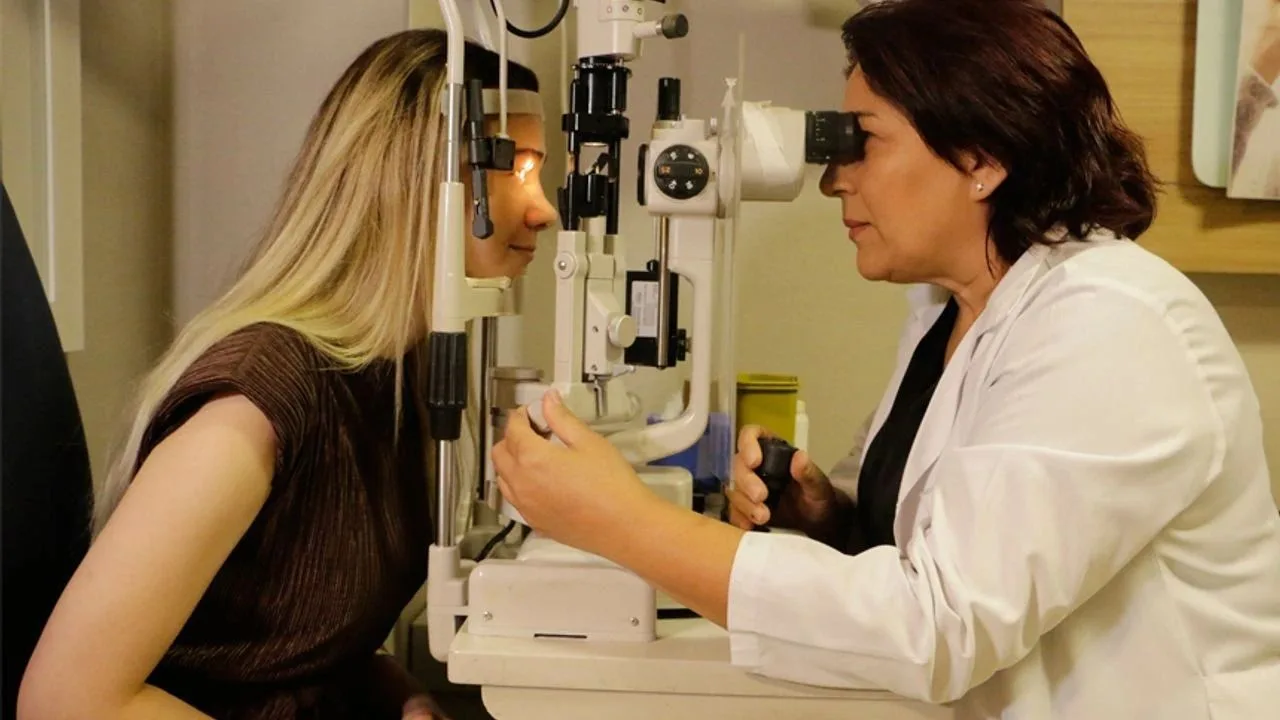
People meeting the term eye angiography for the first time also look for the answer to how eye angiography is done. The procedure is very short and painless. For it to be carried out, the preparation stages must be observed.
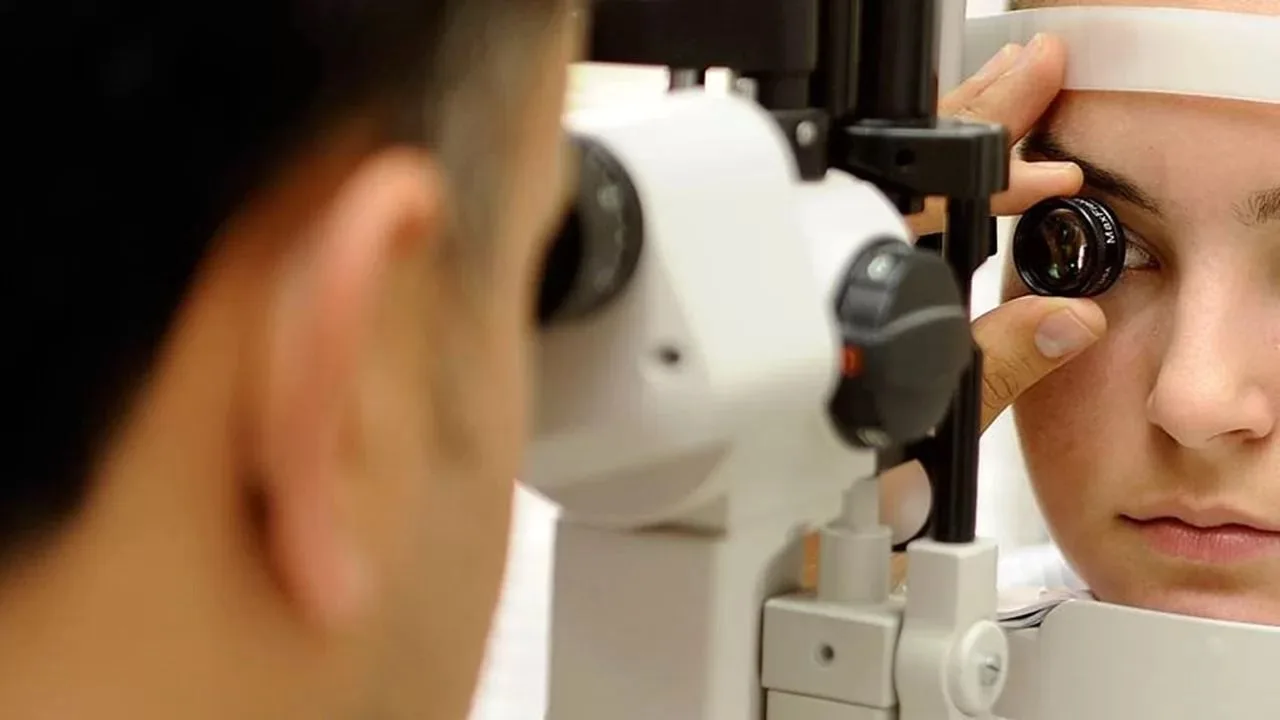
During preparation, a special eye drop is used to dilate the patient's pupils, so that the vessels and structures in the retina become easier to see. The patient is informed about the procedure and their consent is taken.
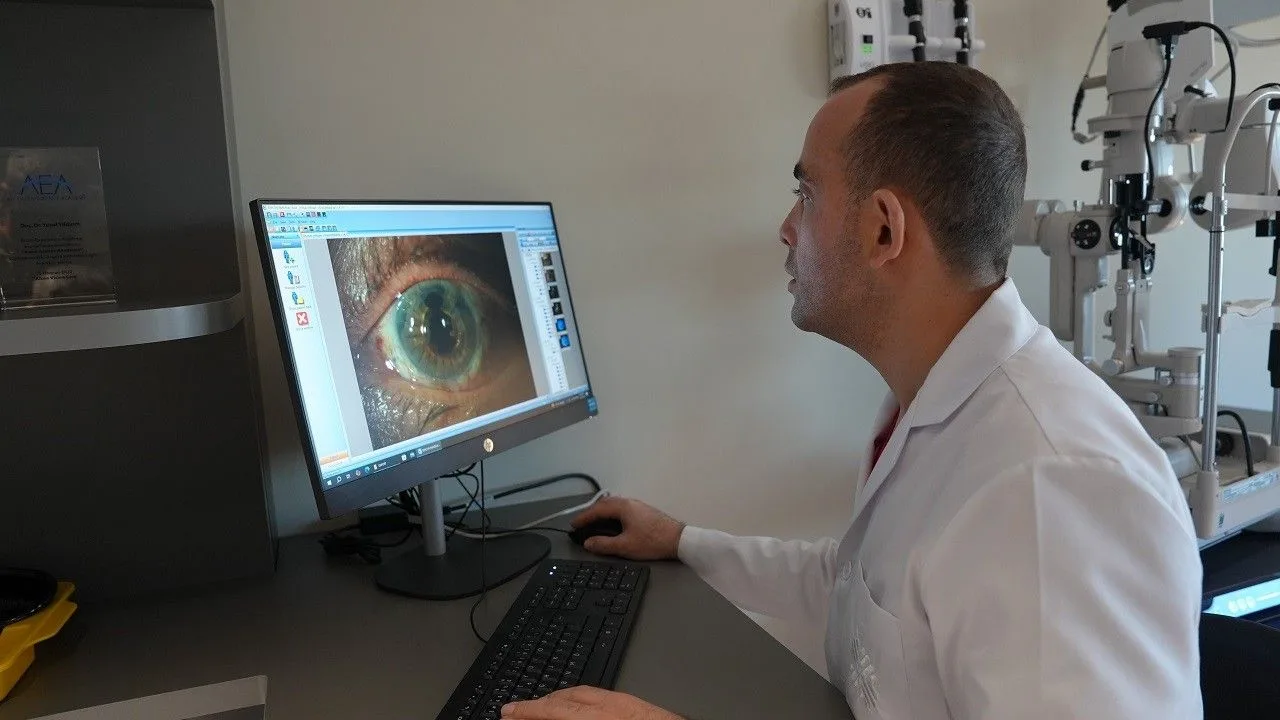
Once preparation is complete, a line is opened in the patient's arm and special dyes are injected through it. With special cameras, the circulation of these substances through the vessels of the eye is followed through the pupils. The circulation is recorded, and if there is any blockage or leakage as the dye passes through the vessels of the eye, it is identified immediately. The camera recordings allow more detailed examination.
After the procedure the images are examined in detail. Following that examination, planning for the appropriate treatment begins in the light of the information gathered.
Very mild side effects can occur after the procedure. These effects are entirely natural and pass within a few hours. Some of them are:
Nausea
Blurred vision
Allergic reactions such as itching and redness
Temporary yellowing of the skin
A temporary change in the colour of urine, to yellow or orange
Eye angiography is among the diagnostic methods regarded as very reliable. It carries very little risk and patients can carry on with daily life within a short time.
The procedure can take approximately ten to twenty minutes. Most of that time concerns preparation and the recording of images; patients generally feel only the drops and the opening of the line. The dye injections are carried out very quickly. Blurred vision is possible because of the drops used to dilate the pupils. This is entirely natural and returns to normal within two to three hours.
Types of Eye Angiography
The types of eye angiography are used according to each patient and their situation. Those types are:
Indocyanine green angiography (ICG): this is the type chosen so that the choroidal vessels beneath the retina can be imaged more clearly and examined more closely.
Fundus fluorescein angiography (FFA): this is the most widely used method, allowing the retinal vessels to be observed clearly and the necessary findings to be made.
There are also some common misconceptions about eye angiography. It is not a type of surgery, for instance, but a procedure. It does not involve any surgical intervention and is carried out entirely through a vein. Nor is it used to treat a condition: it is used above all for diagnosis.
Eye health is affected a great deal by our lifestyle and by other circumstances. With the increasing use of technological devices in particular, it is a fact that eye health has declined. Attending regular eye examinations therefore matters a great deal, so that problems arising in the eye are diagnosed early.
Early diagnosis matters a great deal if eye conditions are to be treated successfully, or prevented. Older people and patients with diabetes in particular should always attend regular eye examinations. Where eye conditions are diagnosed early, treatment is applied very effectively.
Eye angiography is not a treatment in itself. It is a method used for detailed imaging of the vascular structures within the eye, for the diagnosis of conditions and for treatment planning.
Who Should Not Have Eye Angiography?
In certain particular situations, such as severe kidney failure or a previous serious allergic reaction to a fluorescein injection, eye angiography may not be appropriate. Before the procedure your doctor will therefore assess your medical history and your current medication in detail.
Frequently Asked Questions
1
Who is eye angiography carried out on?
Eye angiography is applied in situations where retinal vein occlusion, diabetic retinopathy, uveitis, certain masses within the eye and vascular leakage need to be investigated. It is not carried out routinely on every patient; the decision is made according to the doctor's examination findings.
2
Do I need to fast before eye angiography?
Some centres prefer that you have eaten lightly, others that you fast for a few hours. Factors such as the medication you take and whether you have diabetes also matter. You should therefore always obtain written or spoken preparation guidance from the centre carrying out the procedure.
3
Can I drive after eye angiography?
Because drops are used to dilate the pupils, blurred vision and sensitivity to light are possible for a few hours afterwards. You are therefore advised not to drive on the same day and to come with someone accompanying you. Recovery time can vary from person to person, so consult your doctor.
4
Is eye angiography covered by insurance?
Whether eye angiography is reimbursed can vary with the diagnosis, with the institution carrying out the procedure and with the terms of the insurance. For the most current and precise information you should contact your insurer and the hospital carrying out the procedure directly.
5
Why do eye angiography prices vary from centre to centre?
Factors such as the technology of the device used, the location of the centre, the level of the doctor's expertise, the need for additional tests and the institution's pricing policy can all affect the cost. When looking into prices it therefore matters that you consider not only the fee but also the reliability of the service you will receive and the experience of the centre.
Eye angiography is the photographing of the retinal and choroidal vessels after they have been stained, using fluorescein fundus angiography (FFA) or indocyanine green angiography (ICG). Circulation disorders in the back of the eye are examined in detail this way.
Surgery for a droopy eyelid matters both aesthetically and so that vision problems do not follow. Ptosis surgery repairs the muscle that lifts the upper eyelid, while blepharoplasty removes excess skin from the lower or upper eyelid.
Eye twitching is usually caused by stress, fatigue or too much caffeine, but lasting twitching can point to an eye or nervous system condition. The ophthalmologists at Kudret Eye İstanbul explain when to see a doctor.
Diabetic retinopathy is the greatest cause of sight loss arising from diabetes. Raised blood sugar damages the blood vessels, and diabetes affects the nerves of the eye and the capillaries within the nerve layer.
Essential cookies are always on. With your permission we also use Google and Meta cookies for measurement and ads.Cookies needed for the site to work are always on. With your permission we also use Google and Meta cookies to measure visits and show you relevant ads. You can change your choice at any time with the "Cookie settings" link at the bottom of the page.Detailed Information