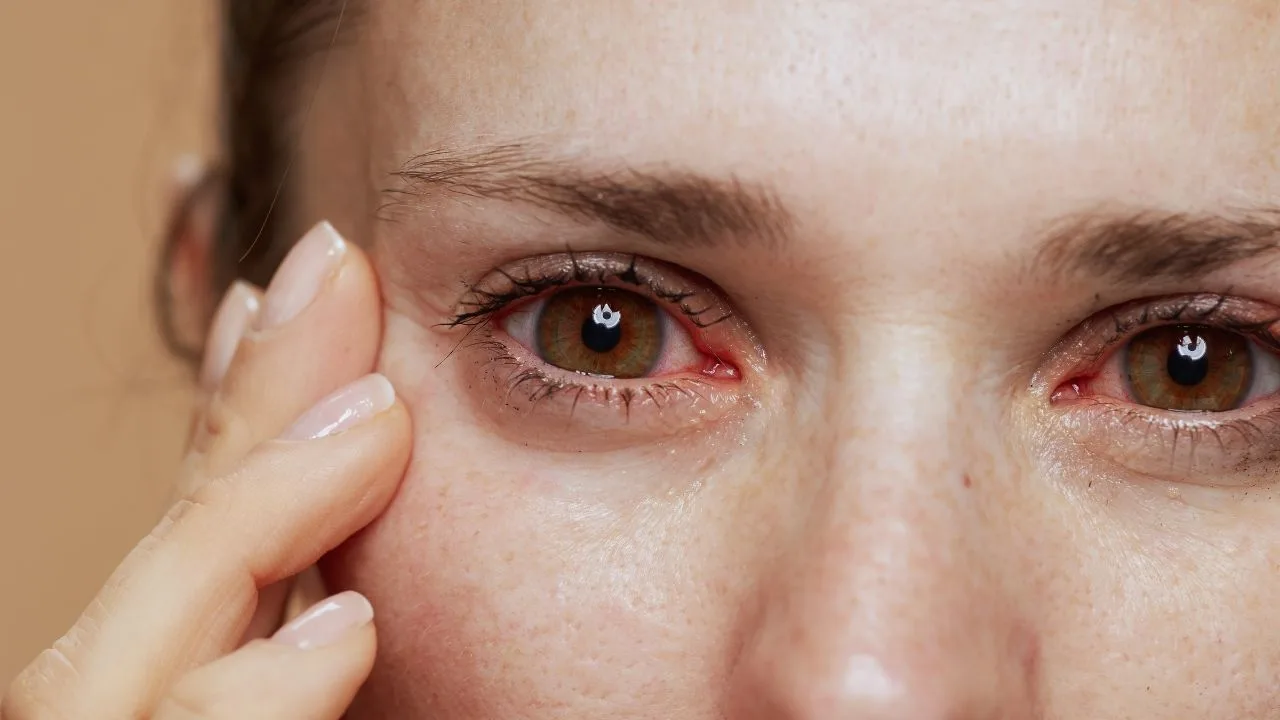
Eye twitching, which is a very common complaint throughout the society, can be seen due to stress, excessive caffeine consumption, as well as serious eye diseases such as intraocular inflammation. The ophthalmologists at Kudret Eye İstanbul gave information about the most curious things about eye twitching.
Your Body May Be Alarming With Eye Twitching!
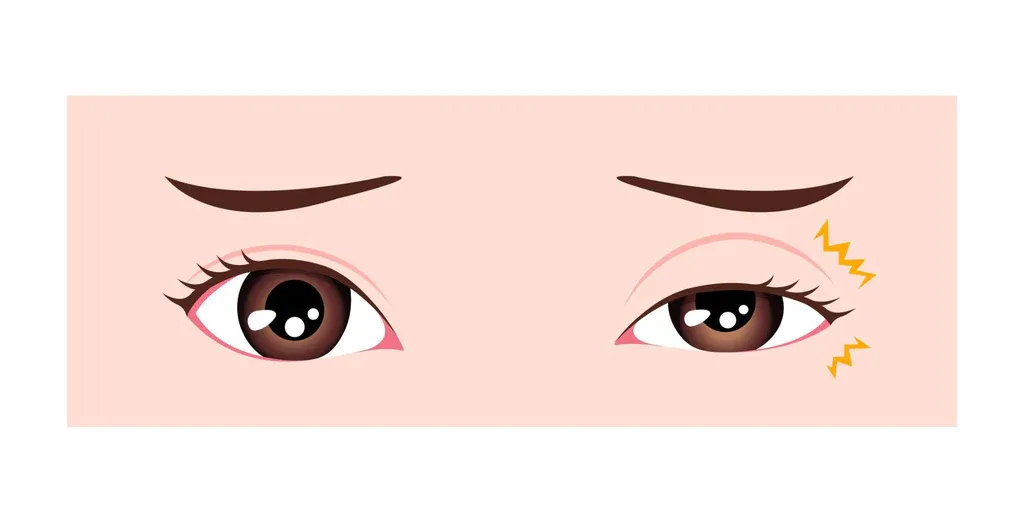
Our ophthalmologists mentioned the causes of eye twitching and stated that eye twitching may be a warning of the body "Eye twitching, medically known as myokymia, is the occurrence of involuntary contractions around the eye, especially in the eyelid. It is usually felt in the upper eyelid and passes spontaneously in a short time such as a few seconds, 1 -2 minutes. Short-term eye twitching usually occurs due to stress, smoking, too much alcohol, caffeine consumption, insomnia, fatigue, unbalanced nutrition and side effects of some medications. When these factors are eliminated, the complaints end. With eye twitching, your body may be telling you that you need to rest, that you have vitamin and magnesium deficiency, that you need to review your habits, and that you should stop smoking."
When to Consult a Doctor!
Our ophthalmologists warned that long-term, chronic eye twitching may be a harbinger of disease: "Eye twitching is beyond the control of the person and can be frustrating when it is prolonged. We can come across patients who present with eye twitching complaints that last for weeks or months. More serious causes, eye or nervous system-related diseases may lie under long-term complaints. In cases of eye twitching lasting longer than a few weeks, where the eyelid closes, in cases where redness, swelling or drooping of the upper eyelid occurs with eye twitching, when the twitching felt in the eyes is felt in another part of the face, it is necessary to consult a specialist doctor. The diseases that cause eye twitching are
dry eye,
eye allergies, eye disorders,
conjunctivitis, commonly known as pink eye,
uveitis, blepharitis, eye irritation, photophobia known as light sensitivity or light intolerance. Although very rare, nervous system diseases such as Bell's palsy, dystonia, Parkinson's, Tourette syndrome can also cause eye twitching."
Beware of Eye Fatigue!
Our ophthalmologists underlined that eye twitching may be due to eye fatigue and made some suggestions against eye twitching, especially warning those working at a desk in front of a computer: "Especially those who work at the computer often complain of eye twitching due to eye fatigue. We recommend that those who are engaged in jobs where the eyes focus on a certain point for a long time, such as using a computer, reading a book, writing, sewing, rest their eyes every 20 minutes. Simple practices such as resting the eyes by closing them for 1 - 2 minutes, looking away by focusing, are useful in preventing eye twitching as well as dry eyes and ciliary muscle spasms known as false myopia. If there is glare on the screen of your computer or television, reduce the glare by methods such as changing the location of the screen, using an anti-reflection filter. Pay attention to your diet. Review your consumption of caffeinated beverages such as coffee and tea, alcohol consumption and the amount of consumption. Do exercises appropriate to your age, fitness and health status in consultation with specialists, and pay attention to your sleep patterns. Consume foods containing vitamin B and vitamin B12, and use vitamin supplements if necessary in line with the recommendations and opinions of your doctor. Side effects of some medications may cause eye twitching, inform your ophthalmologist about the medications you use."




 Türkçe
 English
 Deutsch
 Nederlands
 Italiano
 Español
 Français
 Български
 Română
 Русский
 العربية