





Eye Diseases
Ptosis Surgery for a Droopy Eyelid
- Kudret Eye Istanbul
- Last updated:
- 6 min read
- Medically reviewed by Op. Dr. Mehmet Ali Özdil
Surgery for a droopy eyelid matters both aesthetically and so that vision problems do not follow. Medically, a drooping upper eyelid is called ptosis: the muscle that lifts the upper lid is weak or has stretched, and ptosis surgery repairs that muscle. In blepharoplasty, by contrast, it is not the muscle that is treated: sagging excess skin and, where needed, excess fat are removed. The two can occur together in the same person; if the doctor considers it appropriate, both are corrected in the same operation. The incision is made in the eyelid crease, and the scar fades over the months.
Blepharoplasty, a different procedure from ptosis surgery, is applied to the lower or the upper eyelid. Wrinkling on the eyelid, and drooping through causes such as trauma, ageing and infection, can lead to swelling and bagging. Because operations carried out to improve appearance fall under aesthetic surgery, this procedure is a form of aesthetic surgery too.
It is applied to free people of situations such as sagging and bagging of the eyelids with age, or of what follows a condition or deformation. Drooping and wrinkling can occur in the upper lid, and bagging in the lower. These situations are sometimes met for genetic reasons as well.
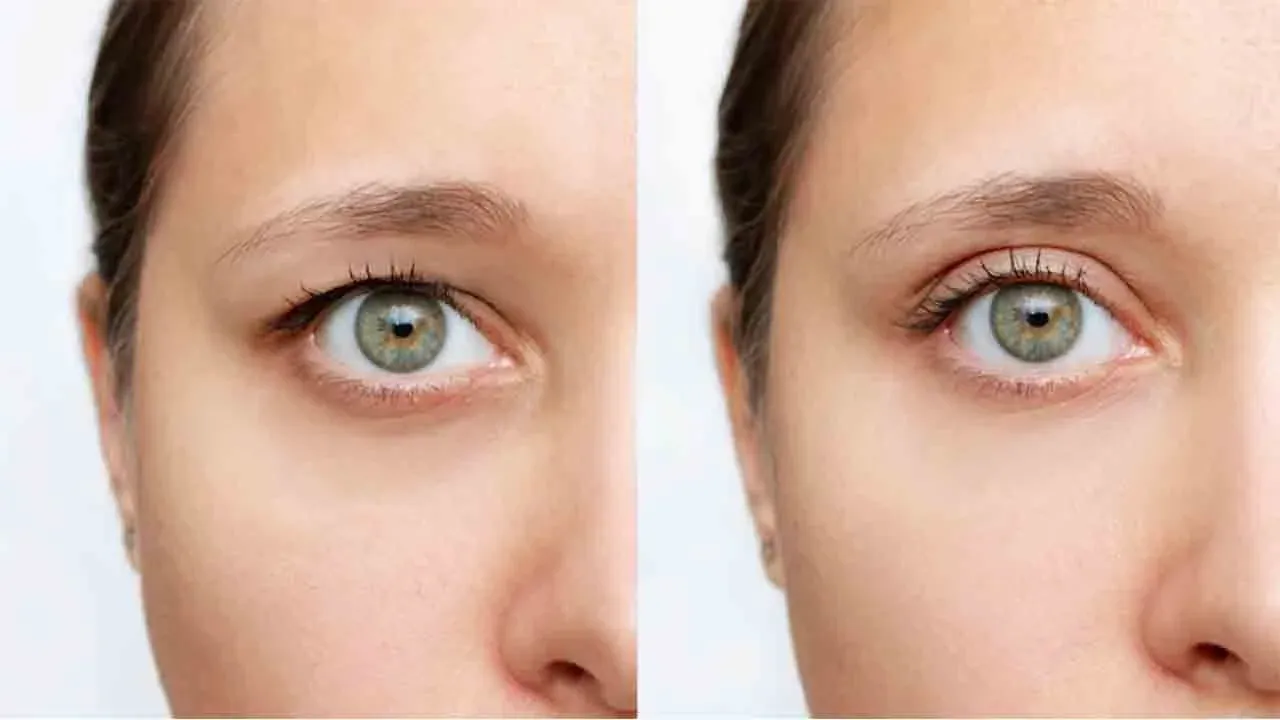
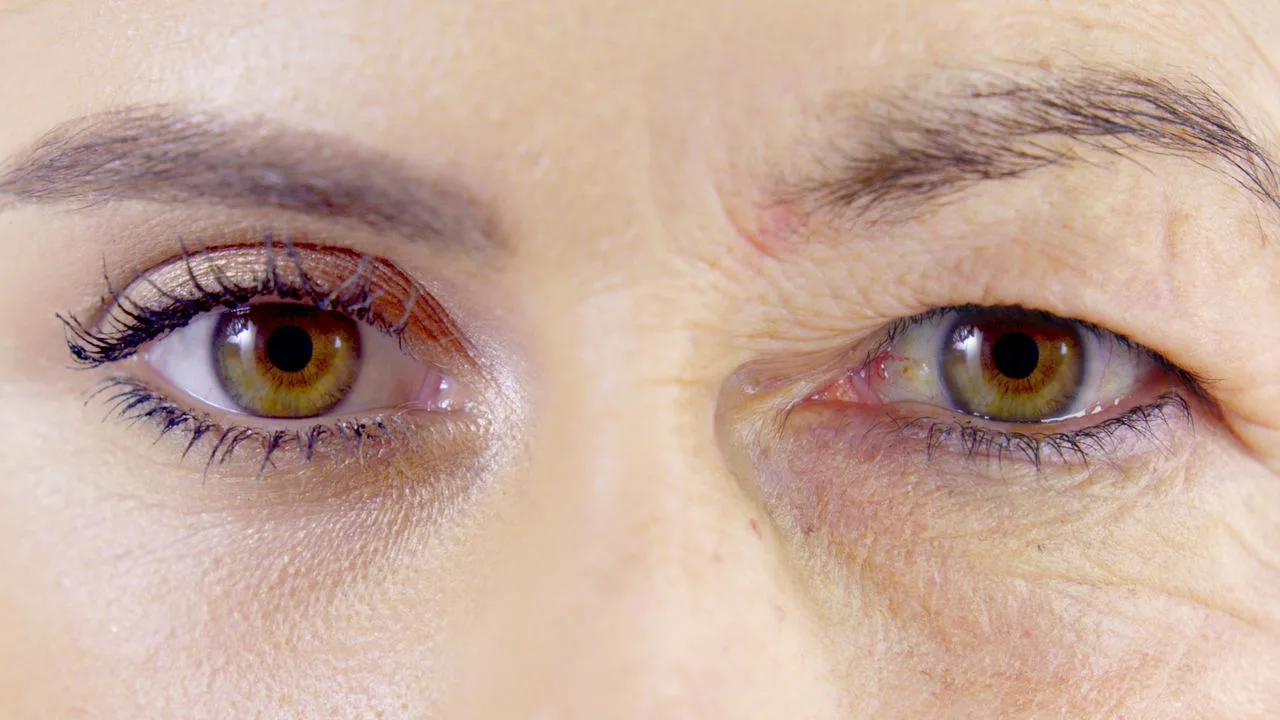
Droopy Eyelid
A droopy eyelid is the term for the upper eyelid sitting low, that is ptosis. It appears through many different causes. Although it is possible in people of any age depending on age, illness and genetic factors, it is seen most in older patients. Acquired or present from birth, it can sometimes also obstruct vision. Where a droopy eyelid is left untreated it leads to certain symptoms. These can include eye strain, restriction of the field of vision and headache. In young patients, where it is left untreated, it can lead to lazy eye. Among the congenital conditions of the upper eyelid, ptosis is the one met most often. Beyond this, situations such as fusion of the eyelid, incomplete development of the eyelid and the lid margins turning inwards or outwards can also be seen.Symptoms of a Droopy Eyelid
The symptoms of a droopy eyelid show themselves above all visually. The situation may be present from birth, and it can also form alongside other conditions and with age. The symptoms include:- Considerable narrowing of the field of vision
- Raising the eyebrows to pull the eyelid upwards, which can develop into a tic
- Excessive watering of the eye or dry eye
- The face taking on a more tired appearance
Why is Eyelid Surgery Carried Out?
Questions such as why eyelid surgery is carried out and what it achieves are the ones asked most by people who want the operation. Ptosis surgery is carried out when the upper eyelid sits too low because the muscle that lifts it is weak, narrows the field of vision or, in children, puts the development of vision at risk. Blepharoplasty is carried out when excess skin on the upper eyelid or bags under the lower eyelid are bothersome, for aesthetic reasons or because the skin narrows the field of vision. In preparation for surgery, blood thinning medication should be stopped, smoking reduced and any regular medication reported to the doctor. Afterwards, sunglasses should be worn and heavy exercise avoided. Before blepharoplasty, the areas to be removed are determined. The natural folds of the eyelid are marked with a pen and measurements taken. Technologies known as cautery or a scalpel are used for the incision during the operation. In methods used for the lower eyelid, a transconjunctival approach can be used, or an incision can be made at the lash line. In ptosis surgery, the muscle that lifts the eyelid is reached through an incision in the natural eyelid crease or from the inner side of the lid, then tightened or shortened and reattached. The height of the lid is checked during the operation so that both sides sit as evenly as possible. The incision is then closed with a fine suture. In upper eyelid blepharoplasty, an incision is made along the eyelid crease, through which excess skin and, where needed, a little fatty tissue are removed. The muscle that lifts the lid is not changed. The incision is then closed with a fine suture. For the lower eyelid, an incision is made beneath the lashes at the lower part of the eye, or just inside the eyelid. Under-eye bags are removed through these incisions. Where it is considered necessary, the muscles in this area are addressed and the incision closed.
After Droopy Eyelid Surgery
There are certain things to observe during recovery after droopy eyelid surgery. Swelling and redness can form for three to four days after eyelid surgery, and a burning sensation can be felt. These signs are most noticeable in the first days and lessen within 1-2 weeks as the swelling subsides. Through cold compresses applied after the procedure, this swelling can be kept to a minimum. The sutures are checked regularly and dressings applied. The use of a dressing ends within three days of surgery, while the sutures are removed within 5-10 days depending on the patient's situation. Because the incision is placed in the natural crease of the eyelid, the scar lies in this crease and fades over the months. You can return to daily tasks within a few days, and to social life and sport after 1-2 weeks. Eyelid surgery carries risk as every operation does. Carried out by specialists, its level of risk is very low. The area where it takes place must always be sterile and the surgeon carrying it out must be a specialist. The most common natural and temporary side effects are swelling and redness of the treated area. Where the patient neglects their dressings or an infection is caught, however, recovery becomes considerably harder. Severe bleeding or side effects threatening vision belong to very extreme situations. After ptosis surgery the lid can occasionally sit slightly too high or too low; this can be corrected if needed. In careful and experienced hands it is a straightforward operation. The operation can be carried out in any season. Afterwards the eye must be protected from the sun. After blepharoplasty the skin can slacken again over the years; in people with less elastic skin and in older people the operation can therefore be repeated after some years.Frequently Asked Questions
- 1
Is droopy eyelid surgery difficult?
It is generally carried out under local anaesthesia and takes one to two hours. In experienced hands it is a safe operation. - 2
Does a mark remain after surgery?
The incisions are made along the natural lines. The scar lies in the eyelid crease; it can be noticeable in the first weeks and fades over the months. - 3
How long does recovery take?
Swelling and bruising are most noticeable in the first days and lessen within 1-2 weeks. You can return to daily tasks within a few days, and to social life and sport after 1-2 weeks. - 4
Is repeat surgery needed?
Depending on age and skin structure, it can be needed again over the years. - 5
Is it carried out in children?
Yes. In congenital ptosis surgery is usually postponed until the age of 3-4; if the lid covers the pupil and blocks vision, it is done earlier to prevent lazy eye. What Causes Stinging Eyes?