Certain questions arise after PRK, one of the surface laser procedures. The most common situation met after any eye operation is blurring of vision. How long blurred vision lasts after PRK is among the questions asked most.
Blurred vision for the first three to five days after PRK is normal. Because LASEK and PRK are surface laser procedures, full clarity takes two to four weeks. The surface of the eye needs to heal after the operation, and the removal of the surface layer (epithelium) leads to blurred vision until it grows back. It is not a permanent situation, although the medication and drops given during recovery should be used regularly.
Symptoms After PRK Laser
The symptoms after PRK laser consist of very common and temporary signs. Meeting situations such as dry eye for a period after the PRK procedure is very common. In this procedure, applied to the surface of the eye, burning, stinging and itching are also seen frequently.
Laser eye surgery is a very comprehensive subject. It is applied so that the patient's refractive errors are removed. After the tests and necessary examinations have been carried out beforehand, approval for surgery is given. LASEK and PRK procedures involve no incision: only the surface layer of the cornea (the epithelium) is removed or loosened before the laser is applied. Mild pain, burning and stinging are observed for a few days afterwards.
If a headache follows the operation, painkillers that do not thin the blood are used. The eye treated with the laser should not be exposed to light, so electronic devices should be used less and the eyes protected from the sun.
Blurred vision after PRK laser
Recovery After PRK Laser
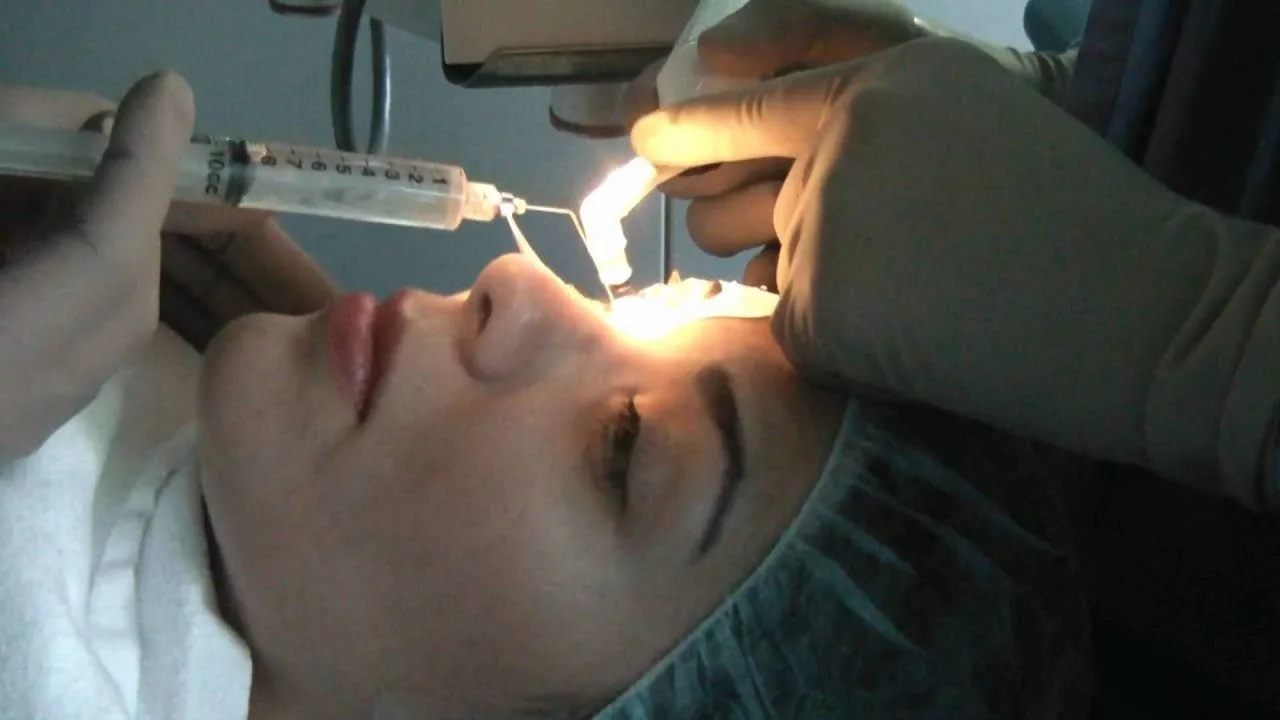
Recovery after PRK laser is a period that calls for care. On the first day after surgery, effects such as watering, stinging and burning are seen in the eyes for a few hours. These situations are quite normal, although a doctor should always be consulted if the symptoms are severe.
Special painkillers should be used under a doctor's guidance so that headache does not follow. In the first days after surgery, electronic devices, long periods of reading, driving and direct sunlight should all be avoided.
Dusty surroundings should be avoided as well. Because dust entering the eye causes itching, and rubbing the eye can lead to a complication, the eye must never be rubbed or touched. Do not shower for the first 24 hours; for the first week do not let water, soap or shampoo get directly into the eyes; avoid swimming pools and the sea for about 20 days. Daily life can be resumed in the days following the operation.
The doctor should be seen regularly and examinations should not be neglected. A doctor should be consulted for symptoms other than itching, burning, stinging, dry eye and watering.
Because recovery differs from person to person, general care and attention to hygiene are needed during this period. Paying attention to these speeds up recovery considerably. Protective glasses should be worn for a few weeks after the operation.
Other points to observe during recovery are:
Eye make-up should not be worn for a week after the operation. Make-up products can cause an infection in the eye for many different reasons. Light make-up can be worn in the following weeks, but products such as eyeliner and mascara should be avoided for a while. Because the eye is more sensitive to infection after surgery, the ingredients of make-up and powder products can cause an infection.
Using drops after the operation is very important. The drops prescribed by the doctor should be used regularly throughout recovery. This lowers the risk of infection and prevents dry eye. The amount and duration depend on the person's situation. Drops are generally used for 3-6 months; drops containing cortisone may be used for about 1 month.
What is PRK Laser?
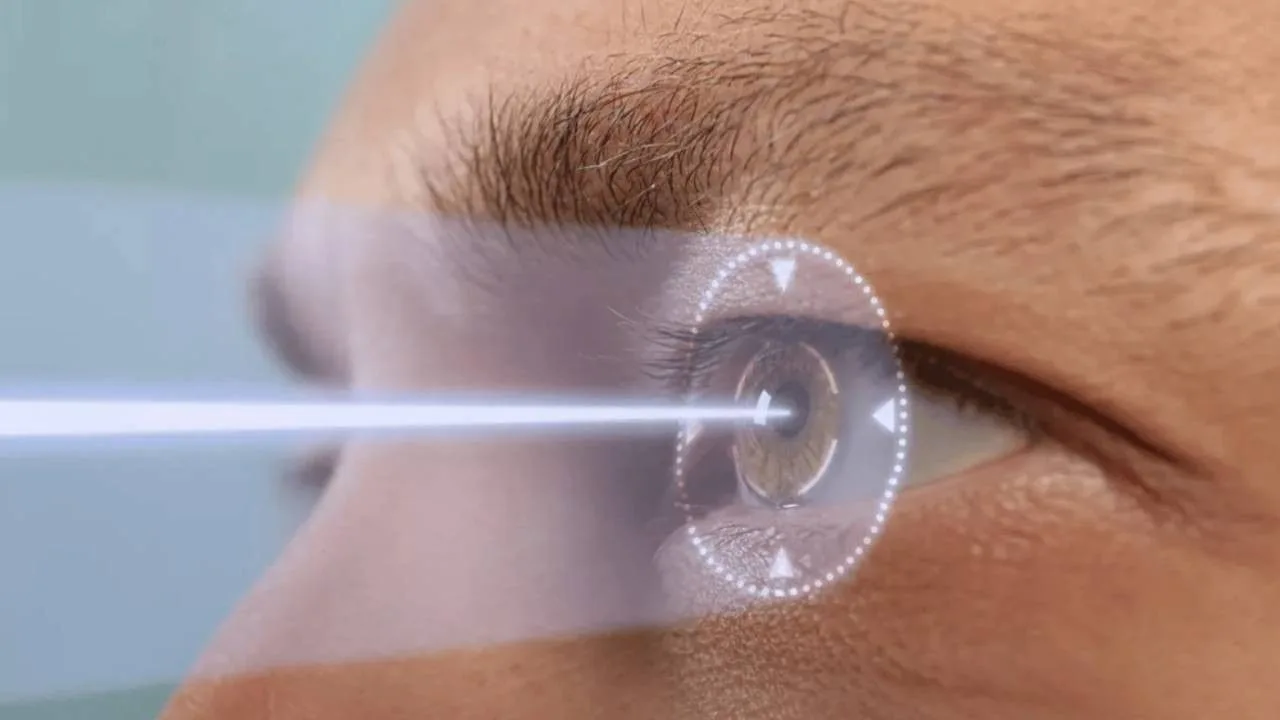
In answer to what PRK laser is, this is a method used to correct refractive errors. Its full name is photorefractive keratectomy. It is one of the methods used in treating refractive errors such as astigmatism, myopia and hyperopia.
The procedure is carried out on people who have turned eighteen and whose eye structure is suitable for laser surgery following examination. The other conditions for the procedure are:
The person must not be pregnant or breastfeeding. Caring for a baby after surgery can be difficult for the mother, and the medication used can affect breast milk.
It is applied to people who have turned eighteen and whose eyes have finished developing.
For people whose cornea is too thin for methods that create a flap, PRK and No Touch laser are often a suitable option, as they do not create a flap in the cornea. Suitability is determined at the examination by measuring corneal thickness.
A cone-shaped cornea (keratoconus) is another situation that prevents surgery.
It is not applied to people with glaucoma and similar eye conditions.
It is not recommended for people with systemic conditions.
Blurred vision after PRK laser
Advantages of PRK Laser Surgery
Because of the advantages of PRK laser surgery, it is among the treatments chosen most. No incision is made, only the surface layer of the cornea (the epithelium) is removed, and no flap is created in the cornea.
No suction ring and no incision are used in PRK laser surgery, and no pain is felt during the procedure, although mild pain or stinging is common for a few days afterwards. People who want to be free of glasses and contact lenses can choose it easily. Meeting the necessary conditions for surgery is enough.
PRK Laser Surgery Prices
PRK laser surgery prices can vary in certain situations. Although there is a price range in state institutions and private hospitals, it differs with the circumstances and with the experience of the surgeon.
Once the decision to have surgery has been taken, an examination with a doctor comes first. The details of the procedure are then explained clearly to the patient. To clarify the price, it matters to speak with the clinic where the surgery will take place. Although prices in this method, applied to people who want to be free of myopia, astigmatism and hyperopia, depend on certain factors, they may vary.
Frequently Asked Questions
1
Is blurred vision after PRK permanent?
No. Blurring after PRK is generally temporary and settles as recovery progresses.
2
When will I begin to see clearly after PRK?
Vision is blurred for the first three to five days, and full clarity is reached in two to four weeks.
3
Is pain after PRK normal?
Mild to moderate pain, burning and stinging can be seen in the first few days. This is temporary.
4
Can I use a phone and computer after PRK?
Limiting them as far as possible in the first days is recommended. They can be used for short periods with breaks.
5
Is PRK suitable for everyone?
No. Suitability is determined after a detailed eye examination. This varies from person to person, so consult your doctor.
Blurred vision after laser eye surgery is among the subjects looked into most. Blurring after the operation is in fact a natural part of it and is temporary, although a doctor should be consulted in certain situations.
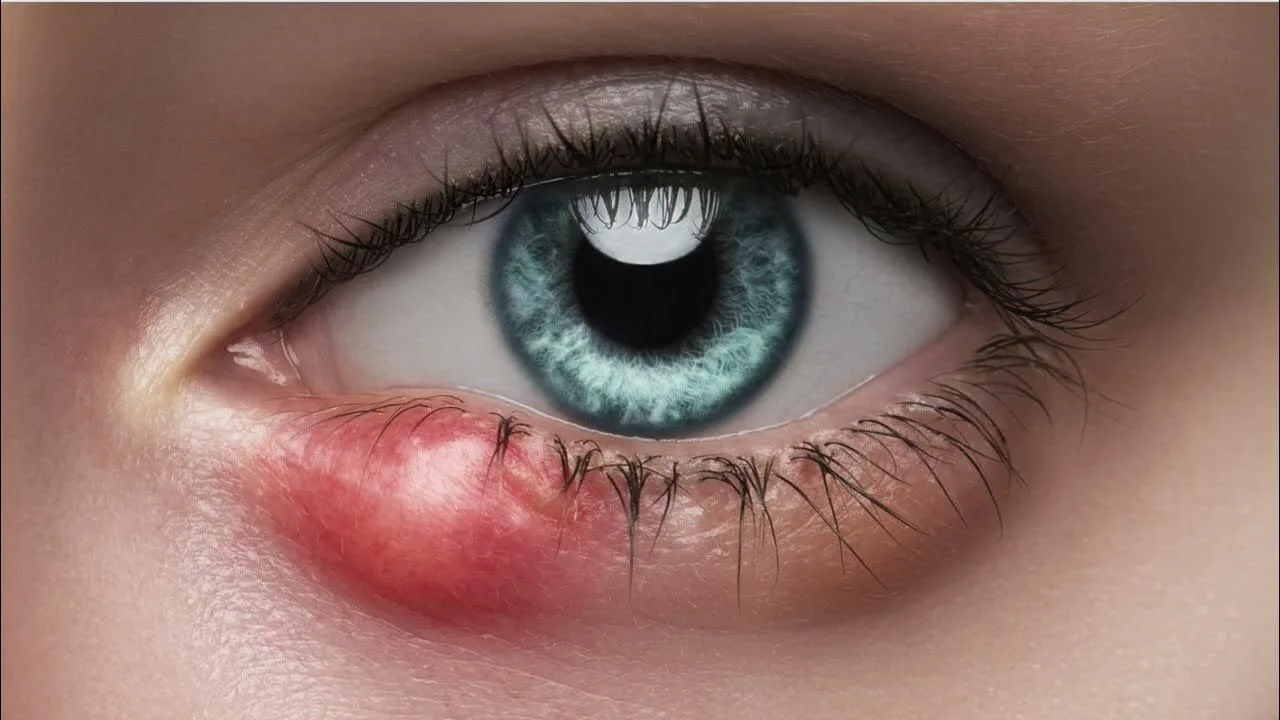
A stye, known in medicine as a hordeolum, develops when the oil or sweat glands at the base of the lashes become infected. An external hordeolum generally settles by itself within three to seven days, while an internal one can take one to two weeks.
The change a laser makes to the cornea is permanent. The eye itself still ages, however, and presbyopia can bring a need for reading glasses after 40. This article explains what to expect over the years.
Lens solution is one of the products used by many people who wear contact lenses. Its purpose is to clean, disinfect, store and rinse them, and it also extends how long they last.
Essential cookies are always on. With your permission we also use Google and Meta cookies for measurement and ads.Cookies needed for the site to work are always on. With your permission we also use Google and Meta cookies to measure visits and show you relevant ads. You can change your choice at any time with the "Cookie settings" link at the bottom of the page.Detailed Information