




Eye Diseases
How Many Days Does a Stye Last?
- Kudret Eye Istanbul
- Last updated:
- 7 min read
- Medically reviewed by Op. Dr. Mehmet Ali Özdil
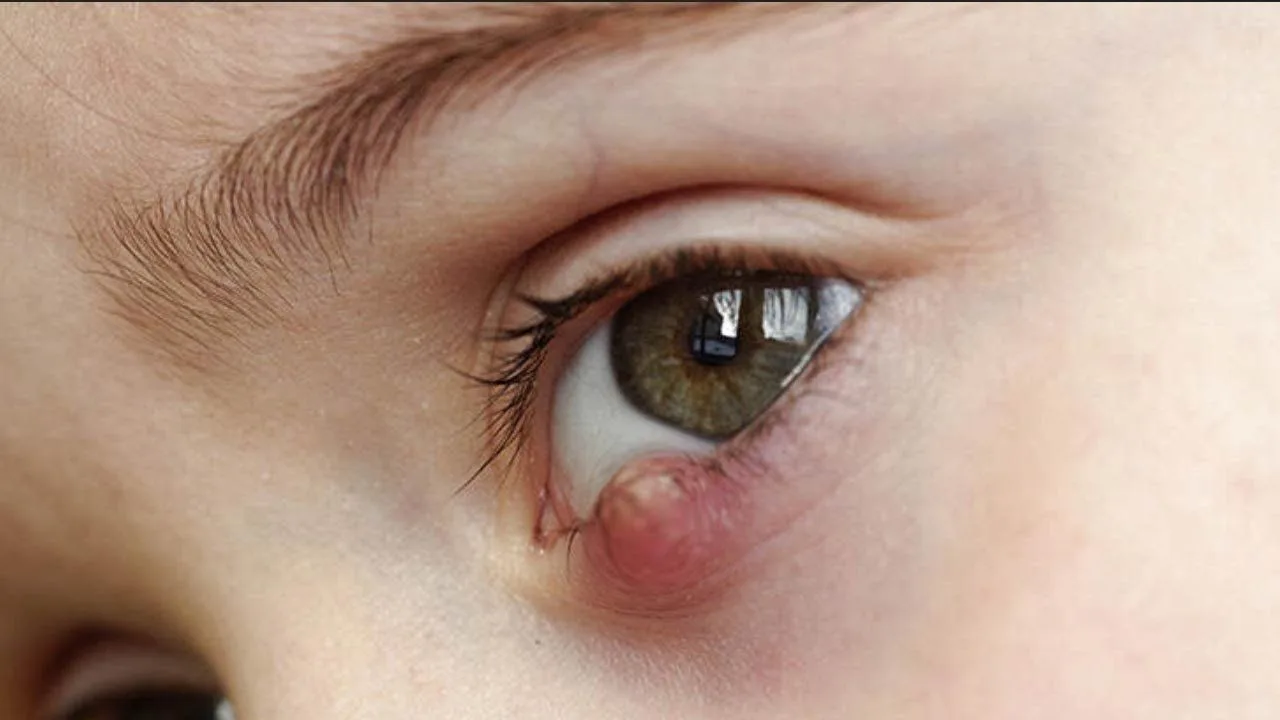
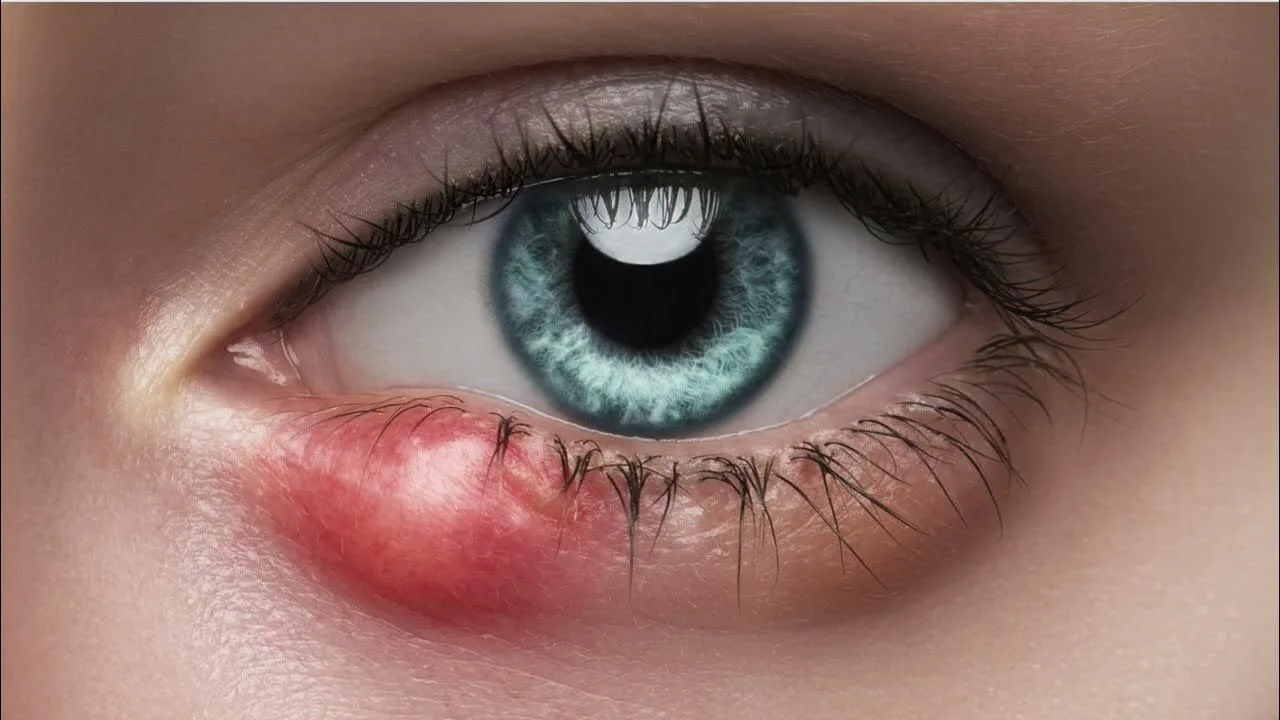
A stye is a condition known in medicine as a hordeolum. How many days a stye lasts, and how it develops, are questions we meet at least once in our lives. A stye forms on the eyelid or around it and causes swelling and discomfort there. It usually shows itself as a small, red and tender swelling. A stye (hordeolum) develops as a result of a bacterial infection of the oil or sweat glands at the base of the lashes. An external hordeolum generally settles by itself within three to seven days, while an internal hordeolum, an infection of a meibomian gland, can take one to two weeks. If treatment is delayed, a chronic chalazion can form and last for months. In some situations it takes longer or shorter than this, but if no treatment is applied a stye may not clear for a long time.
What is a Stye?
In answer to what a stye is, it is a bacterial infection that generally appears from frequent contact with the eye. It arises through situations such as wearing contact lenses without proper hygiene, failing to remove make-up properly and constantly rubbing the eyes with dirty hands. A stye is cleared with warm compresses and medication. Although it is expected to clear on its own, going for a check-up and being treated matters when a stye is involved. This infection is seen at the base of the lashes and can also arise through inflammation of the oil glands at the edge of the eyelid. The main cause of a stye is a lack of hygiene, and it shows itself as a spot or a red swelling. The most common organism is the bacterium Staphylococcus aureus. Although poor hygiene is the main risk, blepharitis, seborrhoeic dermatitis, rosacea, diabetes and a high oil content in the tear film also prepare the ground for a stye. Wearing contact lenses without sterile handling, sleeping in make-up, false lashes and sharing cosmetic products all add to the risk.How Does a Stye Develop?
The most basic answer to how a stye develops is a lack of hygiene. It generally appears with a bacterium called staphylococcus, which causes the glands in the eyelid to become blocked or inflamed. The main reason for inflammation of the oil glands is poor hygiene in this area. The eye should not be touched frequently by hand, and when wearing lenses the hands must always be washed and the lens solution changed. Sleeping with make-up on the eyes also blocks the oil glands and clogs the base of the lashes. Where someone regularly sleeps in make-up, these structures become blocked and a stye or similar problems follow. Observing the rules of hygiene before touching the eye is important.Types of Stye
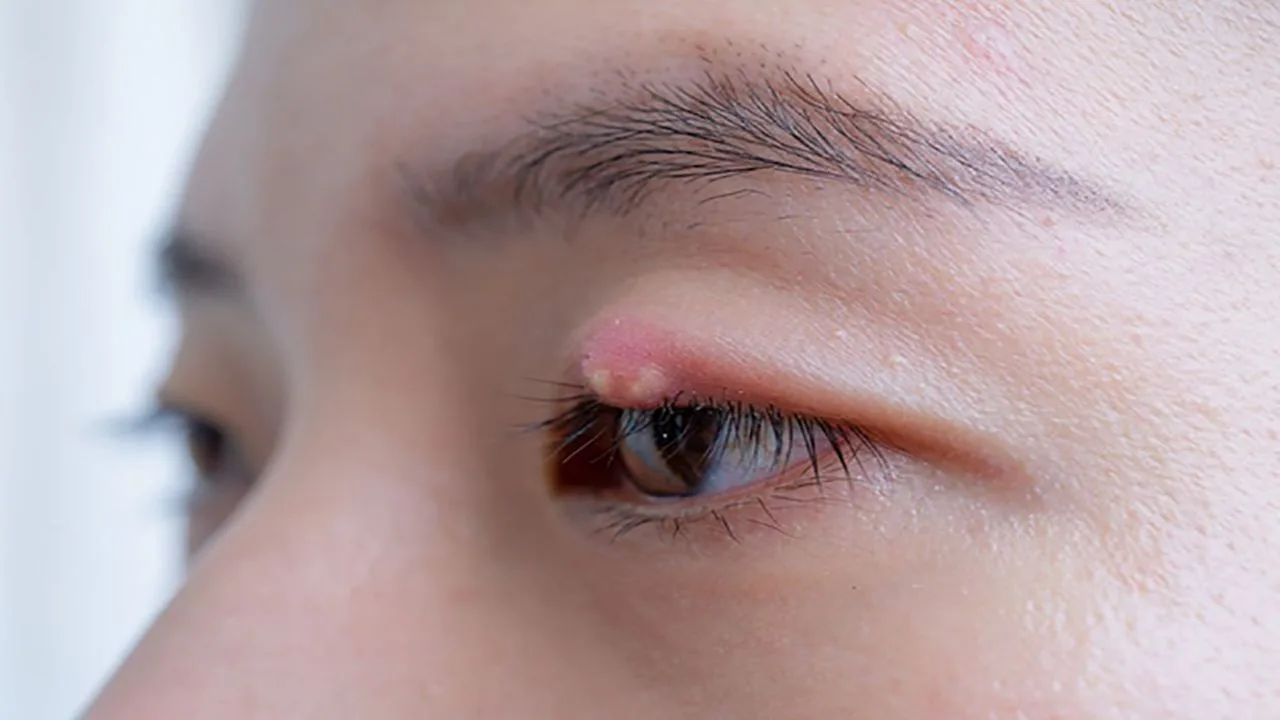
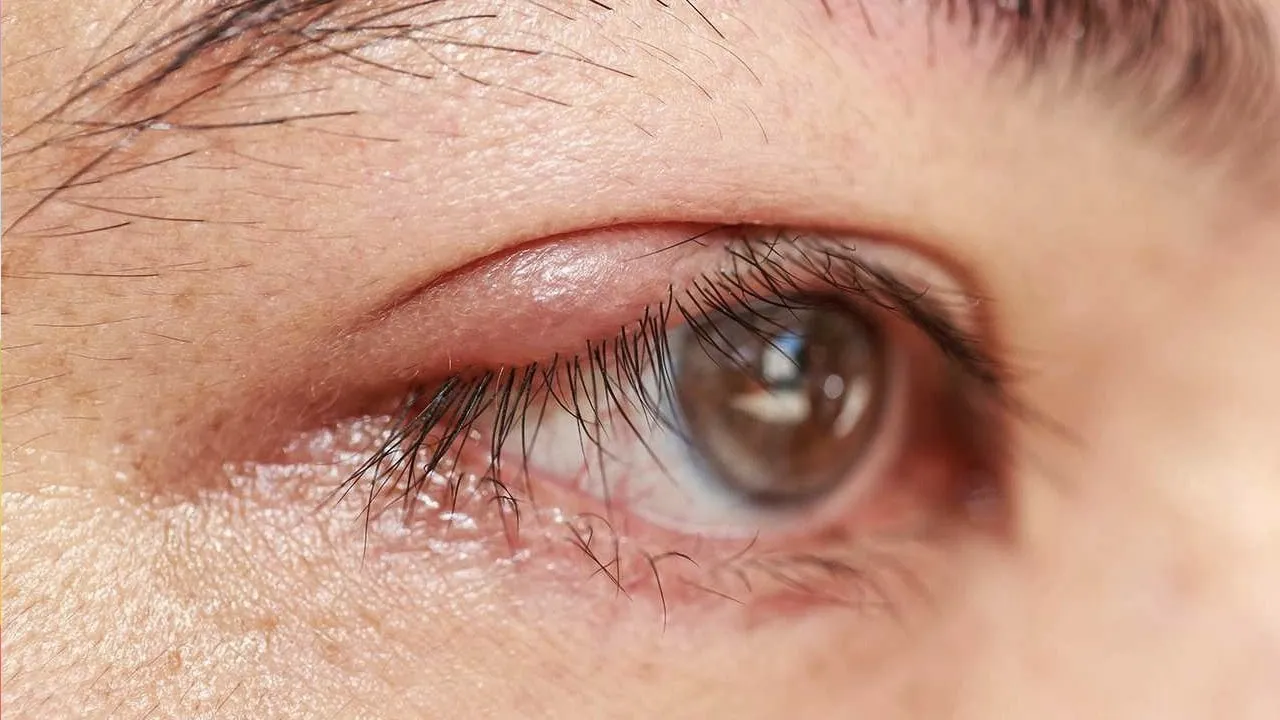
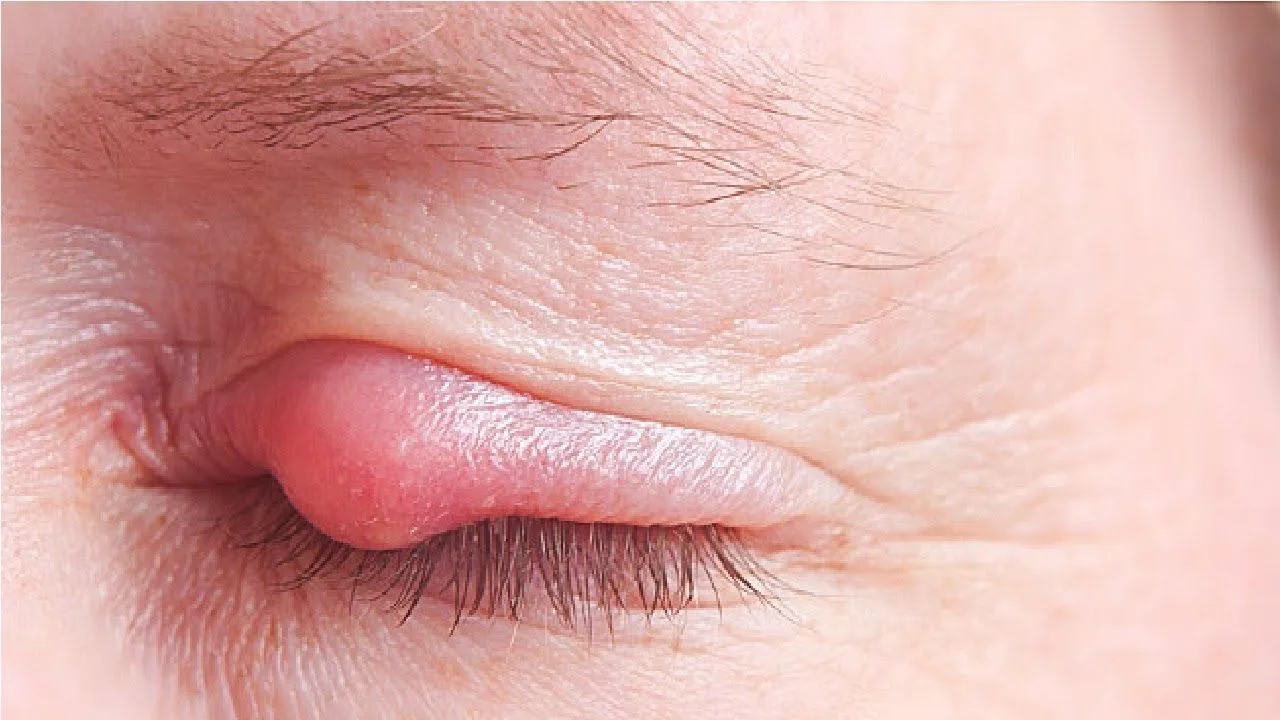
Styes are examined in two categories, internal and external. An internal stye appears on the inner surface of the eyelid, while an external stye forms at the base of the lashes. External stye: an infection of the Zeis or Moll glands at the root of a lash, resembling a yellow-headed spot at the lash line. The external hordeolum is the type met most often. It forms in the oil glands or in the ducts at the base of the lashes. Internal hordeolum: this develops in a meibomian gland on the inner surface of the eyelid and generally swells from the conjunctival side rather than from the skin. As an internal stye grows it can cause marked swelling of the eyelid, and it can be more painful than an external one.
Symptoms of a Stye
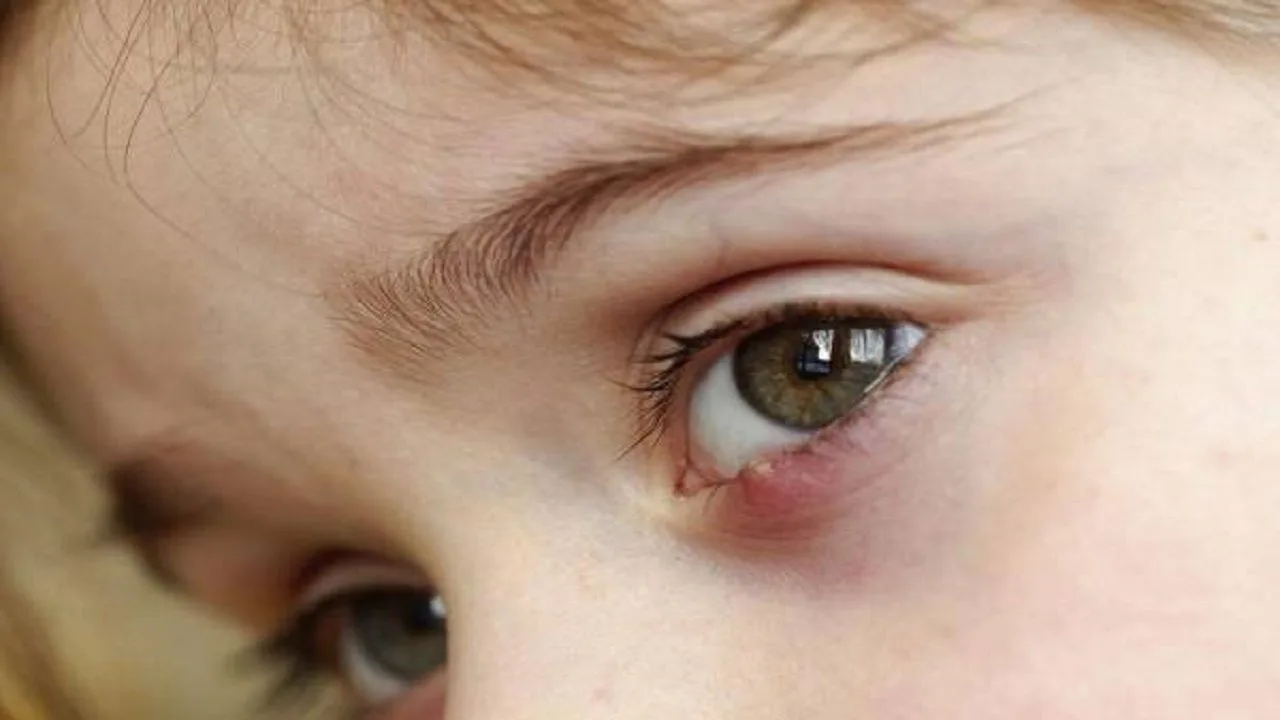
The symptoms of a stye show themselves in many ways. The main signs are redness and swelling observed on the eyelid. The swelling that comes with the infection may be filled with pus, which makes it resemble a spot. Presenting with redness and swelling, the condition can cause pain, a feeling of discomfort and a discharge of pus. Watering and redness of the eye are among the other symptoms. The other symptoms are as follows:- Strong sensitivity to light
- A feeling of heaviness and discomfort in the eye
- Swelling of the eyelid
- A stinging sensation in the eye
- Watering of the eye
- A yellowish discharge
- Crusting at the edge of the eyelid
- The feeling that something is in the eye
Diagnosis of a Stye
Diagnosing a stye is straightforward. The swelling that appears on the eye is identified through examination by a specialist, during which blockages at the base of the lashes and in the oil glands of the eyelid are found. A stye can sometimes be seen as a white-headed swelling. Diagnosis takes place through the firmness felt during the examination, the redness observed and other methods. It is generally made through clinical examination; in diabetic patients, or where styes recur frequently, checking blood glucose and HbA1c is recommended. In persistent lumps a biopsy may be needed to distinguish a chalazion from an eyelid tumour.Treatment of a Stye
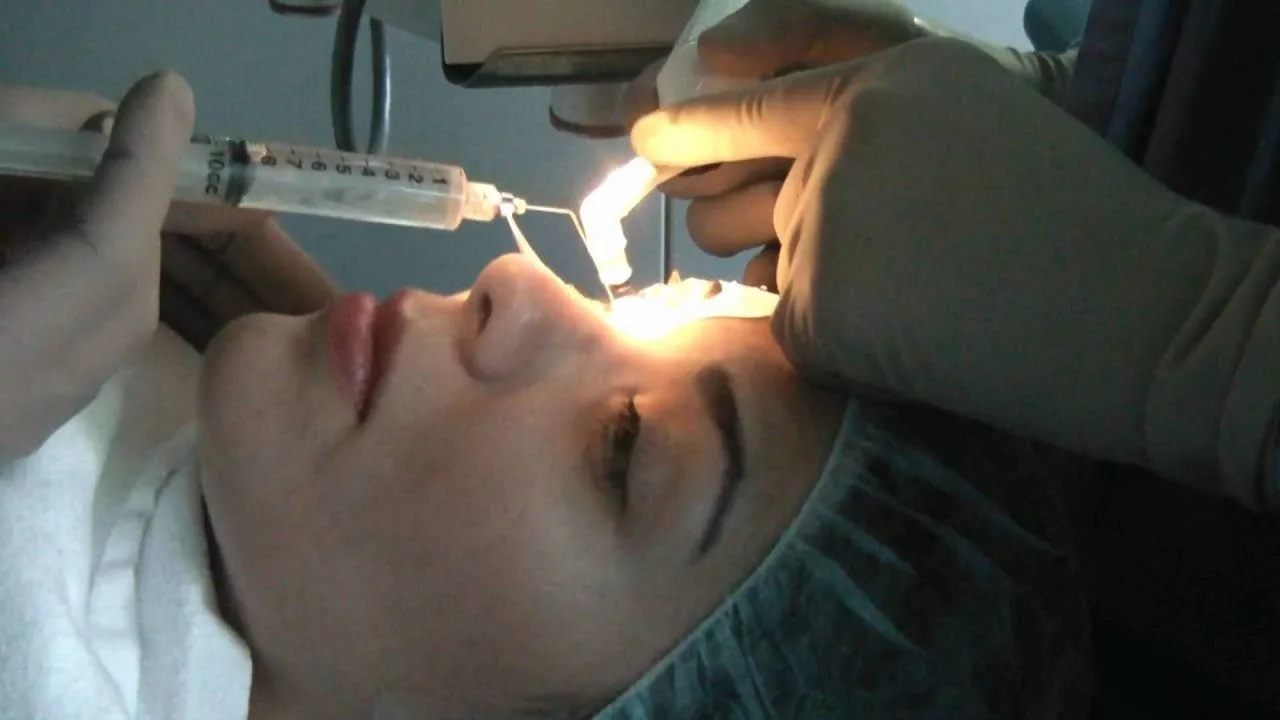
A stye is treated with hygiene measures. Cleaning the eyelid and keeping it hygienic matters, and a warm compress is applied alongside. A warm compress of five to ten minutes on the eyelid holds an important place in treatment, because the warmth opens the blockages in the oil glands. Baby shampoos that do not sting the eyes can also be used. The lathered shampoo is used to clean the base of the lashes and the eyelid gently, and this should not take more than a few minutes. Once the oil glands have been cleaned thoroughly and opened with a warm compress, the cyst-like structure within them comes out. If the infection spreads or the stye does not clear, a doctor may prescribe antibiotic drops or ointment; most styes clear without them. The most important step with a stye is the warm compress. A warm compress of around forty degrees should be applied to the eyelid for five to ten minutes, two to four times a day. The warmth should be close to lukewarm rather than hot enough to burn. Through this, applied at regular intervals, the oil glands of the eye open and the infection clears more easily. Antibiotics are usually not needed; a doctor gives drops or ointment only when necessary. Squeezing or bursting a stye spreads the infection and is not recommended. If a stye does not subside within two to three weeks and a chalazion develops, incision and curettage or a steroid injection may be needed.