





Eye Diseases
Blurred Vision After Laser Eye Surgery
- Kudret Eye Istanbul
- Last updated:
- 7 min read
- Medically reviewed by Op. Dr. Mehmet Ali Özdil
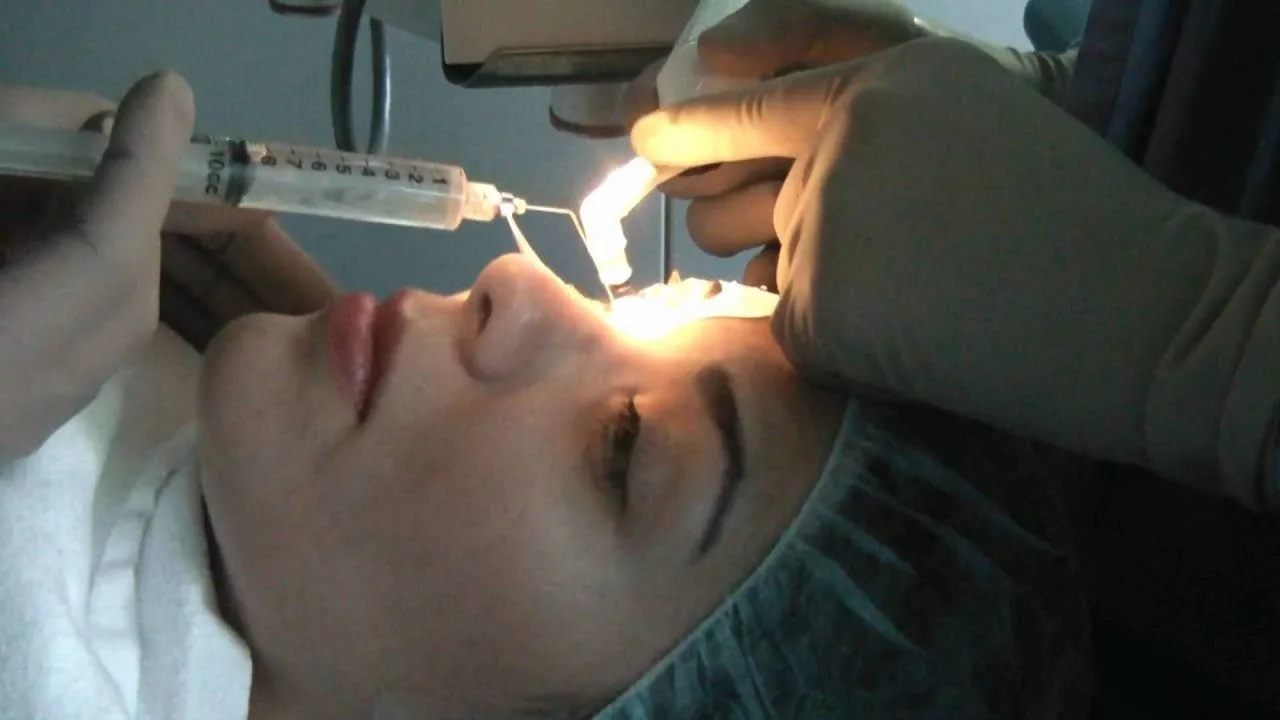
Blurred vision after laser eye surgery is among the subjects looked into most after a laser operation. Laser eye surgery is carried out with minimal incisions in the eye. These operations are applied to correct refractive errors in the treatment of astigmatism, hyperopia and myopia.
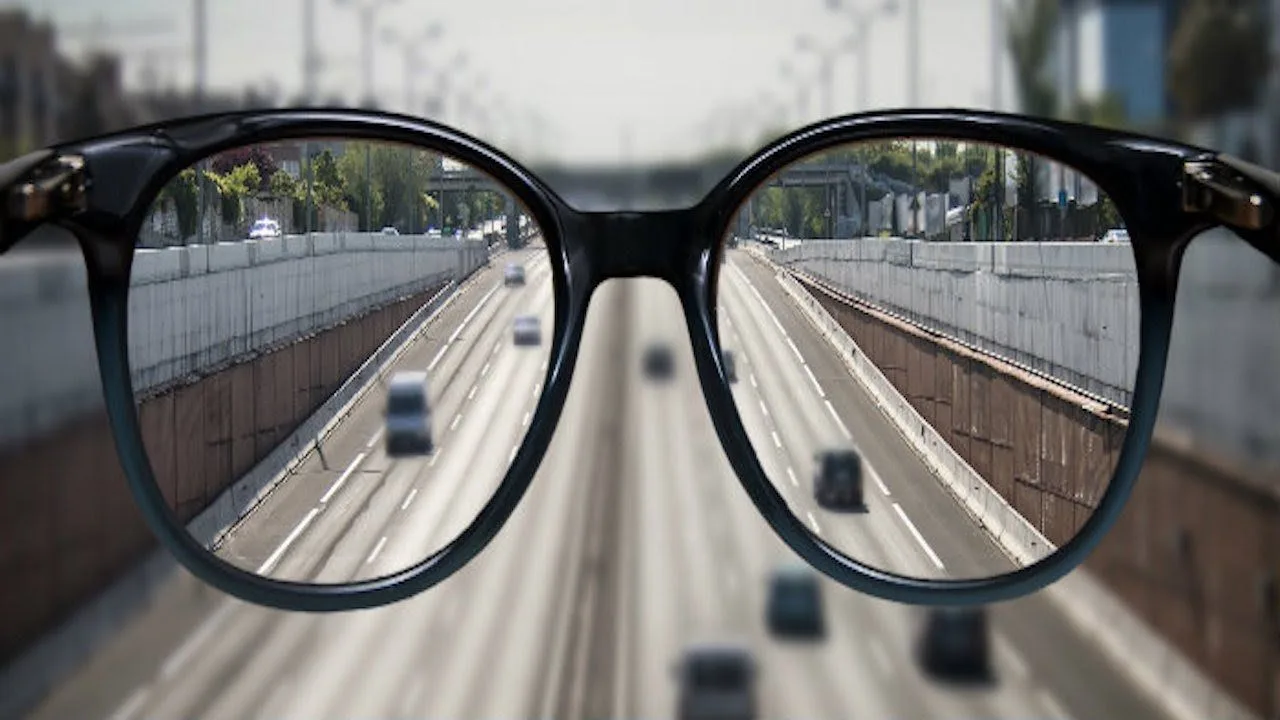
Some patients experience blurring in one eye or in both after surgery. Blurring after a laser operation is in fact a natural part of the process and is temporary. In certain more complex situations, however, a doctor may need to be consulted.
After laser eye surgery, improvement and recovery are expected to be equal in both eyes. Some people experience more blurring or a greater vision problem in one eye, however. There are several reasons for this. They can be listed as follows:

- The recovery of each eye may proceed differently. While one eye recovers more quickly than the other, vision problems can be experienced in the slower eye.
- In some people the pressure within the eye rises after surgery, which causes the eye to see blurred.
- Dryness of the surface of the eye after laser surgery is very much to be expected, because tear production falls after the operation. This is among the factors that cause dryness and blurred vision. Using artificial tears clears both the dryness and the blurring it causes.
- Although it is very rare, infections appearing in the cornea can cause blurred vision. The procedures applied to the cornea during laser surgery can likewise cause oedema, which leads to swelling and temporary disturbance of vision.
- If there was a difference between the prescriptions of the two eyes before surgery, one eye can adapt differently or over a longer period afterwards, which can lead to blurring in that eye.
How Long Does Blurring Last After Laser Eye Surgery?
The question of how long blurring lasts after laser eye surgery is as common as the question of why it forms. It varies with the recovery of the eye and from person to person. The situations that affect how long the blurring takes to clear are:- If the blurring is present because an infection has formed in the eye, the infection is treated. As it subsides and clears, the blurring clears with it.
- If there is oedema in the cornea, the blurring clears within one to two weeks depending on how long the oedema takes to settle.
- If dry eye has formed after surgery and is causing the blurring, it is treated within a few days with artificial tear drops.
- Mild blurring is possible after laser until the prescription settles completely. This process can take between three and six months while the treated eye adapts. After SMILE most patients return to daily activities the next day, although sharpness may settle a few days later than after LASIK; after No Touch Laser and PRK, sharpness takes longer to settle and stabilisation can take months.
- The eyes must not be strained after surgery. The first few weeks matter a great deal for recovery. During this period, long periods at a screen should be avoided, heavy light exposure avoided and too much reading avoided.
- By using artificial tears, the eyes are kept moist, dryness is prevented and blurring is stopped from forming.
- Protection from sunlight matters a great deal after laser surgery, so special glasses with UV protection should be worn. Light can harm the eye and increase blurring, which is why protective glasses are recommended for the first few weeks after surgery.
- During recovery, meals rich in omega 3 fatty acids and vitamins matter a great deal in helping the eyes to recover more quickly.
- For people who will be spending time outdoors, protective glasses may not be attractive. In that case sunglasses should be worn.
Is Blurred Vision After Laser Eye Surgery Dangerous?
Blurred vision after laser eye surgery is generally a natural part of the process and a temporary situation. It is expected to clear by itself within a few weeks. In some patients, however, the process can be very prolonged or the degree of blurring can be considerable. In that case an ophthalmologist should be contacted promptly and an examination carried out against the risk of infection. Abrasions of the cornea and, rarely, regression after the operation (the prescription partly returning) can cause blurring and a longer recovery. Taking precautions promptly and consulting a doctor matter in that case. In LASIK surgery, an incision is made in the cornea and it is lifted in order to reach the layer beneath the corneal flap. During this the epithelium forming the outer layer of the cornea can grow, which can lead to a number of complaints and to blurred vision. In some patients, changes in the refractive error of the eye can naturally cause blurring for a while. Whether there is a problem beyond the natural course of the operation emerges through the check-ups that follow it, which is why post-operative check-ups must never be neglected.When Should You Contact a Doctor Immediately?
In the first days after laser eye surgery, mild stinging, watering, sensitivity to light and fluctuating vision can be seen. The following situations, however, may fall outside the normal course of recovery. If such a sign develops, you are advised to contact your doctor without waiting:- Increasing or severe eye pain, particularly where it becomes more pronounced hour by hour
- Vision growing steadily worse, or sudden noticeable blurring
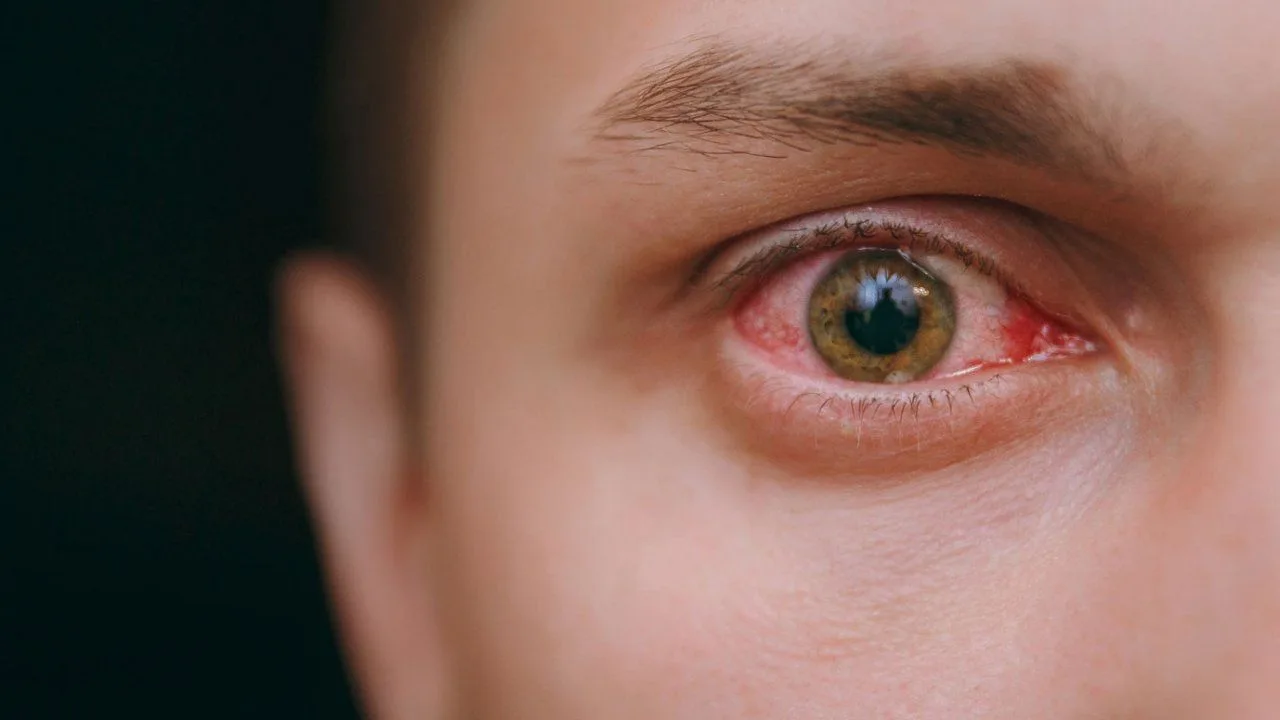
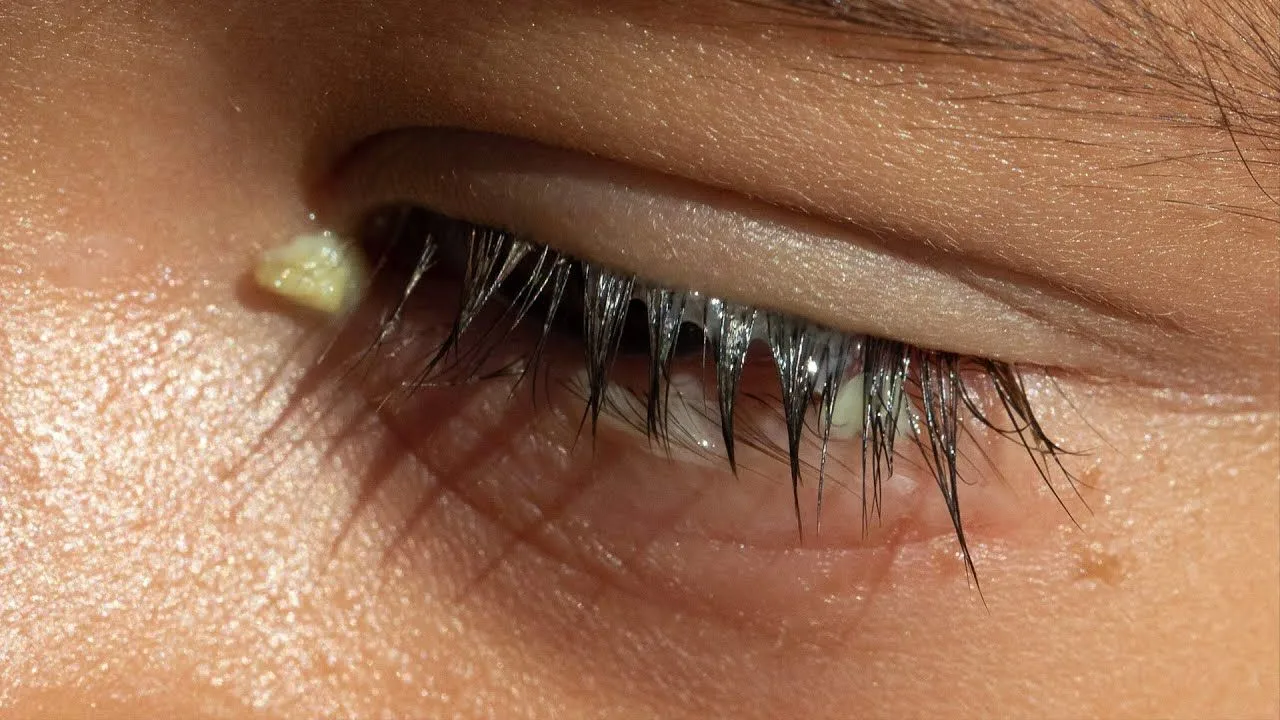
- Heavy redness together with discharge, which may need assessment for infection
- A marked increase in sensitivity to light, at a level more troubling than usual
- Noticeable swelling of the eye, excessive watering or a feeling that the lid is closing, and complaints increasing rapidly despite the drops the doctor has given
What to Pay Attention to After Laser Eye Surgery
What to pay attention to after laser eye surgery holds factors that matter a great deal in speeding recovery. The first week afterwards is a period that calls for particular care. Do not shower for the first 24 hours; for the first week do not let water, soap or shampoo get directly into the eyes; avoid swimming pools and the sea for about 20 days. Otherwise problems such as infection can follow. No make-up should be worn on the eye for a few weeks after surgery. Cosmetic products, powder make-up and make-up removers can harm the eye and lead to infection. Certain perfumes and other chemical products should never be allowed to touch the eye and should be used carefully. Any activity that would strain the eye should also be avoided. If the eye is strained too much, complaints such as eye fatigue and dry eye can follow. Stinging, burning, redness and watering can be seen in the eye after surgery. Like blurred vision, these are entirely normal signs. If the symptoms worsen, however, a doctor should always be consulted.Frequently Asked Questions
- 1
Is blurred vision normal after laser?
Yes, blurring, sensitivity to light and fluctuating vision are common in the first hours and even days. They generally lessen as recovery progresses. (Source: American Academy of Ophthalmology) - 2
How long does the blurring last?
The time varies with the method: vision recovers quickest after LASIK; after SMILE most patients return to daily activities the next day, although sharpness may settle a few days later than after LASIK; with No Touch, PRK and TransPRK sharpness can take longer to settle and stabilisation can take months. (Source: Moorfields Eye Hospital) - 3
Is it bad if one eye sees more blurred than the other?
The two eyes may not recover at the same rate. If the difference is marked, however, or if it is increasing, a check-up is recommended. - 4
Does dry eye cause blurring?
Yes. Dryness is among the common causes of temporary blurring and stinging. Artificial tears generally help; if the complaint continues, the doctor's plan matters. (Source: Mayo Clinic) - 5
When should I see a doctor urgently?
Where there is severe pain, increasing redness or discharge, vision growing steadily worse, or a marked increase in sensitivity to light, a check-up is needed without delay.