




Eye Diseases
What Are the Types of Eyes?
- Kudret Eye Istanbul
- Last updated:
- 6 min read
- Medically reviewed by Op. Dr. Mehmet Ali Özdil
The types and shapes of eyes are often thought to be among the factors affecting eye health. The shape of the eye does not affect its health, however. Regular check-ups and resting the eyes matter a great deal for a healthy eye.
The shape of the eye can be divided into types according to vision and genetic factors. The most common eye shapes worldwide can be listed as follows:
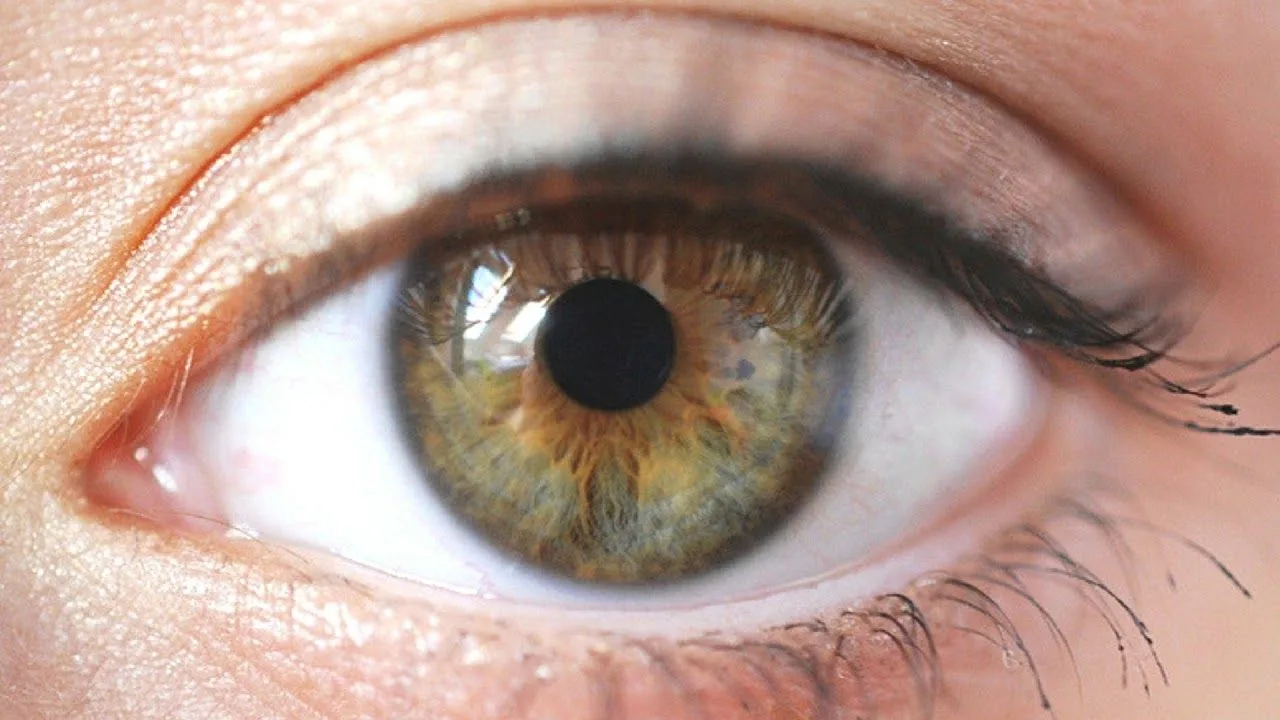
- Round eyes: an eye shape with a large and prominent iris. It is one of the more distinctive types.
- Monolid eyes: these generally appear in people of Asian origin and have a narrower eye opening.
- Almond eyes: described as the ideal eye form. The eyes are slightly upturned with an outer corner.
- Deep set eyes: in this type the eye is positioned noticeably inwards.
- Prominent eyes: the opposite of deep set eyes, with a structure that sits noticeably forward.
What Are the Types of Eye Surgery?
Protecting eye health matters a great deal if a person is to carry on with their daily activities. With advances in technology, many methods have emerged for improving or protecting vision. The operations carried out most commonly are:- Cataract surgery: in people with this condition the lens of the eye becomes cloudy and refractive problems appear. During cataract surgery the clouded lens is cleared and replaced with an artificial lens.
- Glaucoma surgery: the aim in glaucoma surgery is to lower the pressure within the eye. It is a surgical operation.
- Squint surgery: squint appears when the eye muscles have difficulty aligning. During this operation the eye muscles are corrected so that they align properly.
- Eyelid surgery: in this type of operation drooping eyelids are corrected and the person's comfort in life is improved.
- Vitrectomy: the aim of this operation is to clear bleeding that has formed within the fluid of the eye, a foreign body within the eye or an infection. The purpose is to return the retina, the nerve layer of the eye, to its anatomical state.
- Intraocular lens surgery: this type of operation aims to treat refractive errors such as myopia, hyperopia and astigmatism. Specially engineered lenses are placed in the position of the eye's natural lens. It is also used in the treatment of cataract.
- Multifocal lens surgery: multifocal lenses have become very popular in recent years. They generally suit patients with cataract, although they are also chosen by people over forty who do not want to wear glasses. They focus not on solving a single problem but on solving several. After treatment it is possible to see clearly at distance, at near and at intermediate ranges without glasses.
- Monofocal lens surgery: lens surgery can be applied to the patient during cataract surgery. The aim of the operation is to remove the eye's natural lens surgically and place an artificial lens in its position.
- EDOF lens surgery: through this operation the aim is for the patient to see clearly at distance and intermediate range without being tied to a single focal point. It is carried out surgically; the need for glasses is reduced, although reading glasses may still be needed for small print.
Laser Types That Can Be Applied to the Eye
With the development of technology, laser procedures have come to the fore in eye conditions in place of surgical operations. The laser types that can be applied to the eye vary with the condition and with the treatment to be carried out. The most popular are:- LASIK: one of the laser surgery types in which a thin flap is lifted on the cornea and the tissue beneath is then reshaped with an excimer laser.
- PRK: a laser technique used to remove the epithelium on the surface of the cornea entirely.
- iLASIK: one of the most comfortable laser methods. It is a refractive surgery method used to solve vision problems, comfortable for both patient and surgeon. The patient returns to daily activities within a short time.
- SMILE: this laser type is generally carried out with fewer incisions, which reduces the risk of dry eye after the operation. It is one of the new generation laser methods.
- No Touch Laser: known to everyone as No Touch Laser, this is Trans PRK laser eye surgery. It is one of the comfortable laser methods and is carried out without touching the eye.
Which Conditions Can Form in the Eye?
Many factors affect eye health, and a great many conditions appear in the eye as a result. Carrying out treatment regularly and not neglecting check-ups matter a great deal. The most common conditions that can form in the eye are:- Myopia: one of the most common eye conditions. People with it have difficulty seeing clearly at distance.
- Hyperopia: the opposite of myopia, difficulty seeing clearly at near.
- Astigmatism: people with astigmatism cannot see clearly at near or at distance. Their vision is blurred.
- Presbyopia: the loss of near vision that appears with age.
- Keratoconus: distortion of the shape of the cornea for various reasons.
Types of Eye Colour
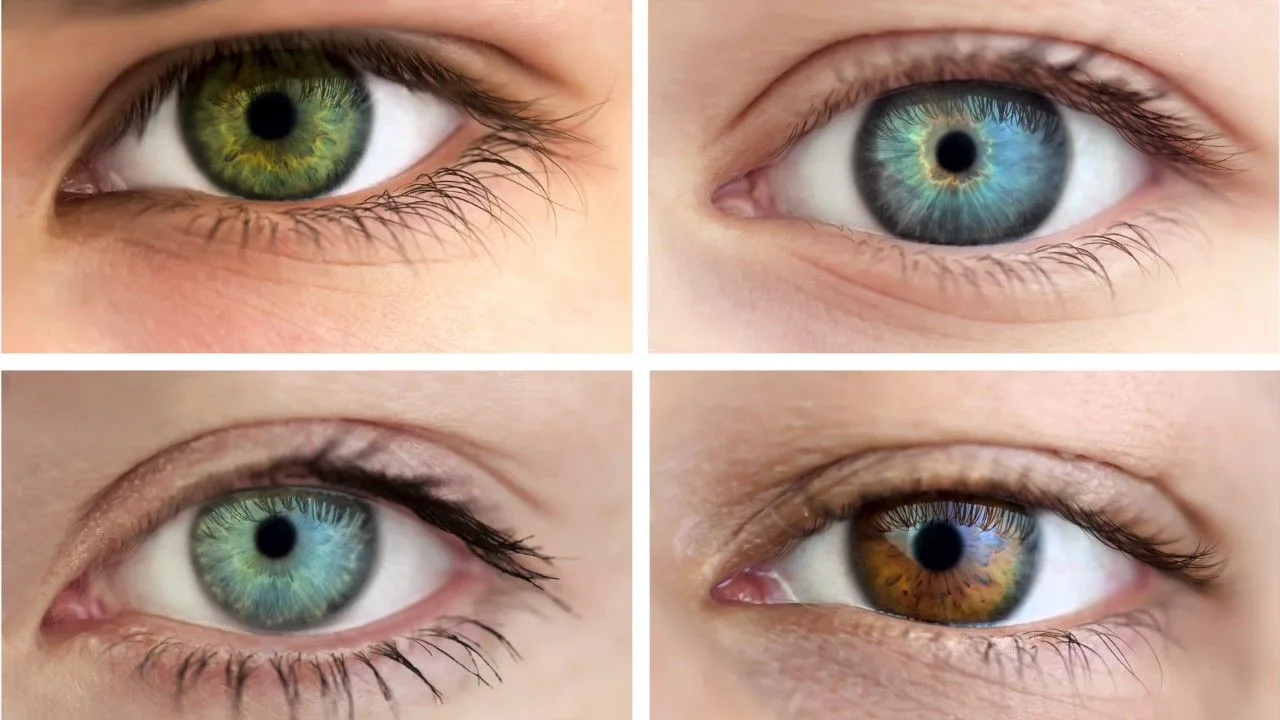
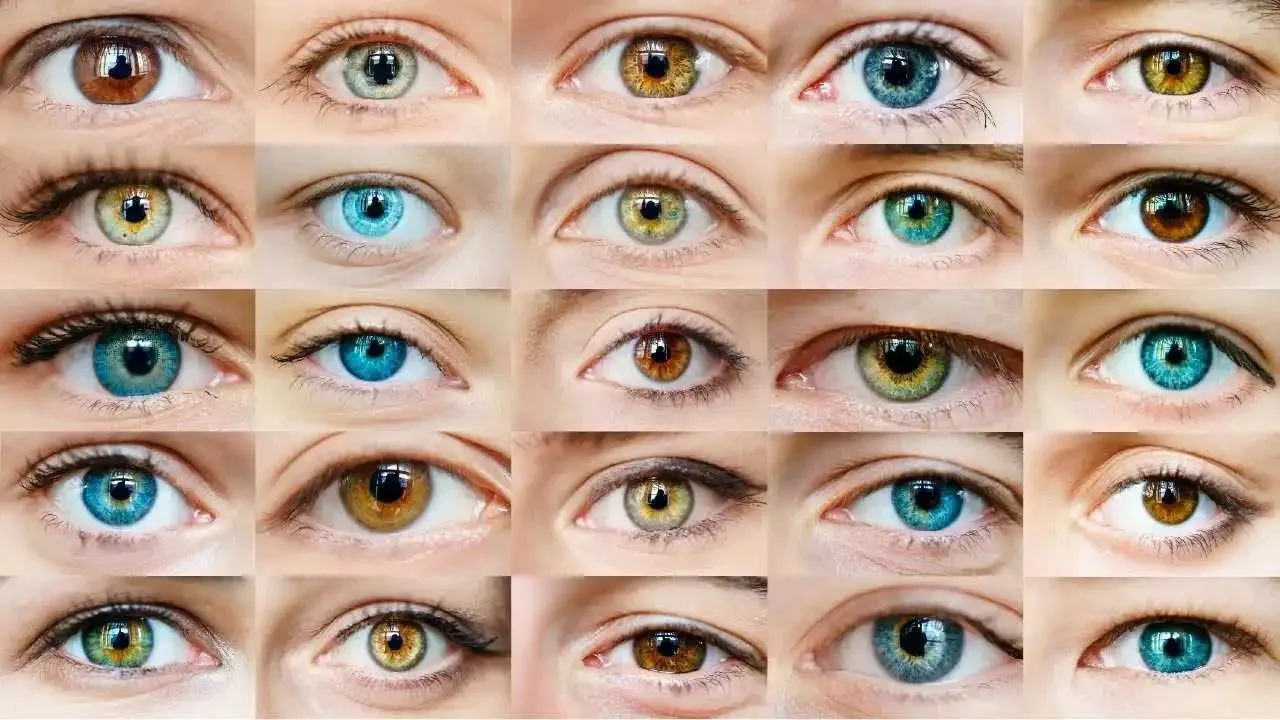
Eye colour varies from person to person according to genetic factors. There are many eye colours in different shades. The most common are:- Brown: one of the most common eye colours worldwide.
- Blue: a colour arising where the body contains less melanin, and genetically rare.
- Green: one of the rarest eye colours worldwide.
- Hazel: a mixture of brown and green, and the number of people with this colour is very small.
- Grey: an eye colour in a cool tone, resembling blue but not as vivid.
Laser Types Used in Laser Eye Surgery
The laser types that can be used in laser eye surgery vary with the structure and shape of the eye and with the condition. To gain the best result, the most appropriate method has to be determined, and seeing a specialist matters a great deal for that. One of the methods used most often in laser surgery is standard LASIK. Patients treated with this method generally recover within a short time and return to their daily activities more quickly. In the Wavefront LASIK technique, measurements are taken individually for each person. Through the method carried out with those measurements, rapid recovery is seen in patients and the recovery period is completed very quickly. The SMILE laser method is carried out with minimal incisions. Because those incisions are very small, it is a comfortable method for both patient and surgeon. As a new generation procedure it proceeds positively for both sides.Types of Eye Allergy
Types of eye allergy can develop according to environmental factors and to a person's immune system. The most common types worldwide are:- Seasonal allergic conjunctivitis: people with this allergy generally show symptoms in the spring months.
- Contact lens allergy: an allergic reaction arising from wearing lenses for a refractive error.
- Giant papillary conjunctivitis: one of the types of allergy that appears in people who have worn lenses for a long time.