




Eye Diseases
How Do People with Myopia See?
- Kudret Eye Istanbul
- Last updated:
- 5 min read
- Medically reviewed by Op. Dr. Mehmet Ali Özdil
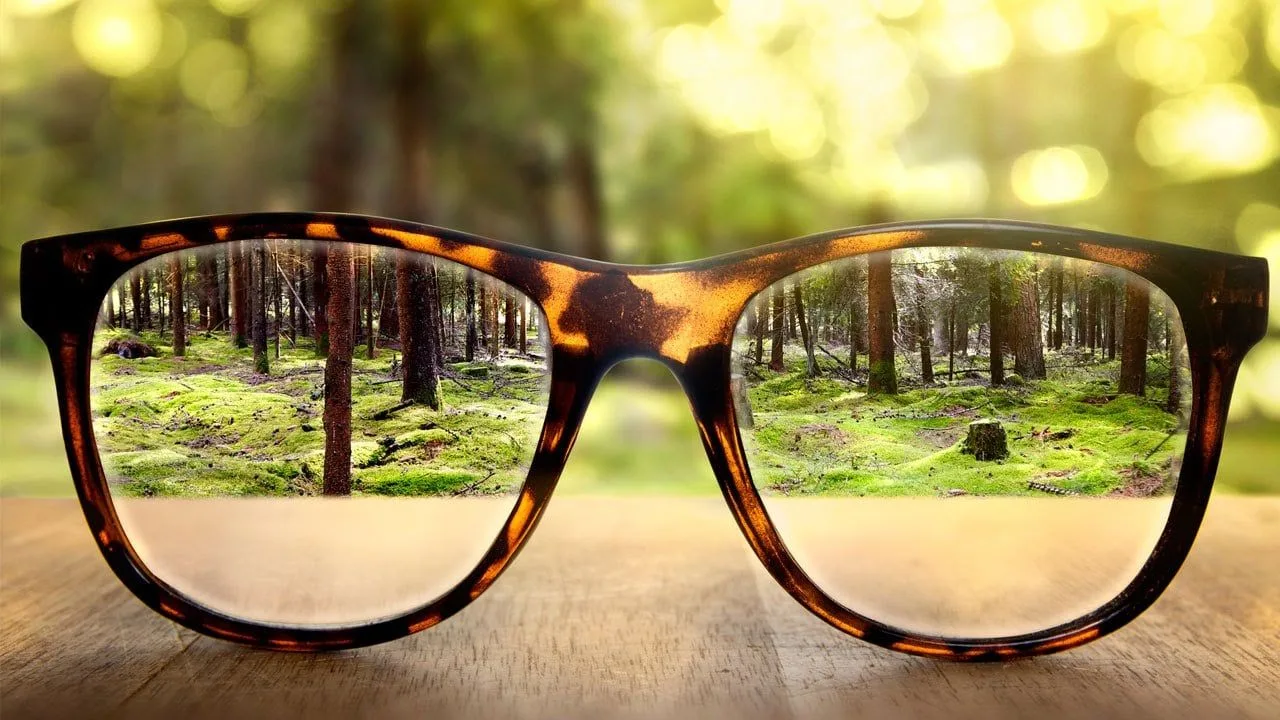
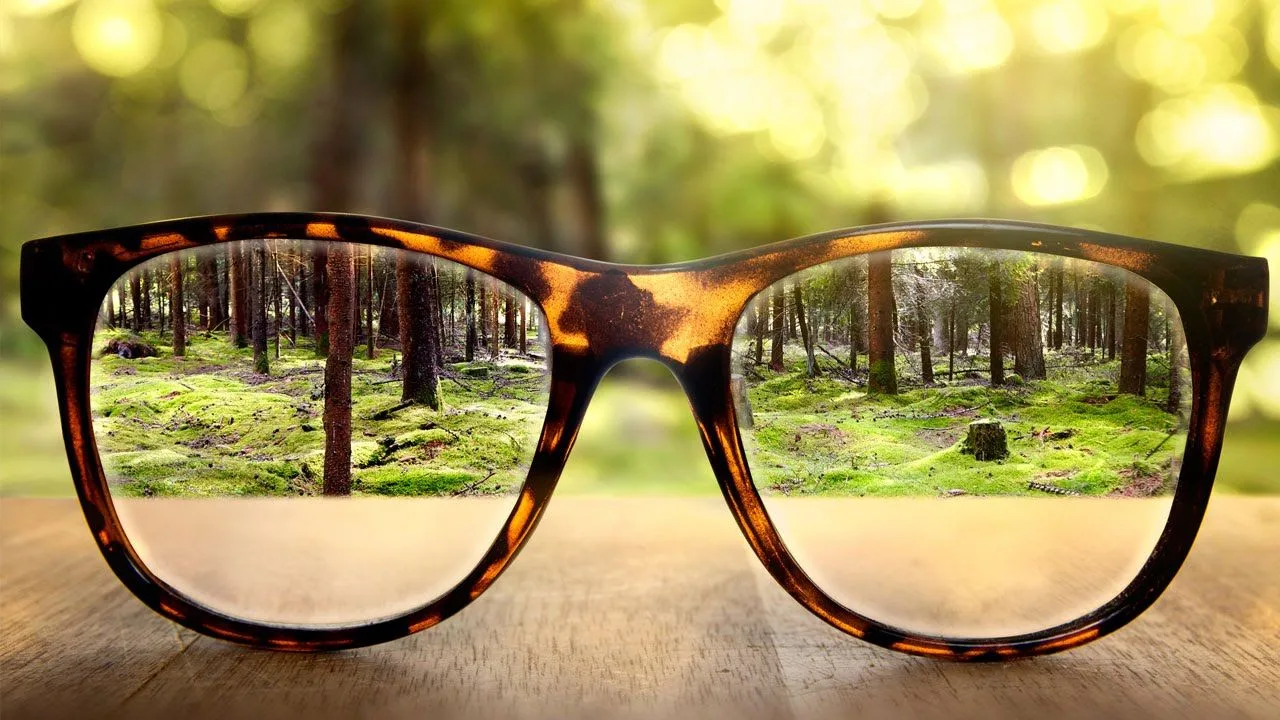
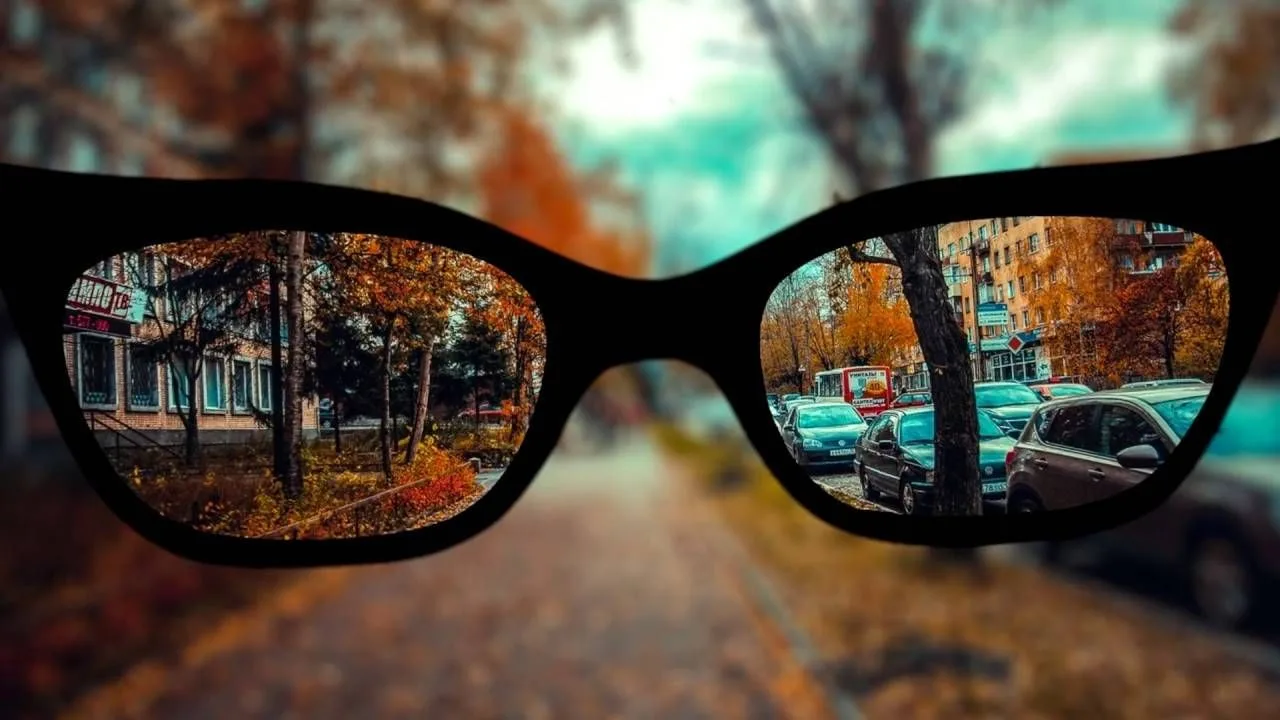
To give the best known answer to how people with myopia see, they see nearby objects clearly. When looking at distant objects, however, they meet a blurred image or one that does not come into focus. Myopia and hyperopia are generally the eye conditions most often confused with one another.
Because people with myopia have no difficulty seeing nearby objects, they generally have no trouble with their daytime activities. In activities at night, however, life becomes harder because they cannot see friends at a distance, the area around them, road signs, signage or shelves.
Where myopia reaches a high degree, more than one condition can appear alongside it. As myopia advances, the risk of serious conditions such as retinal detachment, cataract and glaucoma increases, and with it the likelihood of problems threatening eye health and vision. People with myopia should therefore attend check-ups at regular intervals and not neglect their treatment.

What Causes Myopia?
There is more than one answer to what causes myopia. Myopia has increased among young people in recent years in particular, the most basic reason being that our habits have changed. The causes of myopia are:- Genetic factors: genetic predisposition is a major factor in myopia appearing in children and young people alike. The risk is higher in people with myopia in their family.
- Lifestyle: as we have entered the modern age, diagnoses of myopia have increased. The reasons are not making enough use of daylight, spending more time with smartphones and tablets, environmental factors and poor lighting.
What Are the Symptoms of Myopia?
One of the clearest features among the symptoms of myopia is being unable to see at distance. Alongside that, seeing distant objects as blurred is one of the early signs. In people with myopia, squinting in order to see distant objects and headache arising from it are counted among the symptoms. The others are:- Seeing distant objects, signs or text as blurred
- Difficulty seeing while driving at night
- Squinting in order to see an area clearly
- Headache
- Rubbing the eyes frequently
- Tiredness of the eyes
- Bringing a book or newspaper closer in order to see the text
- Difficulty seeing into the distance
- Squinting while looking, and turning the head down or to the right or left while doing so
- The eyes turning
- Loss of appetite or frequent lapses in concentration
- Moving closer to the television while watching it
- Difficulty reading or writing
- Beginning to see objects double because of focusing problems
- Feeling eye strain and touching the eyes frequently
Can Myopia Be Prevented?
There is no way of preventing myopia entirely. There are ways of slowing myopia, however, so that it can be slowed before greater problems arise. One of the first things to observe in slowing myopia is making use of daylight. Natural light increases the level of dopamine in the eye, which both reduces the risk of myopia and slows its progression. One to two hours of daylight is very beneficial for adults and children alike. Using diluted atropine drops on a doctor's advice is also among the treatments. Atropine drops work by relaxing the muscles that govern focusing, which helps to slow the progression of myopia. It is healthiest, however, for the doctor to recommend it and for a specialist to decide whether it suits you.
How is Myopia Diagnosed?
Myopia can be diagnosed within a short time through eye examinations and certain tests carried out by specialists. It emerges quickly through vision tests and methods such as reading the letters on a chart. To be more certain of the diagnosis, a retinoscope and a phoropter can be used to examine the refractive error and the state of the retina.How is Myopia Treated?
Treatment differs for many of the people diagnosed with myopia. It should not be forgotten that treatment for myopia varies with the person's situation, with the degree of myopia and with their medical history. The treatments the doctor recommends and regular check-ups should not be avoided. The methods used most in treatment are wearing glasses or contact lenses. Glasses and contact lenses do not treat myopia, but they make vision clearer. Alongside them, laser treatment has been carried out in recent years. During and after laser treatment, regular check-ups and the use of the necessary medication and ointments matter a great deal.Frequently Asked Questions
- 1
Does myopia heal completely?
Myopia is permanent, although it can be corrected with glasses, lenses or laser treatment. - 2
How can I slow the progression of myopia?
Spending time in daylight, limiting screen time and, on a doctor's advice, using atropine drops or special contact lenses can all help. - 3
Does myopia advance more quickly in children?
Yes, myopia tends to advance during the growing years in particular. Regular eye examinations matter a great deal. - 4
Can laser correct myopia completely?
In suitable candidates, myopia can be corrected permanently with laser treatment. Suitability varies from person to person, however. - 5
Why does myopia affect night vision?
In people with myopia the pupil widens in low light and blurring increases, which makes night vision harder. What is a Contact Lens and What Types Are There?