




Eye Diseases
What is Good for Eye Inflammation?
- Kudret Eye Istanbul
- Last updated:
- 4 min read
- Medically reviewed by Op. Dr. Mehmet Ali Özdil
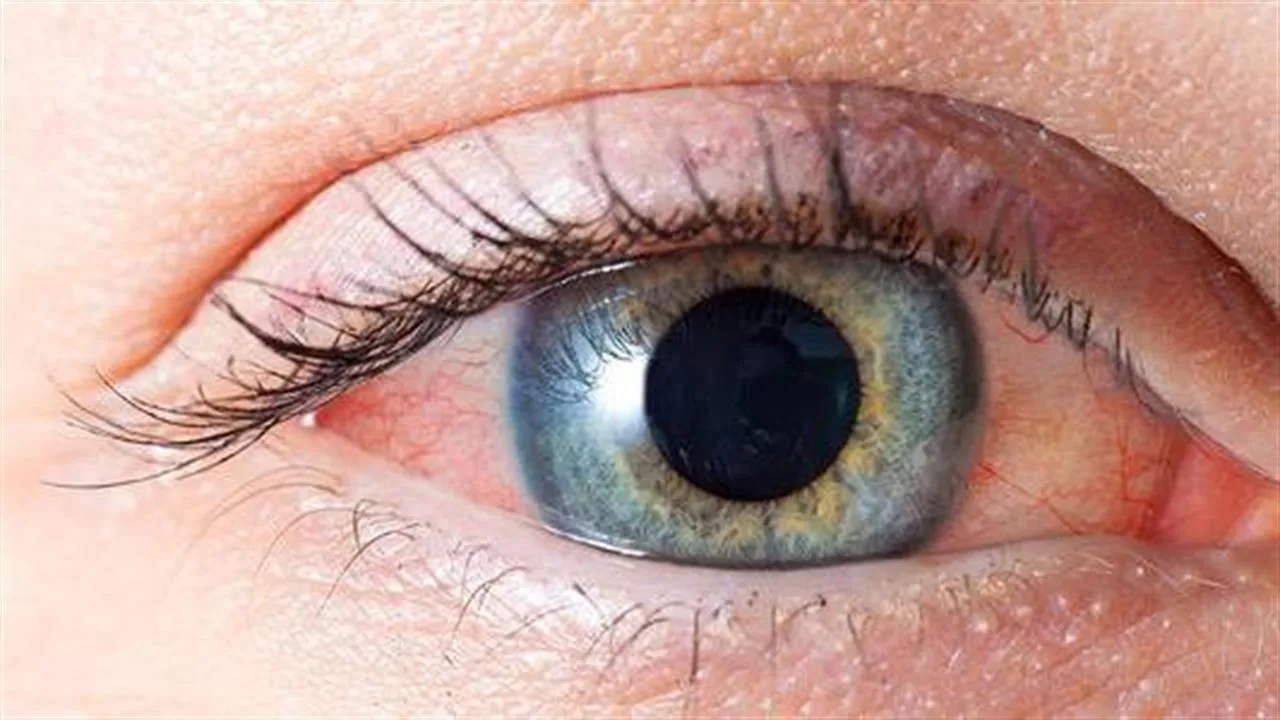
Eye inflammation is something many people meet from time to time. Its causes vary from person to person. It generally forms through germs picked up in the working environment, or through neglecting eye care.
When eye inflammation forms, a person should first consult a doctor. Following the examination they should use the ointment and drops given at regular intervals, so that treatment takes place within a short time.
What Causes Eye Inflammation?
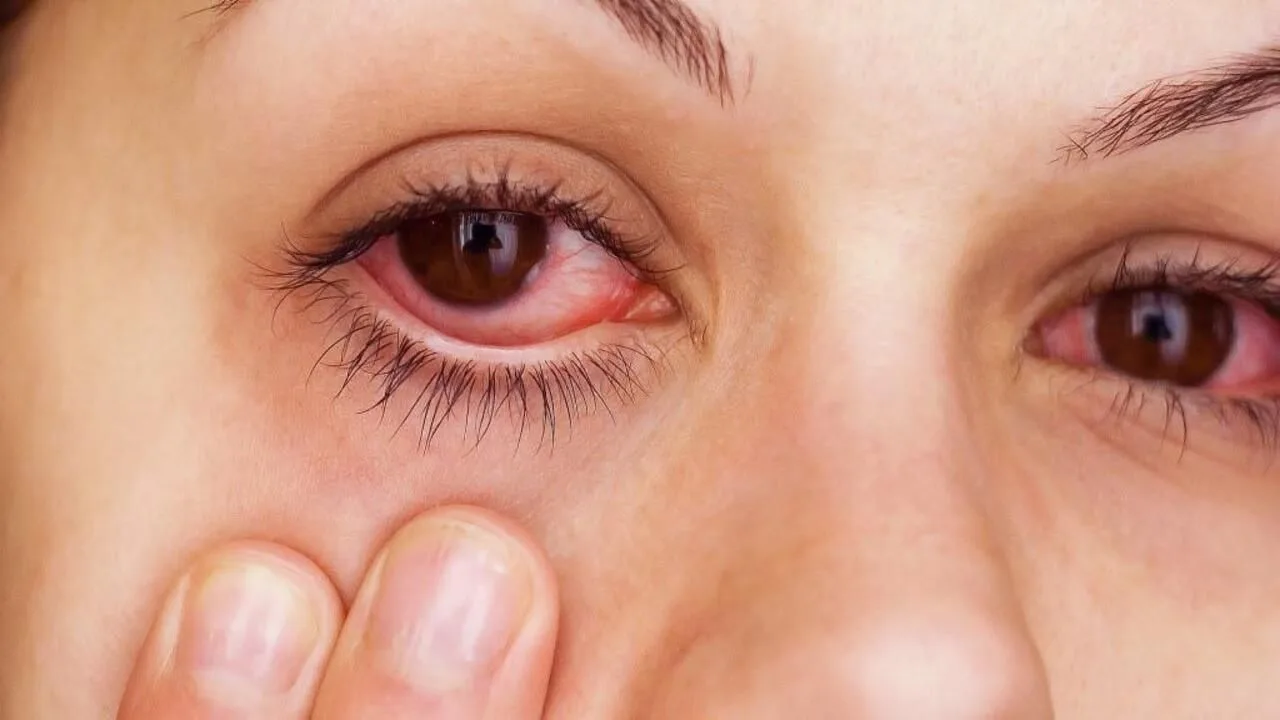
There is more than one answer to what causes eye inflammation. There can be many reasons for it forming, and choosing the treatment according to the cause matters a great deal. The most common causes are:- Conjunctivitis: this is one of the most common causes of eye inflammation. It generally affects the inner surface of the eyelids and the white of the eye. It can form for bacterial, viral or allergic reasons.
- Uveitis: in this type, inflammation forms in the uveal layer within the eye. It can form through infection, through problems with the immune system or through trauma, and it can lead to serious sight loss.
- Keratitis: this appears through inflammation of the cornea. It generally arises through injury, through infection and through the wearing of contact lenses.
What Are the Symptoms of Eye Inflammation?
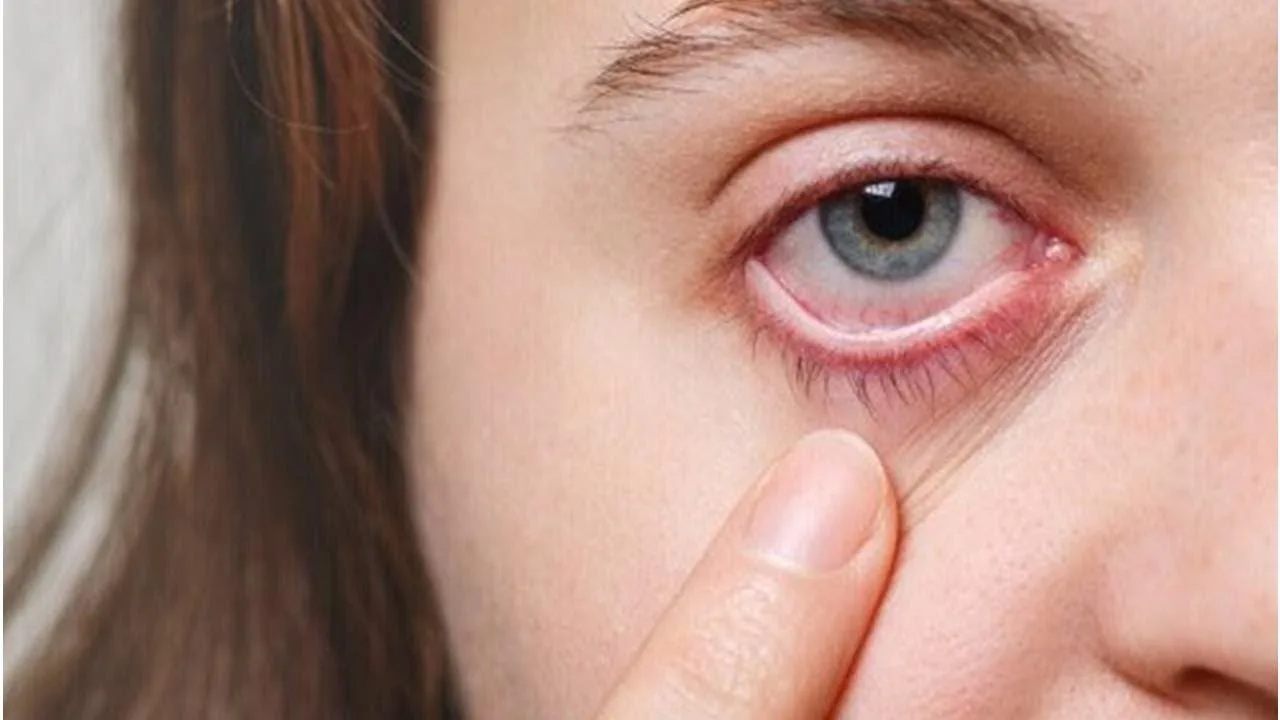
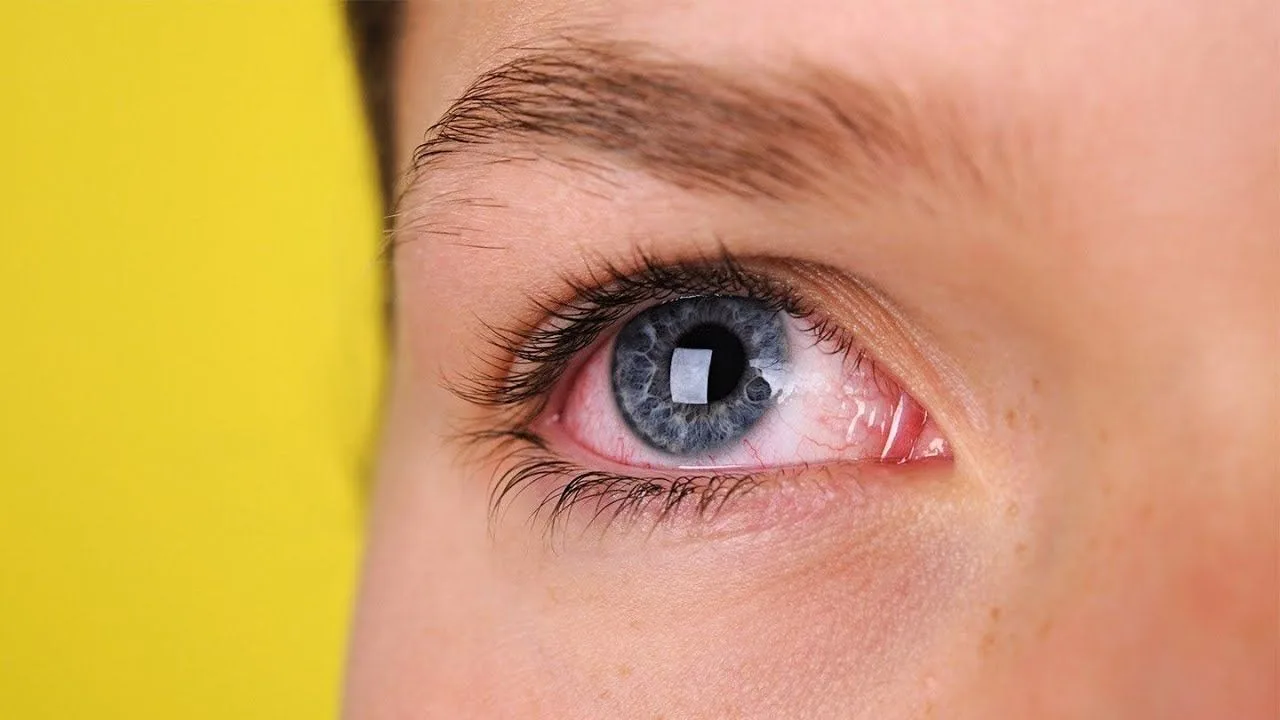
The symptoms of eye inflammation vary with its state, its type and its severity. There are general symptoms, however, and they are as follows:- Redness forming in the eyes, and the white of the eye and the lids in particular turning red.
- Visible swelling of the eyelids and of the tissues around the eye.
- Tenderness of the eyes and pain arising from it.
- Excessive watering or burning of the eyes compared with normal days.
- Itching or stinging in the eyes.
- Green or yellow discharge forming in the eye.
- Blurred vision while carrying out daily activities, and increased sensitivity to light.
Which Conditions Can Follow Eye Inflammation?
Eye inflammation first shows itself through its symptoms. Where those symptoms are not taken seriously, where treatment is not carried out or where the wrong treatment is applied, conditions can form through complications. Conditions that permanently affect eye health are possible as a result. The conditions that can follow eye inflammation are:- Corneal ulcer: this condition generally occurs in people with untreated keratitis. It can leave the person facing serious sight loss.
- Permanent damage to the eye: in serious inflammation such as uveitis, where treatment is not carried out correctly or is neglected, a risk forms for vital areas of the eye such as the retina and the optic nerve.
- Sight loss: where eye inflammation is left untreated and serious inflammation continues, permanent sight loss is possible.
- Scarring of the eye: in long-term eye inflammation, scar tissue forms in the eye. Where it does, both aesthetic problems and a decline in the quality of vision follow.
How is Eye Inflammation Diagnosed?
The right diagnosis and treatment matter a great deal in eye inflammation. Making the diagnosis and carrying out treatment according to the patient's situation is critical. Ophthalmologists use various methods in diagnosing eye inflammation. One of the first methods used at the diagnosis stage is an eye examination. During it, the structures of the eye such as the eyelids, the cornea and the retina are examined in detail. Laboratory tests then follow. Laboratory tests are generally applied in patients where bacterial or viral infection is suspected. Samples are taken from these patients and examined, and through that examination the type of micro-organism causing the infection is identified. Inflammation can also raise eye pressure. In situations such as uveitis in particular, where pressure within the eye rises, the situation can be assessed by measuring eye pressure.How is Eye Inflammation Treated?
Treatment of eye inflammation varies with the type and the severity of the inflammation. The aim is to bring it under control before it advances and to clear it. The methods that can be applied are:- In treating bacterial infection, ointments or eye drops containing antibiotics can be used.
- For viral infections, oral medication or antiviral eye drops are used.
- In patients with serious inflammation such as uveitis, treatment can take place with eye drops containing steroid. Steroid eye drops must always be used under a doctor's supervision, however: incorrect or excessive doses can lead to serious health problems.
- People who wear contact lenses are advised to stop wearing them for a period.