




Eye Diseases
Why Corneal Thickness Matters in Laser Surgery
- Kudret Eye Istanbul
- Last updated:
- 5 min read
- Medically reviewed by Op. Dr. Mehmet Ali Özdil
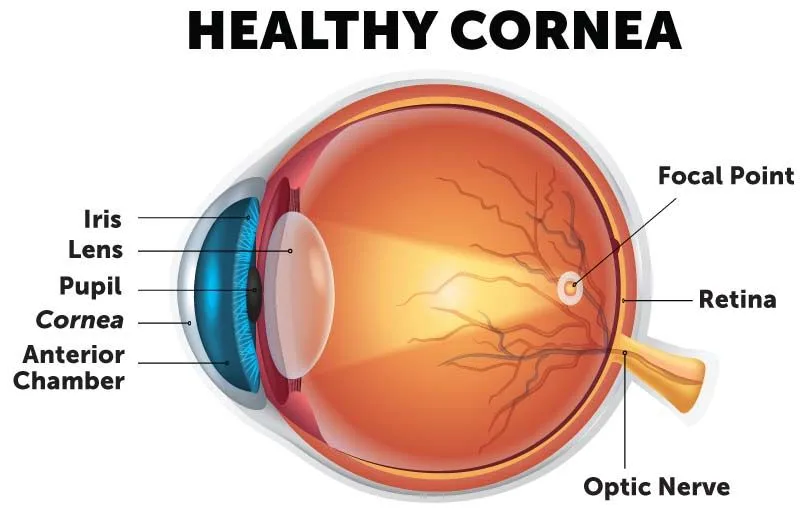
The question of why corneal thickness matters in laser surgery is asked by people who want the operation. Laser eye surgery is a popular treatment applied to improve vision permanently without contact lenses or glasses. Many important factors determine whether it succeeds, and one of them is corneal thickness. This layer, the transparent front surface of the eye called the cornea, has to be thick enough for the operation to proceed safely.
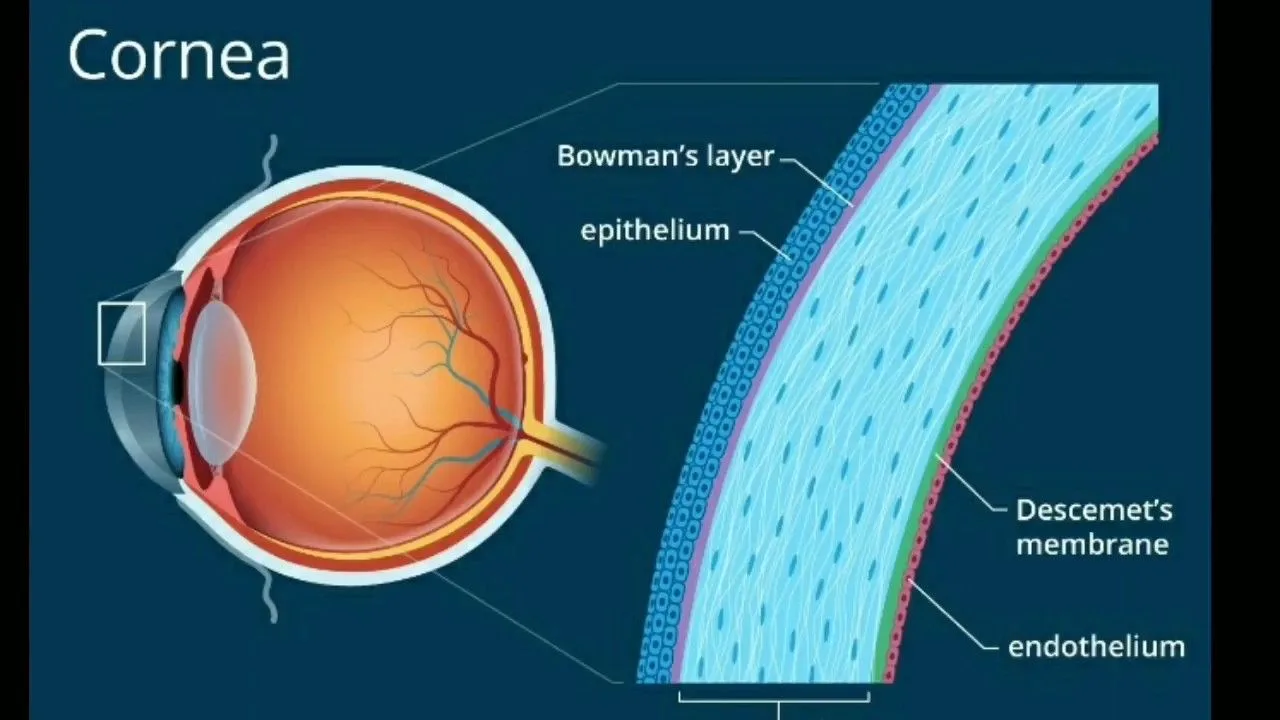
Corneal thickness is determined by measuring the distance between the front and back surfaces of the cornea. During laser eye surgery, which falls under refractive surgery, the cornea has to be thick enough for the necessary part to be removed properly so that the correction wanted can be achieved. Otherwise, where the cornea is very thin, it can be damaged during the operation.
Corneal thickness varies from person to person. Genetic factors, past conditions and age can all affect it. Whether a person is suitable for laser eye surgery is therefore tested according to their corneal thickness.
The Effect of Corneal Thickness on Laser Surgery
The effect of corneal thickness on laser eye surgery is extremely great. If the cornea is not thick enough, some laser methods cannot be applied. Because the aim of this operation is to remove astigmatism, myopia and hyperopia, the cornea is reshaped. Where the cornea is very thin, the risk of complications during surgery rises considerably. Complications relating to the cornea can lead to other vision problems, and other treatments may be needed to correct them. Because problems can also arise where the cornea is very thick, all checks must be carried out before surgery. Corneal thickness is always measured by the doctor before laser eye surgery. These measurements are carried out painlessly with special devices.
Measuring Corneal Thickness
Corneal thickness is measured with a special device called a pachymeter, and the test is called pachymetry. During the procedure the person looks into the machine and the cornea is measured in micrometres. There are different laser eye operations, such as iLASIK, ReLEx SMILE PRO, PRK and No Touch. For each procedure to be carried out successfully, corneal thickness has to be sufficient. iLASIK and ReLEx SMILE PRO may not be chosen in people with a cornea below 500 micrometres, although alternative methods such as PRK (No Touch Laser) or ICL can be considered. Another procedure applied most often is PRK, which is recommended for people with a thinner cornea. Whether this procedure suits a person with a thin cornea must also be assessed by the doctor. There are many methods for correcting refractive errors in people with a thin cornea as well. Although laser types such as iLASIK and ReLEx SMILE PRO are not a suitable option for people with a thin cornea, ICL and PRK are alternative treatments applied to those whose corneal thickness is below average. The PRK method covers the removal of the outer layer of the cornea, called the epithelium, and the reshaping of the tissue beneath it with a laser. This type of operation is suitable for people with a thin cornea. ICL implantation does not affect the cornea. It is among the effective treatments recommended for people with a thin cornea.Examination Before Laser Eye Surgery
An examination before laser eye surgery is carried out for every patient. People undergo a comprehensive assessment beforehand, including pachymetry and measurements such as eye pressure. Following these assessments, whether the person's eye structure and cornea are suitable for surgery emerges. During the examination the ophthalmologist carries out many tests, corneal thickness among them. For people considered suitable for laser eye surgery, the planning stage follows. Corneal thickness is assessed in particular, and the most appropriate of the surgical options wanted or recommended is planned. Alongside corneal thickness, the tests carried out before surgery include a comprehensive health screening of the eye. Whether the person's prescription is stable, and whether there are other problems, are both checked.
What to Observe After Laser Eye Surgery
What to observe after laser eye surgery is explained to the patient by the doctor before and after the operation. Every surgical procedure carries a degree of risk, and eye operations naturally hold certain risks too. What can happen during surgery, and the patient's own situation, both matter a great deal. These risks are explained to the patient beforehand. Certain common side effects can be met after laser eye surgery and they are entirely normal. Afterwards it matters a great deal to follow the doctor's instructions, to stay away from the sun or protect against it, and not to scratch or touch the eye. People can feel stinging and burning in the eye after surgery, which is quite normal. These signs continue for a few days and then lessen. Dry eye or watering of the eye can also be seen. Patients should protect themselves from the sun or wear special filtered glasses for the period the doctor determines. Do not shower for the first 24 hours; for the first week do not let water, soap or shampoo get directly into the eyes; avoid swimming pools and the sea for about 20 days. The refractive errors of people who have laser eye surgery improve to a very great degree. Some patients give up glasses and lenses entirely. In very large refractive errors the prescription falls, although glasses or lenses with a very small prescription can sometimes still be worn. For small prescriptions these options are sometimes not used at all. Thanks to advances in technology, operations take place far more easily and quickly, laser eye surgery among them. Thanks to technology, confidence in the methods used in eye surgery increases by the day. With an experienced specialist surgeon and quality equipment, it is possible to be treated with the risks kept to a minimum.Frequently Asked Questions
- 1
Why does corneal thickness matter for laser surgery?
The cornea is reshaped with the laser. Sufficient thickness is needed for a safe operation. - 2
Can I not have laser if my cornea is thin?
Some methods may not be suitable, but alternative treatments such as PRK or ICL are possible. Your doctor will assess this. - 3
How is corneal thickness measured?
Measurement is taken at the micron level with a pachymetry test. The procedure is painless and quick. - 4
What can be experienced after laser surgery?
Stinging, burning or dryness can occur in the first days. These generally lessen within a few days. - 5
Will my vision be corrected completely after surgery?
The aim of laser surgery is to reduce refractive errors to zero.