




Eye Diseases
What is a Visual Field Test?
- Kudret Eye Istanbul
- Last updated:
- 5 min read
- Medically reviewed by Op. Dr. Mehmet Ali Özdil
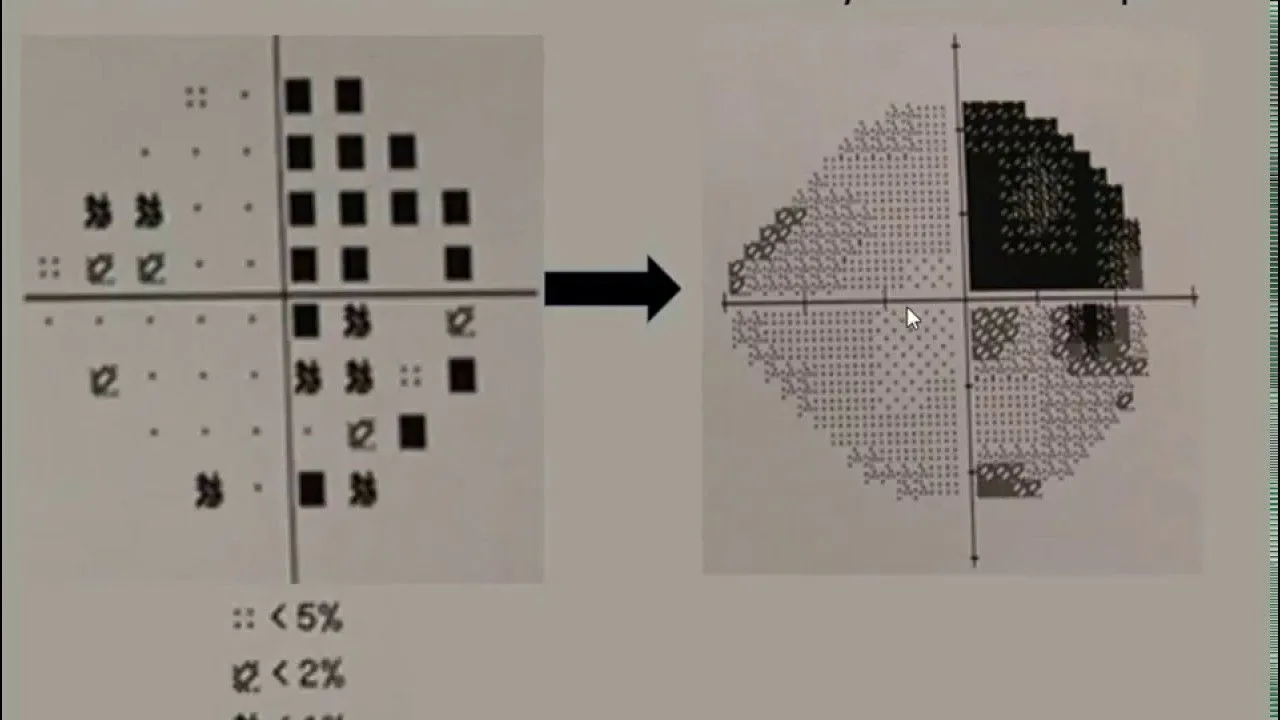
Questions such as what a visual field test is and why it is carried out are the ones most widely asked on this subject. Visual field tests are carried out to measure how effective peripheral vision is. They measure how far you can see to the sides, below and above the object you are looking at. The visual field test is also known as perimetry. It is important in conditions such as glaucoma. It generally takes ten minutes, and no surgical procedure or medication is involved.
The visual field test matters because it allows the ophthalmologist to identify eye conditions in many different ways, or to follow them. The procedure is painless and entirely straightforward. It focuses on two things:
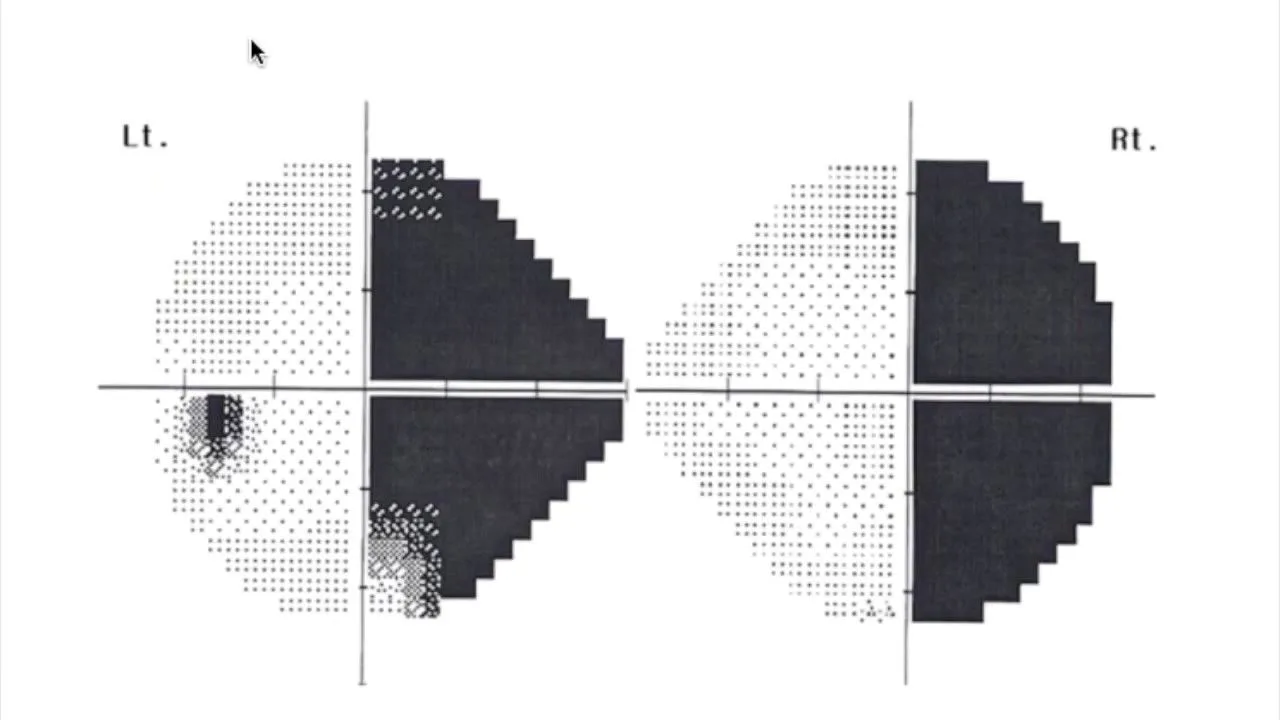
- How sensitive the eye is to the different parts of the visual field
- How far the eye sees to the right, the left, below and above while looking straight ahead without moving
Why is a Visual Field Test Carried Out?
The question asked most on this subject is why a visual field test is carried out. When an ophthalmologist or optometrist is consulted, the visual field test is a natural part of the process. It also allows conditions such as glaucoma to be identified and followed earlier. Conditions that damage vision layer by layer are identified more easily this way, and it serves to reveal other eye conditions too. People with glaucoma may believe they have no difficulty with their vision, but the visual field test reveals the gaps and losses in their peripheral vision. Alongside this, the test gives a clearer understanding of what is happening in the part of the nervous system that carries out the function of sight. Those visual parts of the nervous system are:- The retina converts the light reflected into our eye into electrical signals and passes them to the optic nerve.
- The optic nerves carry those signals to the visual part of our brain.
- The brain, one of our main centres, processes the signals arriving from the optic nerves and turns them into an image.
- Scotoma (blind spot)
- Glaucoma
- Macular degeneration
- Graves' disease
- Pituitary gland disorders
- Multiple sclerosis (MS)
How is a Visual Field Test Done?
Questions such as how a visual field test is done, or whether it is painful, are widely asked. No additional preparation is needed for the test. There are no side effects during or after it. It is not painful and no anaesthesia is involved. The visual field test can be carried out in several different ways, but the basic aim of all of them concerns how clearly you can see your field of vision. In this test a point is focused on, and the test proceeds from there. There are two basic methods, the simplest of them all:- Confrontation visual field: in this test the person carrying it out sits about a metre away from the person being tested. They open their arms straight out to both sides and move their arms or hand, and the person being tested says when they notice those movements.
- Amsler grid: this uses patterns made of straight lines forming a grid of squares. A point at the centre of the grid is looked at, and the areas where the lines appear blurred, broken or distorted are identified. The Amsler grid measures only the central part of the visual field.
Types of Visual Field Test
Visual field tests are not limited to confrontation and the Amsler grid. Kinetic and static perimetry tests exist as well. They are:- Static visual field (perimetry) test: this is carried out by looking into a bowl-shaped device. When an object is seen in the machine, a button is pressed in response. Among the most widely applied static tests are the Octopus and the Humphrey.
- Kinetic visual field (perimetry) test: in kinetic perimetry the person carrying out the test moves an object and you say when you see it. The Goldmann test is generally used for this.