Treatment for severe dry eye varies with the degree of dryness and with what follows from it. Dry eye arises when the eye is not moistened sufficiently. The tear glands keep the eye moist and work continuously. Dry eye forms when the amount of tears falls, when their composition changes, or when the tear glands stop working.
In an eye that is not moistened sufficiently, dryness, stinging and burning follow. Reading for long periods, looking at a screen and spending time in places with particular weather conditions all increase dryness. So that tears moisten the eye better, it is sometimes necessary to blink deliberately rather than relying on the natural reflex.
If dry eye is left untreated it can cause serious damage to the eye. If you are experiencing dry eye, seeing a doctor promptly is the best course. Depending on the state of the dryness, it is possible to be free of it with the appropriate treatment.
Causes of Severe Dry Eye
Among the causes of severe dry eye are the effects that come with age. It is met frequently in women during the menopause in particular. People of any age can also meet it through physiological and environmental factors.
The cause of dry eye varies from person to person. It may be physiological, and environmental factors matter a great deal too. Wearing contact lenses in particular leads to dryness, so lenses should always be removed each day and the eyes rested.
Conditions such as rheumatic disease and rosacea can also cause dry eye. Some of the medicines a person takes for other conditions affect the structure of the eye as well, among them hormone medicines, acne medicines and systemic medicines, alongside the menopause.
Among environmental factors, dry and hot places without sufficient humidity, windy places and places where air conditioning is used all contribute to dry eye.
Inflammation and infection in the eye affect its structure and surroundings and can therefore cause dryness too. Treating those conditions can clear the dry eye alongside them.
The other factors that cause dry eye are:
Severe dry eye
Wearing contact lenses
Blockage of the oil (meibomian) glands along the edges of the eyelids
Inflammation at the base of the lashes
Inflammation or infection of the eye
An eyelid that does not close fully
Spending a great deal of time with computers and other devices that emit light
Beyond these, dry eye is possible for many other reasons. Because the symptoms are noticeable, an ophthalmologist should be seen as soon as they appear.
Severe dry eye
Symptoms of Severe Dry Eye
The symptoms of severe dry eye generally show themselves through a stinging sensation in the eye. A feeling of dryness and a greater urge to blink can increase. If one or more of the following is present, it may be a sign of dry eye:
Excessive watering of the eye at times
Stinging and burning in the eye
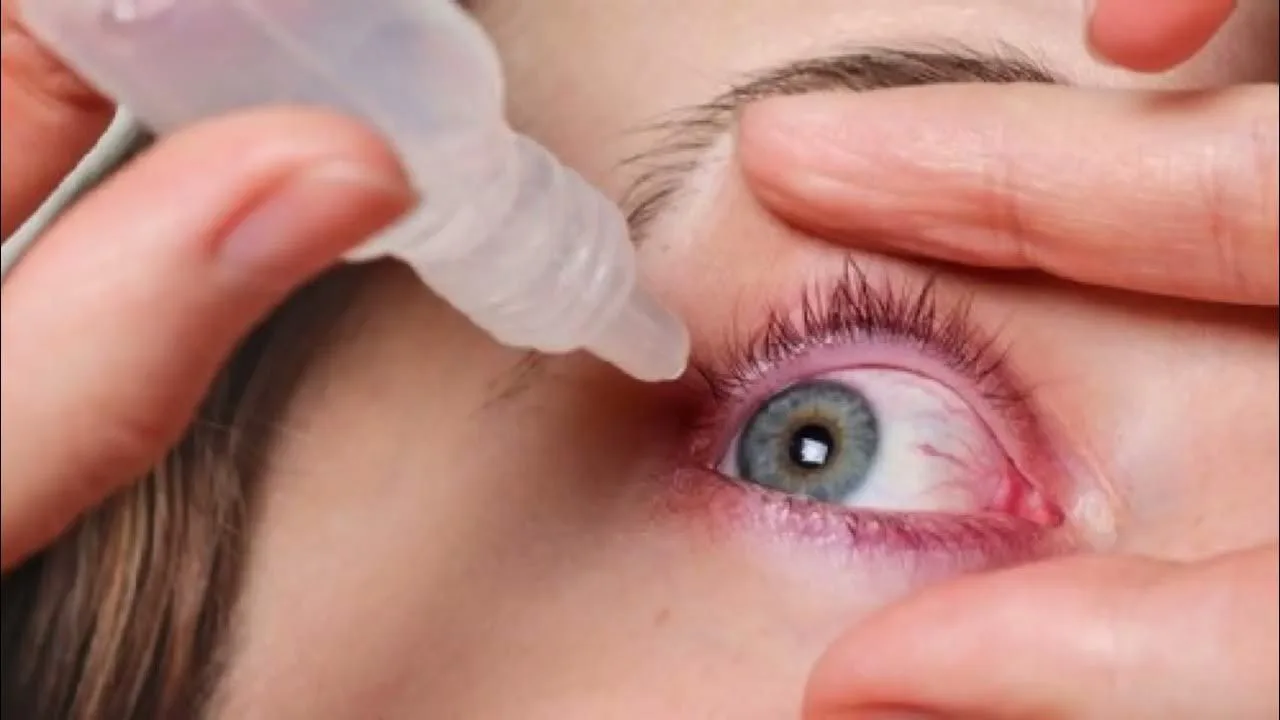
Redness of the eye
Blurred vision
The feeling that a foreign body has entered the eye
Sensitivity to light
Itching of the eye
Treatment of Severe Dry Eye
Treatment for severe dry eye varies with the reasons the dryness formed. The conditions causing it are removed so that the eye reaches its natural moisture balance. Dry eye can be treated with one or more of the methods below:
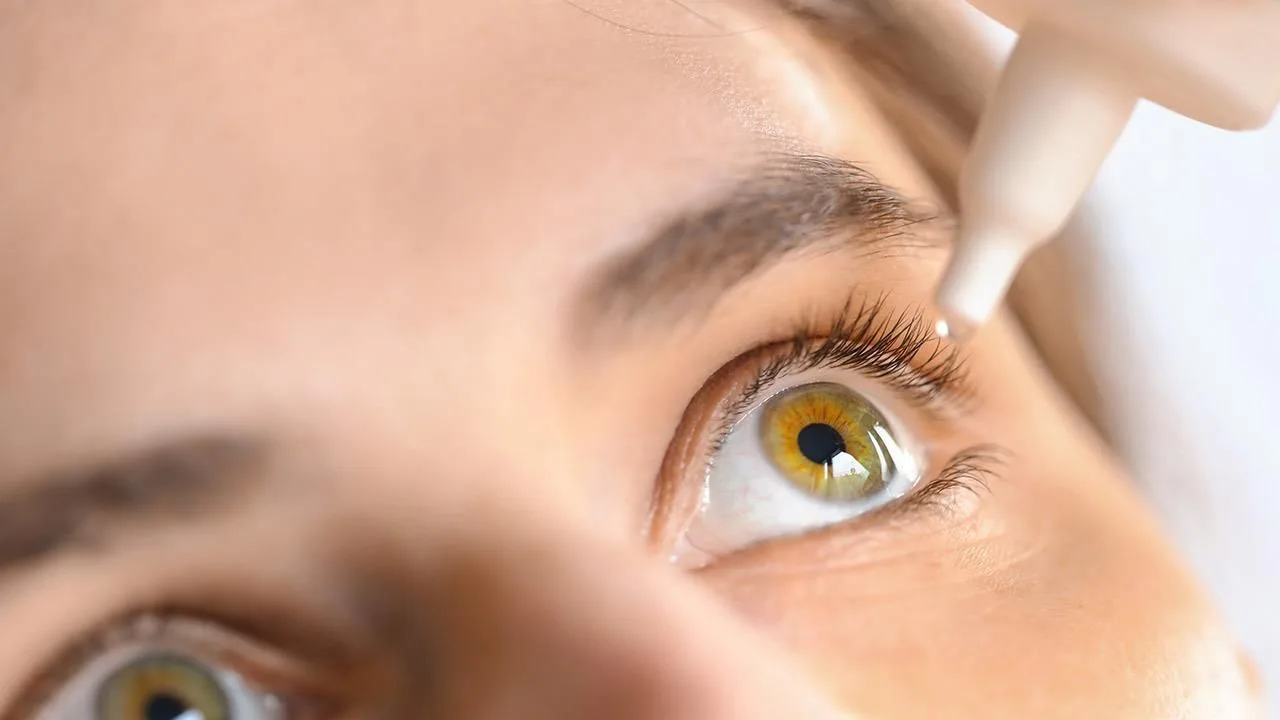
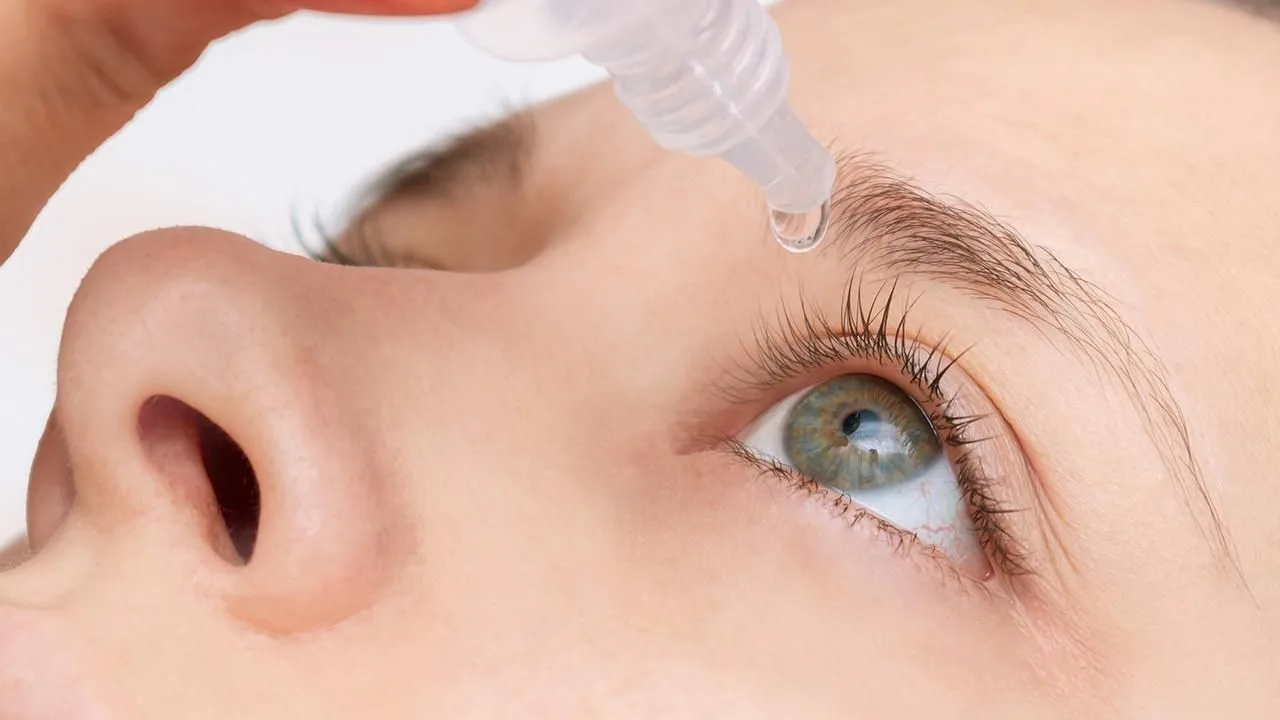
Artificial tears: artificial tear drops are among the methods used most in the treatment of dry eye. They may be applied in the morning, at midday and in the evening, or only once at a particular time of day. They should be used as the doctor recommends. These drops imitate natural tears and keep the eye moist.
Contact lenses: wearing contact lenses can increase dryness further, so lenses suited to the structure of the person's eye should be chosen. Some lenses allow the eye to breathe more easily while others prevent it, which makes the choice of lens very important.
Eye ointments: depending on the situation, the ophthalmologist may recommend an eye ointment. Through it the eyes are moistened and kept moist throughout the day.
Eyelid treatment: inflammation and similar conditions of the eyelid that cause dryness are treated. The dry eye then clears alongside the problem affecting the structure of the eye.
Punctal plugs: to keep tears on the eye for longer, the opening of the tear duct is closed with a small plug. The procedure takes a few minutes in the clinic.
IPL (intense pulsed light): dry eye can be treated with pulses of light applied around the eye. This method can also be used in treating inflammation at the base of the lashes, and the procedure may take several sessions.
Alongside these treatments, stopping systemic medicines that cause dryness may also come into question. Your doctor will recommend the treatment most appropriate for you.
How to Prevent Severe Dry Eye
Questions such as how severe dry eye is prevented are among the subjects people with dry eye look into. There are many environmental factors that cause it, and staying in very dry or windy places in particular is a considerable influence.
Looking at a screen a great deal, reading a great deal of text and exposure to light all affect dryness too. Blinking more often may be needed in these situations. Taking breaks at intervals through the day and resting the eyes matters as well.
Increasing fluid intake to meet the body's needs is also necessary, so drinking plenty of water matters for both eye and general health. Resting the eyes, using artificial tears to keep their moisture balance, and staying away from air conditioning, heating and similar devices that create changes in temperature will all help to prevent dry eye.
What is an Intraocular Lens?
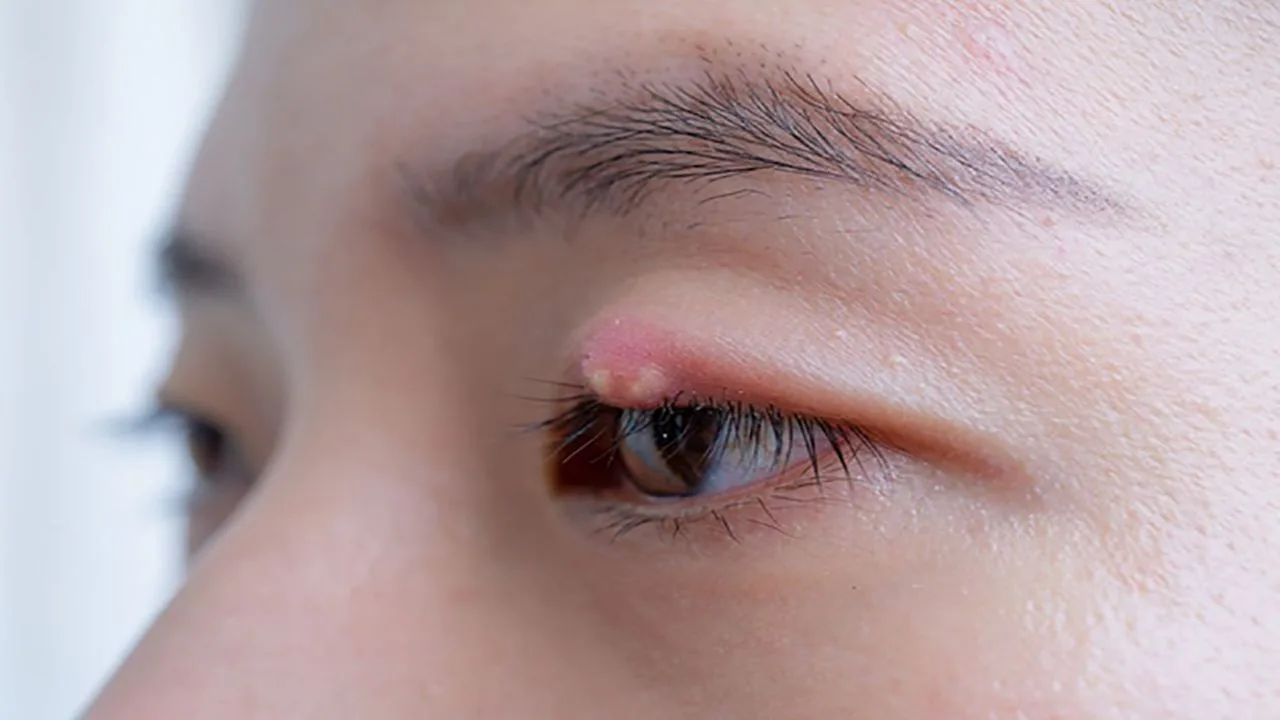
A stye generally appears from frequent hand contact with the eye, and its main cause is poor hygiene. Touching the eye constantly with dirty hands allows germs to settle there and inflammation to form.
Glaucoma occurs as the pressure within the eye rises, and the optic nerves at the back of the eye are damaged as a result. Where the drainage system for the fluid within the eye is disturbed, the fluid builds up and the pressure rises steadily.
The vitreous is the name of the gel-like fluid within the eye. With age this gel-like structure begins to deform and to separate from the back part of the eye, which gives rise to vitreous disorders.
The lens of the eye is the structure that light passes through before it reaches the retina. Transparent and made of protein, it has a very important part to play in allowing the eye to focus.
Essential cookies are always on. With your permission we also use Google and Meta cookies for measurement and ads.Cookies needed for the site to work are always on. With your permission we also use Google and Meta cookies to measure visits and show you relevant ads. You can change your choice at any time with the "Cookie settings" link at the bottom of the page.Detailed Information