




Eye Diseases
What is Myopia? What are Symptoms, Treatment Methods?
- Kudret Eye Istanbul
- Last updated:
- 5 min read
- Medically reviewed by Op. Dr. Mehmet Ali Özdil
In people with myopia, the shape of the eyeball usually causes the wrong refraction of the rays coming from the environment. Incorrectly refracted rays cause the images to focus in front of the retina instead of forming in the retina. This causes vision problems. Myopia is a treatable condition. However, it is decided whether treatment is needed according to the degree of myopia. If the degree of myopia is severe, treatment modalities vary.
It usually begins in childhood or adolescence, often between the ages of 6 and 13. Therefore, children in this age group should be well observed and doctor controls should be done regularly.
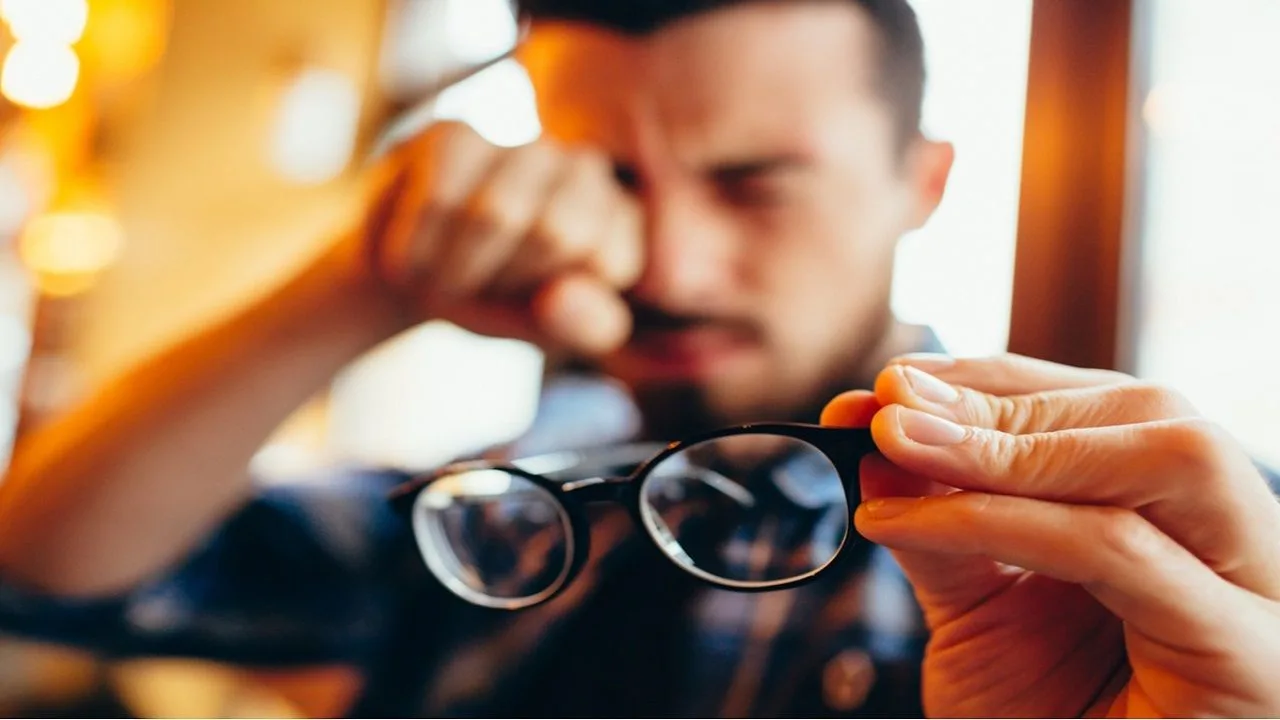
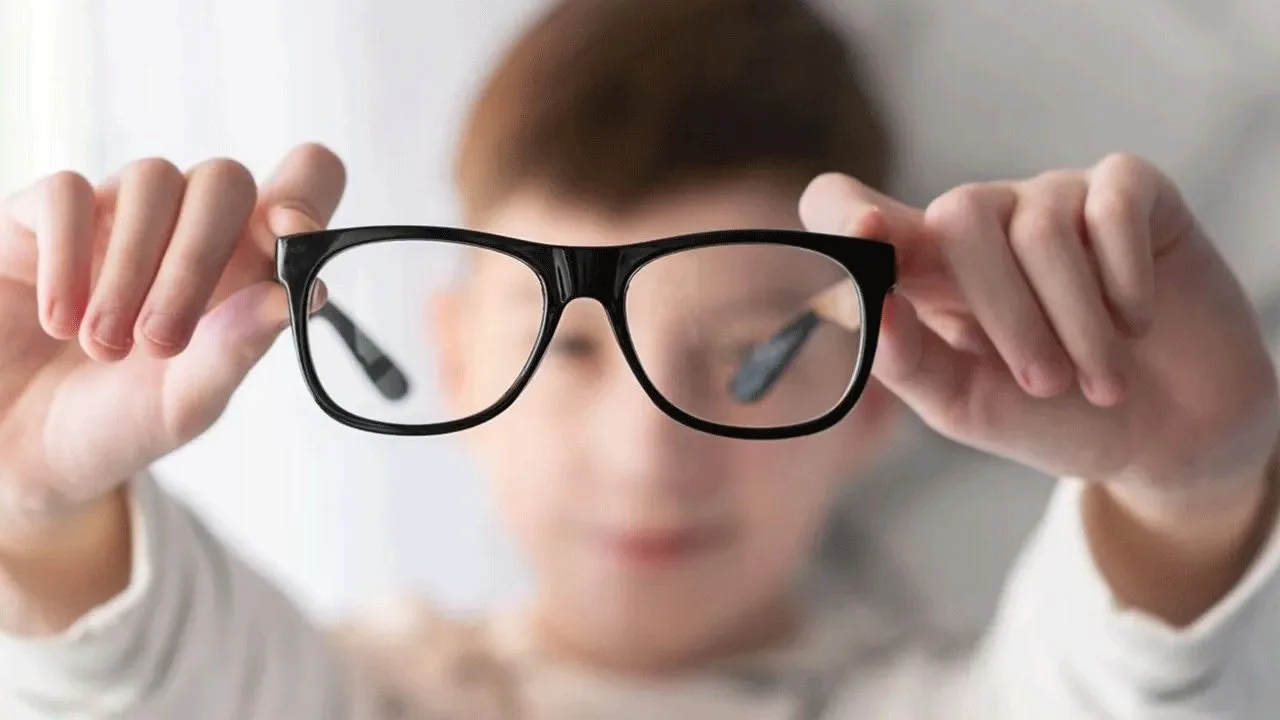
Follow Kudret Eye on GoogleAdd us to your preferred sourcesWhy Does Myopia Occur?
The question of why myopia occurs is also frequently researched by people who have this condition or who want to take precautions before getting caught. Paying attention to eye health is very important to prevent these ailments. The eye works in two sections to focus images. These are the cornea and lens. The cornea is the dome-shaped open surface that appears on the outer side of the eye. The lens is a transparent biconvex structure. These elements, which are normally shaped and in the process of focusing in a healthy eye, have a smooth structure like a marble surface. Thanks to this smooth structure, it refracts the incoming light. Thanks to the refracted light, it performs the focusing process on the retina in the back layer of the eye. In people with distance vision problems, the eyeball is usually longer or the cornea is excessively curved compared to normal people. In such cases, the light does not fully focus on the retina and focuses in front of the retina. As a result of incorrect focussing, blurred vision of distant objects occurs.What are the Risks of Myopia?
In some risk factors, the development of myopia disease increases more. If we need to list these risk factors;- Genetic Factors: Children of parents with myopia are more likely to develop it than children of parents without myopia. If one of the parents has myopia, the rate of occurrence of the eye defect is high. If both parents have it, the risk is even higher. These people should have regular check-ups and minimise the risks that may occur.
- Excessive Reading and Working at Close Range: People who read too much, work on the computer or write too much usually forget to rest their eyes during these processes. This causes the eye to get tired and focus on a single point. As a result of the eye not resting, it is more likely to encounter vision problems.
- Environmental Conditions: According to studies, spending little time outdoors increases the risk of developing myopia.
What are the Symptoms of Myopia?
Myopia symptoms can differ in children and adults. Symptoms that will occur in adults are as follows;- Blurred vision or unclear objects when looking at distant objects,
- Need to partially or completely close the eyelids of the eyes for a clear image,
- Tired eyes during activities during the day and headaches as a result.
- Symptoms of not seeing clearly when looking away while driving and having difficulty seeing in the vehicle at night.
What are the Symptoms of Myopia in Children?
Symptoms of myopia in early childhood include,- Squinting in order to see things in the distance,
- At school, the desire to sit close to the screen or the blackboard at home or when watching a film,
- Pretending to be unaware of distant objects because he/she cannot see them clearly,
- Frequent rubbing of the eyes,
- Excessive blinking and
- Difficulty in reading the board at school and consequently distancing from the lessons are signs of myopia symptoms at an early age.
How to Treat Myopia?
In myopia treatment, the method is determined immediately after the diagnosis is made, according to the condition of myopia. The condition is alleviated with various treatments according to the condition of the myopia and the condition of the person. Myopia treatment methods are as follows;- Use of contact lenses or glasses: The use of lenses and glasses is one of the most preferred methods. In terms of cost, it is one of the more expensive options in the long term compared to other treatment methods. Glasses are usually one of the first treatment methods. If the desired result is not obtained from the glasses, contact lenses are preferred because they give a clearer image. However, since the lenses are in direct contact with the eye, a series of precautions should be taken to protect eye health.
- Laser eye surgery: Myopia is a disease caused by the distortion of the shape of the eyeball. Laser eye surgery does not change the eyeball itself; it reshapes only the cornea so that light is focused on the retina. However, it is not considered appropriate for children due to the change in the shape of the eye and the continued development of the eye in children. The age limit for eye laser surgery is 18 years; for people over 45, lens options are also considered. In addition to the age limit, the eye prescription should not have changed in the last 1 year.
- Use of artificial lens implants: Artificial lenses are obtained artificially. These artificial implants can be permanently implanted in the eyes of the patient in order to achieve correct focusing.
- Use of corneal rings: plastic rings called INTACS are placed inside the cornea to change its shape. Today this method is used mostly in the treatment of keratoconus rather than in myopia treatment; for myopia, laser treatment and ICL are preferred.