




Are Eye Drops Harmful?
- Kudret Eye Istanbul
- Last updated:
- 7 min read
- Medically reviewed by Op. Dr. Mehmet Ali Özdil
Eye drops are generally beneficial when you use the drop your doctor recommends, at the right dose and for the right length of time. Harm usually comes from misuse: using steroid drops for a long time without medical supervision, using antibiotic drops when there is no infection, and relying on redness-relief drops every day are the most common risks.
This article explains the main types of eye drops, when they can cause problems and how to use your drops safely.
What Are Eye Drops and What Types Are There?
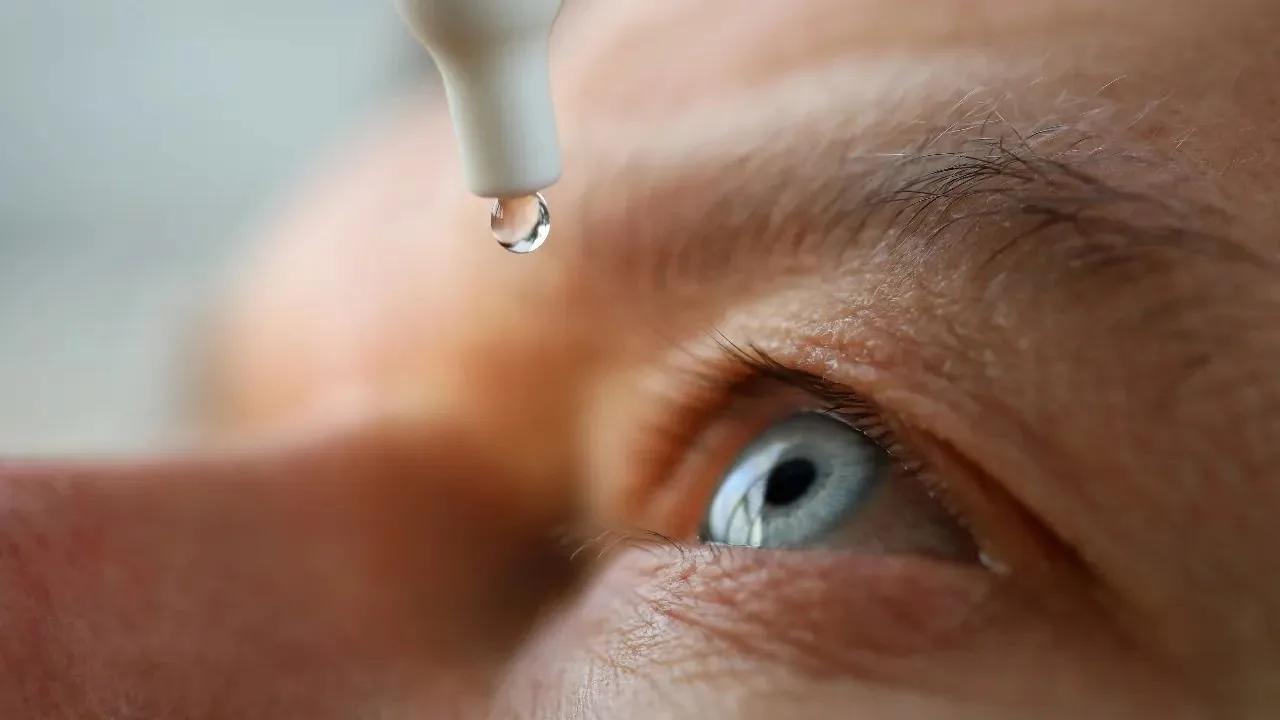
Eye drops are a sterile liquid form of medication designed to deliver a drug or a lubricating agent directly to the surface of the eye. They are formulated to be compatible with the eye's surface.
Because eye drops deliver medication straight to the eye, in most cases they affect the rest of the body less than tablets taken by mouth. Even so, some of the drop can drain through the tear duct into the nose and then into the bloodstream. For this reason, certain drops, such as some glaucoma drops, can affect functions like heart rate or breathing. Always tell your doctor about any other medicines you take and any health conditions you have.
Eye drops fall into different groups depending on their active ingredients and what they are used for.
| Type of drop | Used for | Possible risk with misuse |
|---|---|---|
| Artificial tears (lubricating) | Dry eye | Irritation of the eye surface with very frequent use of preserved drops |
| Redness relievers (vasoconstrictors) | Temporary redness | With long-term use, redness returning more strongly once you stop |
| Anti-allergy | Itching and watering caused by allergy | The real cause of itching being missed with long-term self-treatment |
| Antibiotic | Bacterial infection | Bacteria becoming resistant when used unnecessarily |
| Steroid (cortisone) | Inflammation | Raised eye pressure, higher risk of cataract |
| Glaucoma drops | Lowering pressure inside the eye | Eye pressure rising and the optic nerve being damaged if stopped without advice |
If your dry eye symptoms continue despite using drops, see an eye doctor about dry eye treatment. Anti-allergy drops for itching and watering are used on medical advice in conditions such as allergic conjunctivitis. They are usually well tolerated, but itching and redness are not always caused by allergy, so if your symptoms persist the underlying cause needs to be checked.
When Can Eye Drops Cause Harm?
Most of the harm from eye drops comes from using them without proper guidance. Putting in an over-the-counter drop several times a day every time your eye feels red or dry can mask the real cause of the problem and irritate the surface of the eye. If your symptoms continue, see an eye doctor instead of using more drops.
Eye drops may look harmless, but they carry risks when they are not used correctly. A drop that brings quick relief is not necessarily safe to use over the long term. That is why you should not choose eye drops for yourself.
Are Steroid Eye Drops Dangerous?
Steroid (cortisone) eye drops are powerful medicines that reduce redness and pain by suppressing inflammation in the eye. Because they bring fast relief, people tend to use them for longer than their doctor advised, and that unsupervised use is where most of the risk lies.
Used for a long time without medical supervision, steroid drops can raise eye pressure and increase the risk of cataract. They can also make some eye infections worse, particularly those caused by viruses or fungi. Raised eye pressure that goes unnoticed can permanently damage the optic nerve, which is why doctors check eye pressure regularly in people using steroid drops.
Use steroid eye drops only for the length of time and at the dose your doctor recommends. Do not start them on your own and do not extend the course. If you have been using them for a long time, reduce them as your doctor advises rather than stopping suddenly.
Are Antibiotic Eye Drops Harmful?
Antibiotic eye drops are effective in treating bacterial eye infections. However, a red eye is not always caused by bacteria, and antibiotics do not help with redness caused by a virus or an allergy. Unnecessary use of antibiotics can lead to bacteria becoming resistant to the medicine.
Over time, this can mean the drops no longer work when you actually develop an infection. If you have been prescribed antibiotic drops, finish the full course your doctor recommends, even if your symptoms clear up. If you have burning or discharge in your eye, see your doctor rather than starting antibiotic drops on your own.
Are Redness-Relief Drops Harmful?
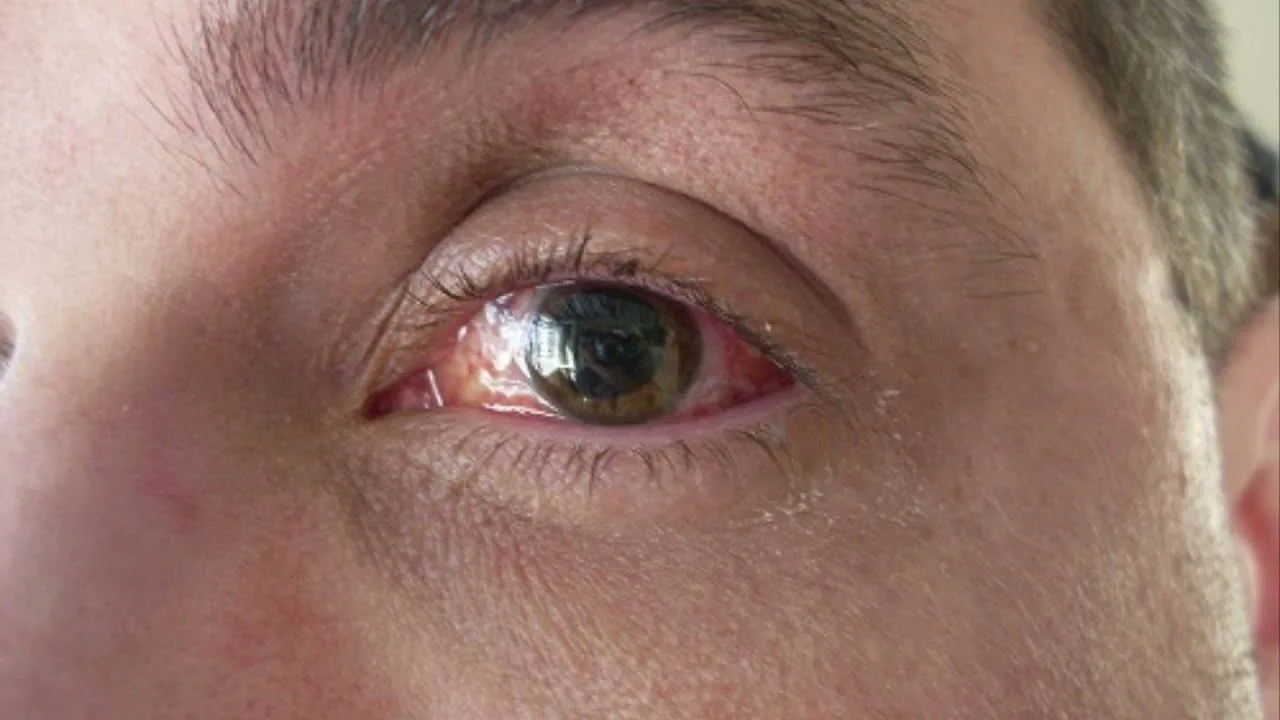
Some redness-relief drops work by narrowing the blood vessels in the eye, which reduces redness temporarily. When these drops are used for a long time, redness can come back more strongly once you stop using them. This is known as rebound redness.
Without realising it, people then use even more drops and get caught in a vicious circle. These drops are generally only suitable for short-term use. If the redness persists, see an eye doctor to find out the cause instead of using more drops.
Are Artificial Tears Harmful?
Artificial tears are over-the-counter drops used to lubricate the surface of the eye. Most people use them without any problems, but there are a few things to keep in mind.
Artificial tears that contain preservatives can irritate the eye surface when used very often during the day. As a general rule, if you need drops more than 4-6 times a day, your doctor may recommend a preservative-free product.
How to Use Eye Drops Safely
Using drops correctly greatly reduces their potential for harm. The following steps help your drops work better and lower the risk of infection and irritation:
- Wash your hands before putting in drops.
- Do not let the tip of the bottle touch your eye, eyelashes or fingers.
- Do not exceed the dose and frequency your doctor recommends.
- If you use more than one type of drop, wait at least 5 minutes before putting in the next one.
- If you wear contact lenses, ask whether the drop can be used with your lenses. With many drops, lenses need to be removed and you should wait a while before putting them back in.
- Do not share your drops with anyone else.
- Check the expiry date, and do not use an opened bottle for longer than stated on the box or in the leaflet.
- Do not stop prescription drops, especially glaucoma drops, without talking to your doctor.
- Never use numbing (anaesthetic) drops from an eye examination at home. Used repeatedly, these drops can seriously damage the cornea.
When Should You See an Eye Doctor?
If burning, redness or itching gets worse while you are using drops, your vision becomes blurred, or your symptoms do not improve within a few days, see an eye doctor rather than switching drops on your own. If you have severe eye pain, sudden loss of vision or swelling of the eyelid and face, seek help without delay.
Frequently Asked Questions
- 1
Can I use eye drops every day?
You can use the drops your doctor prescribed every day for as long as recommended. Before using over-the-counter drops, especially redness relievers, every day for a long period, talk to an eye doctor.
- 2
How many times a day can I use artificial tears?
Preserved artificial tears are usually used 4-6 times a day; follow the instructions in the product leaflet. If you need them more often, ask your doctor about preservative-free products.
- 3
How long can I use steroid eye drops?
Your doctor decides how long you should use them. Do not start or extend a course on your own. Long-term, unsupervised use can raise eye pressure and increase the risk of cataract.
- 4
How long can I use an eye drop bottle once it is open?
Follow the time stated on the box or in the leaflet. Most multi-dose bottles are generally used within about 4 weeks of opening, while single-dose vials should not be kept once opened.
- 5
Can I use eye drops with contact lenses?
Some drops can be used with lenses, while others require you to take your lenses out. For drops that are not labelled as suitable for contact lenses, remove your lenses and usually wait about 15 minutes before putting them back in. Ask your doctor or pharmacist about the drop you are using.
- 6
Is it normal for eye drops to sting?
Some drops can cause mild burning or stinging that lasts from a few seconds to a few minutes after you put them in, and this is usually harmless. If the burning gets worse or does not go away, stop and talk to your doctor before continuing.