




Can Strabismus Be Treated?
- Kudret Eye Istanbul
- Last updated:
- 8 min read
- Medically reviewed by Op. Dr. Mehmet Ali Özdil
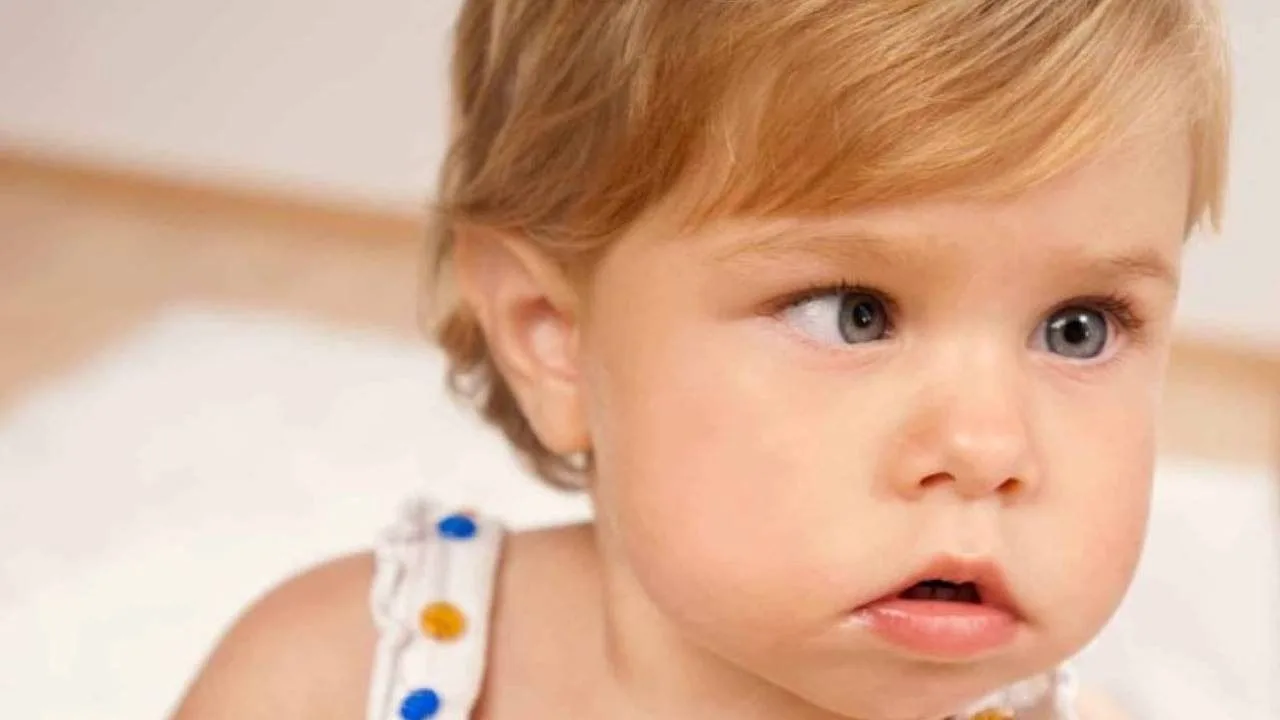
Yes, strabismus can be treated. Strabismus (a squint or eye turn) means the two eyes do not look at the same point, so one eye turns inwards, outwards, upwards or downwards. Treatment may involve glasses, patching, eye exercises in some cases, and strabismus surgery; which option is right depends on age, the type and angle of the eye turn and any other eye problems.
Strabismus can be present from birth or develop later in life. The eye turn may be constant, or it may only appear when you are tired or looking in certain directions. Its severity varies from person to person: some people have hardly any symptoms, while others experience double vision and difficulty judging depth.
What Is Strabismus and What Causes It?
Strabismus is caused by the muscles that move the eyes not working together properly. Normally both eyes look at the same point and send a single, clear image to the brain; with strabismus, one eye drifts in a different direction. Congenital problems with eye muscles or their nerve control, neurological conditions, eye injuries and refractive errors can all cause strabismus. Uncorrected hyperopia (farsightedness) can lead to an inward eye turn, particularly in children. Our article on the causes of strabismus goes into more detail.
In adults, strabismus that develops later in life often causes double vision. In children, the brain can suppress the image from the turned eye; as a result, children usually do not see double, but this suppression can lead to a lazy eye (amblyopia).
Strabismus is diagnosed during an eye examination: the angle of the turn is measured, eye movements and refractive error are assessed, and the inside of the eye is examined. In children, the doctor also checks for a lazy eye.
What Are the Treatment Options for Strabismus?
There is no single treatment for strabismus. It is planned individually, taking into account the patient's age, the angle and type of the eye turn and any other eye conditions. You can find the strabismus treatment options at Kudret Eye İstanbul on our treatment page.
| Method | What it does | When it is considered |
|---|---|---|
| Glasses | Help the eye focus correctly when the turn is linked to a refractive error | Especially inward turns caused by hyperopia |
| Prism glasses | Redirect the image and can reduce double vision | People with a small angle of turn and double vision |
| Patching | The stronger eye is covered so the lazy eye has to work | Children who also have a lazy eye |
| Orthoptic exercises | Support the two eyes working together | Certain types, such as difficulty turning the eyes inwards for close work |
| Botulinum toxin | Temporarily reduces the pull of a muscle | Selected types of eye turn |
| Strabismus surgery | Adjusts the position or tension of the eye muscles | Large angles of turn, or strabismus that does not improve with other methods |
Treatment with Glasses
In many children, strabismus is linked to a refractive error such as hyperopia or astigmatism. Glasses then help the eye to focus correctly. With an inward turn caused by hyperopia, glasses can reduce or fully correct the turn, so it is important to wear them consistently throughout the day.
Some patients use glasses with prism lenses. Prisms redirect the image to an angle the turned eye can pick up and can ease double vision. They do not correct the turn itself, but they relieve the symptoms.
Patching
Patching is used for a lazy eye, which often goes hand in hand with strabismus. The stronger eye is covered for certain hours of the day, so the lazy eye is made to work. Because the visual system is still developing in childhood, patching generally works better the earlier it is started.
Orthoptic Eye Exercises
Orthoptic exercises can be used for some types of strabismus, especially when the eyes have difficulty turning inwards together for close work. The exercises aim to help the two eyes work together in harmony. They do not help every type of strabismus; it is important that they are tailored to the person's age and eyes and done regularly.
Botulinum Toxin (Botox) Injections
For some types of strabismus, botulinum toxin can be injected into an eye muscle. The medicine temporarily reduces the pull of that muscle and helps the eye sit in a better position. The effect usually lasts a few months; for some patients one injection is enough, while others need repeat treatments. Whether this method suits you is decided at the examination.
Strabismus Surgery
If the angle of the turn is large, or the turn does not improve despite other treatments, surgery is considered. In strabismus surgery, the tension of the eye muscles is adjusted or the point where a muscle attaches to the eye is moved; the inside of the eyeball is not entered. Some patients need a further operation to reach the desired eye position.
Strabismus Treatment in Children
In babies, an occasional eye turn can be normal during the first 3-4 months; a turn that persists beyond 6 months of age needs an eye examination.
In some children, strabismus becomes more noticeable over time and can lead to a lazy eye, because the brain ignores the image from the turned eye. This leads to the eye becoming lazy and its sharpness of vision decreasing. In children, early diagnosis improves the chances of successful treatment.
How long treatment takes varies from person to person. In children, glasses and patching are often used together and over a long period; your eye doctor adjusts the treatment at regular check-ups by monitoring the angle of the turn and the level of vision. Even if surgery is needed, glasses and patching may need to continue.
Can Strabismus Be Treated in Adults?
Yes, strabismus can also be treated in adults. Depending on the angle of the turn, prism glasses, botulinum toxin in some cases, or strabismus surgery may be considered. In adults, the aim is both to correct the eye position and to relieve symptoms such as double vision. Although the chance of correcting a lazy eye is more limited in adulthood than in childhood, the eye position can be corrected at any age.
Recovery After Strabismus Surgery
Strabismus surgery can be performed under general anaesthesia in children and under local anaesthesia in some adults; most patients go home the same day. Redness, a scratchy feeling and watering in the eye are normal in the first few days. A return to daily life usually takes a few days, and full recovery a few weeks.
After surgery, strenuous activity should be avoided for 2-3 weeks. During this time you should not rub your eye, should use the drops your doctor has prescribed regularly, and should stay out of swimming pools for the first weeks. Temporary double vision is normal in the first few days; if it persists, contact your doctor.
If you are travelling for treatment, please discuss with your doctor how long you should stay before flying home and how follow-up checks will be arranged.
What Happens If Strabismus Is Not Treated?
Untreated strabismus is not just a cosmetic issue; it can also cause vision problems. Untreated strabismus can:
- Lead to a lazy eye and permanent loss of vision in children,
- Impair depth perception,
- Cause double vision in adults,
- Make reading and close work harder,
- Affect self-confidence.
When Should You See an Eye Doctor?
If you notice an eye turn in your baby that persists beyond 6 months of age, an eye examination is needed. In adults, a sudden eye turn or double vision should be assessed without delay, on the same day, as it can be a sign of a nerve or brain problem. The causes of a sudden eye turn are explained in a separate article.
Booking an eye examination as soon as you notice strabismus helps ensure treatment is planned in good time.
Frequently Asked Questions
- 1
Is it normal for a baby's eyes to turn?
An occasional eye turn can be normal during the first 3-4 months. A turn that persists beyond 6 months of age needs an eye examination.
- 2
Does strabismus go away on its own?
Usually not. Apart from the occasional eye turn in early infancy, strabismus is not expected to correct itself; because waiting can increase the risk of a lazy eye, an examination is recommended.
- 3
Can strabismus be treated in adults?
Yes, strabismus can also be treated in adults. Depending on the angle of the turn, prism glasses or strabismus surgery may be considered.
- 4
When can I return to normal life after strabismus surgery?
A return to daily life usually takes a few days, and full recovery a few weeks. Strenuous activity should be avoided for 2-3 weeks. Temporary double vision is normal in the first few days; if it persists, contact your doctor.
- 5
Will I need strabismus surgery again?
Some patients need a further operation to reach the desired eye position. As the eye turn can come back over time, regular check-ups after surgery are important.
- 6
Can glasses correct strabismus?
If the turn is caused by a refractive error, particularly hyperopia, glasses can reduce or correct it. In other cases, glasses alone may not be enough.