





Eye Diseases
Can Diabetes Affect the Eyes?
- Kudret Eye Istanbul
- Last updated:
- 7 min read
- Medically reviewed by Op. Dr. Mehmet Ali Özdil
Diabetes and its effects are talked about and asked about more every day. Many questions are put, such as whether diabetes affects the eyes and what its effects on them are. There are a great many question marks about this subject among people with diabetes in particular.
Many health problems can arise when blood sugar stays high over a long period. These problems affect the other organs connected with the nervous system of the body. The eye falls among those organs. Alongside the many known effects of diabetes on the eye, people with diabetes need above all not to neglect regular check-ups. How long a person has had diabetes and what effects it has produced on the eye should be examined.
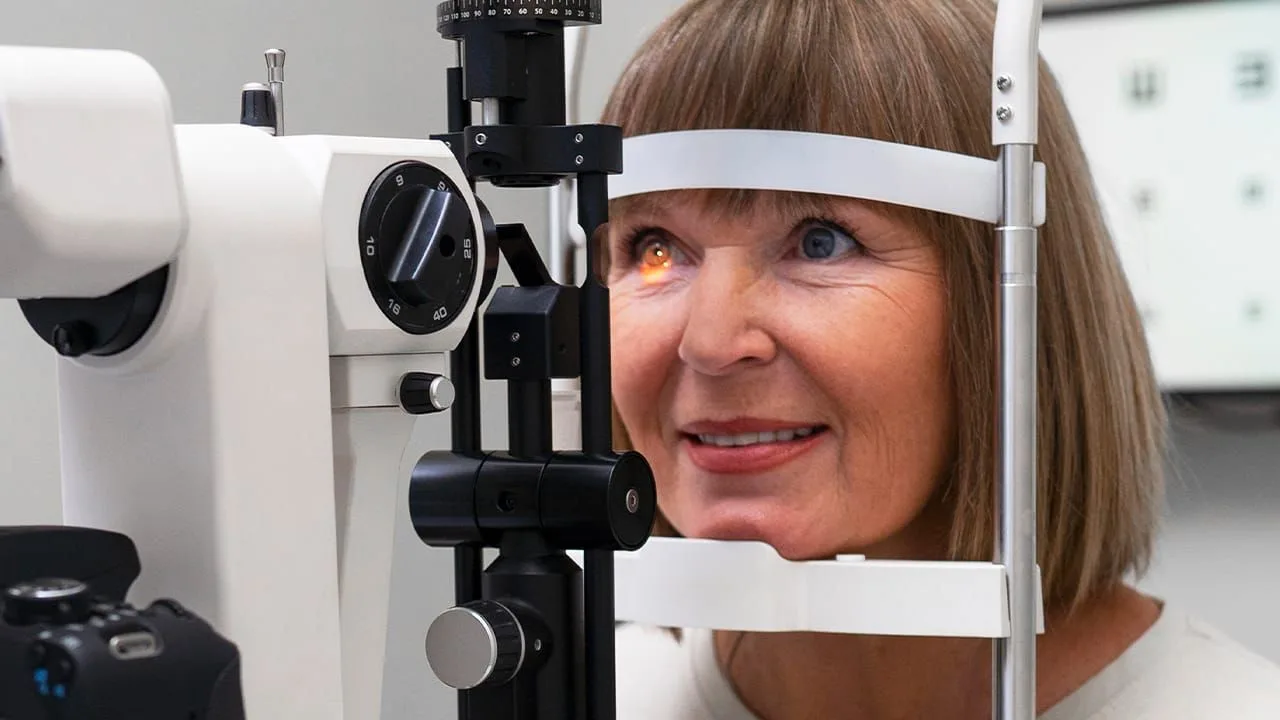
People who have had diabetes for a long time carry a greater risk. The most important thing to observe in protecting eye health is a regular eye examination. People with diabetes should pay particular attention to this. Detecting problems occurring in the eye early matters in preventing conditions that could advance as far as sight loss.
Bringing blood sugar into order is extremely important for eye health and for other situations alike. Thanks to blood sugar being brought under control, protecting eye health becomes easier. For these reasons regular blood tests should be carried out and the doctor's instructions followed.
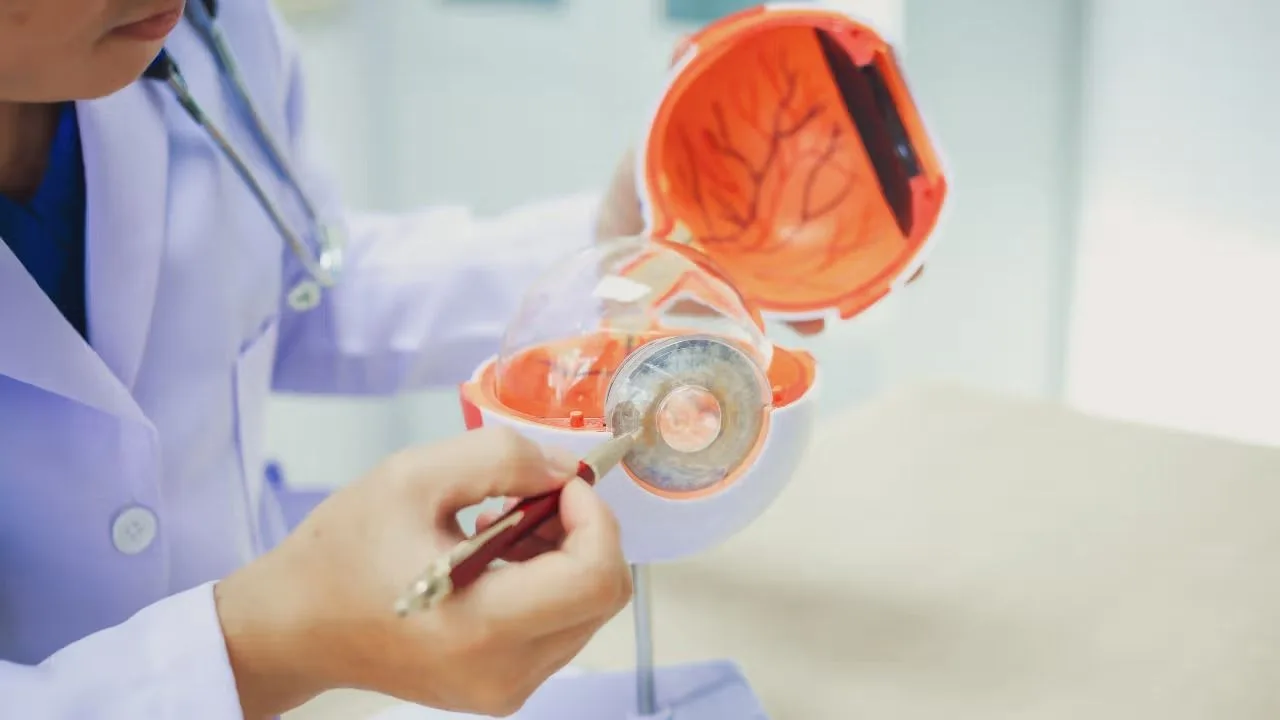
The Effect of Diabetes on Eye Health
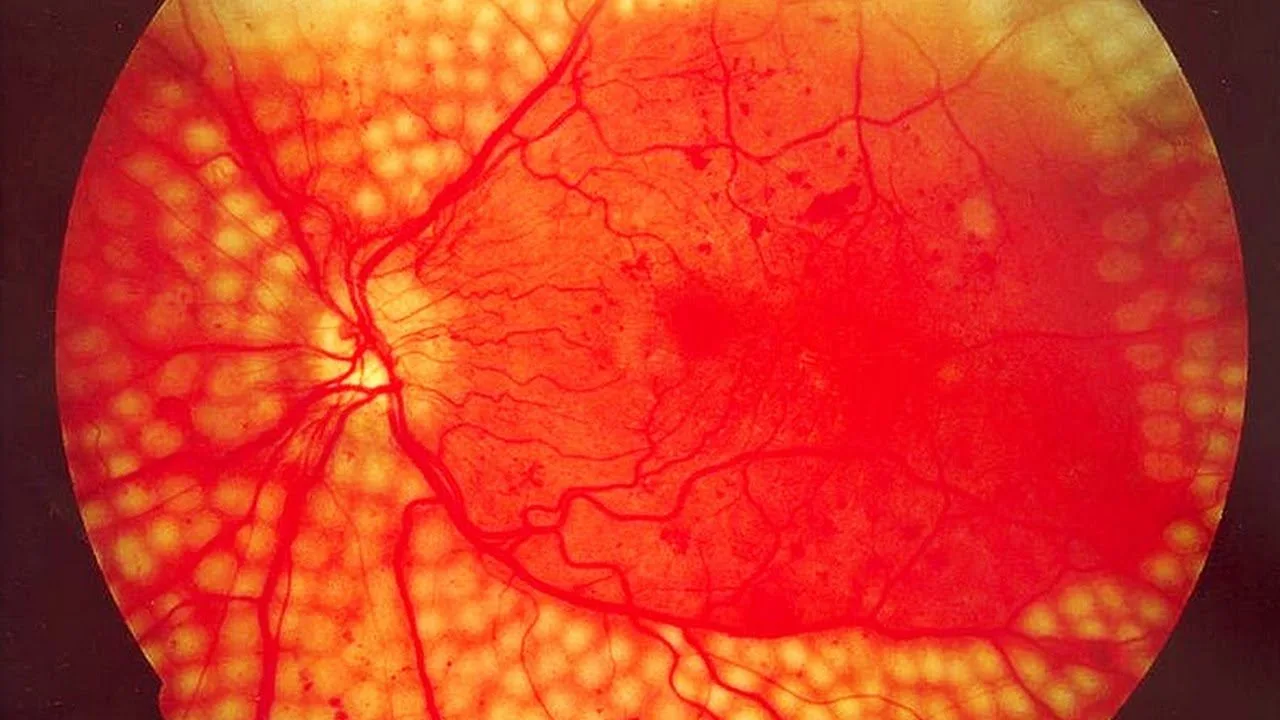
A good deal of varied research is being carried out into the effect of diabetes on eye health. Diabetes is one of the most common chronic conditions in the world and affects the other organs of the body badly as well. It has very great effects on the eye in particular. Just as diabetes causes problems in many places in the body, it leads to a good deal of trouble in the eye as well. The retina, one of the most important parts of the eye, is affected by these problems above all. In the situations in which the retina is affected, called retinopathy, blood sugar running high over a long period weakens the thin vessel walls in the retina and can lead to blockage, leakage and bleeding. High blood pressure accompanying diabetes can increase the damage to these vessels as well. If this situation is not diagnosed and treated early, permanent sight loss can develop. Some of the many situations of this kind that diabetes causes are these:- Glaucoma: because the pressure within the eye is high, pressure builds up in the eye and the inner part is damaged. As the vessels take damage, the inside of the eye is affected badly. This situation leads to damage to the optic nerve as well.
- Cataract: the likelihood of cataract appearing is far higher in diabetes. In some situations it can appear at an early age as well.
The Effect of Diabetes on the Visual System
The effect of diabetes on the visual system is a fact known the world over. People with diabetes can meet situations that affect eye health badly over time. To understand whether diabetes has affected the eyes, it is necessary to see an ophthalmologist. Understanding at an early stage that diabetes is damaging the eye is critically important. Cataract, glaucoma and diabetic retinopathy can all be seen in the eyes of people with diabetes. Diabetic retinopathy appears as the blood vessels in the retina take damage. At advanced stages it can lead to blindness. People with diabetes should pay attention to certain situations and signs in order to understand whether diabetes has affected their eyes. Those signs are these:- A change in the contrast of colours
- Blurred vision
- A difference in colour perception
- A fall in visual acuity, or difficulty making out things at distance or near
Measures People with Diabetes Can Take
Diabetes falls among the conditions met most in the world. Affecting people's quality of life to a very great degree, it can also affect different systems of the body easily. The measures people with diabetes can take therefore matter a great deal. Through them many conditions become preventable. Diabetes affecting the eyes is not a rarely met situation. It affects many parts of the visual system, from the optic nerves to the retina. So that conditions of this kind do not appear, blood sugar should be checked regularly and brought under control. People who check their blood sugar levels regularly can balance those levels with medication or with the way they eat. That is critically important for eye health. Alongside it, eye check-ups should be attended regularly and treatment begun at once where an early diagnosis is made.
Treatment of Diabetic Retinopathy
The eye problem met most in people with diabetes is diabetic retinopathy. Early diagnosis is an important factor in treating diabetic retinopathy. This condition appears as the vessels in the retina take damage, and even bleed, because of diabetes. Poorly managed diabetes can lead to a great many further problems. People with diabetes should therefore pay close attention both to their blood values and to their eye health, and should not neglect regular check-ups. Diabetic retinopathy varies with the stage the condition has reached and with its state. While good control of blood sugar and regular eye examinations are often enough in the early period, intraocular injections, laser treatment and in some situations surgery such as vitrectomy can be needed at advanced stages. A treatment programme is drawn up according to the severity of the condition and the patient's situation. People with diabetes are affected very easily by the food they eat and by their way of life. It is essential for them to attend check-ups regularly so that they do not meet conditions of this kind, or so that they recognise them early. Thanks to routine blood sugar checks and eye examinations, conditions are treated before they advance.Frequently Asked Questions
- 1
Does diabetes affect the eyes?
Yes, diabetes that is not well controlled over a long period can affect the eyes. Diabetic retinopathy, cataract related to diabetes and glaucoma fall among the eye problems seen most commonly. With regular eye examinations and blood sugar monitoring these risks can be reduced considerably. Because every person's situation is different, you should always assess your own risk with your ophthalmologist. - 2
What are the symptoms of diabetic retinopathy?
Diabetic retinopathy often gives no symptom in its early period. At later stages complaints such as blurred vision, dark or blind spots in the field of vision, seeing colours as pale or a fall in visual acuity can appear. Even where these complaints do not appear, people with diabetes should not neglect regular eye examinations. - 3
I have diabetes. How often should I attend eye check-ups?
In general, people with diabetes are advised to have a detailed eye examination at least once a year. Your doctor may keep that interval shorter according to the state of your blood sugar control and your current eye findings. It matters to consult your ophthalmologist in order to determine the most suitable follow-up plan for you. - 4
Does diabetic retinopathy lead to complete blindness?
If it is left untreated and advances a long way, diabetic retinopathy can lead to serious sight loss in some patients. With early diagnosis, good control of diabetes, regular eye examinations and treatments such as laser, injections or vitrectomy where needed, however, that risk can be reduced considerably. Every patient's course is different, so you should consult your doctor for an individual assessment of your risk. - 5
What is done in treating diabetic retinopathy?
The basic approach in treatment is good control of blood sugar, blood pressure and cholesterol. In the early stages regular follow-up alone can be enough. At more advanced stages intraocular injections, laser treatment and in some situations vitrectomy surgery can be applied. Your ophthalmologist will decide which treatment is suitable for you according to the findings at the back of your eye.